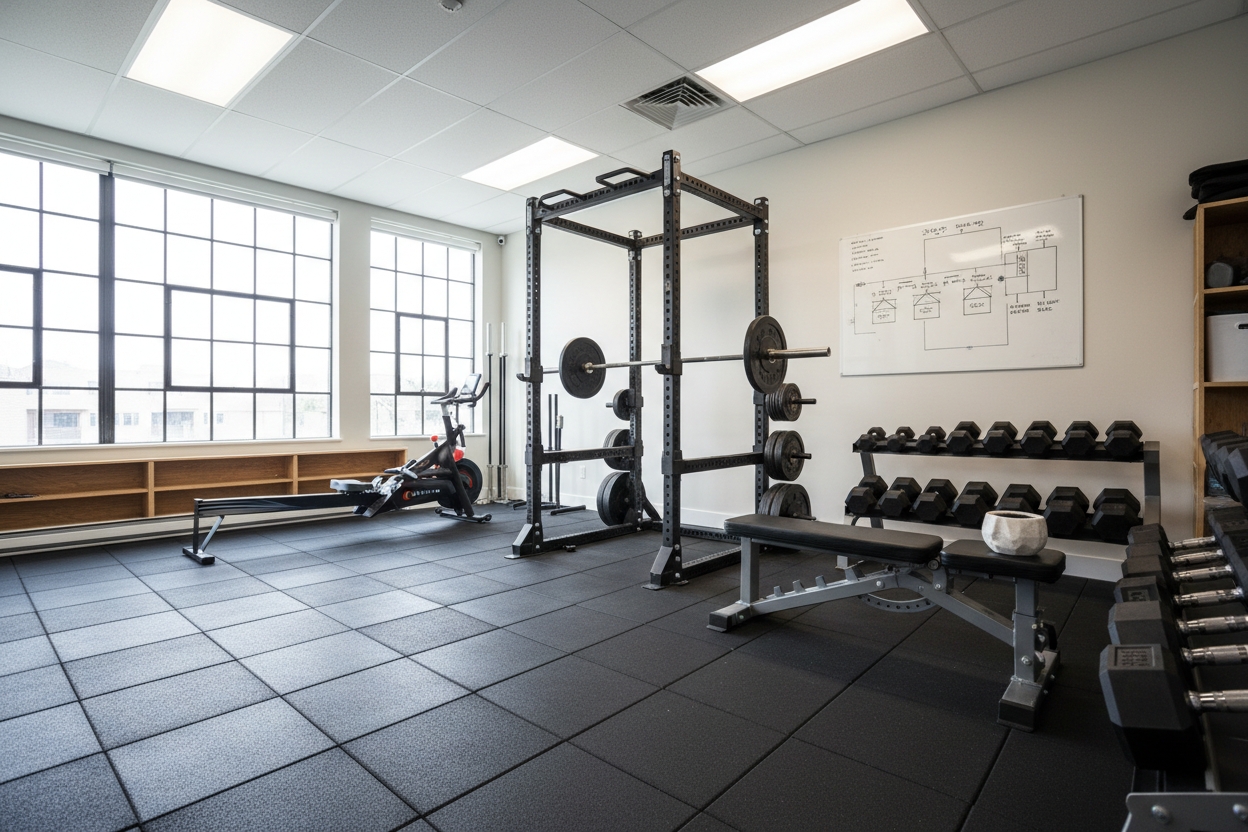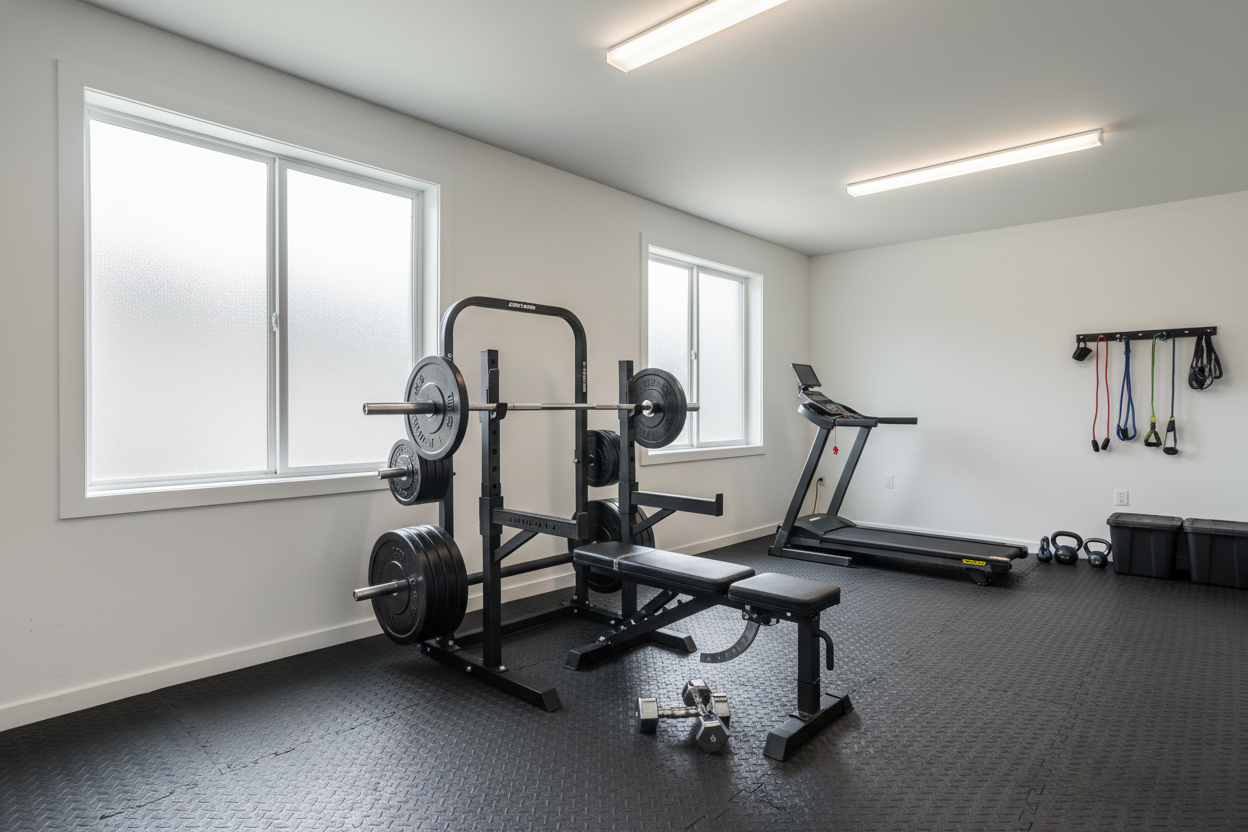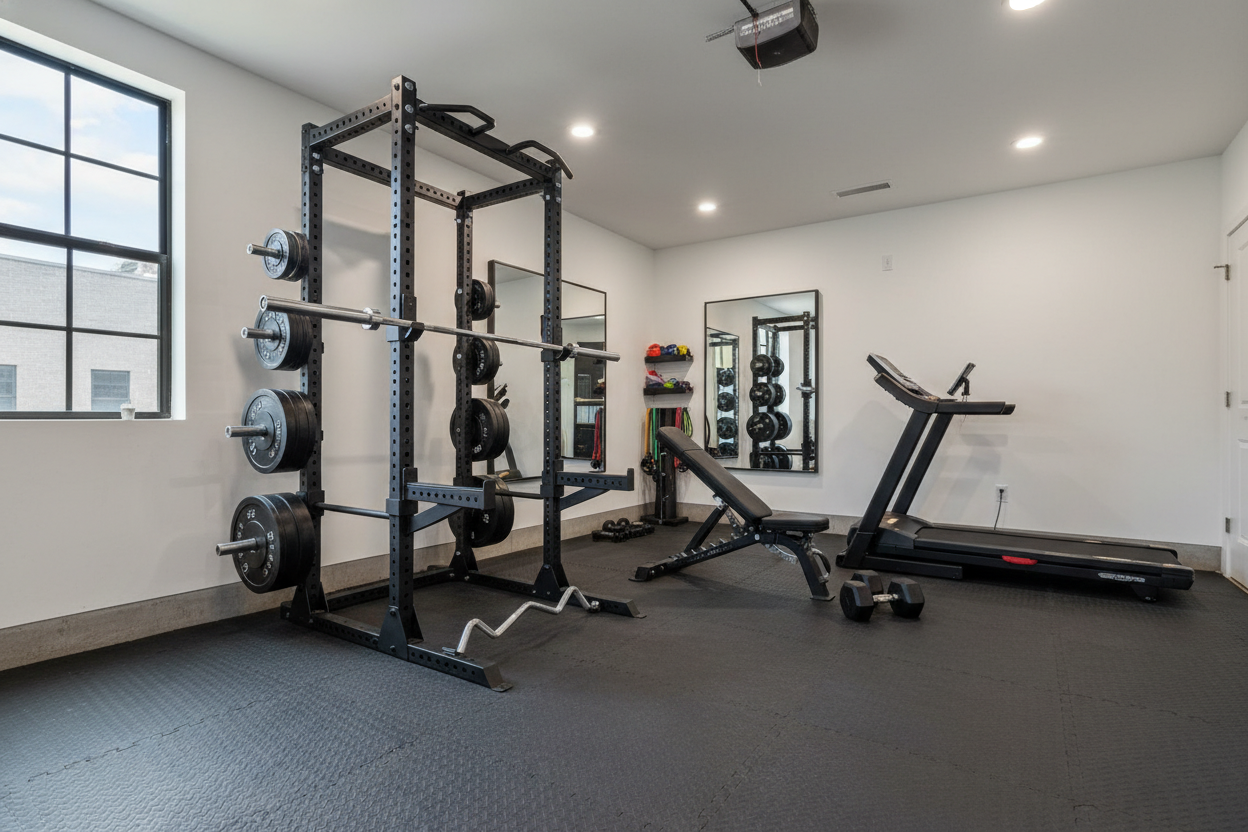
Does Your upper body workout bodybuilding Plan Need Angles?
I spent three years in my garage hitting the same flat bench press every Monday, wondering why my chest looked more like a lopsided pancake than a upper body workout bodybuilding success story. I had the 45-lb plates, the chalk, and the grit, but I lacked the geometry. If you are training in a 10x10 space, you do not have room for twelve different machines, which means you have to get creative with the iron you actually own.
Building a bodybuilder upper body requires more than just moving weight from point A to point B. It requires tension, specific fiber recruitment, and—most importantly—angles. Most home lifters fail because they treat their adjustable bench like a flat bench that occasionally tilts. That is a mistake that leaves your physique looking unfinished.
Quick Takeaways
- Flat pressing builds mass, but inclines build the 'aesthetic' shelf.
- Micro-adjustments (15-30 degrees) are superior to steep 45-degree inclines for chest isolation.
- Floor-based movements create a forced dead-stop that nukes triceps.
- Volume and time-under-tension matter more than your 1RM for hypertrophy.
Why Moving Heavy Iron Isn't Enough for Aesthetics
In the powerlifting world, efficiency is king. You want the shortest bar path and the most muscle involvement to move the heaviest load. But for an upper body workout bodybuilding goal, efficiency is actually your enemy. You want to make the movement harder for the target muscle, not easier.
I see guys in their garage gyms arching their backs like a bridge to bench 315. Sure, the weight moves, but their pecs are barely doing half the work. If you want that thick, 'pop' in your upper chest, you have to stop thinking about the weight on the bar and start thinking about the stretch and contraction. Flat pressing alone often overdevelops the lower pec and front delts, leaving a hollow space under your collarbone that no amount of heavy triples will fix.
Aesthetic gaps happen when you don't vary the stimulus. Your muscles are smart; they adapt to the same flat-plane movement quickly. To force new growth, you have to manipulate the lever lengths and the angle of resistance. This is where the 'micro-angle' approach comes in—tweaking your bench just one notch can shift the load from your mid-chest to those stubborn upper fibers.
The 3 Angles That Build a True bodybuilder upper body
You don't need a commercial gym's worth of cable stacks to look like a pro. You need three specific positions. First is the 'Low Incline' (15 to 30 degrees). Most people go way too steep, hitting 45 degrees or higher, which just turns the move into a shoulder press. By keeping the angle shallow, you keep the tension on the clavicular head of the pec.
Second is the 'High Incline' (75 to 80 degrees). This is the sweet spot for the lateral delts and the uppermost portion of the chest. It’s a brutal angle that prevents you from using your lower back to cheat the weight up. If you're doing these with dumbbells, keep your palms slightly neutral to save your rotator cuffs.
Third is the 'Floor Press.' This is where you lie directly on your thick home gym flooring and press from a dead stop. Because the floor cuts your range of motion, you can't use momentum or a 'bounce' off the chest. It forces the triceps to fire from a cold start, which is the secret to building arm thickness that fills out a shirt sleeve. I prefer doing these on a high-density mat rather than bare concrete to keep my elbows from getting chewed up during heavy sets.
How to Structure the Routine in Your Garage
To maximize hypertrophy, you need to move beyond the '3 sets of 10' mentality. I like to start with a heavy angled press for 6-8 reps to trigger mechanical tension, then follow it up with high-rep isolation work. For example, after your low-incline barbell work, move to a slight-incline dumbbell fly where you focus on a 3-second eccentric (lowering) phase.
Time-under-tension is your best friend when you have limited weight. If you only have dumbbells up to 50 lbs, you can still get a massive bodybuilder upper body by slowing down the reps and eliminating the rest at the top of the movement. Keep the muscle under load for 40-60 seconds per set.
Don't forget to balance this volume. If you are smashing your chest and shoulders four days a week, your posterior chain and legs will lag. I always recommend pairing this high-volume upper body work with dedicated lower body machine work on your off days. A well-rounded physique isn't just about the mirror muscles; it’s about the structural integrity of the whole frame.
Conditioning That Doesn't Eat Your Muscle Gains
The biggest fear for any bodybuilder is 'killing their gains' with cardio. But if you're carrying too much body fat, nobody can see the angles you've worked so hard to build. The key is avoiding long, catabolic steady-state sessions on a treadmill. I’ve found that short, intense conditioning sessions are much better for preserving muscle mass while stripping fat.
Think 10-15 minutes of high-intensity intervals. Sprints, heavy carries, or even fast-paced shadowboxing. This keeps your heart rate high and your metabolism spiked without the muscle-wasting effects of a marathon run. You want to stay 'conditioned,' not just 'skinny.' A lean bodybuilder looks twice as big as a soft one, even if the scale says otherwise.
My Personal Take
I learned the 'angle lesson' the hard way. I bought a cheap, bolt-together adjustable bench that only had three settings: flat, 45, and 90. My chest growth stalled for a year. It wasn't until I upgraded to a bench with 1-inch hole spacing—allowing for those 15 and 30-degree micro-angles—that my physique actually started to change. My mistake was thinking 'hard work' could overcome bad equipment geometry. It can't. If your bench doesn't allow for subtle shifts, you're leaving gains on the table.
Frequently Asked Questions
Can I build a bodybuilder physique with just dumbbells?
Absolutely. Dumbbells actually allow for a greater range of motion and more natural wrist angles than a barbell. The only downside is the 'ceiling'—eventually, you'll need heavier bells, which can get expensive for a home gym.
How many times a week should I train my upper body?
For pure bodybuilding, a 'frequency' approach works best. Hitting the upper body 2-3 times a week with different focus points (e.g., Push/Pull/Arms) allows for enough volume while giving the central nervous system time to recover.
Is the floor press better than the bench press?
It’s not better, just different. Use the bench press for total chest development and the floor press specifically to target tricep power and lockout strength. They should coexist in a good program.