The 3-Day Barbell Workout Routine Hypertrophy Lifters Ignore
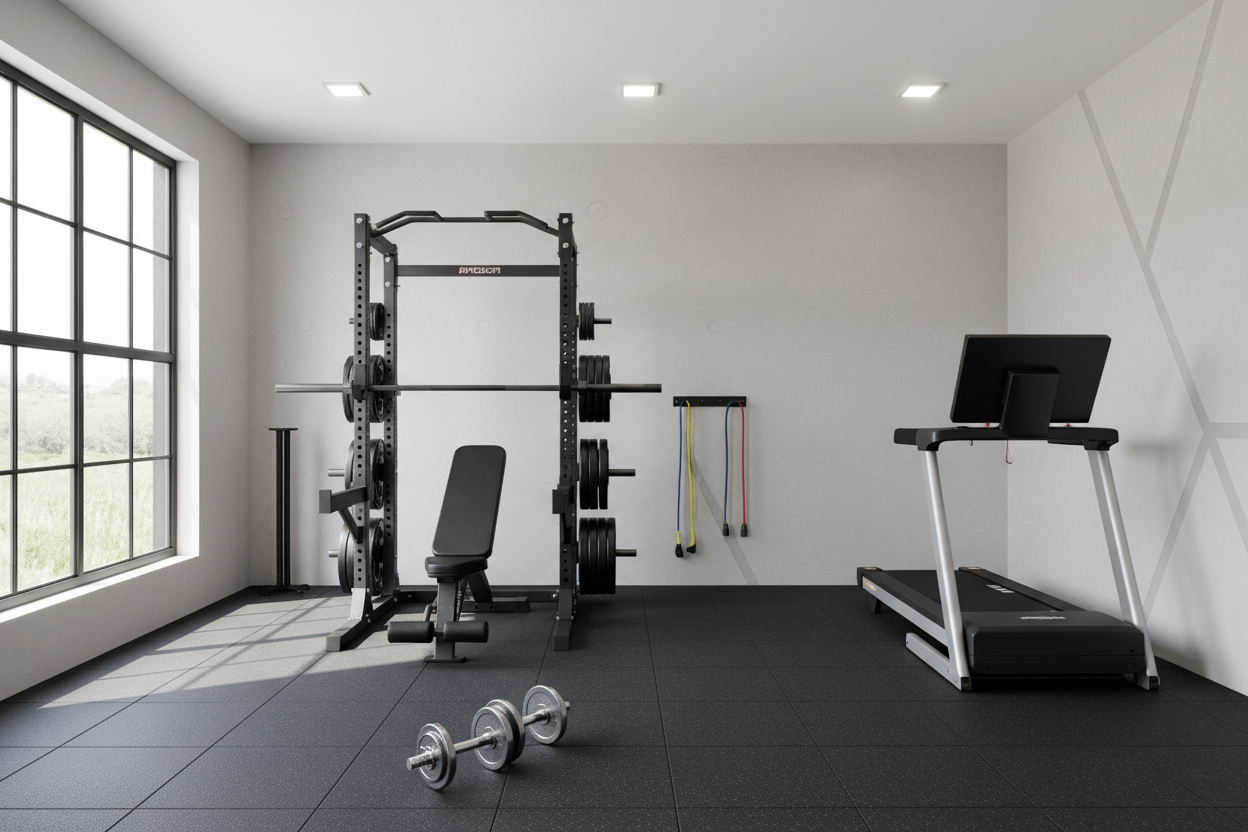
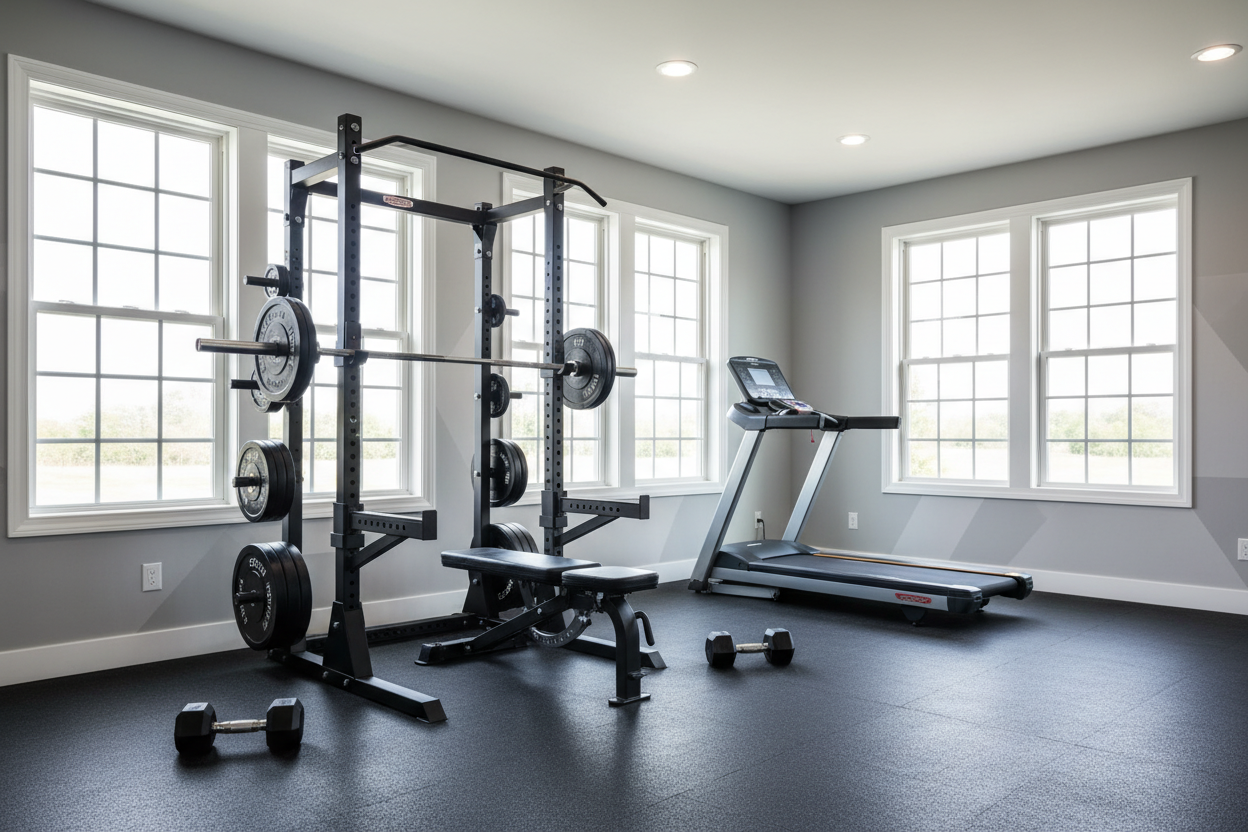
I remember staring at my $80-a-month commercial gym bill while waiting fifteen minutes for a cable crossover machine that had a frayed wire. I finally snapped, cleared out the junk in my garage, and bought a decent power bar and 300 lbs of iron. I worried I’d lose my ‘pump’ without the fancy machines, but I actually ended up bigger. The truth is, the workout routine hypertrophy requires doesn’t need twenty different cable attachments; it needs heavy-as-hell basics done with surgical precision.
Quick Takeaways
- Barbells force stabilization that machines ignore, recruiting more muscle fibers per rep.
- Mechanical tension, not variety, is the primary driver of muscle growth.
- Controlling the eccentric (lowering) phase is the fastest way to grow with limited equipment.
- A 3-day split allows for maximum recovery and high-intensity output.
Why More Equipment Doesn't Always Equal More Muscle
We’ve been conditioned to believe that a massive chest requires three different angles of cable flyes. It’s a trap. Most lifters spend 40 minutes on 'filler' exercises and only 10 minutes on the movements that actually move the needle. A barbell provides a level of mechanical tension that a machine simply cannot replicate because you are the stabilizer. When you’re under a bar, your stabilizers are screaming, and that translates to a denser, more rugged look.
The best hypertrophy program for intermediate lifters usually fails because it’s too bloated. If you’re constantly swapping attachments, you aren’t focusing on the actual load. The Best Workout Program for Building Muscle Ignores Your Spreadsheet and focuses on the raw stimulus of the barbell. You don’t need a leg press to build wheels; you need to learn how to stay under a squat bar until your legs shake.
Tempo and Tension: Making 135 Lbs Feel Like 225
Since you don't have a selectorized stack to keep the weight moving on a fixed track, you have to own the weight. This is where hypertrophy training protocols get real. If you just bounce the bar off your chest, you’re using momentum, not muscle. To make a basic hypertrophy program work in a garage, you need to master the 3-0-1-0 tempo: three seconds down, zero at the bottom, one second up, and zero at the top.
Using dead-stop pauses—especially on rows and bench presses—removes the stretch reflex. This forces your muscle fibers to work from a literal standstill. It’s the best way to train for hypertrophy without needing a 1,000-lb plate collection. A 135-lb bench press with a 3-second pause at the bottom will do more for your pec development than a 225-lb 'touch-and-go' rep that looks like a seizure.
A Sample Barbell Workout Routine Hypertrophy Template
This isn't an olympic weightlifting hypertrophy program designed for snatches; it’s a meat-and-potatoes hypertrophy muscle building program designed for the mirror and the rack. We are hitting the whole body over three non-consecutive days. This hypertrophy template focuses on high-quality sets over sheer volume. For more movement ideas, you can always check out our Workout Hub.
Day 1: Heavy Push and Squat Bias
Start with the High-Bar Back Squat for 3 sets of 8-10 reps. Focus on depth; get those hamstrings to touch your calves. Follow this with a Paused Bench Press. I want a full two-second count on your chest before you drive it up. Finish with the Overhead Press (OHP). Keep your glutes squeezed so tight you couldn't fit a needle between them to avoid lower back arching. This is the foundation of any maximum hypertrophy program.
Day 2: Deadstop Pull and Hinge Bias
Day two is about the backside. Start with Romanian Deadlifts (RDLs). Go slow on the way down until you feel a massive stretch in your hamstrings, then snap back up. Follow this with Pendlay Rows—every rep starts from the floor to kill momentum. Finish with Barbell Bicep Drag Curls. Keep the bar in contact with your torso the entire time. It’s a simple hypertrophy weightlifting program, but it’s brutal if you do it right.
Protecting Your Joints (And Your Concrete) on Heavy Leg Days
Lifting in a garage is different than a commercial gym. You’re likely on a concrete slab that has zero give. If you’re doing a hypertrophy barbell program, your joints will feel the vibration of every rep. I learned the hard way that lifting barefoot on bare concrete is a fast track to plantar fasciitis and cranky knees. You need a dedicated lifting surface that offers some shock absorption without being squishy.
I personally use a 6x8ft exercise mat yoga mat gym flooring for home workout because it’s dense enough to support a squat rack but has enough 'give' to save my shins during deadlifts. Plus, it stops your plates from clanging so loud the neighbors call the HOA. A solid base is essential for any muscle hypertrophy program where you're pushing to failure.
When to Actually Add Weight vs. When to Add Reps
The biggest mistake in a workout program for hypertrophy is chasing the weight too fast. In a strength program, 5 lbs is 5 lbs. In a hypertrophy program, 5 lbs added too early usually means your form just got 10% worse. You should only add weight when you can perform every rep of every set with the exact same tempo and a full range of motion.
If your goal is an example of hypertrophy workout success, aim to 'own' a weight for a 3x12 before you jump up. This is the most effective hypertrophy program philosophy: maximize the utility of the weight you already have. Once 200 lbs feels like a warm-up and your form is robotic, then—and only then—do you reach for the small plates.
My Personal Take
I once spent six months obsessed with 'optimal' programming, tracking every micro-adjustment on a spreadsheet. I had four different types of cable attachments and a leg extension machine that took up half my floor. My progress stalled. I sold the machine, went back to a basic hypertrophy program using just my barbell, and focused on the deep stretch of a deficit RDL and the pause of a bench press. My back width exploded. Simplicity isn't just easier; for most of us, it's more effective because there's nowhere to hide.
FAQ
Can I build a big chest with just a barbell?
Absolutely. Focus on the wide-grip paused bench press and the close-grip bench. The pause at the bottom puts the pecs under extreme tension in the stretched position, which is the primary driver for growth.
Is 3 days a week enough for hypertrophy?
Yes, provided your intensity is high. When you only train 3 days, you can push your sets closer to failure because you have 48 hours of recovery between sessions. This is how to program for hypertrophy without burning out.
Do I need a squat rack for this?
For the squats and bench presses, yes. It is the one 'big' investment you need. You can’t safely reach hypertrophy-level intensity on a back squat if you’re worried about how to dump the bar on your floor.