You Skip Delts, But Are Shoulders Important to Workout?
I spent three years in my garage gym believing the only way to fill out a t-shirt was to bench press until my sternum bruised. I was that guy who spent forty-five minutes on the flat bench and maybe, if I had time before my wife called me for dinner, I’d throw in three sets of lazy lateral raises with the chipped 15-pound dumbbells. I figured the heavy pressing took care of everything. I was wrong.
Eventually, I realized my physique looked less like an athlete and more like a caveman. My chest was thick, but my posture was trash, and my bench press had stalled at 245 lbs for nearly six months. I started asking myself: are shoulders important to workout as a priority, or just a finisher? I learned the hard way that treating your delts as an afterthought is the fastest way to hit a plateau and ruin your joints.
Quick Takeaways
- Shoulders are the 'steering wheel' of the upper body; if they are weak, your heavy lifts will fail.
- Strong delts are essential for posture, pulling the humerus back into its proper socket.
- The benefits of working out shoulders include significant injury prevention for the rotator cuff and AC joint.
- Neglecting rear delts leads to the 'rounded forward' look common in ego-benchers.
The 'Just Bench' Phase That Ruined My Posture
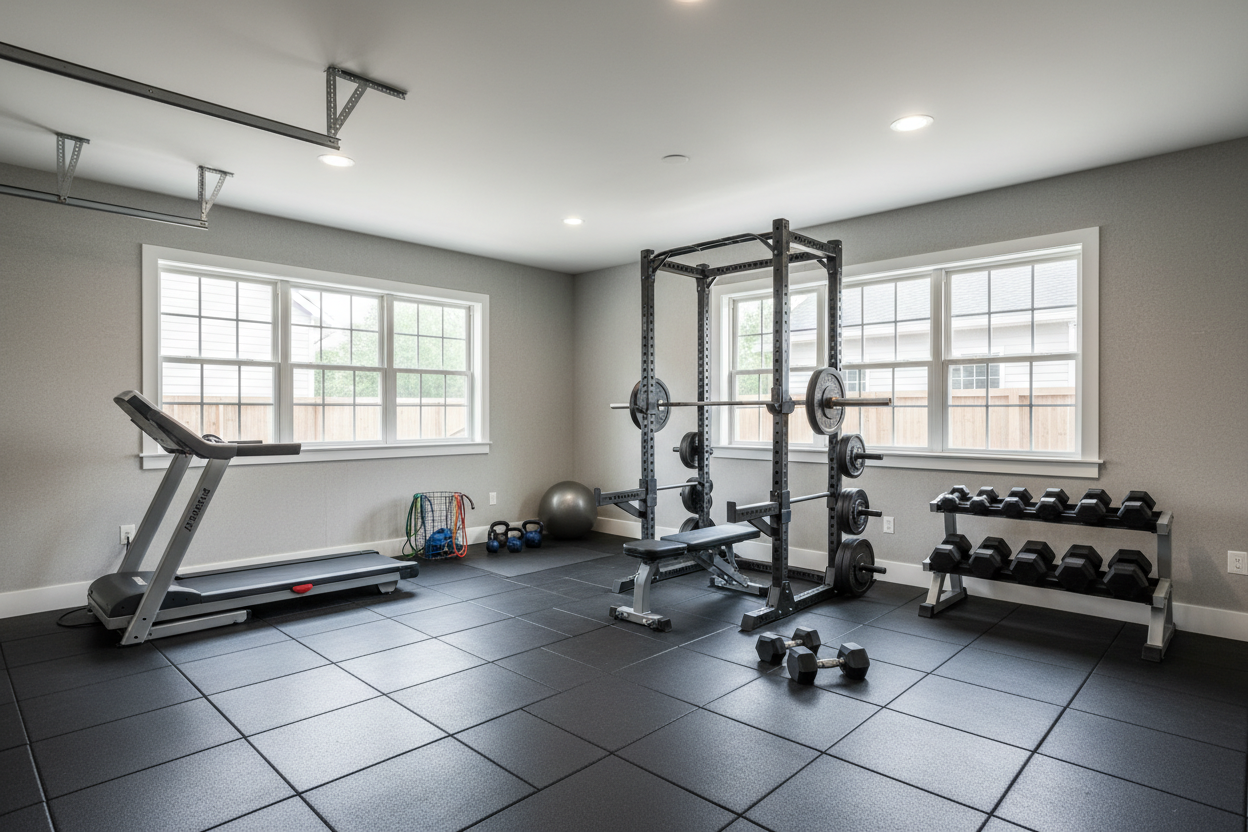
For a long time, my training philosophy was 'chest is king.' I had a 300-lb weight capacity rack and I intended to use every bit of it on the bench. I built a decent chest, and my back wasn't terrible either, but I was developing a severe rounded-forward posture. My shoulders were rolling inward because my anterior delts were overdeveloped and tight, while my medial and posterior delts were practically non-existent.
I looked powerful from the front, but from the side, I looked like I was permanently slouching. This wasn't just a cosmetic issue. My shoulders started clicking every time I reached for a plate on the top shelf. I had created a massive muscular imbalance. I was ignoring the very muscles that act as the structural anchors for the entire upper body. It took a nagging impingement in my left shoulder to make me realize that my 'chest-first' approach was actually making me weaker.
So, Are Shoulders Important to Workout? (The Hard Truth)
If you want to move heavy weight without your joints screaming at you, the answer is a resounding yes. The shoulder complex is the most mobile joint in the human body, but that mobility comes at a cost: stability. When you ask, Are Shoulders Important To Workout The Honest Truth is that they are the pivot point for every single upper body movement you perform.
Think of your shoulders like the steering wheel of a car. You can have a massive V8 engine (your chest and back), but if the steering rack is loose and vibrating, you aren't going to win any races. When your deltoids are weak, your body instinctively limits the power output of your larger muscles to prevent the joint from literally flying apart. You aren't just missing out on 'boulder shoulders'—you're leaving pounds on the bar for every other lift.
The Hidden Benefits of Working Out Shoulders
The benefits of working out shoulders go way beyond looking good in a tank top. We're talking about joint longevity. The shoulder is held together by a tiny group of muscles called the rotator cuff. If you aren't specifically targeting the deltoid heads and the supporting structures, you're asking for a labrum tear or a chronic impingement. Strong shoulders act as a shock absorber for your spine during heavy compound lifts like deadlifts and squats.
Furthermore, well-developed rear delts are the 'secret sauce' for a thick back. They fill in the gap between your traps and your lats, giving you that 3D look that separates the casual lifters from the serious ones. When those muscles are strong, they naturally pull your shoulders back, opening up your chest and instantly improving your posture without you even trying.
How Weak Delts Cap Your Bench Press
Ever wonder why your bench press stalls about four inches off your chest? It’s rarely a chest strength issue. Usually, it's your anterior and medial delts failing to provide the necessary stability to drive the weight upward. If your shoulders are weak, your elbows will flare, your path will wobble, and your triceps will have to work twice as hard to compensate. I found that once I added dedicated overhead pressing and heavy lateral raises, my bench press finally broke through that 245-lb plateau. Strong shoulders create a stable platform to push from.
Where Do Delts Actually Fit Into Your Routine?
This is where most people mess up. They either do too little or they try to smash them every single day. You can't just tack on two sets of presses at the end of a grueling chest workout and expect results. Your delts are already fatigued from the bench. I Finally Figured Out What Other Muscle Group to Workout With Shoulders by experimenting with different splits. For me, pairing them with a lighter triceps day or giving them their own dedicated 'shoulder and trap' session made the biggest difference in growth.
You need to hit all three heads: anterior (front), lateral (side), and posterior (rear). Most of us get plenty of front delt work from pressing, so the real focus should be on the lateral and posterior heads. If you aren't doing some form of lateral raise and face pull at least twice a week, you're failing your physique. Give them the volume they deserve, and they will reward you with stability and size.
Prehab and Mobility: Stop Pressing on Concrete
You can't just go from sitting at a desk for eight hours to throwing 135 lbs over your head. Shoulder health requires dedicated floor work and mobility drills. I used to skip this because it felt 'boring,' but after my first AC joint flare-up, I became a believer. I cleared out a spot in my gym and laid down a 6X4Ft Yoga Mat Exercise Mat Gym Flooring For Home Workout specifically for mobility work.
Doing band pull-aparts, cat-camels, and internal/external rotations on a proper surface makes a difference. If you're trying to do mobility drills on cold, hard concrete, you're going to rush through them. A dedicated mat gives you the space to actually focus on the movement. Treat your mobility work with the same intensity as your heavy sets, and your shoulders will thank you when you're 50.
Stop Treating Them Like an Afterthought
Don't wait for a sharp pain in your joint to start taking shoulder day seriously. Whether you want to look better, lift heavier, or just stop slouching like a teenager, your delts are the key. They are the foundation of a strong upper body. If you're ready to fix your routine and actually see progress, head over to the Workout Hub for some structured plans that don't ignore the most important joint in your body. Stop skipping delts. Your bench press—and your posture—will thank you.
FAQ
Can I train shoulders and chest on the same day?
You can, but it's not ideal if shoulders are your weakness. Your chest is a much larger muscle and will hog the central nervous system resources. If you do train them together, try alternating which one you lead with every other week.
What is the best exercise for shoulder width?
Lateral raises are the undisputed king for width. Whether you use dumbbells, cables, or bands, the goal is to target the medial delt. Keep the weight controlled; swinging 50-lb dumbbells with bad form won't do anything for your width.
Why do my shoulders click when I press?
Clicking is often a sign of tight pec minors or weak rotator cuff muscles causing the humerus to sit improperly in the socket. Focus on rear delt work and thoracic mobility to open up the joint space.