Terrified of the Rack? Exactly How to Use a Barbell on Day One
I remember the first time I walked into a real weight room. I spent twenty minutes on a dusty treadmill just because the power rack looked like a medieval torture device. I didn't want to look like an idiot who didn't know how to use a barbell, so I stayed in the 'safe' zone of machines. That was a mistake that cost me months of progress.
Learning to handle the iron isn't about being strong on day one. It's about understanding the mechanics of the equipment so you can walk up to any rack with confidence. If you've been scrolling through equipment reviews or staring at your new garage setup wondering where to start, this is for you.
- The empty 45-pound bar is your most valuable diagnostic tool.
- Safety pins are not optional; they are your insurance policy.
- Symmetry is everything—use the knurl marks to find your grip.
- Mastering the 'Big Three' (Squat, Deadlift, Press) builds a foundation for everything else.
Why the Empty Bar is Your Best Teacher
Most beginners feel like they need to slap plates on the bar immediately to justify being in the rack. Stop that. A standard Olympic barbell weighs 45 pounds (20kg), and for many, that is plenty of resistance to expose mobility issues or technique flaws.
I've seen guys who can bench 225 with terrible form struggle to move an empty bar through a full, controlled range of motion. The bar doesn't lie. Starting with zero plates allows you to focus on the path of the bar and your balance without the fear of being crushed. There is zero shame in an empty bar; there is plenty of shame in an ego-driven injury.
Anatomy of the Iron: What the Heck is Knurling?
Before you start your barbell use, you need to know what you're holding. The long middle part is the shaft. The thicker ends that spin are the sleeves. That spin is crucial—it prevents the weight's momentum from wrenching your wrists during a lift.
The 'sandpaper' texture on the shaft is the knurling. It is there for grip. You will notice smooth rings breaking up the knurling; these are your guideposts for hand placement. A 'center knurl' (texture in the very middle) is great for keeping the bar from sliding down your back during squats, but it can be a literal pain in the neck if you aren't used to it.
Step 1: Setting Up Your Rack and Safeties
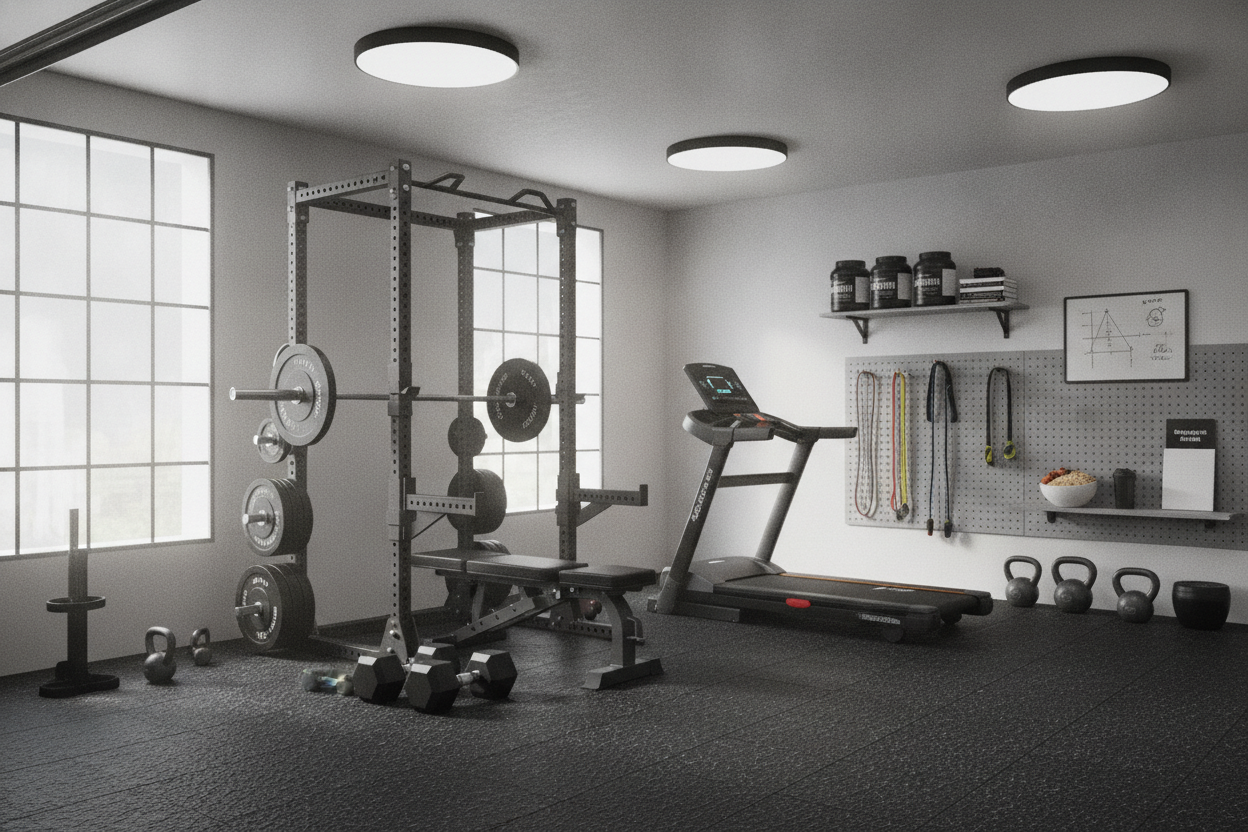
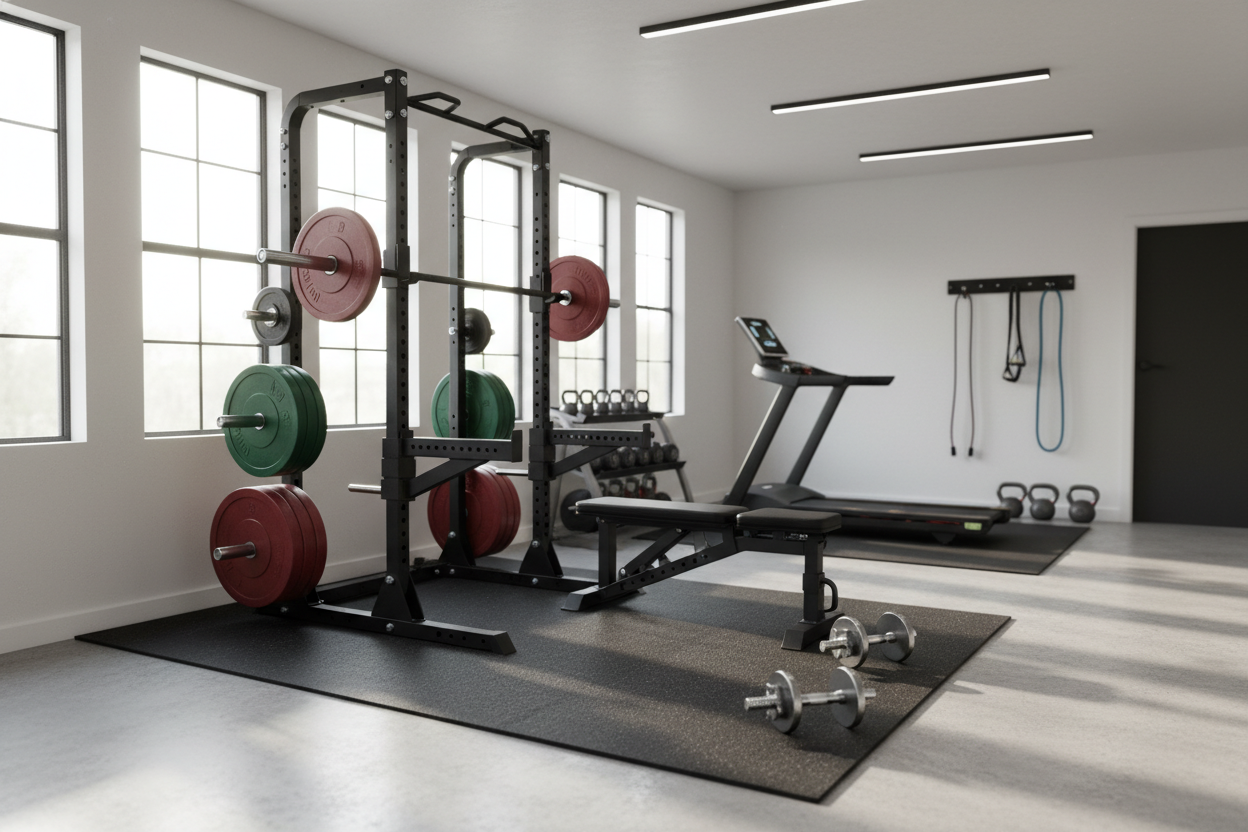
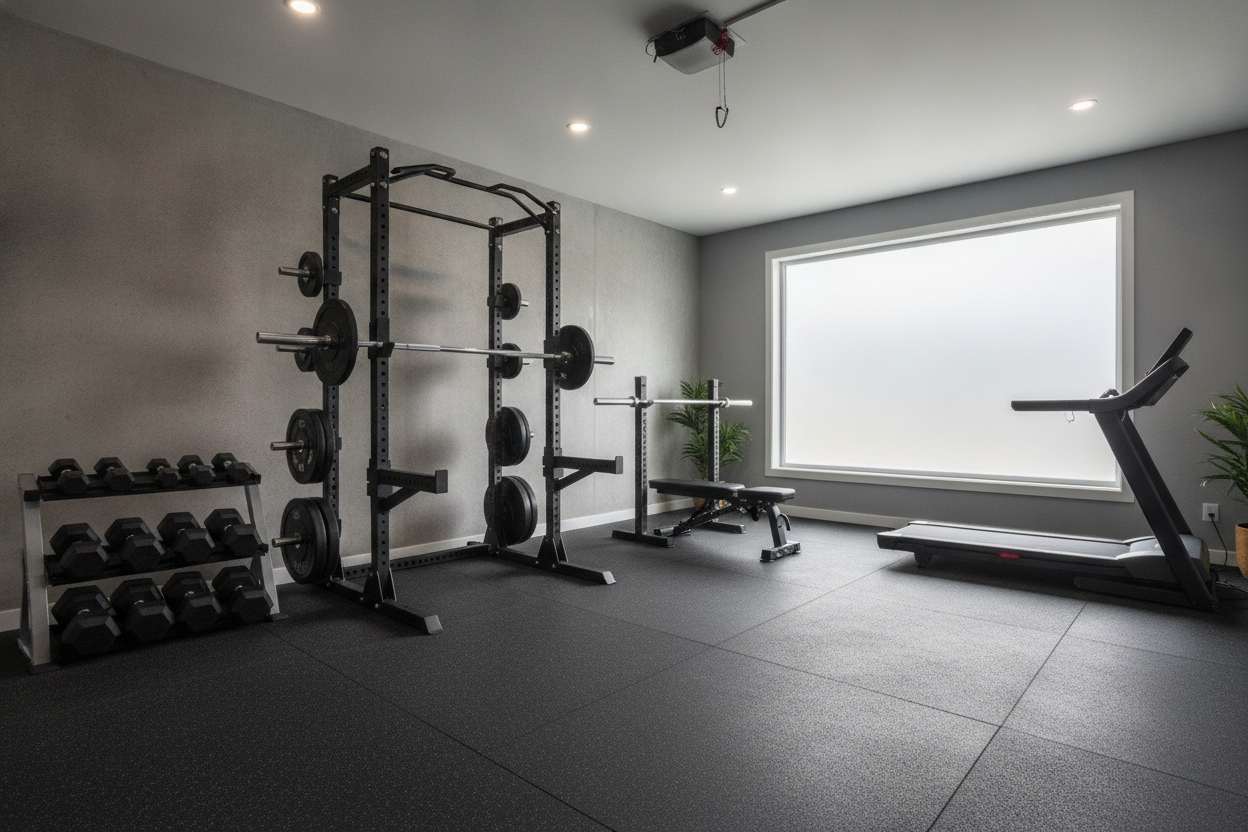
If you're lifting at home, you probably have something like the Gxmmat X6 power rack weight bench barbell package. Before the bar ever leaves the J-cups (the hooks holding the bar), you must set your safeties. These are the horizontal bars or straps designed to catch the weight if you fail.
For squats, set the safeties just below the bottom of your range of motion. For bench press, set them high enough to protect your neck but low enough that they don't interfere with the rep. Knowing how to lift barbells safely means knowing how to fail. Practice 'failing' a rep with the empty bar—literally let it drop onto the safeties—so you aren't terrified when it happens with real weight.
Step 2: Finding Your Universal Grip and Stance
Symmetry is the secret to how to barbell effectively. Never eyeball your hand placement. Use the rings (the smooth marks in the knurling) to ensure your hands are equidistant from the center. For most people, a 'thumb's length from the smooth' is a solid starting point for the bench or overhead press.
Once your hands are set, brace your core like someone is about to punch you in the gut. This 'bracing' creates a rigid pillar, transferring force from your legs through your torso and into the bar. If you're loose, you're weak. Tighten everything before you even unrack the weight.
Step 3: The First Three Movements to Master
Don't overcomplicate your how to start barbell training phase. Stick to the foundational movements. Start with the back squat. It is the king of all exercises, and once you master the mechanics, you can build massive legs with just a barbell without needing a dozen different machines.
Next is the deadlift—picking weight up off the floor with a flat back. Finally, the overhead press. These three movements cover almost every muscle in your body. Spend your first four weeks doing nothing but these three exercises with the empty bar or very light plates until the movement feels like second nature.
Don't Forget the Collars (And Other Unspoken Rules)
Never lift without collars. Those spring clips or aluminum clamps are essential strength training accessories that keep the plates from sliding off if the bar tilts. If one plate slides off, the bar will violently flip toward the heavy side. It is dangerous and makes you look like a total amateur.
Also, clear your space. Don't leave dumbbells or water bottles in the 'drop zone' of the rack. Respect the equipment, wipe down the bar if you're a heavy sweater, and always put your plates away. The gym is a shared space; don't be the person who leaves a 45-lb plate for the next beginner to struggle with.
FAQ
Is every barbell 45 pounds?
Most standard 'Olympic' bars are 45 lbs (20kg). However, some 'women's' bars are 35 lbs (15kg) and have a thinner diameter. Always check the end cap of the sleeve; the weight is usually stamped there.
Should I use gloves to protect my hands?
Honestly? No. Gloves interfere with your ability to feel the bar and can actually make your grip less secure. Your hands will get callused, and that is a good thing. It is your body's natural armor.
What if I can't lift the 45-pound bar yet?
Don't sweat it. Use a set of dumbbells or a lighter 'fixed-weight' barbell (the ones that aren't in a rack) until you build the baseline strength. Everyone starts somewhere.