Stop Eating Like a Bird: How to Get Bulky Muscle
I spent three years stuck at 170 pounds because I was terrified of losing my bottom two abs. I was eating 'clean'—dry chicken, steamed broccoli, and enough brown rice to feed a small village. I looked fit, sure, but I didn't look big. If you want to know how to get bulky muscle, you have to accept that your six-pack might go into hibernation for a few months while you actually build something worth showing off.
- Caloric Surplus: You cannot build a house without extra bricks; you need 300-500 calories over maintenance.
- Compound Priority: Focus on squats, deadlifts, and presses rather than cable flyes.
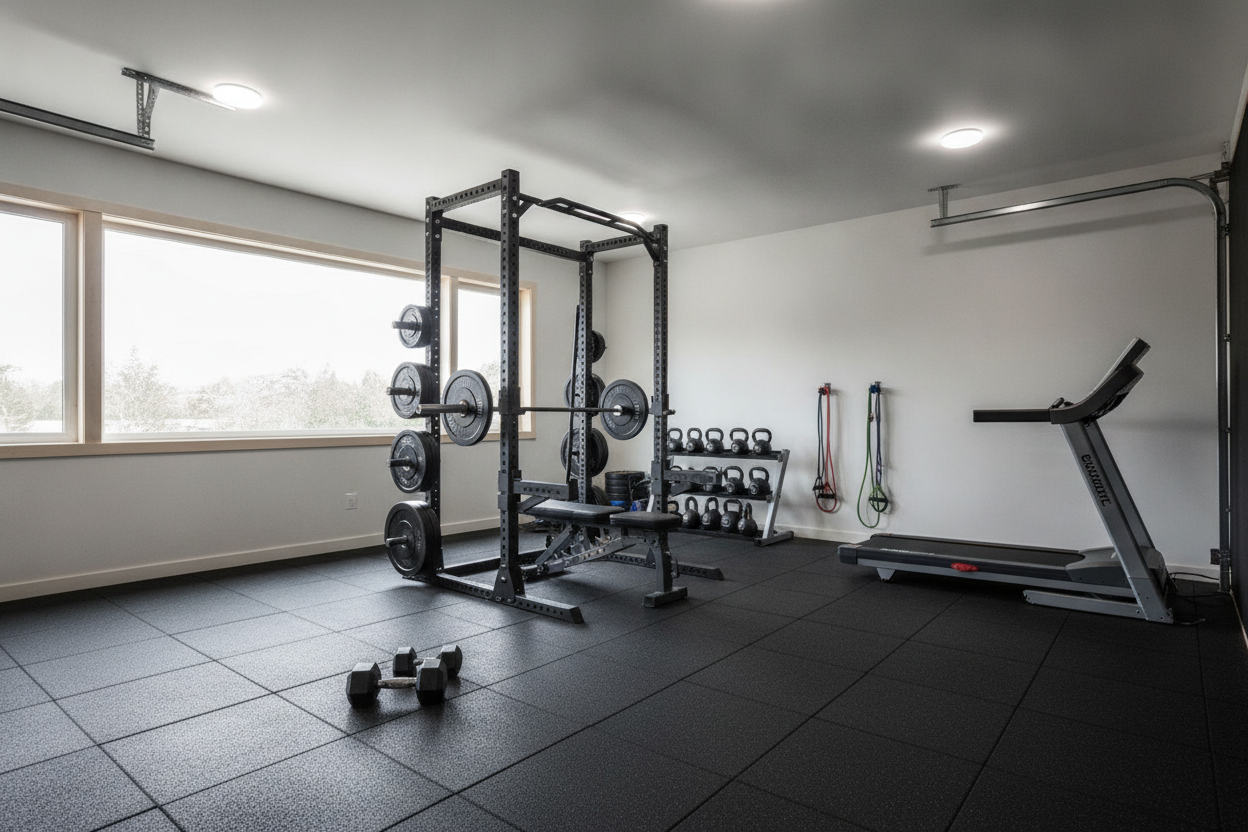
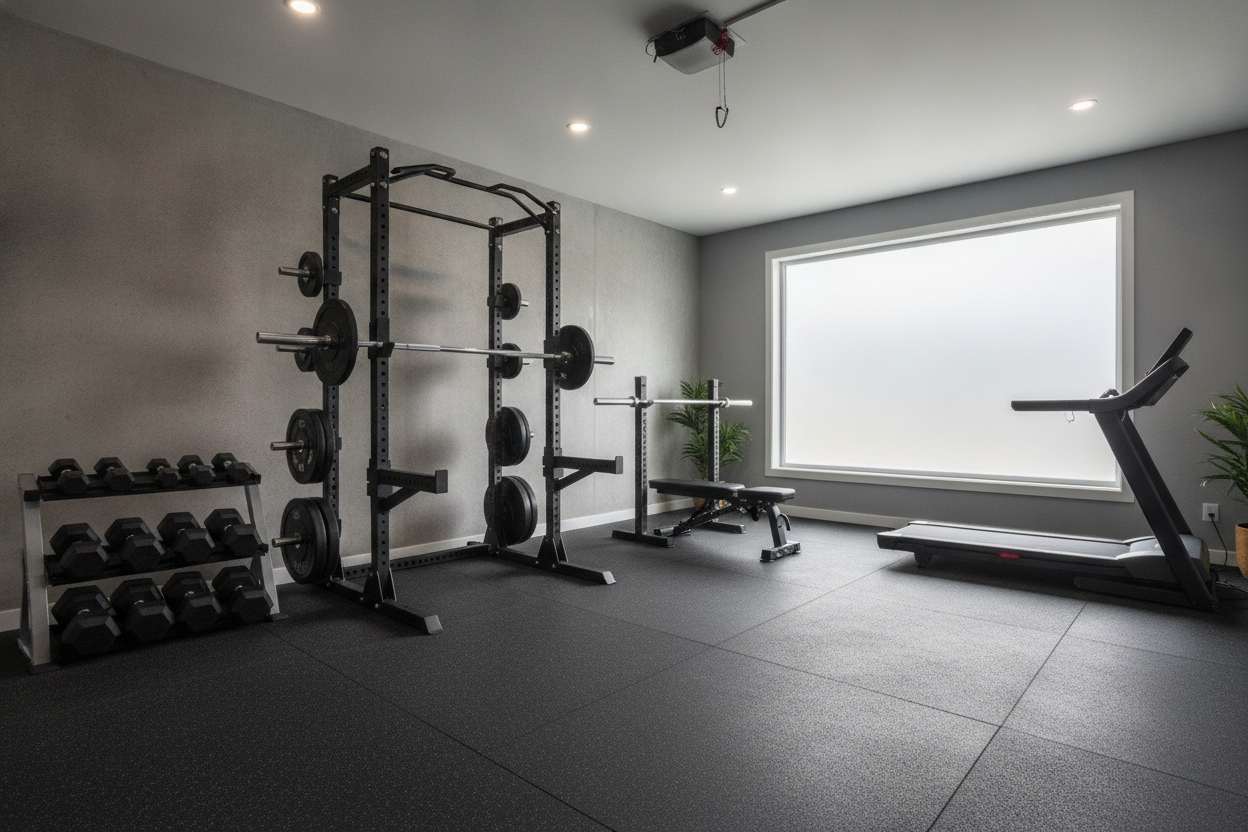
- Foundation Matters: Use high-density flooring to ensure stability during max-effort lifts.
- Recovery: Bulk up muscle by sleeping 8 hours; growth happens in bed, not the squat rack.
- Density: Prioritize calorie-dense foods to hit your targets without feeling bloated 24/7.
Why Your Six-Pack Obsession Keeps You Small
Most guys in home gyms are spinning their wheels because they’re playing a biological game of tug-of-war. You want to look like a Greek god in July, but you also want to know how to bulk up muscle mass for the winter. The reality is that staying at 10% body fat while trying to bulk up muscle is nearly impossible for anyone not using 'extra-curricular' assistance.
When you stay too lean, your hormone levels often dip, and your strength plateaus. I see it all the time: lifters hitting the same 225-lb squat for two years because they’re afraid of a little soft tissue around the midsection. If you want to see real muscle bulk, you have to embrace the 'fluff.' That extra weight provides the leverage and hormonal environment needed to move the heavy iron that actually triggers hypertrophy.
The Unsexy Math of Gaining Muscle Bulk
So, how do you bulk muscle without just turning into a human marshmallow? It’s not about eating everything in sight; it’s about a controlled, strategic surplus. To figure out how to gain muscle bulk, start by finding your maintenance calories and adding 15%. For most 180-lb guys, this means hitting around 3,000 to 3,200 calories a day.
If you're asking 'how do you bulk up muscle without gaining 20 lbs of fat?', the answer is in the protein. Aim for at least 1 gram of protein per pound of body weight. The rest of your calories should come from carbs to fuel your sessions and fats to keep your testosterone healthy. If you want to know how bulk up muscle without the guess work, track your scale weight weekly. If you're gaining more than 1 lb a week, you're likely just getting fat, not bulky.
Stop Fearing the 'Dirty' Calories
There is a limit to how much chicken breast a human can chew before they want to quit. When you are trying to figure out how to bulk up muscles, liquid calories and fats are your best friends. I’m talking about whole milk, nut butters, and ribeye steaks. These are calorie-dense tools that make hitting a 3,500-calorie goal actually possible.
It’s much easier to learn how to bulk up with muscle when you aren't trying to get all your carbs from sweet potatoes. White rice, pasta, and even the occasional bagel provide the glycogen your muscles need to look full and perform under a heavy bar. Don't turn it into a 'dirty bulk' where you eat pizza for every meal, but don't be afraid of the calorie density found in red meat and full-fat dairy.
How to Lift for Sheer Size at Home
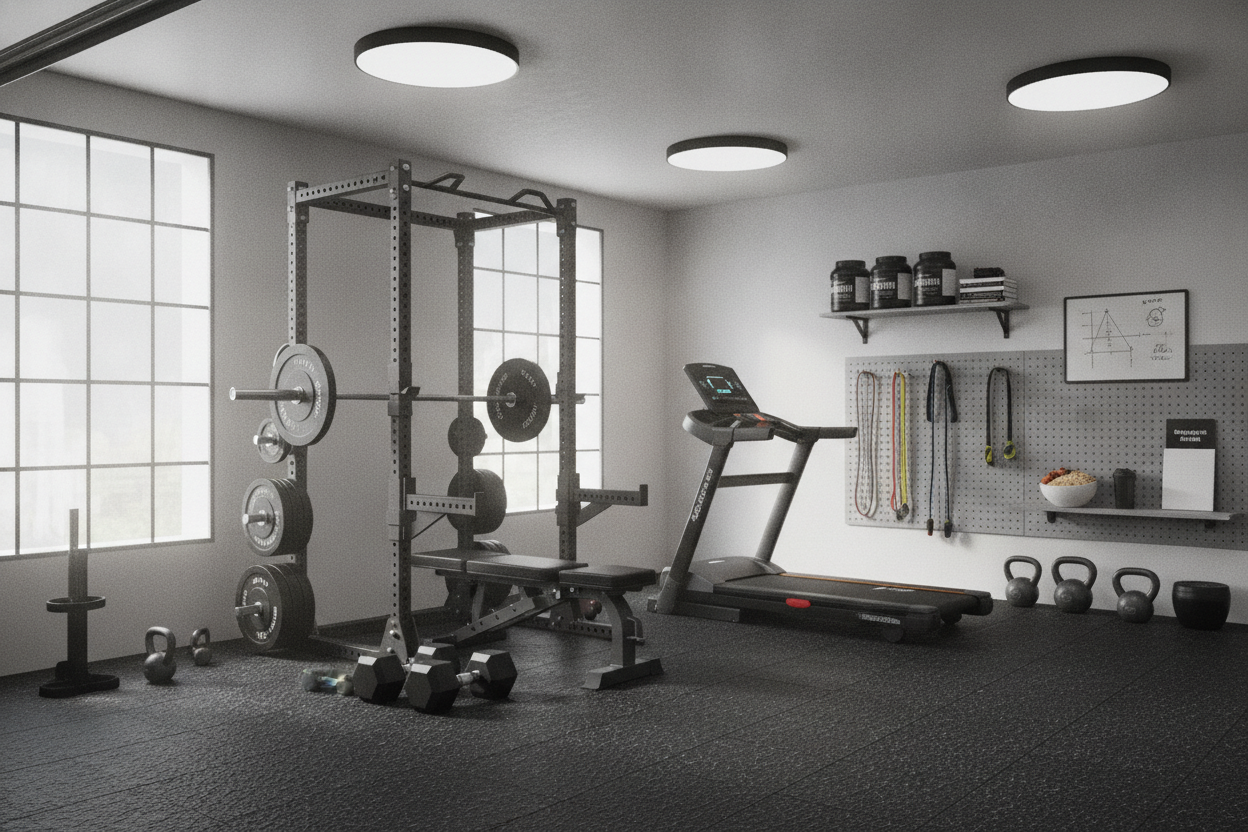
Mechanical tension is the primary driver of growth. To understand how to bulk muscles, you have to understand that your body needs a reason to grow. That reason is a 400-lb bar on your back. In a garage gym, this means you need equipment that doesn't wobble or slide when you're pushing your limits.
I’ve seen guys try to pull heavy triples on a slippery concrete floor in socks, and it’s a disaster waiting to happen. You need upgraded exercise mats extra wide to create a high-traction, high-density surface. A solid floor allows you to drive through your heels without the mat compressing or sliding, which is essential for the heavy compound movements that build real mass.
What to Do When You Run Out of Iron
The biggest hurdle for home lifters is often the equipment ceiling. You bought a 300-lb set, you got strong, and now you’re wondering how to gain bulk muscle mass when you’ve run out of plates. You don't necessarily need to buy a whole new rack immediately. You can manipulate leverage and tempo to keep the stimulus high.
If you've maxed out your bench, you can actually gain muscle mass on the floor by switching to floor presses. The reduced range of motion removes the leg drive and chest bounce, forcing your triceps and pecs to do all the work from a dead stop. It’s a brutal way to keep growing when your iron supply is limited, making 225 lbs feel like 315 lbs.
My Hardgainer Lie
For years, I told everyone I was a 'hardgainer.' I blamed my genetics for my skinny calves and narrow shoulders. The truth? I was just a 'hard-eater.' I finally committed to a six-month block where I stopped caring about my waistline and focused entirely on the numbers in my logbook. I gained 22 lbs. About 12 of that was pure muscle, and yeah, I lost my abs. But when I eventually leaned back down, I actually had a physique worth looking at. My mistake was staying in the 'middle ground' for too long—too afraid to get fat, too small to be noticed.
FAQ
How fast can I realistically gain muscle?
For a natural lifter, 0.5 to 1.5 lbs of total body weight per month is a solid target. Anything faster is usually just body fat.
Do I need supplements to get bulky?
No. Creatine and whey are helpful for convenience, but they won't replace a 500-calorie surplus and heavy squats.
Should I do cardio while bulking?
Yes. Keep it low impact. A 20-minute walk helps with digestion and heart health without burning off the calories you need for growth.