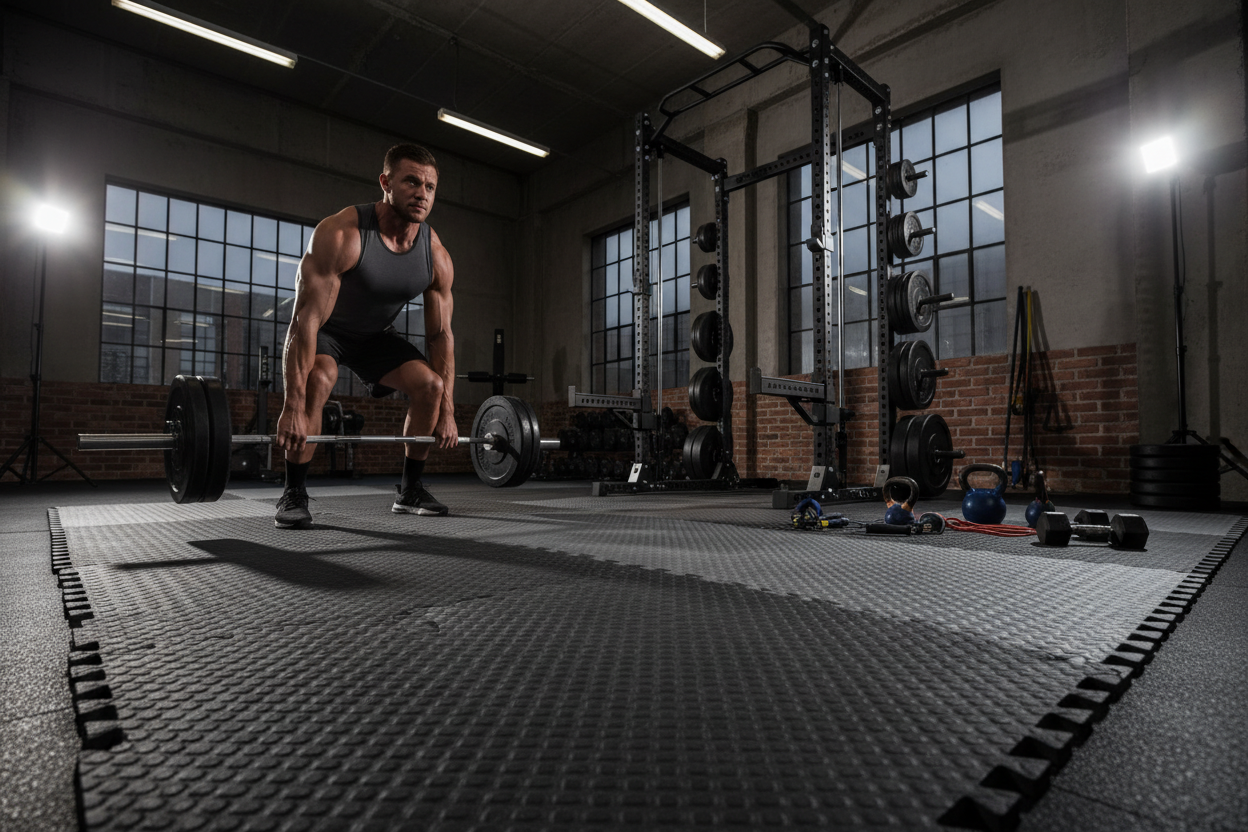
Stop Wasting Reps: The Science Behind The Best Leg Toning Exercises
Let’s clear the air immediately. If you are doing hundreds of unweighted leg lifts hoping for definition, you are likely wasting your time. The concept of "toning" is often misunderstood in the fitness industry. It isn't a magical state between building muscle and losing weight; it is simply having enough muscle mass to show shape while maintaining a low enough body fat percentage to see that definition.
To actually change the shape of your lower body, you need resistance. You need to challenge the muscle fibers, not just exhaust them with endless cardio. In this guide, we are going to look at the mechanics, the movements, and the programming required to get results using the best leg toning exercises available.
Key Takeaways: Quick Summary
If you are looking for the fast track to defined legs, here is the core strategy you need to follow:
- Prioritize Compound Lifts: Multi-joint movements like squats and lunges recruit more muscle fibers and burn more calories than isolation machines.
- Use Progressive Overload: You must gradually increase weight or reps. "Toning" requires building lean muscle tissue, which only happens under tension.
- Don't Fear Heavy Weights: Lifting heavy will not make you "bulky" without a massive calorie surplus; it will make your legs tighter and firmer.
- Mind the Eccentric Phase: Slowing down the lowering part of an exercise is often the best exercise to tone legs and thighs effectively.
- Nutrition is 50% of the Equation: You cannot out-train a diet that doesn't support fat loss and muscle repair.
The Anatomy of a Toned Leg
Before we touch a dumbbell, you need to understand what we are targeting. "Toning" requires hitting the quadriceps (front of the thigh), the hamstrings (back of the thigh), the glutes, and the calves.
Many people focus solely on the quads (think standard squats), leaving the hamstrings neglected. This creates an imbalance that not only looks less aesthetic but opens you up to knee injuries. A truly sculpted leg looks athletic from all angles, not just the front.
The "Big Three" Movements for Definition
Forget the adductor machine for a moment. If you want results, you need high-ROI (Return on Investment) movements.
1. The Goblet Squat
This is superior to the back squat for most general fitness enthusiasts. By holding the weight in front of your chest, you force your core to engage and keep your torso upright. This shifts the load heavily onto the quads and glutes.
The Fix: deeply inhale before you descend. As you lower yourself, imagine you are trying to spread the floor apart with your feet. This engages the glutes immediately.
2. The Romanian Deadlift (RDL)
When looking for the best exercise to tone legs and thighs—specifically the back of the legs—the RDL is king. Unlike a standard deadlift, you keep your legs relatively straight (soft bend in the knees) and hinge at the hips.
This creates a massive stretch in the hamstrings. That stretch under load is where the muscle tissue micro-tears occur, leading to repair and stronger, firmer muscles.
3. The Bulgarian Split Squat
This is the movement everyone loves to hate, but it is non-negotiable. It isolates one leg at a time, fixing strength imbalances. Because it requires balance, it recruits smaller stabilizing muscles that standard squats miss.
Common Mistakes That Kill Progress
Ignoring Tempo
Bouncing out of the bottom of a squat uses momentum, not muscle. If you want toned legs, you need to control the weight. Try a 3-1-1 tempo: 3 seconds down, 1-second pause at the bottom, 1 second up.
The "High Rep" Myth
Doing 50 reps with a 5lb weight is effectively cardio. It builds endurance, not shape. To get that sculpted look, you should be working in the 8–12 rep range where the last two reps feel significantly difficult to complete with good form.
My Training Log: Real Talk on Leg Day
I want to be transparent about what these workouts actually feel like because Instagram reels make it look too easy. I’ve been incorporating Bulgarian Split Squats into my routine for years, and they never get "easy."
Just last week, during my third set, I wasn't thinking about "sculpting." I was focused entirely on the specific wobble in my left ankle—my weaker side. There is a very distinct burn that happens right in the VMO (that teardrop muscle above the knee) when you refuse to rush the rep.
The reality of effective leg training isn't a cute glow; it's that moment where you have to sit on the bench for 90 seconds between sets because your legs feel like jelly. I recall the specific feeling of the dumbbell knurling digging into my palms during RDLs, fighting the urge to let my grip slip before my hamstrings gave out. If you aren't feeling that specific, grit-your-teeth discomfort, you probably aren't lifting heavy enough to change the shape of the muscle.
Conclusion
Building defined legs is a process of patience and resistance. It requires you to step away from the comfortable machines and move heavy weights with control. Focus on the compound lifts, eat enough protein to support recovery, and don't shy away from the struggle of the last few reps. That is where the change happens.
Frequently Asked Questions
How often should I do leg toning exercises?
For most people, training legs twice a week is the sweet spot. This allows enough volume to stimulate muscle growth while providing 48–72 hours of rest for recovery. Training them every day usually leads to overtraining and diminished results.
Will lifting heavy weights make my legs bulky?
No. "Bulk" comes from a significant calorie surplus combined with high-volume training and high testosterone levels. For most naturals, lifting heavy builds density and firmness (tone), not excessive size. It actually helps raise your metabolic rate.
Can I tone my legs with just bodyweight?
You can start with bodyweight, but your body adapts quickly. To continue seeing changes (progressive overload), you eventually need to add external resistance like dumbbells, kettlebells, or bands. Without added load, progress will plateau.