Stop Treating Your Garage Gym Like a Strength Wiki
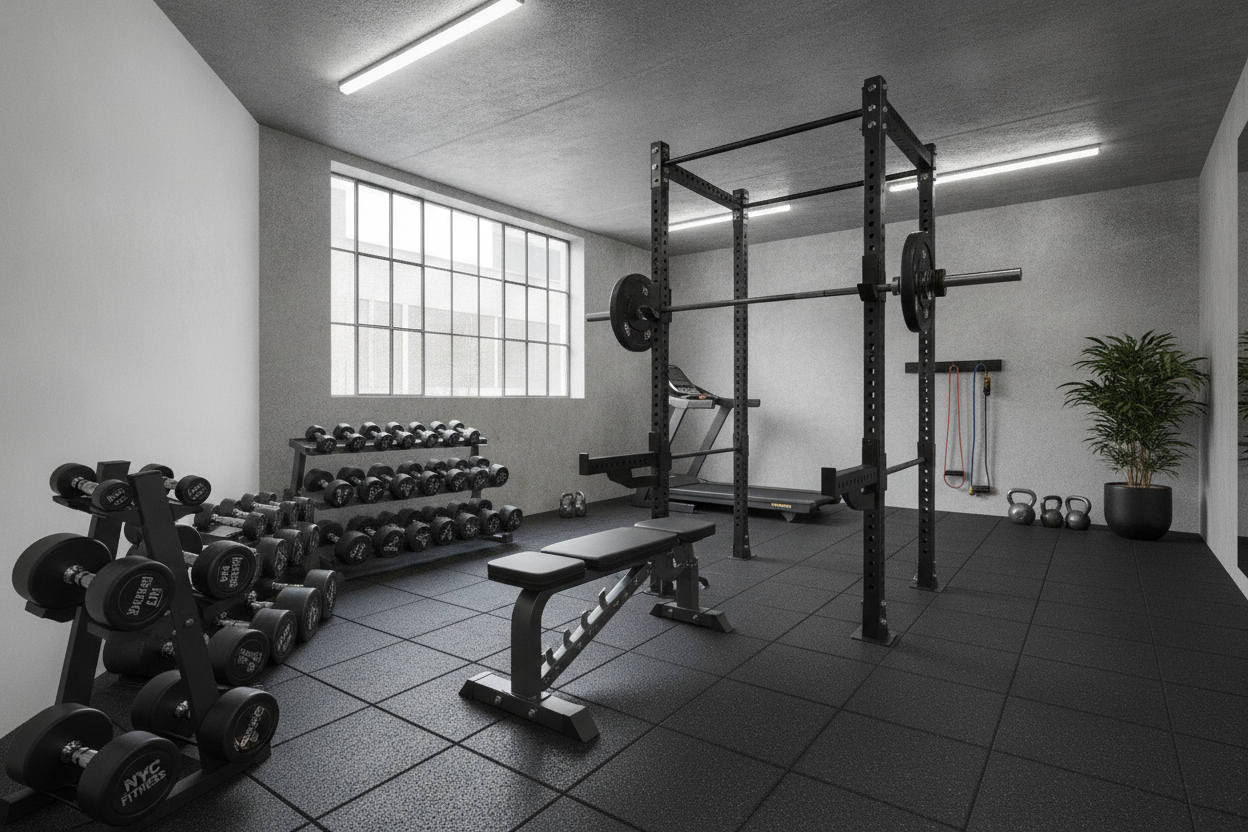
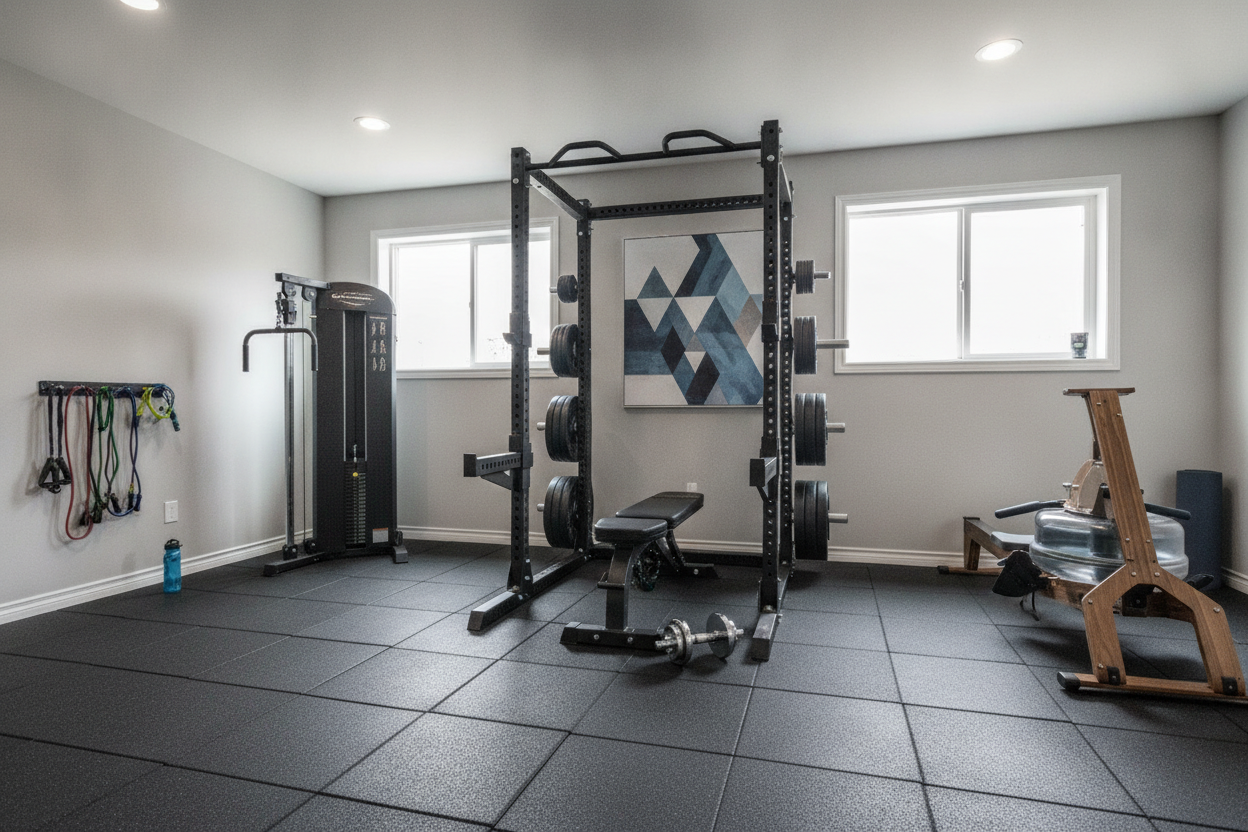
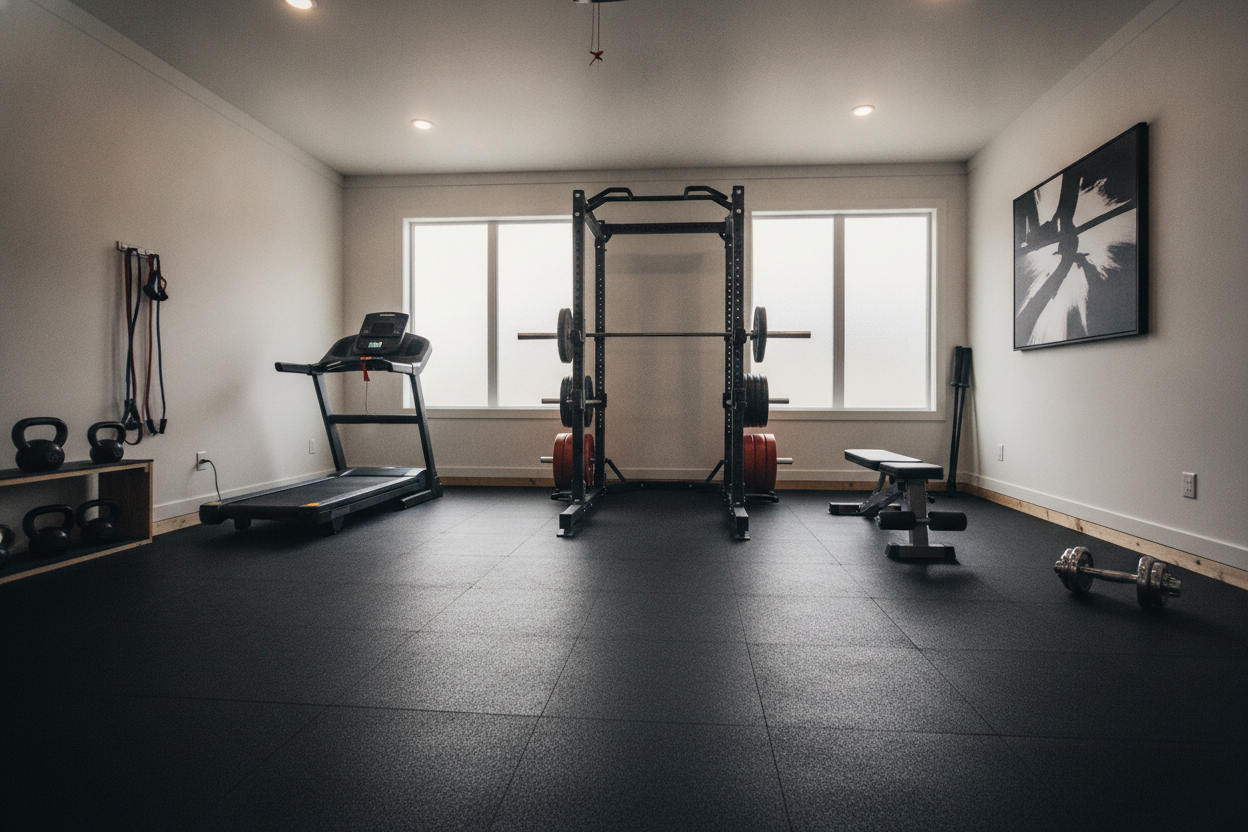
I’ve been there. It’s 11:30 PM, you’re sitting in a folding chair in your garage surrounded by iron, and instead of hitting your accessories, you’re four levels deep into a strength wiki. You’re trying to figure out if Bulgarian Split Squats are 'optimal' for your specific femur length while your barbell literally gathers dust. You’ve got forty tabs open, three different spreadsheets, and exactly zero sweat on your brow.
- Analysis paralysis is the biggest gains-killer in the home gym community.
- Soviet-era protocols were designed for athletes on 'supplements' with full-time recovery teams.
- Consistency in a hot, cramped garage beats a perfect program you can't finish.
- Stop tracking every minor detail and focus on the big three metrics that actually move the needle.
The Paralysis of the Modern Fitness Database
We live in an era where every obscure Soviet weightlifting protocol and modern powerlifting cycle is indexed on some strength wikipedia or another. It’s a double-edged sword. On one hand, you have access to the same methods used by world-class athletes. On the other hand, you aren't a world-class athlete with a team of massage therapists and a state-sponsored kitchen. You’re a person with a job, maybe some kids, and a 20-kg bar that might be a little bent from that one time you dropped it wrong.
When you treat your training like a research project, you stop being an athlete and start being a librarian. I see guys spend three weeks 'optimizing' their block periodization before they’ve even spent a month consistently hitting a basic 5x5. The sheer volume of information available makes it feel like if you aren't doing the absolute most 'scientific' thing, you're wasting your time. Spoiler: you aren't. The guy doing basic linear progression on a rusty rack is going to out-lift the guy reading about RPE-based autoregulation every single time.
Why Perfect Programming Doesn't Exist in the Real World
A spreadsheet doesn't know that your garage is 95 degrees with 80% humidity today. It doesn't know you stayed up until 2 AM finishing a report or that your lower back is cranky because you spent the weekend gardening. This is where the strength wiki approach fails. These databases provide rigid structures that look beautiful on a monitor but crumble when they meet the reality of a home gym environment.
I’ve tried running high-volume Sheiko cycles in a garage with no AC. By the third hour of the session, I wasn't 'building strength'; I was just trying not to faint on my platform. Theoretical perfection is the enemy of actual progress. If your program requires you to be in the gym for two hours and you only have forty-five minutes, that 'perfect' program is actually garbage. You need a system that is robust enough to handle your life, not a fragile set of percentages that makes you feel like a failure if you have to skip an accessory lift.
Stop Overthinking Your Conditioning Days
Conditioning is where the over-researching really gets ridiculous. People start looking up energy system models and trying to calculate their exact lactate threshold before they’ve even broken a sweat. You don't need a lab coat to get in shape. You need to move fast, get your heart rate up, and stay there for a while. If you spend more time looking at heart rate zone charts than you do actually breathing hard, you're doing it wrong.
Forget the complex science for a second and just do the work. If you need a solid session that hits everything without requiring a degree in physiology, try this 60 min fat killer HIIT strength workout. It’s straightforward, it’s intense, and it doesn't require you to consult a database to understand the 'why.' Sometimes the best conditioning is just the stuff that makes you want to quit halfway through.
The Only Three Metrics You Actually Need to Track
If you want to get strong, stop tracking thirty different variables. You don't need a database of every accessory lift you've done since 2018. Strip it down to the basics. First, track the weight on the bar for your primary movements. If that number is going up over months (not days), you’re winning. Second, track your total reps at a specific intensity. This is your volume. If you can do more reps with 315 lbs this month than you did last month, you’re bigger and stronger.
Third, track your frequency. How many times did you actually show up and move the iron? This is the most underrated metric in any strength wiki. You can have the best program in the world, but if you only hit it twice a week because it’s too complicated or exhausting, it’s a bad program. I’d rather see a guy hit a 'sub-optimal' routine four days a week with 100% consistency than a 'perfect' one twice a week because he’s too burnt out to face the garage.
Building a Personal System That Actually Works
The goal is to build a system that is repeatable. Start with a skeleton: two or three big compound movements, a few accessories you actually enjoy, and some form of movement that makes you huff and puff. Don't look for the 'best' routine; look for the one you can see yourself doing in six months when the novelty has worn off and the garage is freezing cold.
I once spent four months trying to run a Smolov squat cycle because a strength wiki told me it was the 'gold standard' for leg growth. I ended up with a 10-lb PR and a hip impingement that took six months to heal. It was a classic mistake of choosing a 'proven' database program over common sense. Now, I plug in variety when I need it. If I'm bored or need a break from the heavy barbell, I’ll throw in a 50 min Tabata and Pilates workout just to keep the engine running and the core stable. It’s not about following an encyclopedia; it’s about staying in the game.
FAQ
Is it bad to research different programs?
Researching is fine, but it becomes a problem when it replaces training. Use the databases for inspiration, then pick one and stick to it for at least twelve weeks without changing a single thing.
How do I know if my program is too complicated?
If you have to check your phone or a spreadsheet more than once every ten minutes to figure out what comes next, it’s too complicated. A good garage gym routine should be simple enough to write on a piece of masking tape and stick to the wall.
Should I follow Soviet weightlifting cycles?
Only if you are a competitive weightlifter with high-end recovery. For the average person in a home gym, those cycles often lead to burnout and injury because they assume a level of recovery most of us don't have.