Stop Switching Workouts: The Boring Truth of What Helps Build Muscle
I have been there—it is 11 PM, you are three weeks into a new program, and you are already scrolling through forums looking for a different one because your bench press did not jump 20 pounds overnight. I have spent thousands on gear and wasted years chasing the 'perfect' routine, only to realize that what helps build muscle isn't a secret exercise or a fancy new machine. It is the willingness to be bored to tears by the same five lifts for months on end.
- Consistency over novelty is the only way to trigger real adaptation.
- Progressive overload requires tracking every single rep and pound.
- Stability in your lifting environment prevents neurological 'brakes.'
- Time under tension can overcome a lack of heavy equipment.
The Muscle Confusion Myth is Keeping You Small
The fitness industry is obsessed with 'muscle confusion.' They want you to believe that if you do the same workout twice, your body somehow figures it out and stops growing. That is total nonsense. If you want to know how to grow your muscles, you need to understand that your body only adapts when it is forced to deal with a specific, repeated stressor. When you jump from a powerlifting split to a kettlebell circuit every three weeks, you never stay in the adaptation phase long enough to see results.
I have tested dozens of programs in my garage, from high-volume German Volume Training to low-frequency heavy hitters. The guys with the most impressive physiques are not the ones doing 'creative' variations they saw on Instagram. They are the ones who have been doing the same boring squat, hinge, push, and pull movements for a decade. Every time you switch routines, you reset the learning curve. You spend three weeks just getting efficient at the movement instead of actually challenging the muscle tissue.
Why Being Bored is Actually the Goal
The harsh reality of how to make your muscles bigger is that it requires a level of repetition most people find intolerable. Real progress is found in the margins. It is about adding a 2.5-lb fractional plate to the bar or grinding out one extra rep with the same weight you used last Tuesday. If you swap your barbell row for a seated cable row just because you are 'bored,' you lose the ability to track that incremental progress accurately.
In my own training, I have found that a 12-week block is the absolute minimum to see if something is working. I use a basic notebook to track every set. If I am not beating my previous performance, I do not change the exercise—I check my sleep and my protein intake. The goal is to become so efficient at a movement that every ounce of effort goes directly into the muscle fibers rather than just trying to balance the weight.
Master Your Foundation Before Changing the Movement
I have seen guys ditch a squat program because they hit a plateau, but when I look at their setup, they are lifting on a slippery, uneven floor or using shoes with zero stability. Your central nervous system is smart; if it feels like you are unstable, it will not allow your muscles to fire at 100% capacity to protect your joints. This is why a solid foundation is non-negotiable for heavy compound lifts.
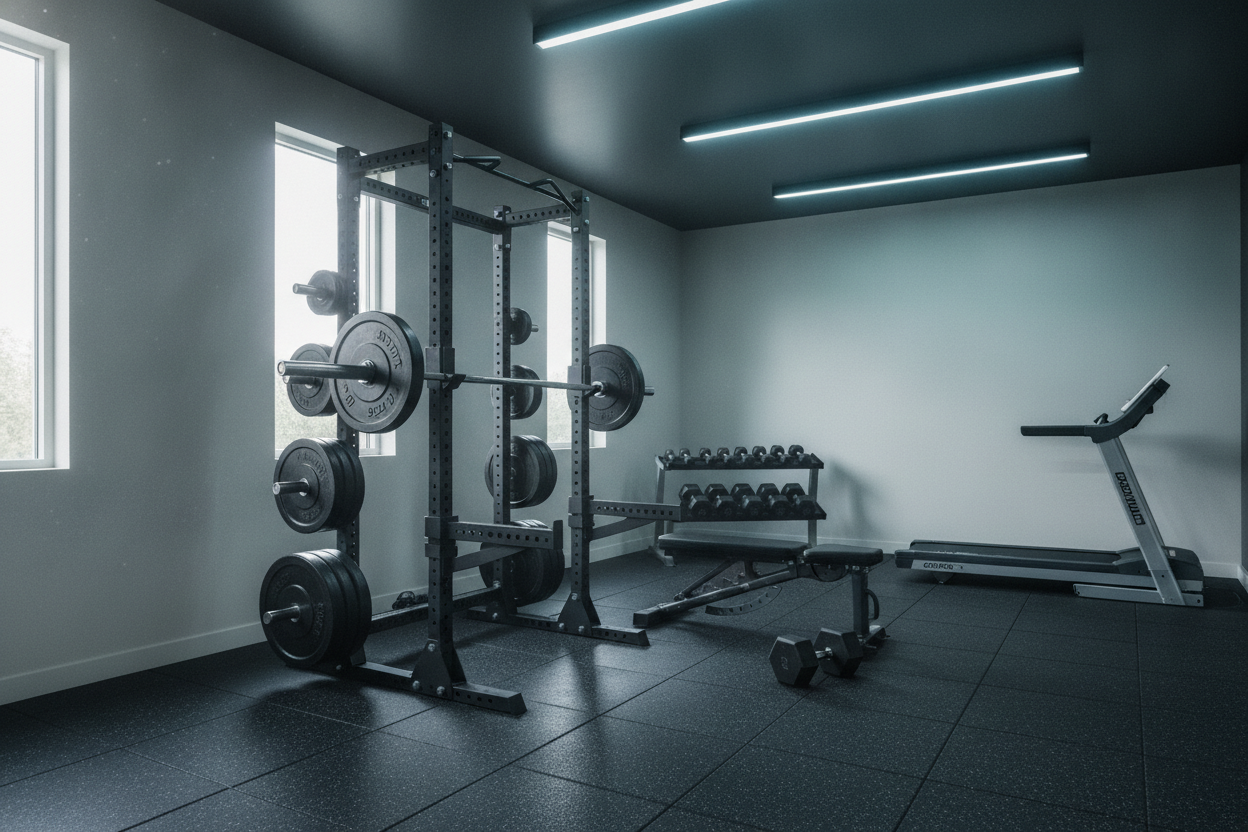
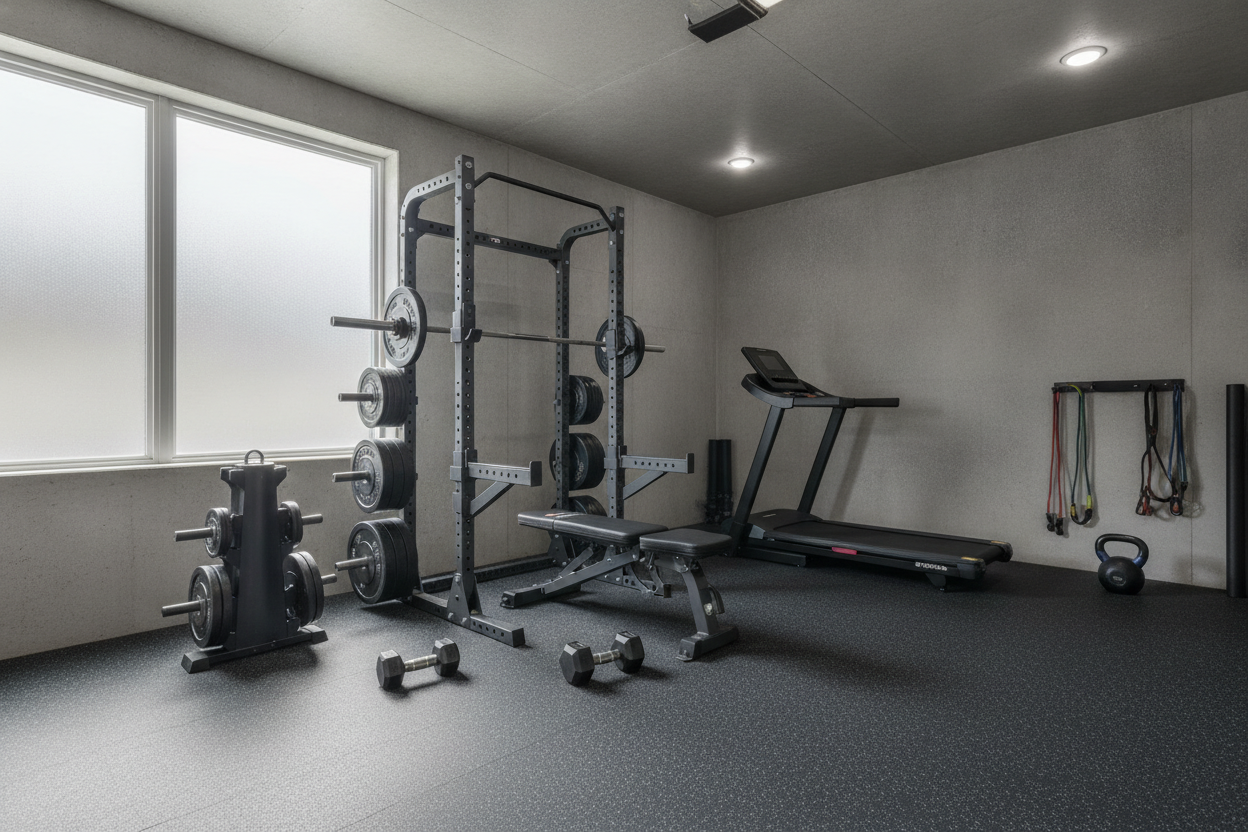
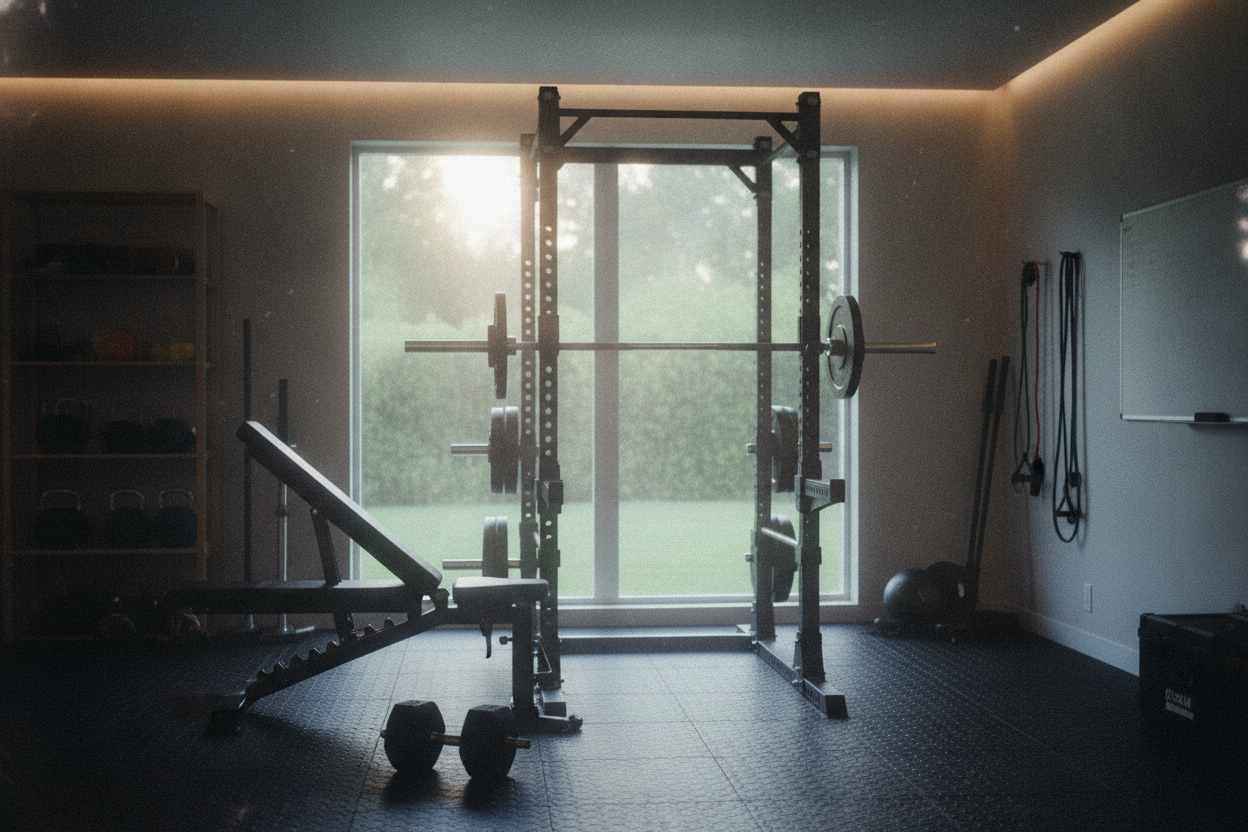
Before you blame your program for a lack of gains, look at your environment. If you are training at home, you need to upgrade to a large exercise mat that provides enough grip for your feet to stay glued to the floor. I have used thin, cheap foam mats that slide around during lunges, and it is a recipe for an injury or a stalled lift. A 7x10 foot space with a high-density surface changes the entire feel of a heavy set.
You Don't Always Need More Iron to Progress
Sometimes you cannot just keep adding plates, especially if you are working with a limited home setup. If you have reached the limit of your adjustable dumbbells, you can still learn how to make muscles grow by manipulating other variables. Slowing down the eccentric (the lowering portion) of a lift to a four-second count can make a 50-lb weight feel like 80-lb in terms of muscle fiber recruitment.
You can effectively grow muscles without heavy weights by increasing your time under tension or reducing rest intervals. I once spent a summer with nothing but a pull-up bar and a single 24kg kettlebell. By focusing on paused reps and high-frequency training, I actually maintained more mass than when I had access to a full commercial gym. If you are stuck in a small apartment, you can still build real muscle in your living room as long as you refuse to accept 'easy' reps. Mechanical tension is the driver, not just the number on the side of the plate.
The 12-Week Commitment (No Tweaks Allowed)
Here is my challenge to you: pick five basic movements—a squat, a hinge, a vertical press, a horizontal press, and a row. Do them three times a week. Do not change the order. Do not add 'finisher' sets you saw on YouTube. Do not swap the barbell for dumbbells because the rack was busy. Track every single set in a physical notebook and commit to this for 90 days.
This is how to make muscles grow. It is not flashy, and it definitely will not get you many likes on social media. But after three months of relentless, boring consistency, you will look in the mirror and realize that the 'magic' was just the work you were too impatient to do before. Stop looking for the exit strategy and start looking for the next 2.5-lb jump.
Personal Experience: My Program Hopping Failure
A few years back, I got obsessed with 'optimized' training. I was changing my rep ranges every week and swapping exercises every time I felt a slight ache. My spreadsheet looked like a NASA flight plan, but my physique looked like I had never touched a weight. I finally got fed up and did nothing but the 'Big Three' and pull-ups for six months. I didn't miss a single session. I didn't change a single lift. I put on 12 pounds of actual muscle and finally understood that the program matters far less than the person following it.
FAQ
How long does it take to see muscle growth?
Expect to see mirrors changes in 4-6 weeks, but real, noticeable hypertrophy that others will comment on usually takes 12-16 weeks of consistent progressive overload.
Should I train to failure every set?
No. Leave 1-2 reps in the tank on your main lifts so you don't fry your nervous system. Save the total failure for your last set of isolation work.
What is the best exercise for building mass?
The one you can perform safely with the most weight and the best range of motion. For most, that is a variation of the squat or the deadlift.