Stop Chasing the Burn If You Actually Want Bigger Muscles
I spent my first two years in a garage gym doing exactly what the fitness influencers told me to do. I was doing 20-rep sets of lateral raises, finishing every session with a 'burn' that felt like my shoulders were on fire, and leaving the gym in a pool of sweat. I felt like a warrior, but when I looked in the mirror, I looked exactly the same. If you want bigger muscles, you have to stop confusing 'being tired' with 'getting bigger.'
Quick Takeaways
- Mechanical tension is the primary driver of muscle growth, not just 'feeling the burn.'
- Progressive overload requires lifting heavier weights over time, not just doing more reps of the same light weight.
- A stable floor and solid equipment are safety requirements for lifting heavy enough to grow.
- Compound movements (squats, presses, rows) provide the best ROI for total body mass.
- Track your lifts in a notebook; if the numbers aren't going up, your muscles aren't either.
The 'Burn' Is a Liar (Why Sweating Doesn't Equal Growth)
That burning sensation you feel during a high-rep circuit? That’s metabolic stress. It’s essentially your muscles screaming because they are accumulating waste products like lactic acid and running low on oxygen. While it plays a small role in how to growth muscle, it is far from the most important factor. You can get a massive 'burn' by doing 100 air squats, but that won't give you the legs of a pro bodybuilder.
Hypertrophy—the actual thickening of muscle fibers—is mostly driven by mechanical tension. This happens when you force a muscle to produce force while it’s being stretched under a significant load. If you’re wondering how do you get muscles that actually fill out a t-shirt, you need to stop prioritizing the sweat and start prioritizing the weight on the bar. Finishing a workout exhausted just means you’re good at cardio; it doesn't mean you've triggered the biological signals needed to build massive muscles.
The Big Secret to Growth: Mechanical Tension
To understand how can i get bigger muscles, you have to understand that your body is lazy. It doesn't want to build expensive muscle tissue unless it absolutely has to. You force its hand by lifting heavy. When you move a weight that is 70-85% of your maximum, you create high levels of mechanical tension that literally tell your DNA to start synthesizing more protein.
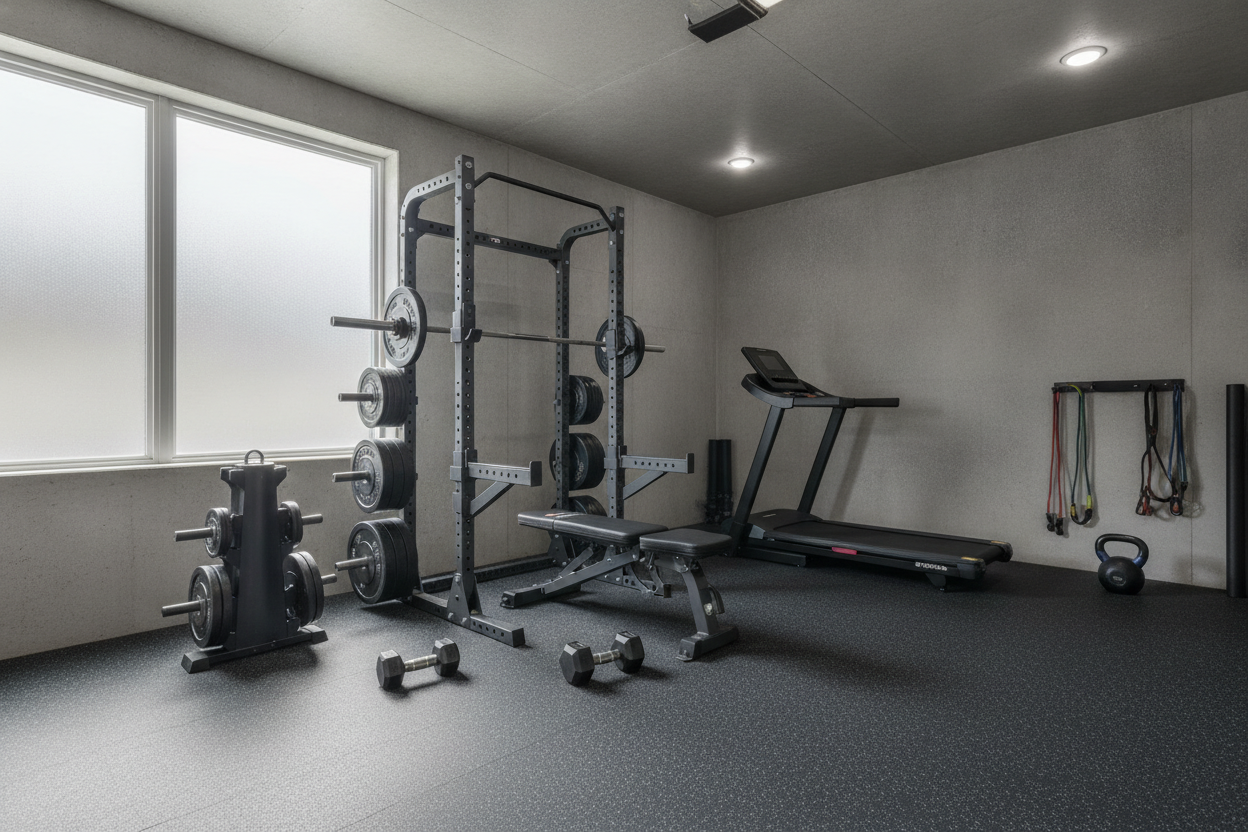
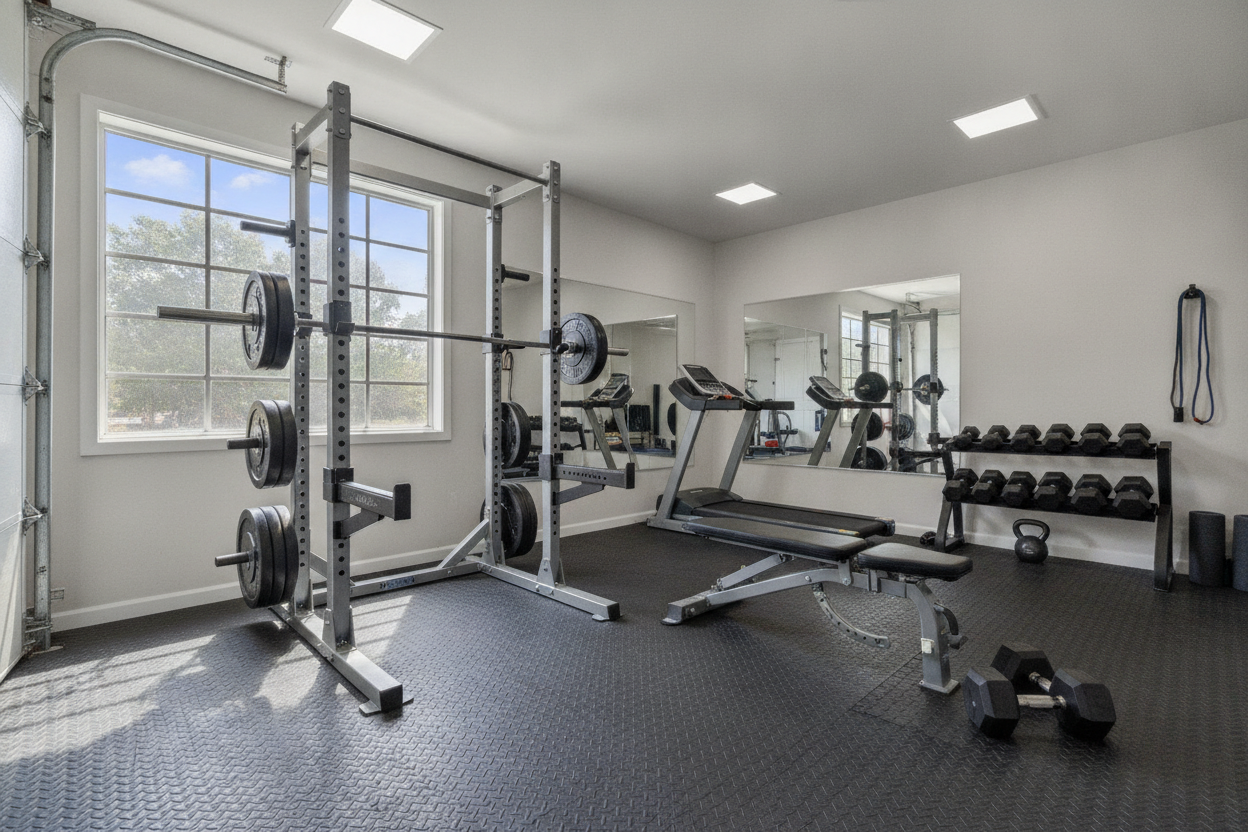
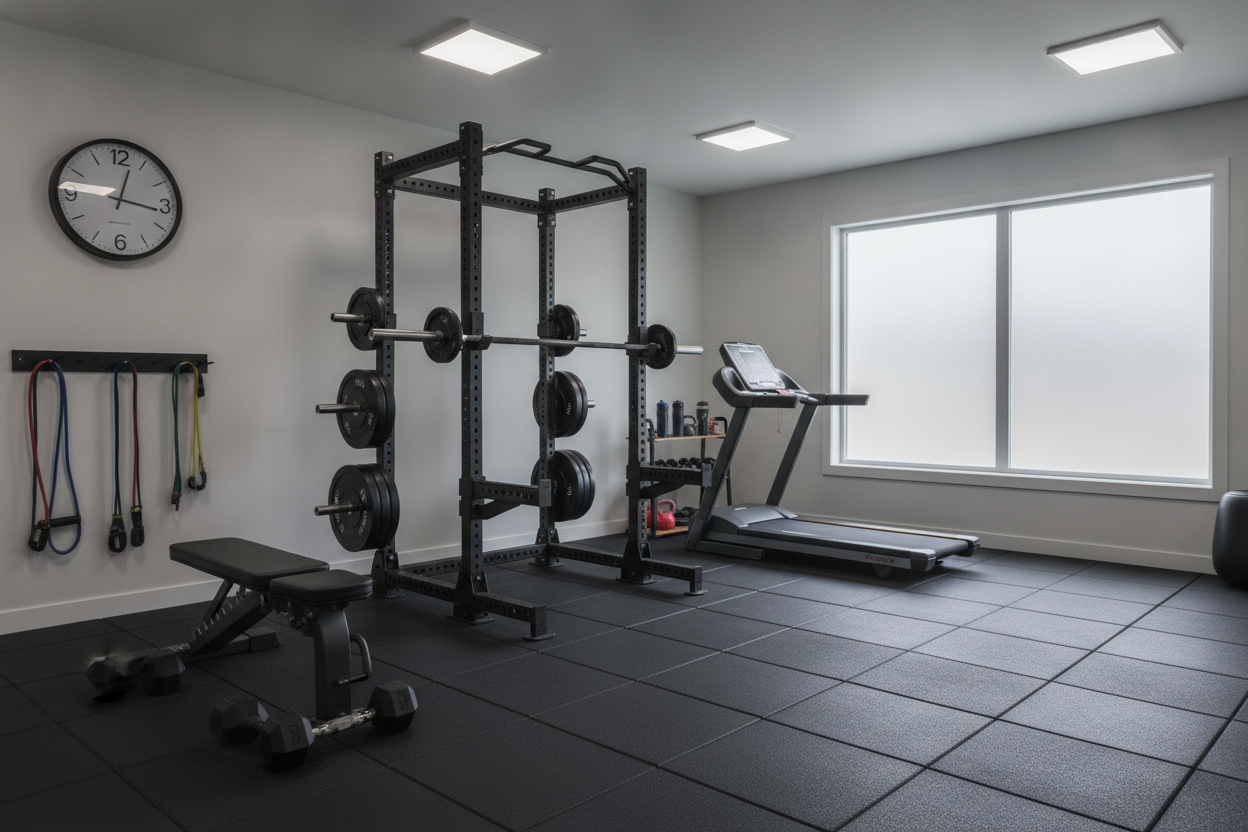
This is why you eventually have to stop doing push-ups and air squats. Bodyweight exercises are great for the first month, but once you can do 20 reps easily, the tension drops. To keep growing, you need to upgrade to a real weight set and bench. Having the ability to add 5 or 10 pounds to the bar every few weeks is the most reliable way how to gain big muscle mass over the long haul. Without a way to increase the load, your growth will hit a wall faster than a cheap treadmill.
Why Your Current Floor Might Be Holding You Back
I learned this the hard way when I tried to max out my deadlift on a piece of leftover carpet. My foot slipped half an inch mid-pull, and I spent the next three weeks on a heating pad. If you want to know how to get big and muscular, you need to be able to push your limits safely. You can't exert 100% force if your feet are sliding or the floor is uneven.
A high-quality large exercise mat provides the friction and stability you need for heavy compound lifts. When you're trying to figure out how to get bigger in muscle, you shouldn't be thinking about your footing; you should be thinking about the weight. A stable base allows you to drive through the floor on squats and deadlifts, which is essential for forcing those fibers to grow.
How to Actually Train for Size in Your Garage
Forget the 30-rep sets. If you want to know how to build huge muscles, stay in the 5 to 10 rep range for your heavy compound movements. This is the 'sweet spot' where you can use enough weight to create high tension while still getting enough volume to trigger growth. You should be reaching failure—or very close to it—by the end of that 10th rep.
If you can do 12 reps with a weight, it’s time to go heavier. This is how to grow huge muscles: you consistently demand more from them. Don't worry about being 'bulky' or 'stiff.' That's a myth. Focus on getting stronger in that moderate rep range, and the size will follow. This is the most practical framework for how to make bigger muscles without spending four hours a day in your garage.
Stop Ignoring Your Lower Half
I see it all the time in home gyms: a massive power rack used only for benching and curls. If you want to know how do you build bigger muscles across your entire frame, you cannot skip leg day. Heavy squats and lunges create a systemic hormonal environment that encourages growth everywhere. Plus, nothing looks weirder than a massive chest supported by bird legs.
If you're struggling with space or don't know where to start with your legs, you need a plan that works for a home setup. You can build serious leg muscle at home using just a few key movements, provided you push the intensity. Heavy Bulgarian split squats and RDLs will do more for your total mass than a dozen sets of bicep curls ever will.
Pushing Your Upper Body Past the Plateau
When it comes to the upper body, people get distracted by 'shaping' exercises. Cable flyes and tricep kickbacks have their place, but they shouldn't be the meat of your workout. If you want to know how to build a big chest, you need to master the heavy press. Whether it's with a barbell or heavy dumbbells, the goal is progressive overload on the movements that allow you to move the most weight.
Don't just add more sets; add more weight. That is how to grow big muscle. I used to think I needed a different chest exercise every week to 'confuse' the muscle. I was wrong. I needed to do the same three presses for a year and add 50 pounds to my working sets. That’s how you get a big muscle to actually show up.
The Unsexy Metric You Need to Start Tracking Today
The biggest mistake I ever made was training by 'feel.' Some days I felt great and lifted heavy; other days I felt lazy and did light 'pump' work. My body never changed. The day I bought a $5 notebook and started writing down every set and rep was the day I actually started growing bigger muscles.
If you want to know how to become more muscular, you have to be a scientist about your progress. If you benched 185 for 8 reps last week, you need to aim for 185 for 9 or 190 for 8 this week. It’s boring, it’s unsexy, and it’s the only thing that works. Stop measuring success by how sore you are. Start measuring it by the numbers in your logbook.
FAQ
How many days a week should I train for muscle growth?
For most people in a home gym, 3 to 5 days is the sweet spot. You need at least 48 hours of rest between hitting the same muscle group to allow for actual tissue repair and growth.
Can I get big muscles with just dumbbells?
Yes, but you'll eventually need heavy ones. If your dumbbells only go up to 25 lbs, you'll hit a ceiling quickly. To keep growing, you need enough resistance to stay in that 5-10 rep failure range.
Do I need to eat a lot to get bigger?
You can't build a house without bricks. To grow, you need a slight caloric surplus and about 0.8 to 1 gram of protein per pound of body weight. Training hard without eating enough is just a fast way to get skinny and tired.