Stop Stretching: Try These Exercises for Shoulder Instability
I remember the first time my shoulder clicked out of place during a 225-lb bench press. It didn't exactly scream in pain, but it felt like my humerus had briefly decided to take a vacation from its socket. If you’ve spent years chasing exercises for shoulder instability, you’ve probably been told to 'just stretch it out.' That is the absolute worst advice you can follow.
Quick Takeaways
- Stretching a loose joint makes the instability worse, not better.
- The floor is your best friend for providing tactile feedback and safety.
- Rotator cuff 'firing' is more important than raw strength for stability.
- Landmine presses are the gold standard for overhead training with loose joints.
Why Does My Shoulder Feel Like It's Going to Pop Out?
Most lifters confuse 'tightness' with a lack of mobility. In reality, your brain often makes a muscle feel tight because the joint underneath is sloppy. It’s a protective mechanism. When you have a loose shoulder joint, the ligaments aren't doing their job of keeping the ball centered in the socket.
A subluxation happens when that ball slides partially out—usually forward. This is where exercises for anterior shoulder instability come into play. If your humerus glides too far forward, you lose leverage and risk tearing your labrum. You don't need 'more range'; you need the ability to own the range you already have.
The Biggest Mistake: Stop Stretching a Loose Joint
If you feel a 'pinch' in the front of your shoulder, your instinct is to grab a doorway and lean into a deep pec stretch. Stop. You are likely just cranking on the joint capsule, making it even more lax. These are the primary shoulder instability exercises to avoid.
Dead hangs from a pull-up bar are another culprit. While great for some, if your shoulder is unstable, hanging your full body weight creates a massive distraction force that pulls the joint apart. We want to compress the joint and wake up the stabilizers, not elongate the tissue further.
Floor-Based Movements to Tighten the Capsule
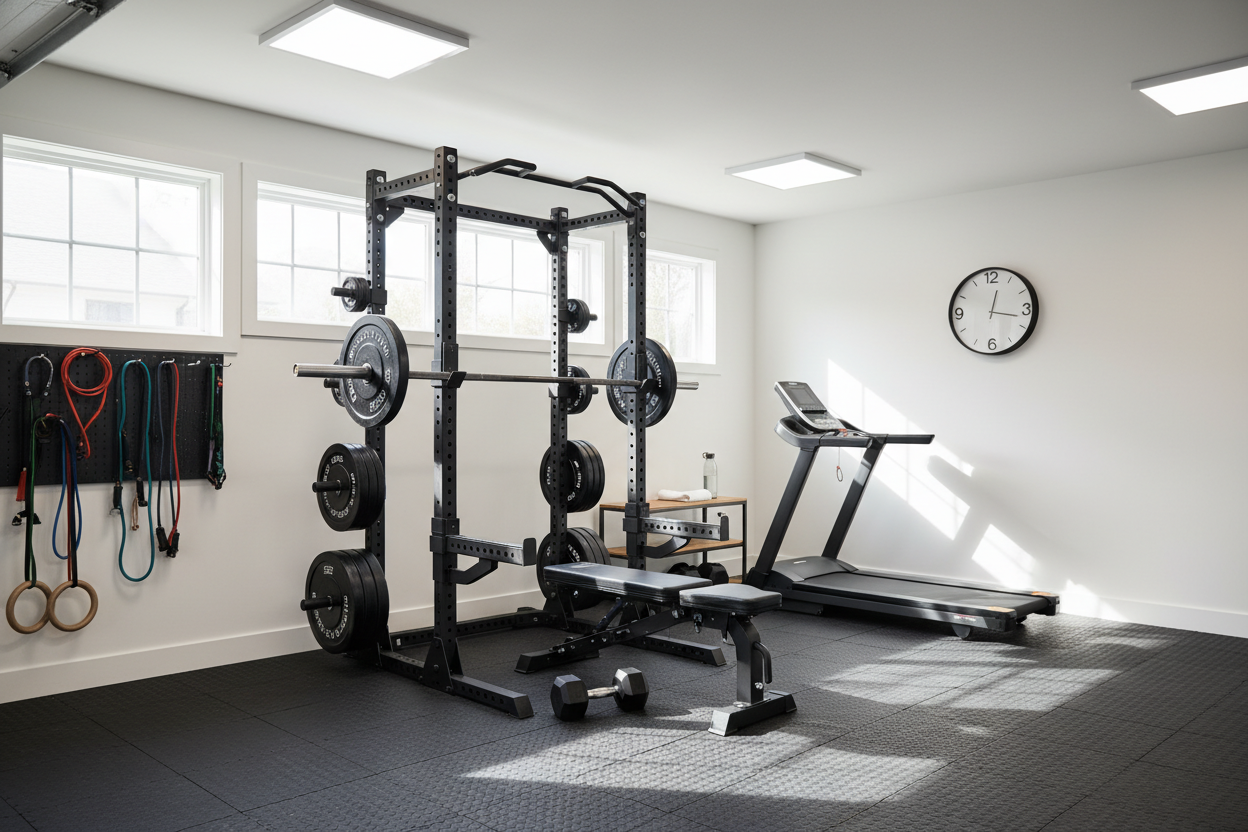
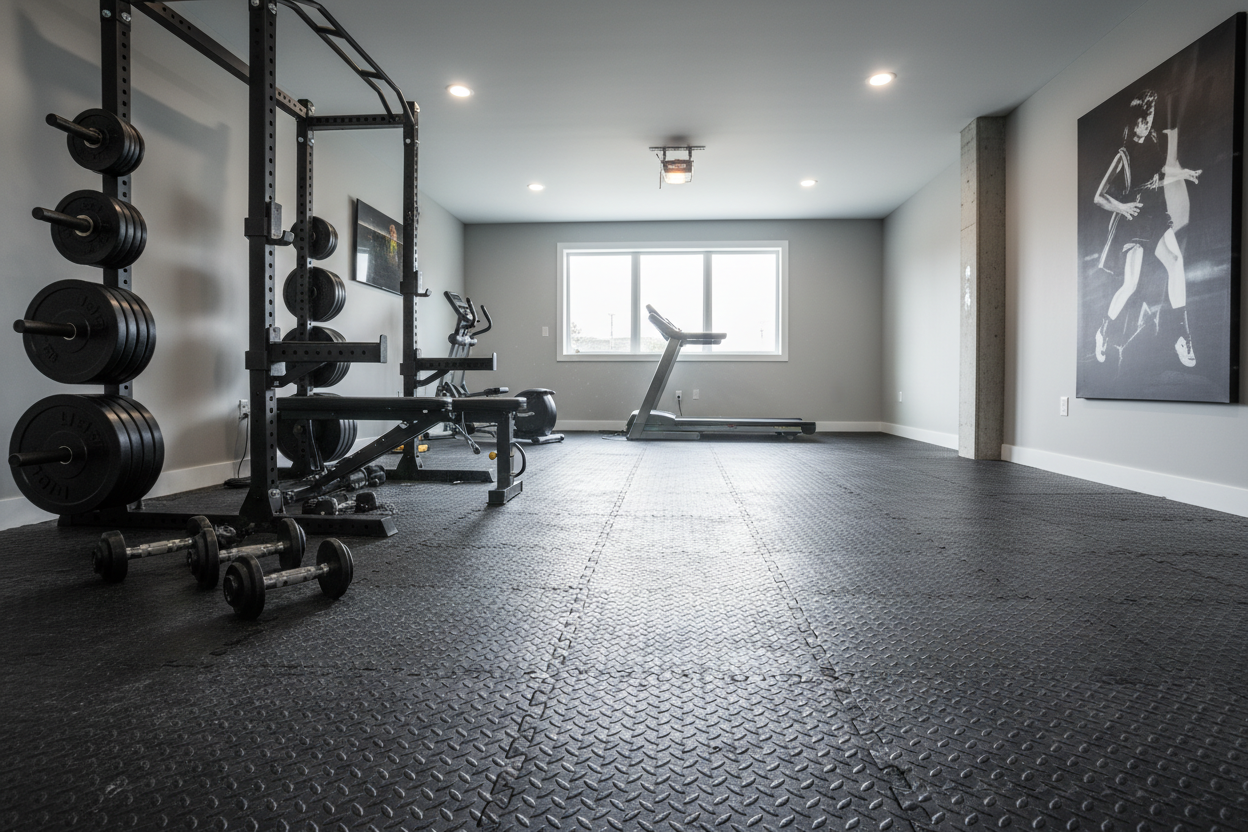
The floor is a literal physical barrier. It prevents your elbow from going too far behind your body, which protects the anterior capsule. When I’m rehabbing a client, I always start them on a large exercise mat for home gym so they have enough space to move without grinding their shoulder blades into cold concrete.
Ground-based loose shoulder exercises provide what we call proprioceptive feedback. Your brain can 'feel' where the shoulder blade is because it’s pressed against the floor. This makes it much easier to keep the joint packed during movement.
The Kettlebell Bottoms-Up Screwdriver
Grab a light kettlebell (8kg or 12kg is plenty). Lie on your back and hold the kettlebell by the handle, but turn it upside down so the heavy bell is facing the ceiling. This forces your rotator cuff to fire reflexively just to keep the weight from flopping over. Slowly rotate your arm internally and externally. It’s a premier shoulder instability exercise because it demands constant micro-adjustments.
Rhythmic Stabilizations on Your Back
Hold a light dumbbell or even just your fist straight up toward the ceiling while lying down. Have a partner (or use a light resistance band) give you unpredictable 'taps' in different directions. Your job is to keep the arm perfectly still. This helps fix shoulder instability with neuromuscular control exercises by training your nervous system to react to sudden shifts before a subluxation occurs.
Standing Movements to Rebuild Your Press
Once you’ve mastered the floor, you need to stand up. The goal isn't to avoid overhead work forever; it’s to find unstable shoulder exercises that challenge you without the risk of the joint 'slipping' in the overhead position.
The Landmine Half-Kneeling Press
The landmine press is a life-saver for loose shoulder joint exercises. Because the barbell is at an angle, the weight pushes the humerus back into the socket rather than pulling it out. It bridges the gap between a bench press and a strict overhead press, allowing you to build massive delts without the 'sketchy' feeling of a vertical barbell.
How to Program This Without Losing Your Gains
You don't have to stop lifting, but you do have to stop being stubborn. If you want to know how to fix shoulder instability, you need to treat your rehab like your heavy sets. Use these shoulder instability physical therapy exercises as your primary warm-up for every upper-body day.
If you notice a sharp pinch halfway through a lateral raise, you might also need to look into exercises for painful arc syndrome. Instability and impingement often go hand-in-hand. Swap your heavy barbell overhead press for landmine presses or neutral-grip dumbbell presses for 4-6 weeks and watch how much more stable the joint feels.
My Personal Experience
I spent two years trying to 'stretch' my way out of a loose right shoulder. Every morning I’d do doorway stretches, and every afternoon my shoulder felt like a wet noodle. It wasn't until I ditched the stretching and started doing bottoms-up kettlebell carries that the joint finally felt 'tight' again. I realized I didn't have tight muscles; I had a nervous system that was terrified because my joint was wandering around. Strength is stability.
FAQ
Can I still bench press with shoulder instability?
Yes, but swap the long bar for dumbbells or a Swiss bar. The neutral grip (palms facing each other) is much easier on the anterior capsule and keeps the joint centered.
How long does it take to fix a loose shoulder?
Ligaments don't 'tighten' quickly, but your muscles can learn to stabilize the joint in 4-8 weeks of consistent, reflexive training like bottoms-up work.
Should I use resistance bands for instability?
Bands are great for 'rhythmic stabilization' but avoid high-rep 'band pull-aparts' if they cause clicking. Focus on slow, controlled tension rather than speed.