Stop Ditching Hypertrophy Workout Plans Over One Missing Machine
You finally find it. The hypertrophy workout plans that promise to turn your shirt sleeves into tourniquets. You pay the $40, download the PDF, and realize Day 1 requires a hack squat, a Prime-adjustable pec deck, and a seated leg curl. You look at your rusty power rack and your mismatched pair of 45s and immediately delete the file. Stop doing that.
Quick Takeaways
- Muscles don't have eyes; they only sense tension and mechanical load.
- Every commercial machine can be replicated with a barbell, dumbbells, or bands.
- Focus on the joint action (e.g., knee extension) rather than the equipment name.
- Adaptation is a skill that makes you a better lifter in the long run.
Why We Abandon Perfectly Good Programs
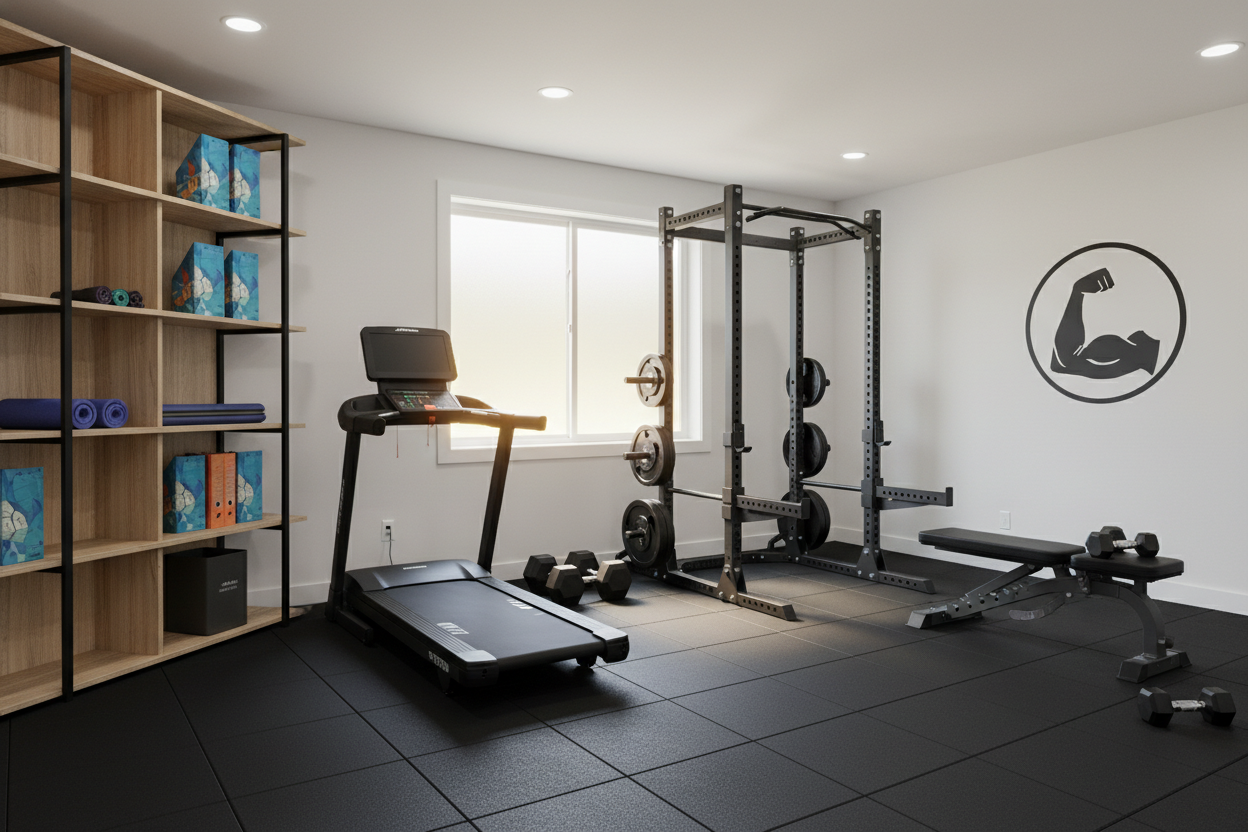
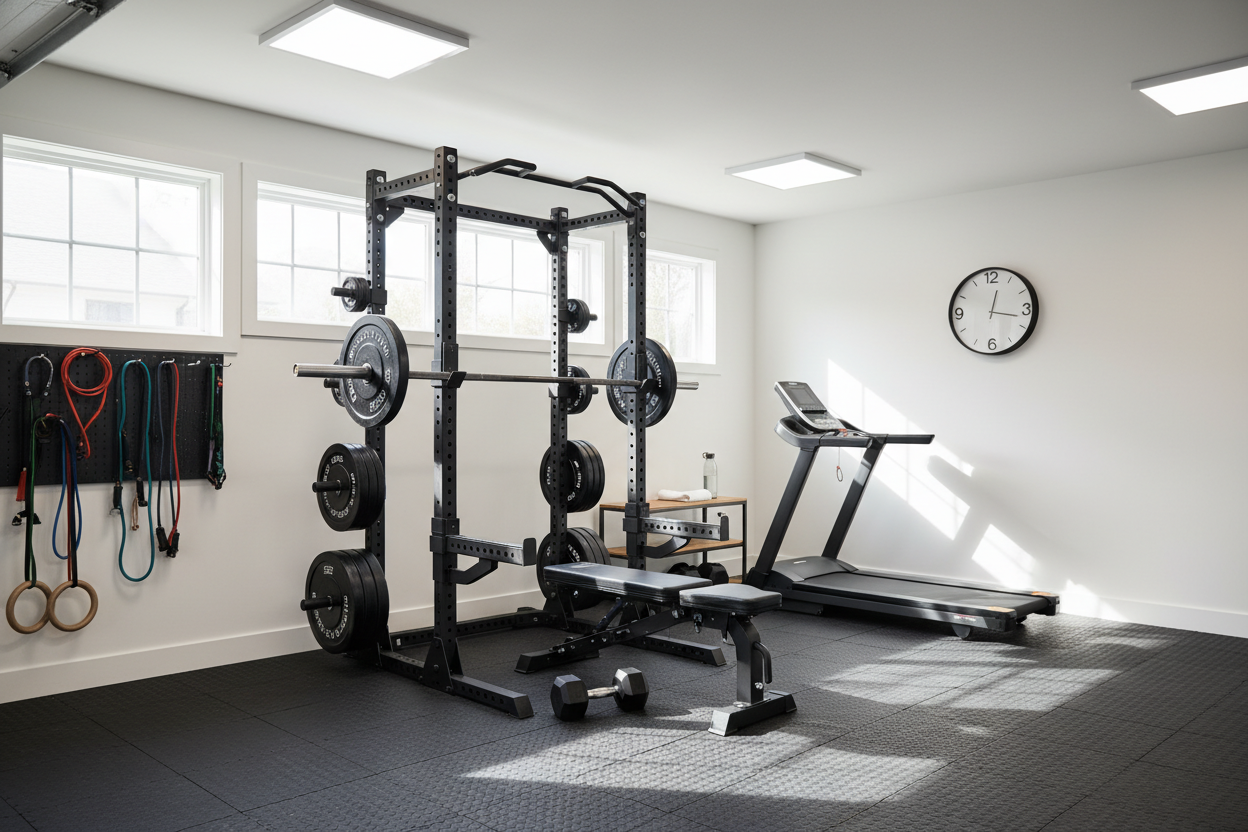
The frustration is real. You spend hours searching for the best hypertrophy programs, only to find that the 'pro' routines are written for people with access to a 20,000-square-foot commercial mecca. When you're training in a garage that barely fits a car, seeing '4 sets of Seated Cable Rows' feels like a personal insult. Most lifters throw the whole plan in the trash because they think the magic is in the machine.
It’s a mental trap. We think a workout program for building muscle is a rigid contract. If you can't follow the spreadsheet exactly, you feel like you're failing. But the reality is that the best hypertrophy workout plan is the one you actually finish. Rigid adherence to a list of machines you don't own is the fastest way to stall your progress before you even pick up a weight.
Deconstructing the Movement, Not the Equipment
To save your hypertrophy programs, you need to learn 'Resistance Profile Translation.' Instead of looking at a machine as a piece of steel, look at what your joints are doing. A leg extension machine is just loaded knee extension. A pec deck is just horizontal shoulder adduction. When you identify the actual movement, you realize you have ten different ways to do it at home.
The best hypertrophy exercises aren't exclusive to expensive pulleys. If a program calls for a chest-supported row to target the mid-back, and you don't have that specific machine, you can prop the head of a flat bench up on two 45-lb plates and do a seal row with dumbbells. You're achieving the exact same mechanical purpose: rowing without lower back fatigue. This shift in perspective allows you to run even the most advanced hypertrophy program without ever stepping foot in a big-box gym.
The Cable vs. Band vs. Dumbbell Dilemma
The biggest hurdle in a good hypertrophy program is replicating the constant tension of a cable machine. Cables provide a consistent resistance curve, whereas dumbbells get 'easy' at certain parts of the lift. To fix this at home, you need to get comfortable with bands. I’m not talking about those thin physical therapy loops; I mean heavy-duty, 100-lb capacity resistance bands.
When setting up these swaps, stability is your best friend. If you're doing banded chest flies or face pulls, you need a solid foundation. I’ve found that having a high-grip exercise mat gym flooring is essential so your feet don't slide when the bands start pulling you toward the rack. A bodybuilding hypertrophy program relies on you being able to push to failure; you can't do that if you're worried about slipping on bare concrete.
Hacking the 3 Most Common Missing Machines
Let's get practical. Here is how you take the best hypertrophy workout routine and make it work in a driveway. First, the Leg Extension. Use a 'Spanish Squat' setup: wrap a heavy band around your rack uprights at knee height, step into the loops, and sit back into a squat while keeping your shins vertical. The quads will scream.
Second, the Seated Calf Raise. Most home lifters just do standing raises, but you need that seated version to hit the soleus. Sit on your bench, put a yoga block or a 2x4 under your toes, and rest a heavy barbell or a pair of dumbbells on your knees. Use a folded towel as a pad so the knurling doesn't chew up your skin. It’s a science based leg workout staple that doesn't require a $500 dedicated unit. Check out this science based leg workout for more ways to isolate the lower body without machines.
Third, the Lat Pulldown. If your rack doesn't have a pulley, do weighted chin-ups or 'half-kneeling banded pulldowns.' Anchor a band to the top of your rack, kneel on one knee, and pull. It's not about the weight on the stack; it's about the stretch in the lats. This is how you build the best hypertrophy workout program with minimal gear.
Structuring Your Machine-Free Routine
Once you've identified your swaps, write them directly onto your program. Don't try to remember them mid-workout. If the plan says 'Leg Press,' and you're doing 'Heels-Elevated Goblet Squats,' cross it out and change it. This keeps the momentum high and prevents that 'analysis paralysis' that kills intensity. You want the best hypertrophy workout to feel seamless, not like a science experiment.
Consistency beats equipment every single day. If you have a barbell, a rack, and some bands, you can execute 95% of any best hypertrophy workout routine ever written. If you're looking for more templates that actually work in a home setting, visit our workout hub to see how we structure our own sessions. Stop waiting for the perfect gym and start building the body you want with what you have.
Personal Experience: The Eye-Opener
I used to be a gear snob. I thought if I didn't have a 45-degree leg press, I couldn't grow my legs. I spent six months doing nothing but high-rep barbell lunges and Bulgarian split squats because I couldn't afford a machine. My legs grew more in those six months than the previous two years. The downside? My balance was terrible at first, and I actually fell over during a set of lunges and dented my drywall. Use a wall for balance if you have to—ego doesn't build muscle.
Hypertrophy FAQ
Can I get the same results without machines?
Absolutely. Machines offer stability, which makes it easier to reach failure, but you can replicate that stability by bracing against your power rack or using a bench. The muscle doesn't know if the resistance comes from a plate or a cable.
How do I track progress on banded exercises?
Use a tape measure. Mark where you stand or where the band is anchored. If you move two inches further away next week, that's progressive overload. You can also double-up bands or use a thicker one as you get stronger.
What is the most important piece of home gym gear for hypertrophy?
An adjustable bench. It allows you to change the angle of your presses and rows, which is the key to hitting different muscle fibers without needing 20 different machines.