Stop Skipping Leg Day: How to Master the Perfect Squat for Real Growth
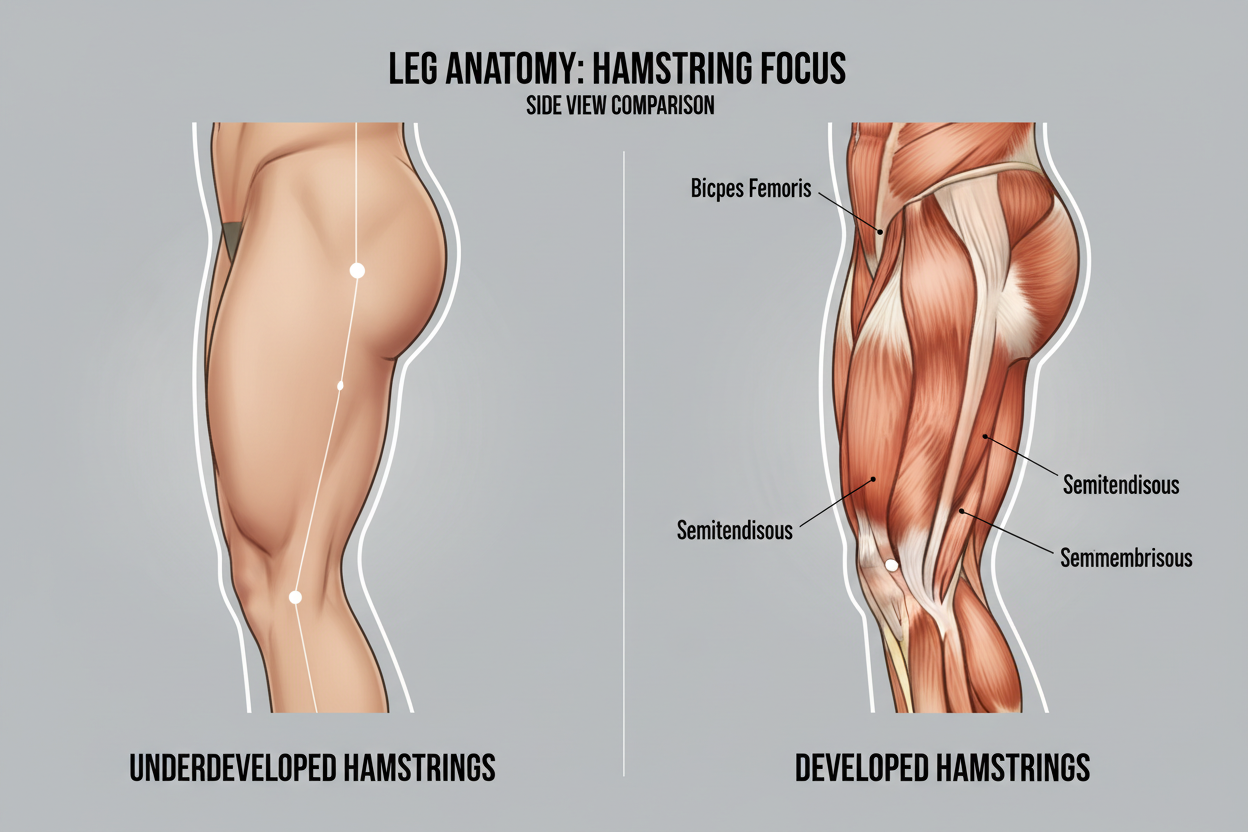
The squat is often called the king of all exercises, and for good reason. No other movement recruits as many muscle fibers in the lower body or triggers the same level of hormonal response conducive to growth. If you are looking to build mass, increase athletic power, or simply maintain functional mobility as you age, mastering the squat is non-negotiable. It serves as the foundation for almost every lower body training program, directly targeting the quadriceps, hamstrings, glutes, and the entire core musculature.
Many gym-goers shy away from the rack because the movement feels awkward or they fear injury. However, avoiding this compound lift means leaving significant gains on the table. A proper squat for legs development isn't just about moving weight from point A to point B; it is about controlling tension, understanding leverage, and respecting your individual anatomy. Whether you are using a barbell, a dumbbell, or just your body weight, the mechanics remain largely the same.
My Journey with the Barbell
I learned the importance of form the hard way. Early in my lifting career, I was obsessed with the number on the plates rather than the quality of the movement. I would load up the bar for back squats, descend barely three inches, and convince myself I was training hard. My quads weren't growing, but my lower back pain certainly was. It wasn't until I stripped the weight off completely and spent three months exclusively doing goblet squats that I understood what tension felt like. I had to relearn how to brace my core and open my hips. That ego check was humbling, but it was the turning point. Once I rebuilt my form from the ground up, my leg size increased dramatically, and the chronic back ache vanished.
Anatomy of a Perfect Rep
Executing leg squats correctly requires a mental checklist before you even unrack the weight. Stance width varies from person to person based on hip structure, but starting slightly wider than shoulder-width with toes pointed slightly out is a safe baseline. The movement begins not by bending the knees, but by breaking at the hips. Imagine you are closing a car door with your backside. This hip hinge engages the glutes and hamstrings immediately.
As you descend, your knees should track in line with your toes. A common myth suggests your knees should never pass your toes, but for many people with longer femurs, forward knee travel is necessary to hit full depth while keeping the torso upright. The goal is to break parallel—where the hip crease is below the top of the knee—provided your mobility allows it without your lower back rounding (a fault known as "butt wink").
Essential Variations for Muscle Growth
While the barbell back squat is the most popular, it isn't the only way to train. Different leg squat exercises shift the focus to specific areas of the leg and can accommodate different injury histories or mobility restrictions.
The Goblet Squat
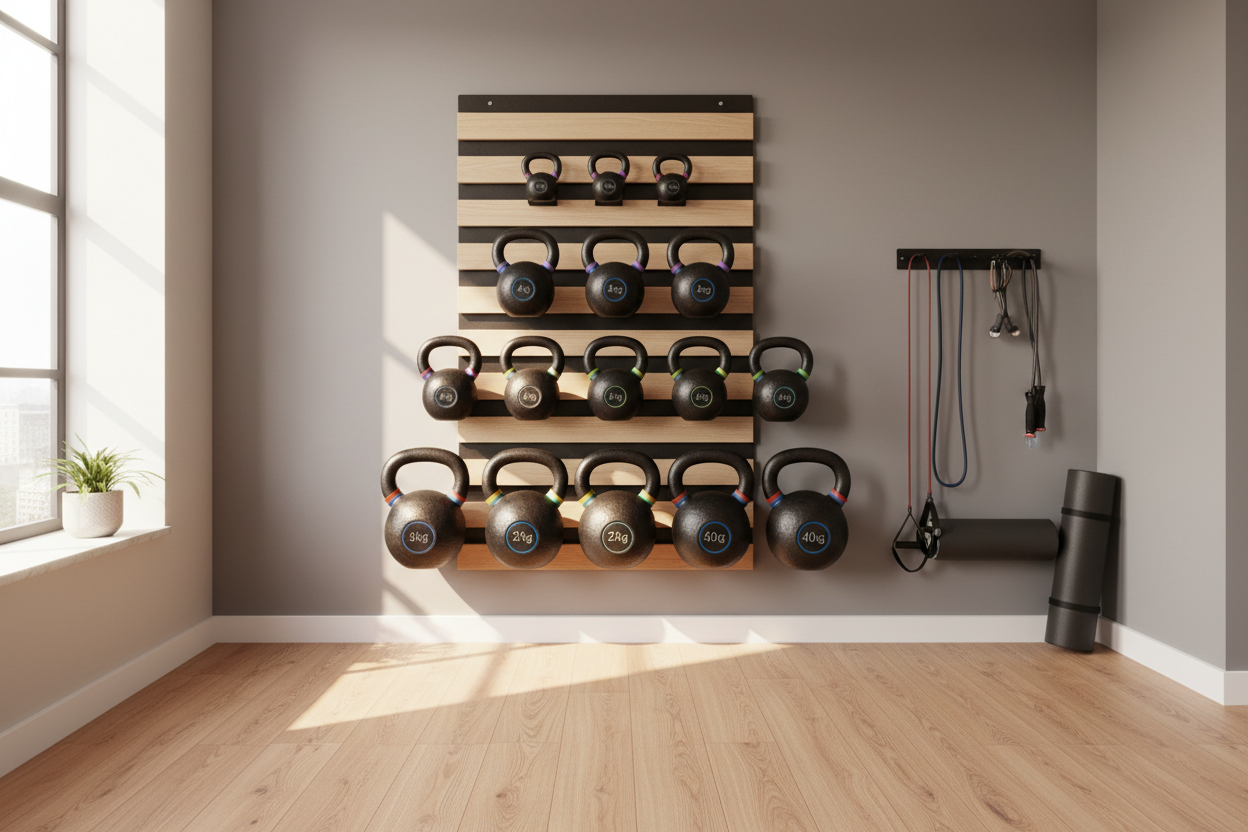
This is the best variation for beginners or those with lower back issues. By holding a dumbbell or kettlebell at chest height, you are forced to keep your torso upright. This front-loaded weight acts as a counter-balance, allowing you to sit deeper into the squat. It is an excellent tool for teaching the mechanics of the movement before graduating to a barbell.
The Front Squat
If you want to isolate the quadriceps, the front squat is superior. By resting the barbell across the front deltoids, you shift the center of gravity forward. This requires immense core stability to prevent collapsing forward and places nearly all the load on the quads. It is arguably the most effective squat for legs if hypertrophy (muscle growth) is the main goal, though you will handle significantly less weight than with a back squat.
The Bulgarian Split Squat
Few things are as humbling as unilateral training. Split squats isolate one leg at a time, fixing muscle imbalances that bilateral squats might hide. By placing your rear foot on a bench and squatting with the forward leg, you place extreme tension on the glute and quad of the working leg. It removes the lower back from the equation almost entirely, making it a safer high-intensity option.
Structuring Your Routine
Integrating squat leg exercises into your weekly rotation requires managing fatigue. Since these movements are taxing on the central nervous system, they should generally be placed at the start of your workout when you are freshest. A standard hypertrophy protocol might look like 3 to 4 sets of 8 to 12 repetitions. If strength is the goal, 5 sets of 5 reps is a classic standard.
Frequency matters as much as intensity. Hitting legs once a week is the old bodybuilder standard, but natural lifters often see better results training legs twice a week. This allows you to split your volume. You might focus on heavy back leg squats on Monday to drive mechanical tension, and then use lighter, higher-repetition variations like goblet squats or lunges on Thursday to drive metabolic stress.
Overcoming Common Sticking Points
Progress often stalls due to mobility rather than a lack of strength. Tight ankles are a frequent culprit, preventing the knees from traveling forward and forcing the lifter to fold over at the waist. Investing time in ankle dorsiflexion drills can instantly improve your squat depth. Similarly, tight hip flexors from sitting at a desk all day can inhibit glute activation. warming up with dynamic stretches like leg swings and pigeon poses is vital.
Another issue is the "good morning" squat, where the hips shoot up faster than the chest out of the hole. This usually indicates a weak core or weak quads. When training legs squats should look fluid; the hips and shoulders should rise at the same rate. If you find yourself folding over, lower the weight and focus on driving your upper back into the bar as you ascend.
Consistency remains the final piece of the puzzle. You cannot build tree-trunk legs with sporadic effort. Whether you choose the barbell, the dumbbell, or the machine, the specific tool matters less than the intensity and precision you apply to the movement. Respect the lift, prioritize your form, and the growth will follow.
Frequently Asked Questions
How deep should I squat for maximum leg growth?
You should aim to squat to at least parallel, where your hip crease is level with your knee. Going deeper (ass-to-grass) can recruit more glute fibers, but only do so if you can maintain a neutral spine. Parallel is sufficient for excellent quad development.
Can I build big legs without using a barbell?
Yes, you can build significant muscle using dumbbells, kettlebells, or machines like the hack squat. The key is progressive overload, meaning you must consistently increase the weight, reps, or improve your technique over time, regardless of the equipment used.
How often should I squat?
For most intermediate lifters, squatting two times a week is the sweet spot. This frequency balances enough stimulus for growth with adequate time for recovery. Beginners might benefit from three times a week with lighter loads to master the motor pattern.