Stop Rushing: The Best Workout for Weight Gain is Terribly Boring
I remember the first time I tried to bulk. I was doing 45-minute HIIT sessions and wondering why my arms still looked like wet noodles. I was sweating, sure. I was tired, definitely. But I wasn't growing. Most people treat the best workout for weight gain like a race, when it is actually more like watching paint dry. If you want to stop being the 'lean guy' and start being the 'big guy,' you have to embrace the slow, heavy, and undeniably boring.
Quick Takeaways
- Rest periods are non-negotiable; 3 to 5 minutes is the sweet spot for growth.
- Compound movements (squats, deadlifts, presses) must be your bread and butter.
- Consistency in a boring routine beats variety in a flashy one every time.
- Progression is measured by the logbook, not the amount of sweat on the floor.
Why Your Sweaty Garage Workouts Are Keeping You Small
Conditioning is great for your heart, but it is often the enemy of the scale. If you are huffing and puffing between sets, you are not lifting heavy enough to trigger real hypertrophy. You need 3 to 5 minutes of rest to let your ATP stores recover so you can move significant weight again. While fast-paced supercombos are fantastic if you want to lose belly fat, they actively sabotage your ability to lift heavy enough to trigger muscle growth.
Circuit training is for fat loss and endurance. Mass building requires mechanical tension. That means you need to be fresh enough to handle a heavy barbell without your form breaking down. If you feel like you are 'working hard' because your heart rate is 170 bpm, you are doing a cardio workout, not a weight gain workout. Slow down. Sit on your bench. Stare at the wall. Then lift something heavy.
The Core Setup: What You Actually Need to Grow
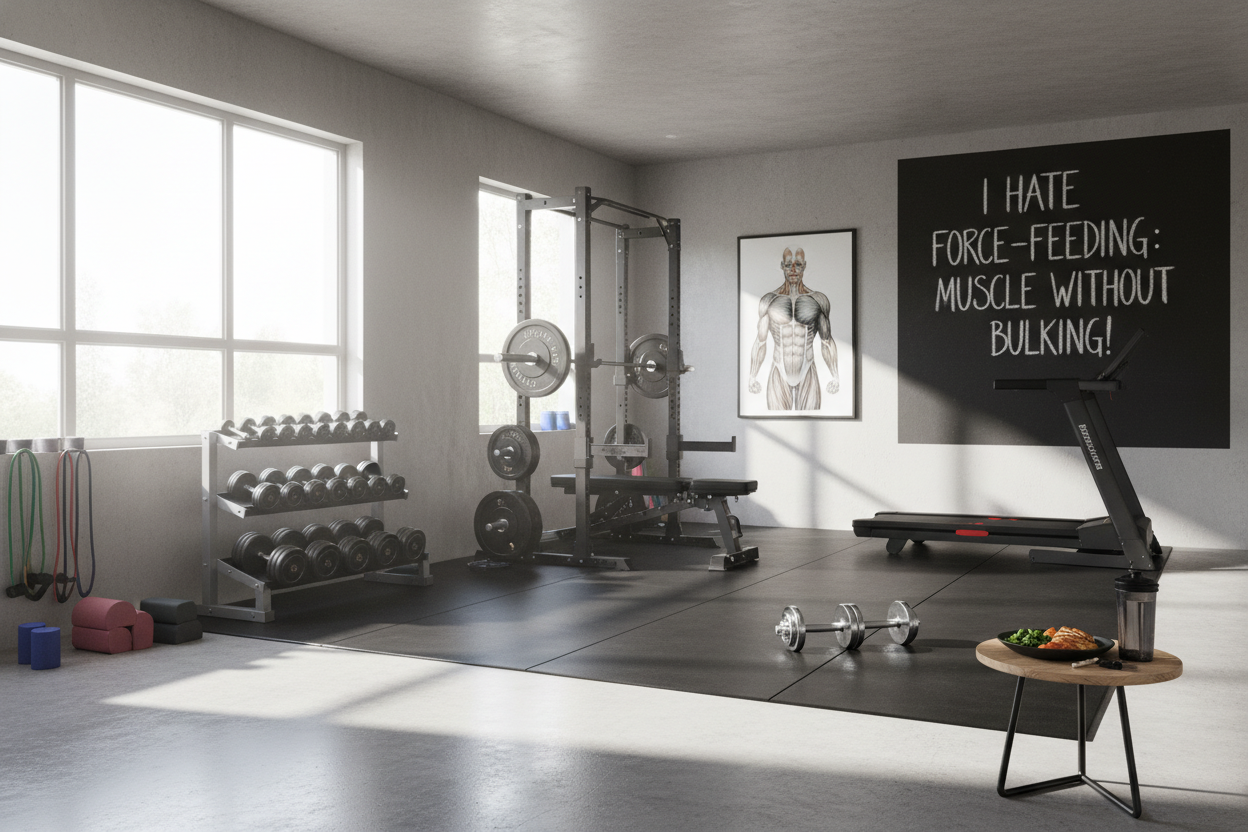
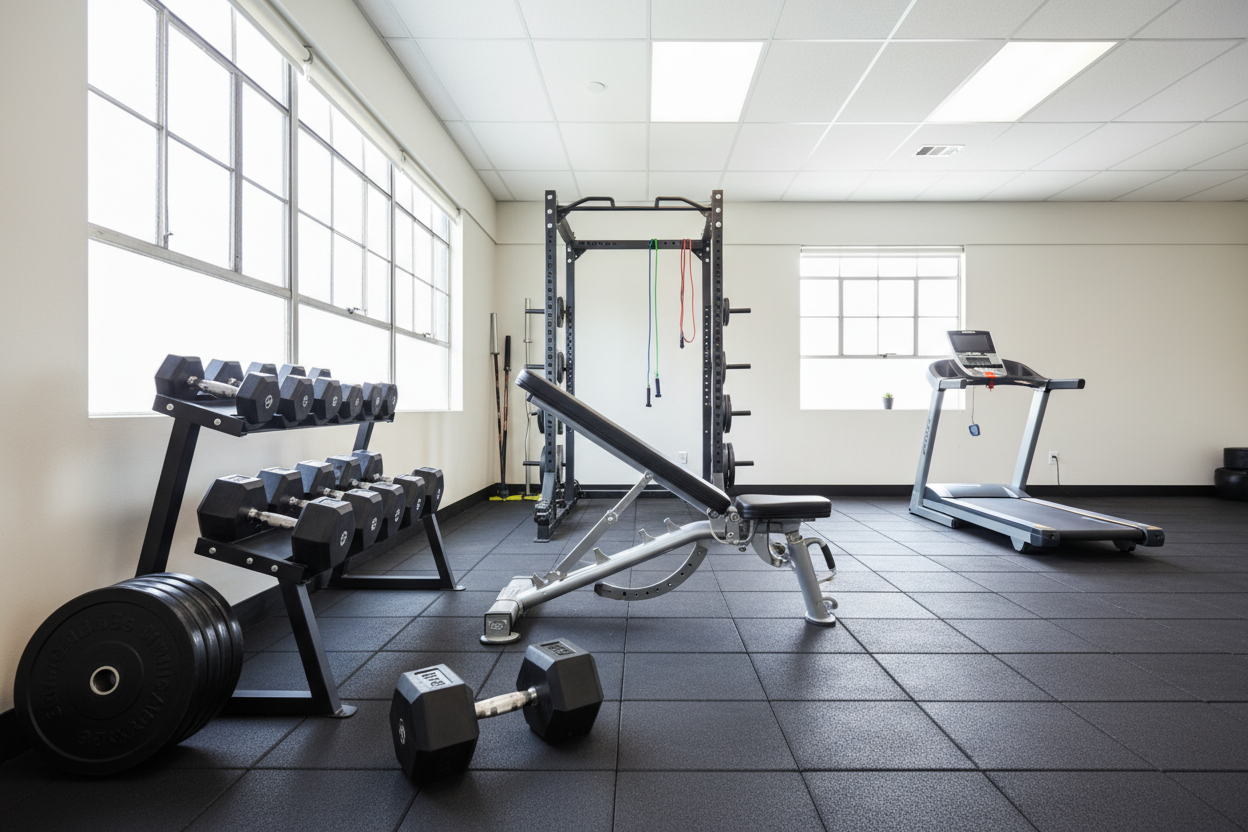
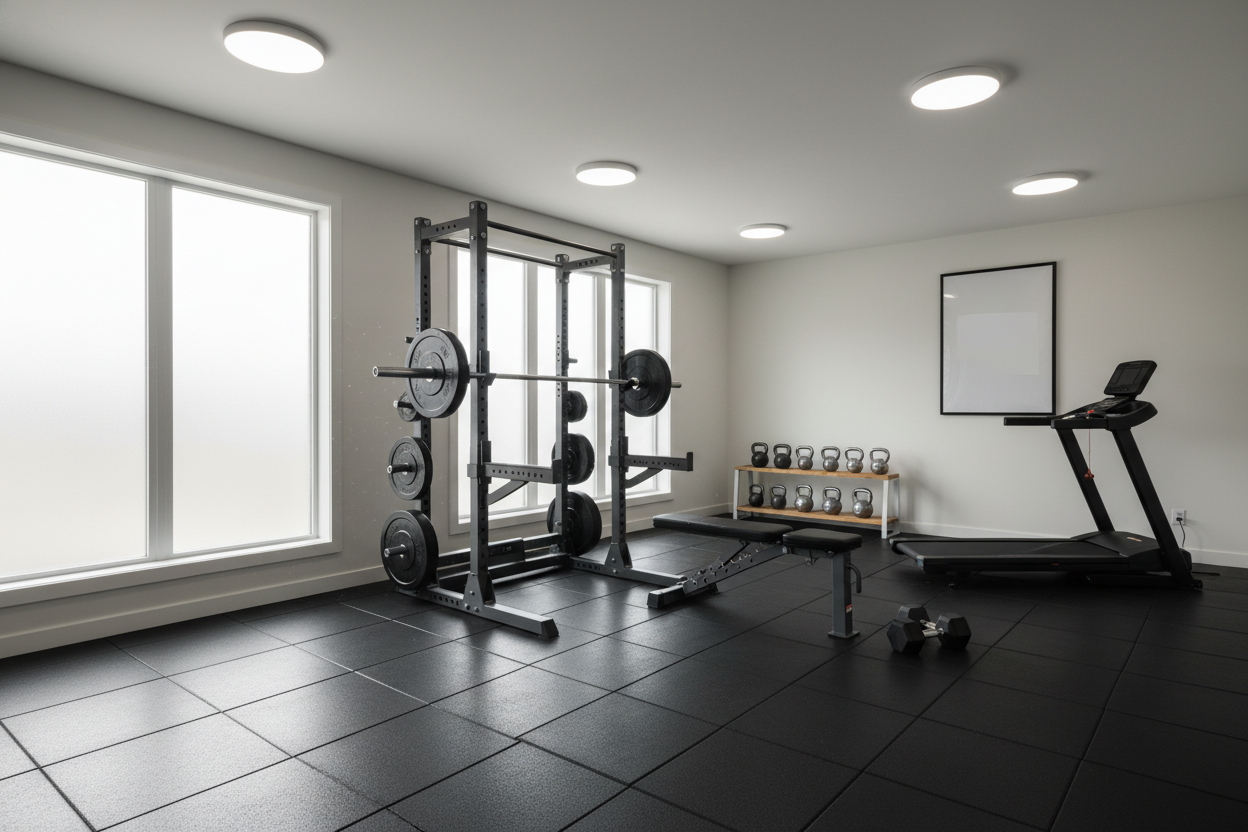
You do not need a 20-piece cable crossover or a room full of specialized gadgets. You need a cage that won't wobble when you rack 315 lbs and a bench that doesn't feel like it’s made of cardboard. The Gxmmat X6 Power Rack Weight Bench Package is the foundation of a real home gym. It provides the stability you need for heavy squats and the safety of spotter arms so you can actually push yourself without a human spotter.
Pairing a solid rack with a Gxmmat Adjustable Weight Bench is non-negotiable. An adjustable bench allows you to hit different muscle angles, like incline presses for upper chest and chest-supported rows to save your lower back. If you are lifting on a flat, flimsy bench, you are limiting your growth potential. Mass requires a stable surface to push off of.
The Best Workout for Weight Gain (The Boring Protocol)
The best workouts to gain weight follow a simple 4-day upper/lower split. Monday: Squats and RDLs. Tuesday: Bench and Rows. Thursday: Deadlifts and Lunges. Friday: Overhead Press and Pull-ups. That is it. No fancy variations, no 'muscle confusion.' Just the same six to eight movements every single week.
Focus on a 3-second eccentric—that is the lowering phase of the lift. This time under tension is what actually tears the muscle fibers so they can grow back thicker. This straightforward approach is undeniably the best workout for weight gain because it allows for easy tracking. If you did 200 lbs for 8 reps last week, you try for 205 lbs this week. It’s math, not magic.
When to Add Machines to Your Mass-Building Routine
Once you have finished your heavy compound lifts, that is the time to look at weight lifting machines. Machines are great for 'finishing' a muscle group. They allow you to push to absolute failure without the risk of a barbell crushing you. This is how you add the volume necessary for hypertrophy without taxing your central nervous system into the ground.
If you are looking to expand your home setup, check out our guide on the best weight training machines to see what fits in your space. Use them for high-rep isolation work—think leg extensions or lat pulldowns—after your heavy squats and rows are done for the day.
How to Know if Your Best Weight Gain Workout is Actually Working
The best weight gain workout is judged by two things: the logbook and the scale. If your numbers on the bar are going up and the scale is moving steadily by about 0.5 to 1 lb a week, you are doing it right. If you feel 'destroyed' and sore for four days but your lifts haven't increased in a month, you are just exercising, not training.
I wasted two years doing CrossFit-style 'metcons' while trying to get big. I was the leanest guy in the room, but I stayed at 165 lbs for ages. It wasn't until I forced myself to sit on a bench for 4 minutes between sets of heavy 5x5 squats that I finally broke 180 lbs. It felt lazy. It felt boring. But my shirts finally started fitting tight in the shoulders. Listen to the data, not your ego.
FAQ
How long should a weight gain workout last?
Between 60 and 90 minutes. If you are finishing in 30, you aren't resting enough. If you are there for 2 hours, you are talking too much or doing too much 'junk volume' that doesn't contribute to growth.
Can I do cardio while trying to gain weight?
Yes, but keep it low impact. A 20-minute walk is fine. A 5-mile run will eat into the calories your body needs to build muscle. Save the marathons for your cutting phase.
How many sets should I do per muscle group?
Aim for 10 to 20 hard sets per muscle group per week. Split this across two sessions (like an upper/lower split) to keep the quality of each set high. Quality always beats quantity when you are trying to move heavy iron.