Why Your Shoulders Burn But You Still Don't Have Big Deltoids
I remember spending forty-five minutes every Tuesday chasing a shoulder pump so intense I could barely reach behind my back to scratch an itch. I would walk out of my garage feeling like a superhero, only to wake up the next morning looking like I had never touched a weight in my life. If you are struggling with how to get big deltoids, you have likely fallen into the same trap: confusing metabolic stress with actual mechanical tension. You are doing the work, but you are not giving the muscle a reason to actually grow.
The reality is that the lateral deltoid is a stubborn piece of anatomy. It is small, it has a limited range of motion, and it is incredibly easy for your traps to take over the movement. Most guys try to fix this by grabbing the 15-pound dumbbells and doing sets of 30 until they cry. While that burn feels productive, it is often just lactic acid buildup, not the deep fiber disruption required for serious hypertrophy. You need a strategy that forces the muscle to work past its initial point of failure without sacrificing the load.
Quick Takeaways
- The 'pump' is a temporary increase in blood flow, not a guarantee of muscle growth.
- Mechanical drop sets allow you to extend a set by changing leverage rather than dropping weight.
- True delt mass requires heavy mechanical tension followed by high-intensity volume.
- Nutrition is the silent partner; you cannot build cannonballs out of thin air.
- Protect your joints by choosing exercises that allow for natural humeral rotation.
The Trap of the Temporary Shoulder Pump
We have all been there. You finish a high-rep set of lateral raises and your shoulders look three inches wider in the mirror. This is cell swelling, or sarcoplasmic hypertrophy, and while it plays a role in growth, it is often fleeting. If you want to know how to get big delts that stay big, you have to stop prioritizing the 'feel' and start prioritizing the 'load.' High-rep burnouts often fail to recruit the high-threshold motor units—the muscle fibers with the most potential for growth.
When you use weights that are too light, your body relies on slow-twitch fibers that are built for endurance, not size. By the time you reach the point where the 'growth' fibers should kick in, you are often too systemically fatigued to do anything useful with them. This is why your progress stalls. You are essentially doing cardio for your shoulders. To trigger real change, you need to subject the tissue to significant mechanical tension. This means using weights that actually challenge the muscle within the 8-to-12 rep range, then finding ways to extend that intensity.
I wasted years thinking that if I just did more volume, my shoulders would eventually pop. It did not happen until I started treating my side delts like my chest or back—hitting them with heavy, controlled movements and then using advanced techniques to push them over the edge. Stop chasing the burn and start chasing the breakdown.
Stop Dropping the Weight: Use Mechanical Drop Sets Instead
A standard drop set involves failing with a weight, then grabbing a lighter pair of dumbbells to keep going. It is fine, but it has a flaw: as the weight gets lighter, the mechanical tension drops. If you are serious about a delt mass workout, you should try mechanical drop sets. Instead of changing the weight, you change the exercise or the angle to give yourself a mechanical advantage. This allows you to keep using the same heavy weight even after you have reached failure on the initial movement.
This technique is brutal because it forces your nervous system to keep those high-threshold motor units firing. You are essentially tricking your body into doing more work with a load that it should technically be too tired to move. This is a massive stimulus for growth. When you are structuring your overall workout program, these should be placed at the end of your shoulder session. You do not want to start here, or you will be too fried to do your heavy overhead presses or rows.
I prefer this over standard drop sets because it keeps the intensity high. In my home gym, I do not want to be tripping over five different pairs of dumbbells. I want to grab one heavy set and make them work for me. It is more efficient, it is harder, and it is significantly more effective for building that '3D' look that everyone is chasing.
My Go-To Mechanical Drop Set for the Medial Head
Here is the exact sequence I use when I want to push my lateral delts to the limit. Start with a strict, seated lateral raise. Sit at the end of your bench with a pair of dumbbells that you can handle for about 10 perfect reps. No swinging, no momentum. When you can no longer perform a full rep with a 2-second pause at the top, do not put the weights down. Immediately stand up and transition into a dumbbell upright row using the exact same weight.
By standing up and switching to a row, you are bringing the traps and biceps in to assist the fatigued deltoids. This is the right shoulder workout exercise sequence because it transitions from an isolation movement to a compound movement. You can usually squeeze out another 8 to 10 reps of the upright row. By the time you finish, your medial delts have been under high-tension load for nearly 20 reps. This is how to build huge delts without needing a rack full of specialized equipment.
I have tried this with cables and machines, but nothing beats the raw feel of dumbbells. There is a stabilization component that you just do not get with a fixed path. If you find that the upright row bothers your wrists, try flaring your elbows more or using a slightly wider grip. The goal is to lead with the elbows and pull the weight to your lower chest, not your chin. This keeps the tension on the delts and off the impingement-prone areas of the shoulder joint.
How to Program This Without Wrecking Your Rotator Cuffs
Shoulder health is the number one concern when you are chasing how to build big delts. The shoulder is the most mobile joint in the body, which also makes it the most fragile. When you are pushing to absolute mechanical failure, your form will want to break down. You have to be disciplined. If your neck starts to cramp or your lower back starts to arch, the set is over. No amount of gains is worth a labrum tear.
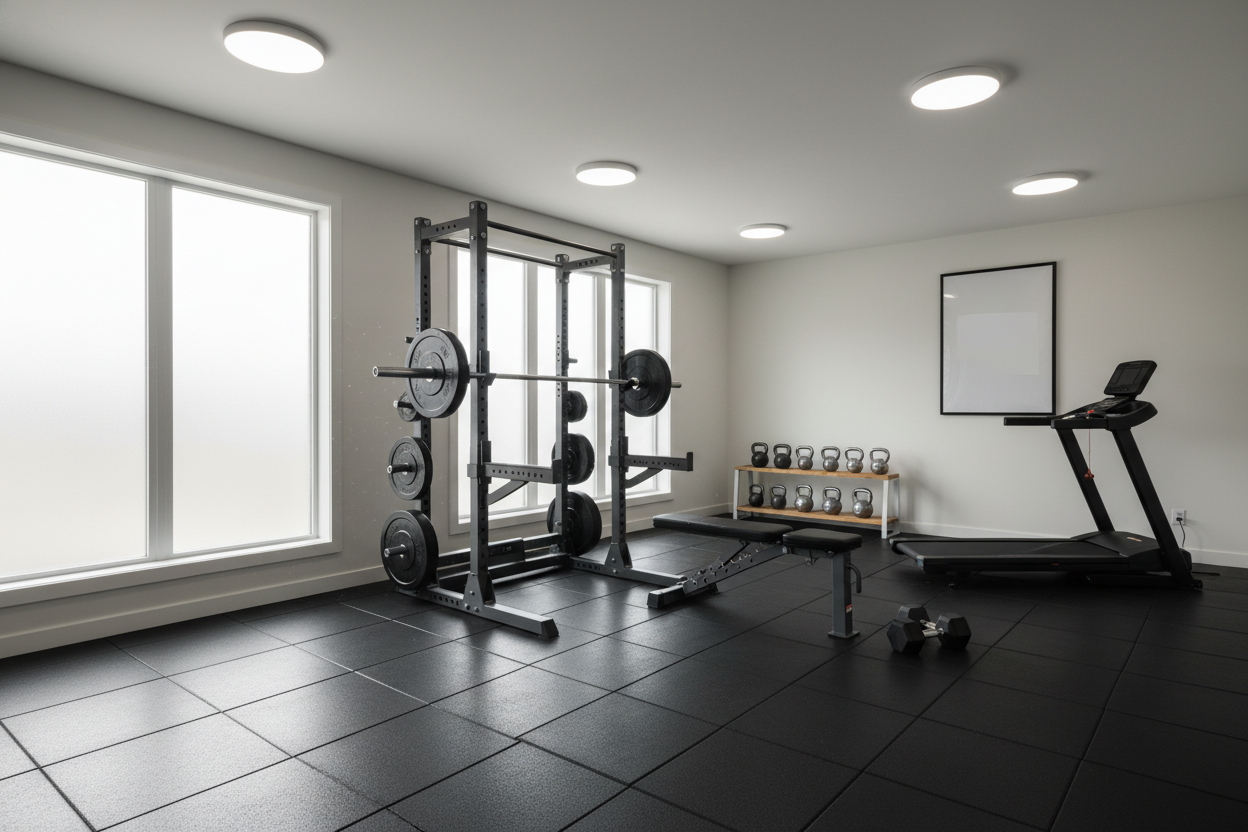
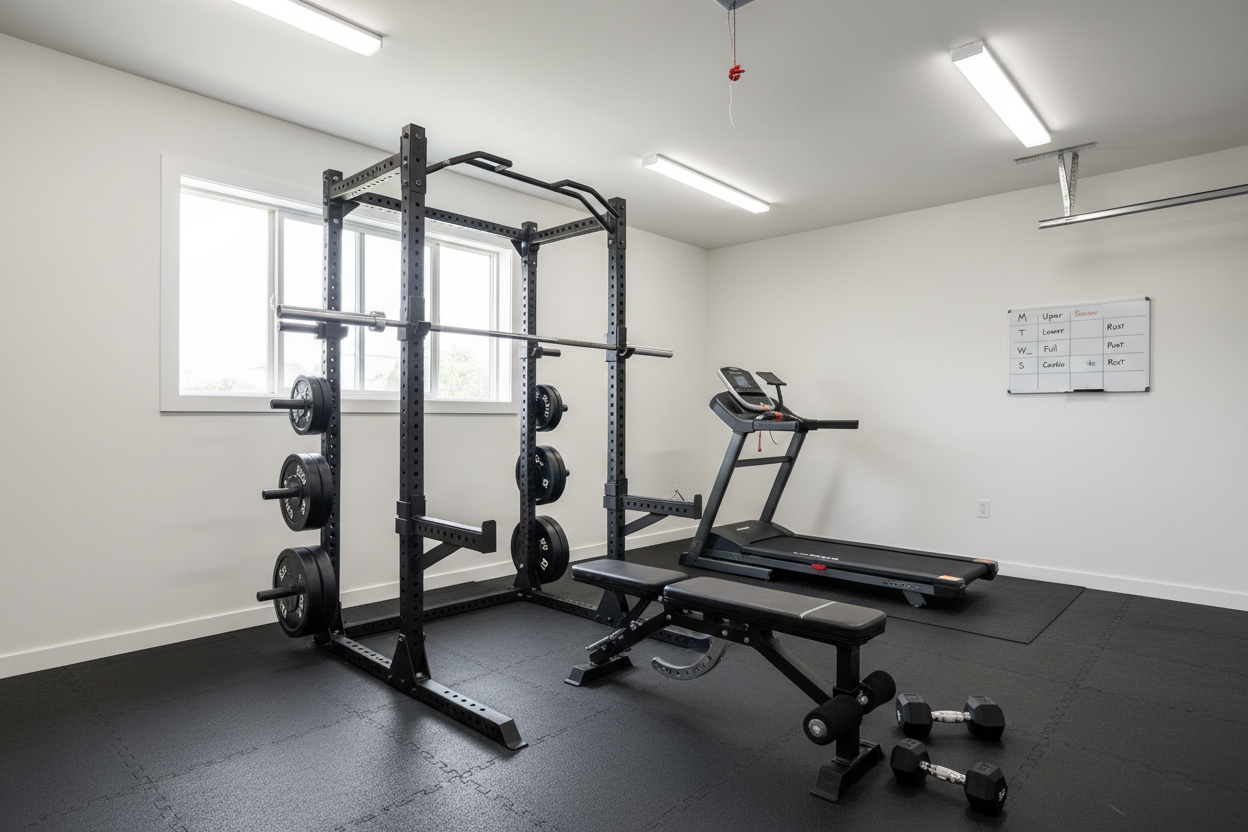
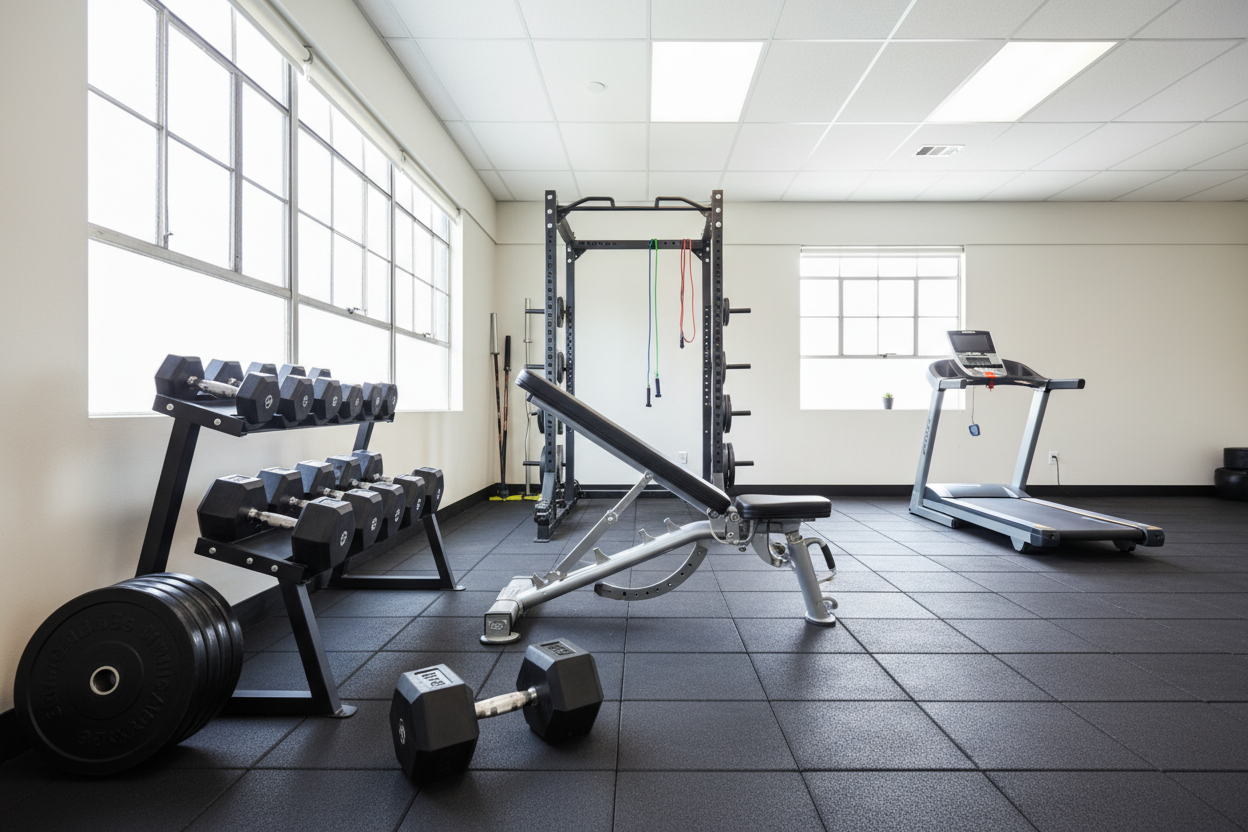
Training in a home gym means you are the coach and the trainee. You need to be smart about your environment. When I am doing these high-intensity sets, I make sure I am standing on heavy-duty home gym flooring. When you hit that point of total failure, you need to be able to drop those dumbbells without worrying about cracking the concrete or waking up the neighbors. Having that safety net allows you to truly push into the 'red zone' of effort.
I typically recommend using this technique only once or twice a week. It is a high-stress tool. If you do it every day, your rotator cuffs will start screaming at you within a month. Use it as a finisher. Do your heavy overhead work first, then hit one or two of these mechanical drop sets to ensure you have fully exhausted the tissue. This balance of heavy compound lifting and high-intensity isolation is the fastest way to get bigger delts.
The Unsexy Truth About Caloric Surplus and Shoulder Mass
You can perform all the bigger deltoids exercises in the world, but if you are eating like a bird, your shoulders will stay small. The deltoids are a muscle group that seems particularly sensitive to caloric intake. To build that thick, capped look, your body needs the raw materials to repair the damage you are doing in the gym. This means being in a slight caloric surplus and hitting your protein targets every single day.
I see guys all the time asking how to get bigger delts while they are on a restrictive cutting diet. It is almost impossible. The shoulder is not a 'priority' muscle for the body; if resources are scarce, your body is not going to use them to build wider shoulders. It is going to use them to keep your heart beating. If you want huge delts, you need to commit to a gaining phase. Feed the growth.
My biggest mistake early on was trying to stay 'shredded' while building mass. I ended up just looking flat. Once I leaned into a consistent surplus—nothing crazy, just 300 to 500 calories over maintenance—my shoulder width finally started to change. Combine that extra fuel with the mechanical drop sets we discussed, and you will finally see the progress you have been working for.
FAQ
How many times a week should I train delts for mass?
Twice a week is the sweet spot for most. This allows for enough volume to trigger growth while providing 48 to 72 hours of recovery. Any more than that, and you risk overusing the rotator cuff.
Can I do these exercises with resistance bands?
You can, but it is harder to measure progress. Dumbbells provide a consistent resistance curve that is better for tracking mechanical tension. If bands are all you have, focus on the pause at the top of the rep.
Why do my traps hurt more than my shoulders?
You are likely shrugging the weight up. Keep your shoulder blades pinned down and back. Think about pushing the weights 'out' toward the walls rather than 'up' toward the ceiling.