Stop Pretending You Know What These Lifting Terms Mean
I remember the first time I downloaded a 'real' powerlifting program. It looked like a leaked CIA document. There were percentages, RPE scales, and abbreviations that made my head spin. I spent more time Googling lifting terms than I did actually moving weight. It’s a rite of passage, but it doesn’t have to be that painful.
Most gym jargon is just a fancy way of saying 'pick it up and put it down.' But if you don't know the lingo, you're going to feel like an outsider in your own garage gym. I’ve spent fifteen years in garages that smell like rust and old socks, and I’m here to tell you that half the words people use are just meant to make them sound smarter than they are. Let’s cut through the noise.
Quick Takeaways
- AMRAP means doing as many reps as you can until your form breaks.
- Knurling is the texture on a barbell that keeps it from sliding out of your hands.
- Eccentric is the lowering phase of a lift—don't ignore it if you want muscle growth.
- RPE is a 1-10 scale of how hard a set felt, used to manage fatigue.
Why Gym Jargon Sounds Like a Weird Cult
The fitness industry loves to gatekeep. If they can make simple movement sound like rocket science, they can charge you more for coaching and PDF programs. You’ll hear coaches throw around words like 'periodization' and 'hypertrophy' like they’re reciting scripture. It’s intimidating on purpose. When you’re first starting out, this language barrier creates a wall between you and the results you want.
The truth is, humans have been getting strong since we were throwing rocks at mammoths. We didn't need 'biomechanical optimization' then, and you don't necessarily need it now to see progress. The jargon exists partly to be precise, but mostly to create an 'in-crowd.' Once you learn these weight lifting terms for beginners, you realize the 'cult' is just a bunch of people trying to describe the same three things: how much weight, how many times, and how fast.
The Programming Acronyms You Actually Need
Open any training app and you’ll be hit with an alphabet soup. Let’s start with 1RM. That’s your One Rep Max—the absolute most weight you can lift for a single, shaky repetition. Most programs use this as a benchmark. If it says '70% of 1RM,' you do the math and load the bar. You don't need to understand advanced periodization or complex spreadsheets to buy basic Strength Equipment and start seeing results; you just need to know your numbers.
Then there’s AMRAP: As Many Reps As Possible. This is a trap for beginners. It doesn’t mean 'until the bar crushes your windpipe.' It means as many reps as possible with perfect form. EMOM stands for Every Minute on the Minute. You start a set when the clock hits zero, finish your reps, and rest for whatever time is left in that minute. It’s a great way to pack a lot of work into a short window.
Finally, there’s RPE, or Rate of Perceived Exertion. This is a 1-10 scale. An RPE 10 is a max effort where you couldn't do one more inch of movement. An RPE 7 means you had about three reps left in the tank. It’s a way to check in with your body. If you slept three hours and haven't eaten, your 70% weight might feel like an RPE 9. That’s your cue to back off so you don't get hurt.
Deciphering the Heavy Metal on the Floor
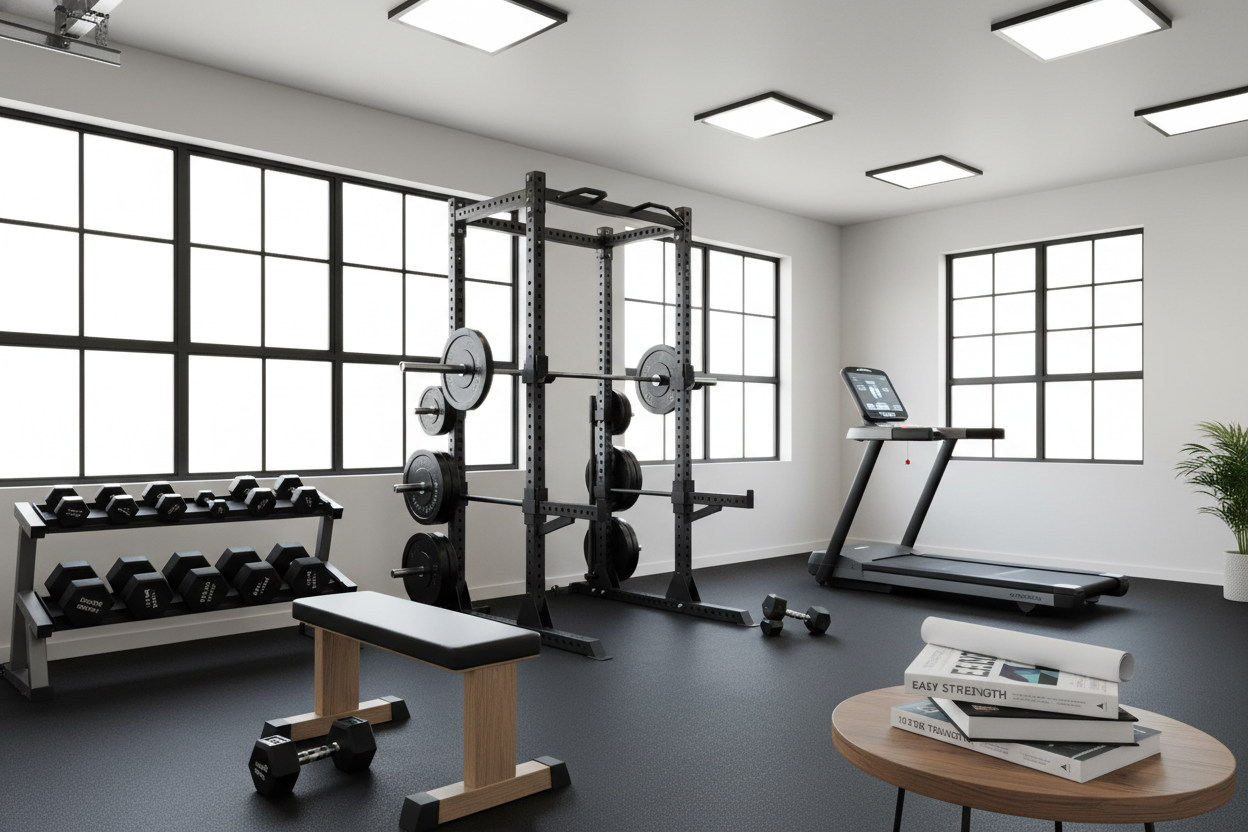
When you start shopping for gear, the specs get even weirder. Take 'knurling.' That’s the diamond-patterned etching on the barbell. A 'passive' knurl feels like a smooth coin, while an 'aggressive' knurl feels like a cheese grater. If you’re deadlifting heavy, you want the grater. If you’re doing high-rep cleans, you want something smoother unless you enjoy bleeding from your palms.
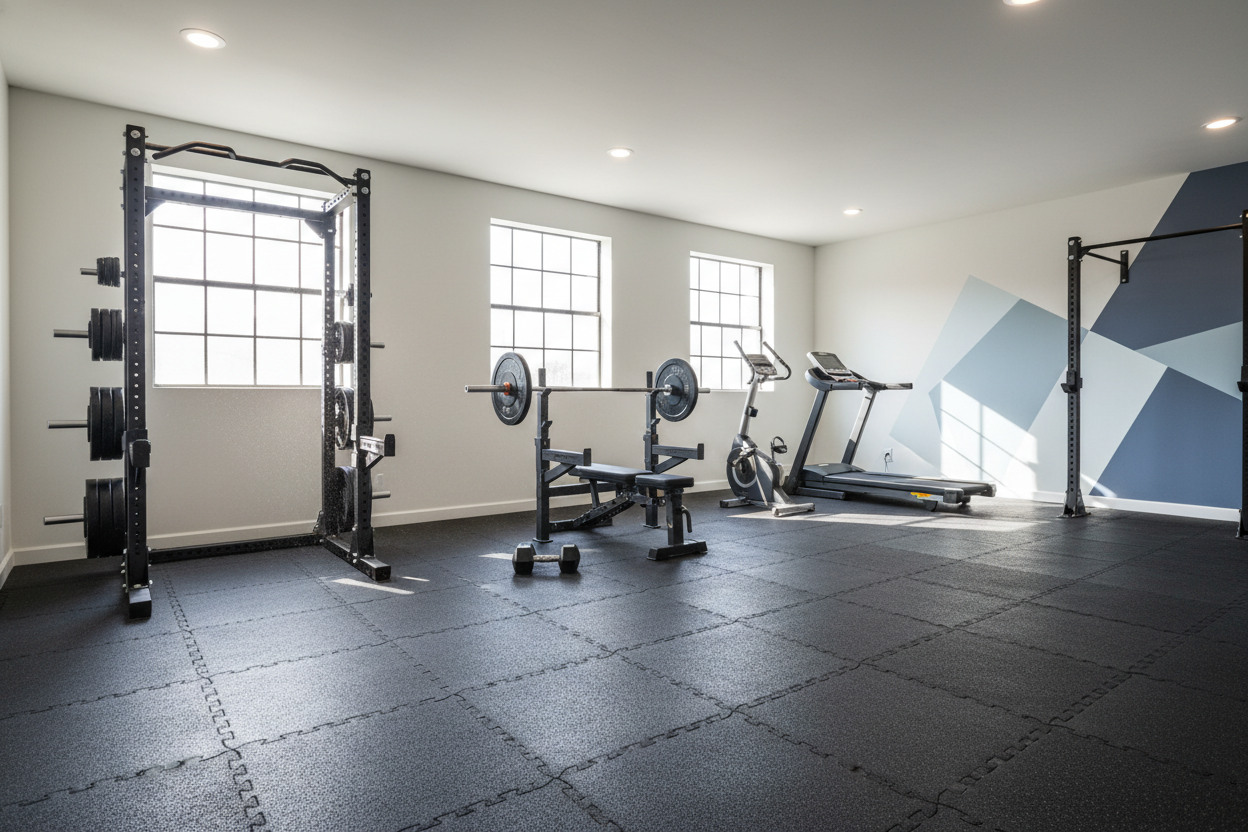
Then you have the plates. 'Iron' is the classic thin, loud plate that clanks. 'Bumpers' are made of dense rubber so you can drop them without shattering your concrete floor. You’ll also need 'collars'—those are the clips that keep the plates from sliding off. Don't be the person who lifts without them; I've seen a bar tip and fly like a catapult because one side lost its weights. If you are ready to turn this new vocabulary into actual purchases, check out Lifting Weight Equipment The Definitive Guide For 2024 for a deeper dive into what actually belongs in your gym.
Form and Technique: Concentric vs. Eccentric
Every lift has two main phases. The 'concentric' is the part where the muscle shortens—think of the 'up' part of a bicep curl or the 'push' in a bench press. This is where the glory happens. But the 'eccentric' is where the muscle grows. That’s the lowering phase. If you just let the weight gravity-drop after you hit the top, you’re leaving 50% of your gains on the table.
For example, when you’re doing a dumbbell press on a Gxmmat Adjustable Weight Bench, you should take about two to three seconds to lower the weights to your chest. That controlled eccentric phase creates more micro-tears in the muscle, which leads to more repair and more mass. Don't be the guy who slams the weights down; be the person who fights the weight on the way down. That's where the real work is done.
The Bro-Science Dictionary (Words to Ignore)
If someone uses the word 'toning,' feel free to stop listening. Muscles don't 'tone.' They either grow (hypertrophy) or they shrink (atrophy). What people call 'toning' is just building a little muscle and losing enough body fat to actually see it. It’s a marketing term used to sell pink 2-lb dumbbells to people who are afraid of getting 'bulky.'
Another one is 'muscle confusion.' Your muscles don't have brains; they can't be confused. They respond to stress. You don't need fifty different Weight Lifting Machines to 'confuse' your body into growing. You just need progressive overload—which is a fancy way of saying you need to do a little more than you did last week. Whether that's one more rep or five more pounds, that's the only 'confusion' your body needs.
How to Read Your First Real Workout Program
Let’s look at a standard block: 'Back Squat: 3x10 @ 70% 1RM, 2:00 rest.' This looks like code, but it’s simple. The '3' is the number of sets (how many times you do the whole thing). The '10' is the reps (how many times you move the bar per set). The '@ 70% 1RM' tells you exactly how much weight to put on the bar based on your best lift ever. The '2:00 rest' is the most ignored part—actually sit still for two minutes so your nervous system can recover.
If the program says '3x10 @ RPE 7,' it means you should pick a weight that is heavy enough that you could have done 13 reps if you really pushed it, but you stop at 10. This allows you to build volume without burning out. Reading a program is just about following the recipe. Don't add extra ingredients because you feel good, and don't skip the rest because you're in a hurry.
My Experience: The RPE Mistake
When I first saw 'RPE 8' in a program, I thought it was a suggestion, not a rule. I figured if 8 was good, 10 was better. I spent a month maxing out every single session because I thought 'going to failure' was the only way to grow. By week five, my elbows felt like they were filled with glass and I couldn't even bench the empty bar. I had to learn the hard way that these terms exist to protect you from your own ego. Follow the lingo, and you'll actually stay in the game long enough to see a change.
Frequently Asked Questions
What is a superset?
A superset is when you perform two different exercises back-to-back with no rest in between. Usually, these target opposing muscle groups, like a chest press followed immediately by a row.
What does 'PR' mean?
PR stands for Personal Record. It's the heaviest weight or the most reps you've ever done for a specific lift. In the gym world, a PR is cause for celebration.
What is 'progressive overload'?
This is the golden rule of lifting. It means gradually increasing the difficulty of your workouts over time—usually by adding weight, reps, or decreasing rest—so your body is forced to keep adapting and getting stronger.