Stop Mixing Powerlifting With Bodybuilding Weight Training
I remember staring at my power rack at 11 PM, wondering why my chest looked like a flat pancake despite finally hitting a 315-pound bench press. I had the numbers, but I didn't have the look. I was falling for the 'powerbuilding' lie that tells you that you can chase a world-class total and a Mr. Olympia physique at the same time in a 200-square-foot garage. Real bodybuilding weight training isn't about moving the most weight from point A to point B; it's about making a moderate weight feel like the heaviest thing on earth.
- Heavy singles fry the nervous system without providing enough volume for hypertrophy.
- Bodybuilding requires constant tension, which is often lost during max-effort powerlifting reps.
- Garage gyms need specific tools—like cables and adjustable benches—to hit the angles required for growth.
- Stop 'testing' your strength every week and start building it in the 8-12 rep range.
The Powerbuilding Trap That Is Wrecking Your Home Workouts
Social media has convinced us that if we aren't squatting 500 pounds, we have no business trying to build big quads. This 'hybrid' approach sounds great on paper, but in practice, it usually results in someone who is mediocre at both. When you treat a single workout as both a strength test and a hypertrophy session, you end up too tired for the high-rep work that actually triggers sarcoplasmic hypertrophy.
I spent two years trying to run a conjugate system while adding 'bodybuilding finishers.' All I got was joint pain and a physique that looked exactly the same, just slightly more tired. Weight training bodybuilding is a specific discipline. It requires a mind-muscle connection that you simply cannot achieve when you're grinding out a RPE 10 triple on the deadlift. You need to decide if you want to be the strongest guy on the block or the guy who actually looks like he lifts.
Why Your Nervous System Cannot Serve Two Masters
Max-effort barbell lifts are a massive tax on your central nervous system (CNS). When you load up a bar for a 3-rep max, your brain has to recruit every motor unit just to survive the rep. This leaves you 'fried.' By the time you get to your Bulgarian split squats or incline DB presses, your brain is sending weak signals to your muscles. You're moving the weight, but you aren't stimulating growth.
I've found that using strength training bodybuilding principles means staying away from that redline. If I'm doing heavy compound movements, I’m using strength training accessories like lifting straps and stiff belts to mitigate systemic fatigue. By taking my grip strength out of the equation on a heavy row, I can actually torch my lats without my forearms giving out first. The goal is to isolate the muscle, not survive the set.
How to Actually Program Strength Training for Bodybuilding
You still need to be strong, but you need 'bodybuilding strong.' This means reframing your relationship with the iron. Instead of chasing a 1-rep max, your goal should be to turn your 8-rep max into your 12-rep max with the same form. Progressive overload is the engine, but the rep range is the fuel. If you're dropping below 6 reps, you're entering powerlifting territory, and the injury risk-to-reward ratio starts looking ugly for a physique athlete.
In my own training, I stopped tracking my 1RMs entirely. I started focusing on 'tempo'—three seconds down, a hard squeeze at the top. It’s humbling. You might have to drop the weight on your bar by 30%, but your muscles will actually be under tension for 40 seconds instead of 10. That is how you grow. Strength training for bodybuilding is about progressive volume, not just progressive weight.
Outfitting Your Garage for Pure Muscle Growth
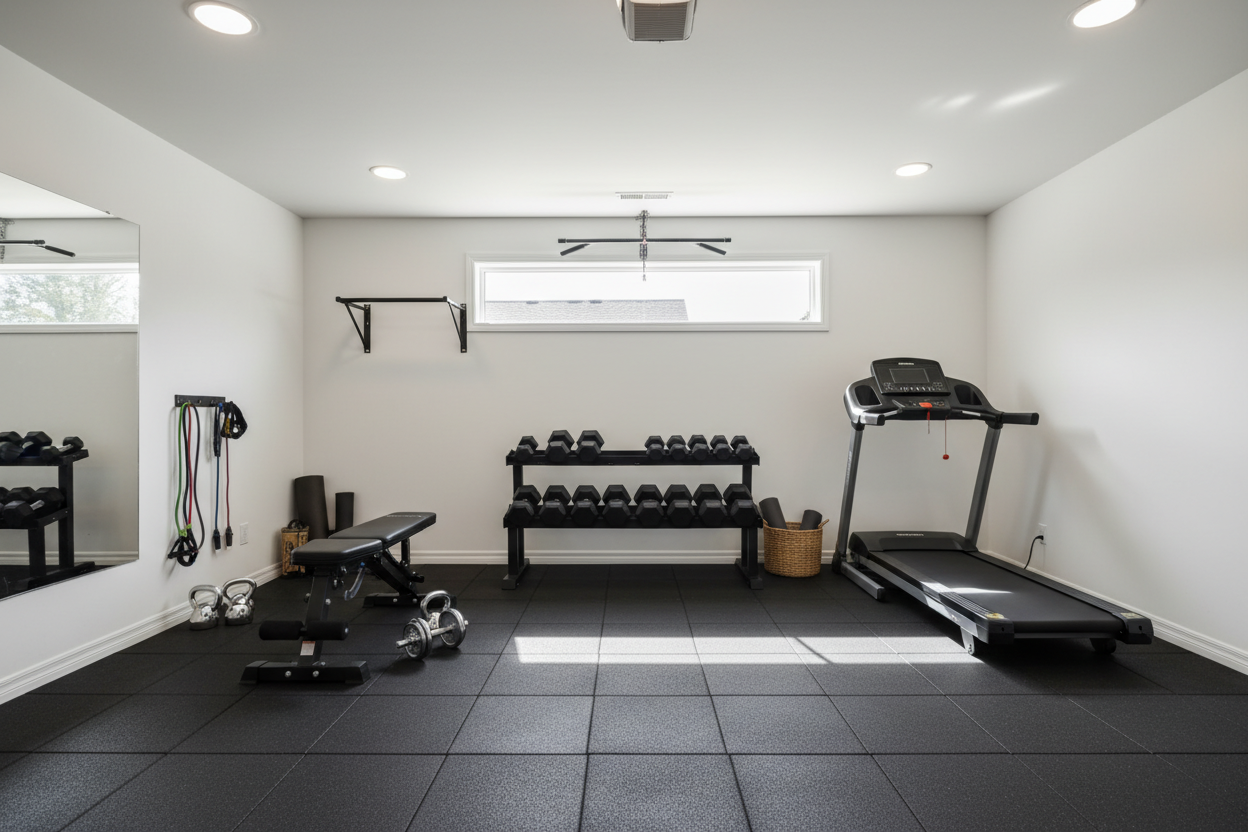
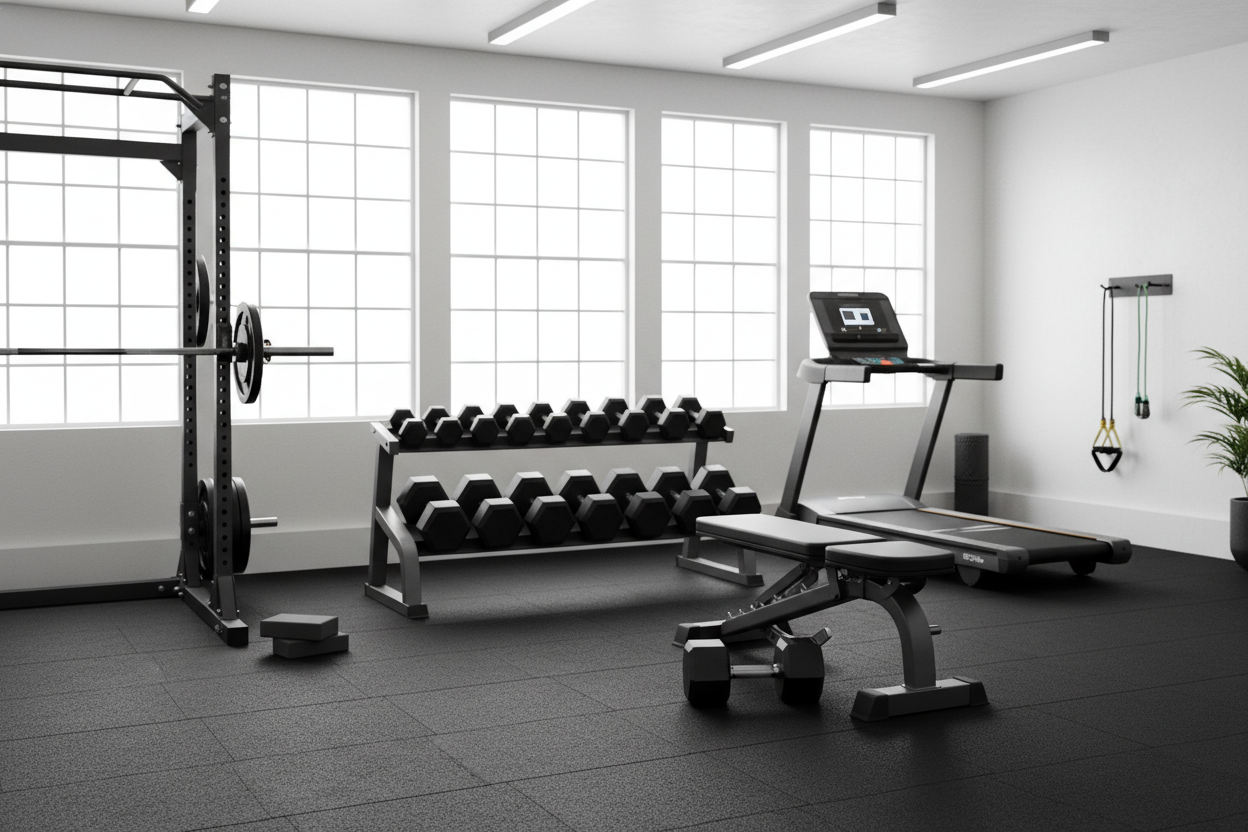
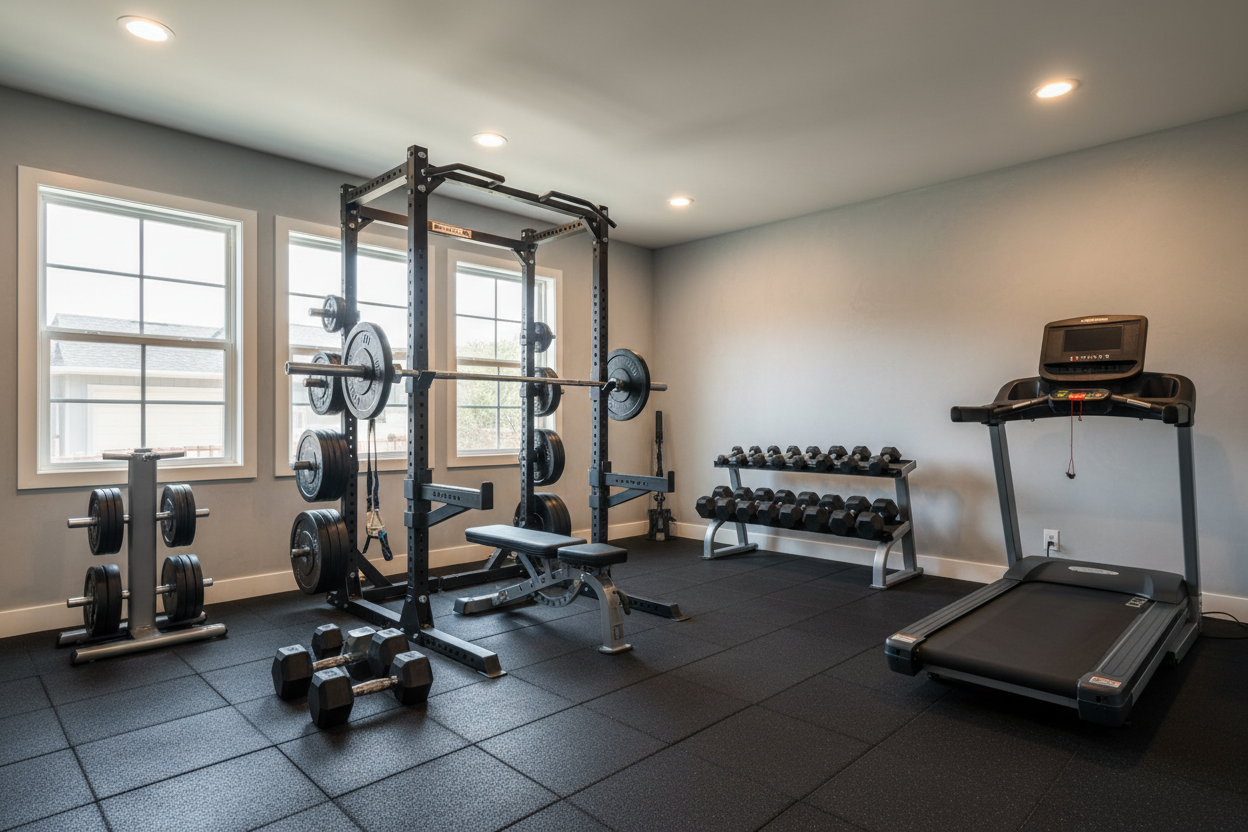
Most garage gyms are built for powerlifting: a rack, a bar, and some plates. But if you want to look like a bodybuilder, you need variety. You need to hit muscles from angles that a straight barbell simply won't allow. When choosing the best strength and weight training equipment, look for versatility over raw weight capacity. A rack that holds 1,000 lbs is cool, but a rack with a smooth cable attachment is better for growth.
The centerpiece of my setup is a high-quality adjustable weight bench. If your bench only does flat and 90 degrees, you're missing out on the 15, 30, and 45-degree angles that build a complete chest. I also recommend looking into weight lifting machines or functional trainers. A simple lat pulldown tower or a cable crossover allows for the constant tension that free weights lack at the top of the movement. It bridges the gap between a 'lifting shed' and a real bodybuilding sanctuary.
Strip the Ego and Chase the Muscle
It’s hard to be the person in the garage gym community who isn't posting 500-lb deadlift videos. But if your goal is aesthetics, you have to strip the ego. I once spent six months obsessed with my squat depth and weight, only to realize my legs hadn't grown an inch. I switched to high-rep hack squats and lunges, dropped the weight by half, and finally had to buy new jeans. Embrace the burn, ignore the 'powerbuilding' influencers, and commit to the mechanics of muscle. Your joints—and your mirror—will thank you.
Is bodybuilding weight training better than powerlifting for fat loss?
Hypertrophy-style training generally burns more calories per session because the volume and time under tension are higher. Powerlifting involves long rest periods between very short, intense bursts, which is less efficient for pure caloric expenditure.
Can I still use a barbell for bodybuilding?
Absolutely. The barbell is a great tool for rows, presses, and RDLs. Just keep the reps in the 8-15 range and focus on the squeeze rather than just hucking the weight up.
How many days a week should I train for size?
For most home lifters, 4 to 5 days is the sweet spot. This allows for a 'split' (like Upper/Lower or PPL) that hits every muscle group twice a week without destroying your recovery capacity.