I Took 8 Weeks Off: How to Maintain Muscle Mass Without Working Out
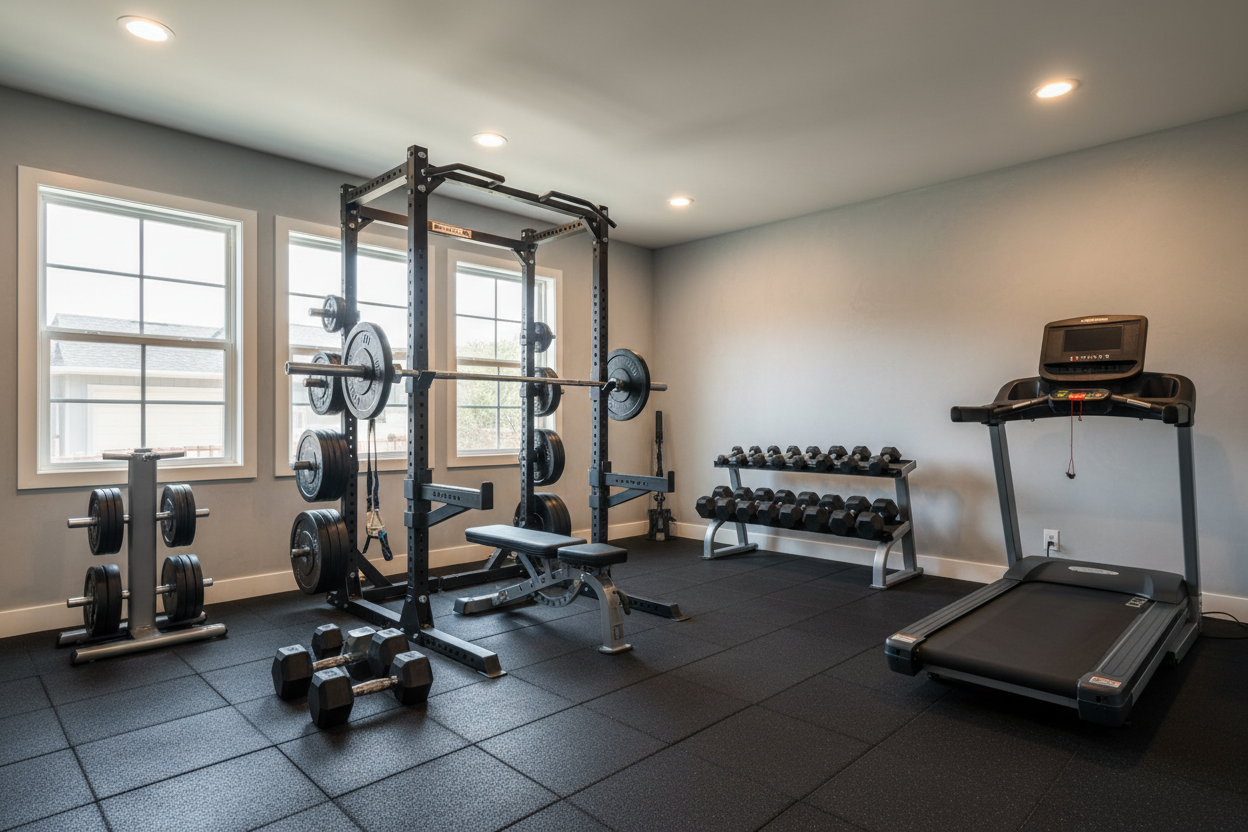
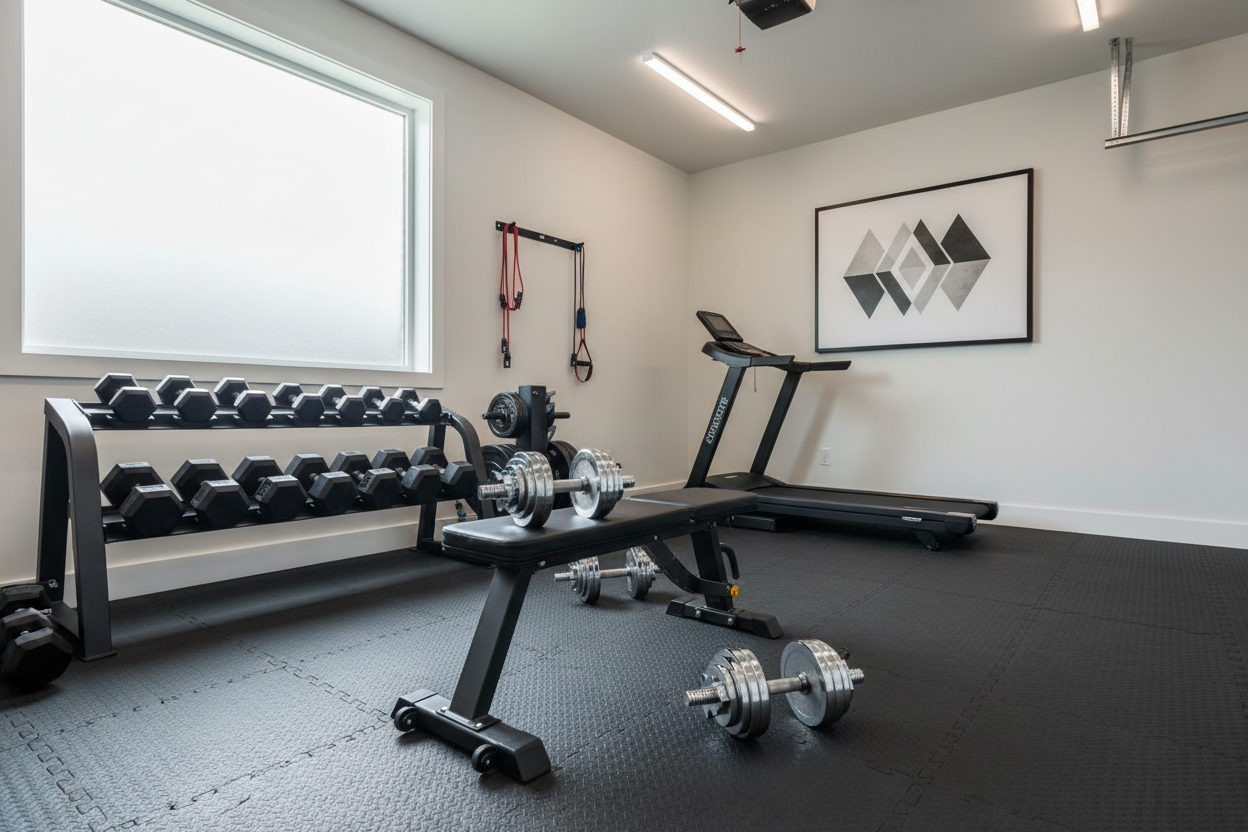
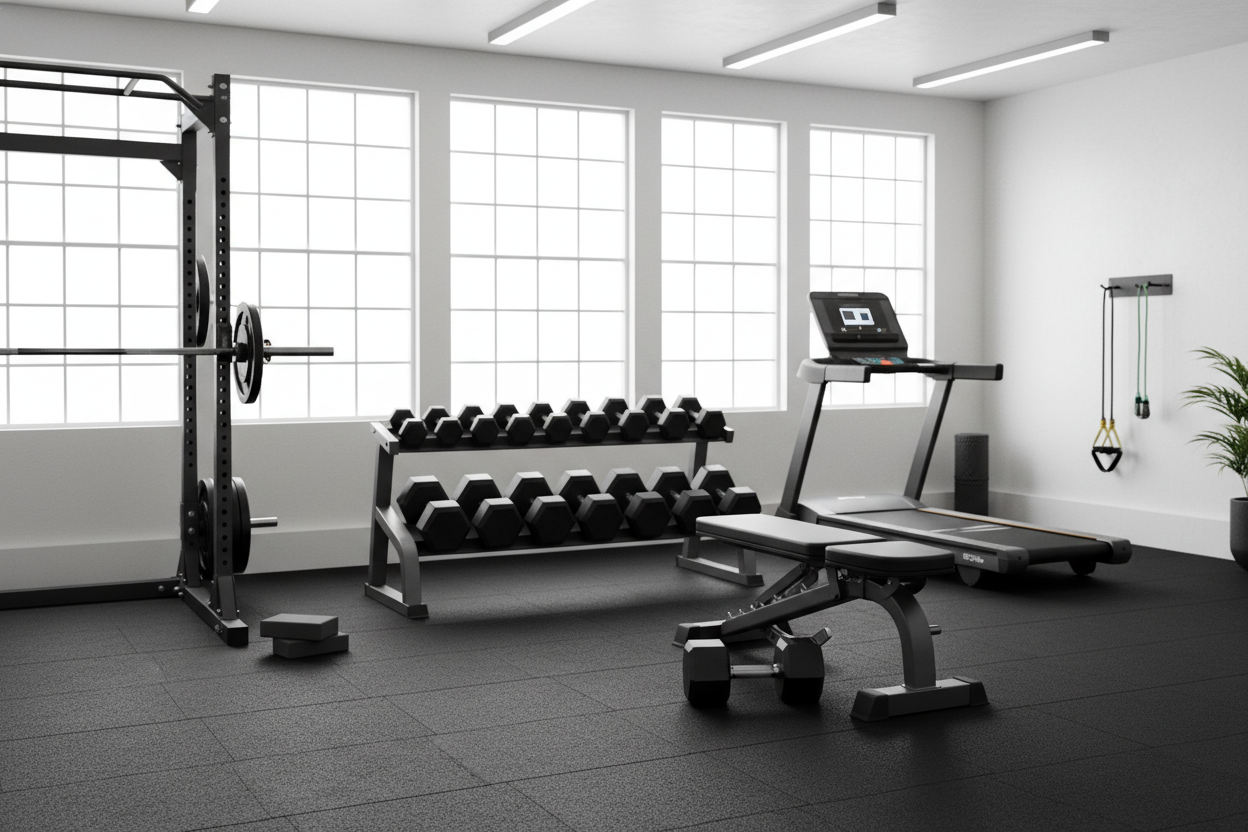
I’ve spent the last decade obsessing over my garage gym. I’ve compared the knurling on every barbell I’ve owned and spent way too much time debating the friction coefficients of different plate finishes. But two months ago, life hit the fan. Between a family emergency and a massive project at work, the iron stayed cold. I didn’t touch a weight for eight weeks, and the anxiety was real. I spent the first few days wondering how to maintain muscle mass without working out while my brain convinced me I was shrinking by the hour.
- Muscle loss takes much longer than you think (usually 3 weeks of total inactivity).
- Protein intake is your primary defense against catabolism.
- Maintenance volume is roughly 1/9th of what it takes to build new tissue.
- Muscle memory makes the comeback significantly faster than the initial build.
The Panic of Deflation (And Why It's Mostly in Your Head)
About ten days into my hiatus, I looked in the mirror and felt flat. My shirts felt looser in the shoulders, and the 'pop' was gone. I panicked. But here is the reality: I wasn’t losing contractile tissue. I was losing glycogen and water. When you stop training, your muscles stop storing as much fuel because they don't need it for immediate use.
Actual muscle atrophy—the breakdown of the protein fibers themselves—doesn't kick in for most people until about the three-week mark of absolute zero activity. If you're still walking, moving, and eating, you have a much longer runway than your reflection suggests. That 'deflated' look is just your muscles going into a low-power mode, not disappearing into thin air.
The Math of Retention: Is It Easier to Maintain Muscle Than Build?
The short answer is a resounding yes. If you've ever wondered, is it easier to maintain muscle than build, the science is heavily in your favor. Research consistently shows that you can maintain almost all your gains with about one-third to even one-ninth of your usual training volume. The body is efficient; it doesn't want to tear down expensive tissue if it doesn't have to.
Is it easy to maintain muscle? Compared to the grind of adding a quarter-inch to your arms, yes, it’s a breeze. Even when life throws you a curveball, knowing how to maintain muscle while recovering or dealing with stress is about doing the bare minimum rather than doing nothing. Your body fights to keep what it has already built because that tissue represents a hard-won adaptation to your environment.
Dietary Triage: Your Only Shield Against Catabolism
Since I wasn't providing any mechanical tension from my power rack, my diet became the only thing standing between me and muscle loss. This is where most people fail. They stop working out, get depressed, and stop eating. That is a recipe for atrophy. To keep your gains, you must prioritize protein like it's your job.
I kept my protein at 1 gram per pound of body weight, even on days I barely left my desk. Protein has a high thermic effect and provides the amino acids necessary to signal to your body that the existing muscle is still 'needed.' If you drop your protein while you're inactive, your body will look at those expensive biceps as a source of energy. Don't give it the excuse.
Calorie Adjustments: How to Maintain Muscle Mass Without Getting Bigger
The biggest fear during a layoff is 'turning to fat.' You want to know how to maintain muscle mass without getting bigger in the waistline. When your activity level drops, your Total Daily Energy Expenditure (TDEE) plummets. You can't eat like you're still smashing heavy triples if you're sitting on the couch.
I dropped my daily intake by about 400-500 calories to account for the lack of training. The goal is to hit 'maintenance' calories. Eating in a surplus while sedentary leads to fat gain; eating in a massive deficit leads to muscle loss. Find that middle ground. Use a basic TDEE calculator, set it to 'sedentary,' and hit those numbers exactly. It’s boring, but it works.
Micro-Dosing Tension: How to Maintain Strength With Zero Equipment
You don't need a 500-lb deadlift session to keep your nervous system alive. You can figure out how to maintain strength by simply 'reminding' your muscles to contract. I used isometrics. While sitting at my desk, I'd flex my quads or press my hands together as hard as possible for 10 seconds. It sounds silly, but it maintains neurological output.
If you have five minutes, do one set of pushups to failure. That’s it. Even keeping simple strength training accessories like a heavy resistance band in your drawer can help. One high-tension set of rows or face-pulls a day provides enough signaling to tell your brain, 'Hey, we still need these fibers.' It’s not about growth; it’s about preventing the 'use it or lose it' signal from turning on.
The Comeback: Why Muscle Memory is Your Best Friend
When I finally stepped back into my gym, the first session felt heavy. I’d lost some top-end strength, sure. But within two weeks, I was back to my old numbers. This is thanks to myonuclei—the 'control centers' of your muscle cells. Once you build them, they stay there for a very long time, even if the muscle fiber around them shrinks.
Don't let a few weeks of 'life' ruin your psyche. When you eventually return to your strength equipment, your body will remember exactly what to do. You aren't starting from scratch; you're just waking up a sleeping giant. The iron isn't going anywhere, and neither are your gains if you play your cards right.
FAQ
How long does it take to lose muscle?
For most people, actual muscle tissue loss begins after 3 to 4 weeks of complete inactivity. However, if you keep your protein high, this window can be even longer.
Can I maintain muscle with just bodyweight exercises?
Absolutely. High-intensity bodyweight movements like chin-ups or Bulgarian split squats provide more than enough tension to maintain muscle indefinitely.
Will I get fat if I stop working out for a month?
Only if you keep eating like an athlete. Adjust your calories down to a sedentary maintenance level, and you'll keep your body composition stable until you return to the gym.