Stop Jogging: The Truth About Conditioning for Weightlifters
I remember finishing a heavy set of triples on the platform and feeling like I needed an oxygen tank. It is an embarrassing realization: you can squat 400 pounds, but you are winded walking up the stairs to the kitchen. Most of us respond to that feeling by doing something stupid, like signing up for a 10k or doing a bunch of high-rep burpees until we puke. This is a mistake.
Proper conditioning for weightlifters is not about becoming a marathon runner. It is about building a engine that allows you to handle more volume and recover faster between sets. If you do it wrong, you will watch your vertical jump disappear and your squat numbers tank. If you do it right, you will actually feel like an athlete again instead of a slow-moving statue.
Quick Takeaways
- Avoid high-impact cardio (like long-distance running) that creates massive systemic fatigue.
- Focus on 'concentric-only' movements like sled pushes to avoid muscle soreness.
- Conditioning should happen after your lifting or on off-days, never before.
- Low-impact machines like air rowers provide the best bang-for-your-buck for heart health.
Why Your Current Cardio is Stealing Your Gains
The 'interference effect' is real, and it is the reason your squat has been stuck for six months. When you go for a five-mile run, you are sending a signal to your body to become efficient, small, and aerobic. This directly contradicts the signal you send when you are trying to move a heavy barbell. Your central nervous system has a limited budget for recovery; if you spend it all on the pavement, there is nothing left for the rack.
Running also introduces a massive amount of eccentric stress and joint pounding. For a lifter who is already putting 300+ pounds on their back, that extra impact on the knees and ankles is a recipe for tendonitis. You do not need to 'build grit' by suffering through a jog. You need to build capacity without destroying your ability to produce force.
The Actual Goal of Conditioning for Weightlifters
We need to redefine what being 'in shape' means for a strength athlete. You do not need to run a sub-20-minute 5k. You need the ability to recover in three minutes between heavy sets of five instead of ten. This is called work capacity. If you can do 10 sets of 3 at 80% with short rest intervals, you are going to get stronger than the guy who needs 15 minutes of scrolling Instagram to catch his breath between sets.
We are looking for 'aerobic base' work that keeps the heart rate in a specific zone without causing muscle damage. This allows you to flush waste products from your muscles and improves your sleep quality. It is a support system for the barbell, not a replacement for it.
Stop Doing Random Burpees (Do This Instead)
Burpees are just sloppy movement disguised as exercise. For weightlifters, we want movements that are low-skill and low-impact. We categorize these into alactic power (short bursts) and aerobic capacity (longer, steady work). The goal is to avoid the 'lactic acid burn' that leaves your legs feeling like lead the next day. If you are too sore to hit your percentages tomorrow, you did your conditioning wrong.
The Magic of Heavy Sled Pushes and Carries
Sled pushes are the ultimate cheat code for lifters. Because there is no eccentric (lowering) portion of the movement, there is almost zero delayed onset muscle soreness (DOMS). You can push a sled until your lungs are on fire, wake up the next day, and still hit a heavy squat session. It builds incredible leg drive and spikes your heart rate to the moon without the joint wear and tear of sprinting.
Farmer's carries are the same. They build your grip, your core stability, and your upper back—all things that help your deadlift—while forcing your heart to work overtime. I usually tell people to grab the heaviest kettlebells they can handle and walk until their grip fails. It is simple and it works.
Why I Finally Bought a Rower
I spent years resisting 'cardio machines' because I thought they were for people who did not like to lift. I was wrong. I eventually realized that getting elite conditioning on an air rower is far superior to running for a heavy lifter. It is low impact, it uses the entire body, and the seated position translates surprisingly well to the leg drive needed in a deadlift.
Rowing sprints are brutal but effective. A 500-meter row at max effort will tell you everything you need to know about your current fitness level. It is a tool for efficiency. You can get a world-class conditioning session done in 15 minutes and get back to the chalk bucket.
How to Program Cardio Without Ruining Your Lifts
Timing is everything. Never do your conditioning before you lift. You want your nervous system fresh for the heavy weights. Ideally, you do your 'gassers' immediately after your lifting session or on a completely separate day. If you have a heavy squat day on Monday, do not do a brutal sled session on Sunday. You want to be fresh.
Keep your sessions short. 10 to 20 minutes is usually plenty. If you try to cram in those intense 60-minute fat killer HIIT sessions the day before you go for a 1RM squat, you are going to have a bad time. Scale the intensity based on your lifting schedule. If it is a deload week for weights, you can push the conditioning a bit harder.
Setting Up Your Garage for Quick Gassers
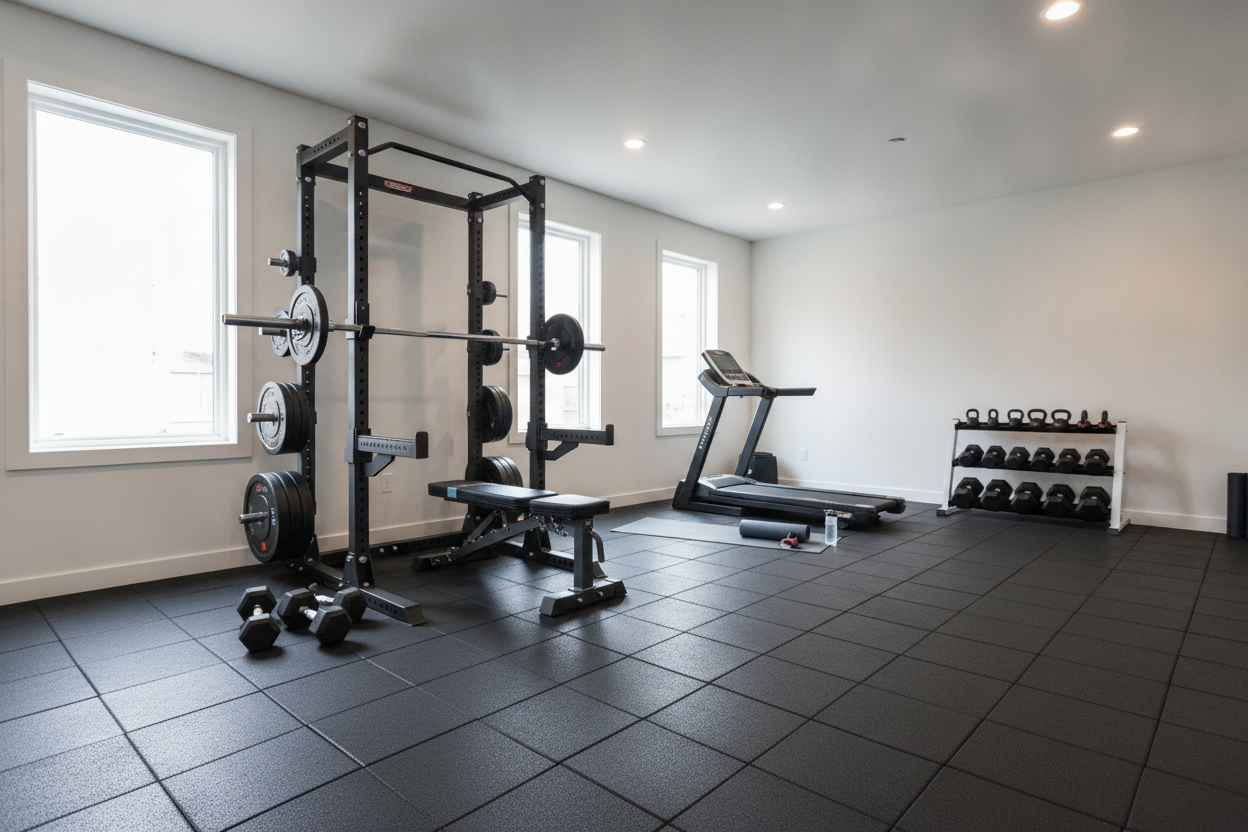
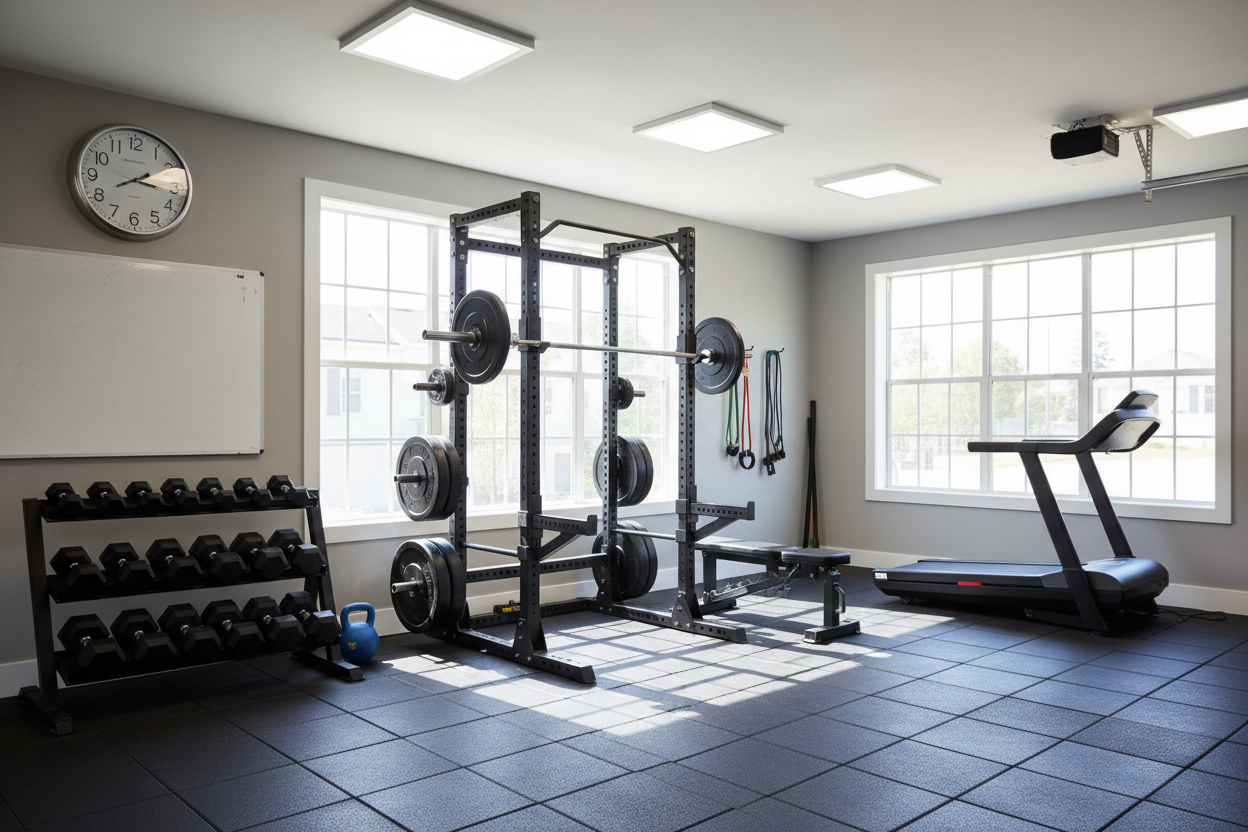
You do not need a commercial gym membership to get in shape. For a garage gym, the bare minimum is a heavy kettlebell, a jump rope, and a place to move. You'll want a large exercise mat for cardio to protect your joints and your floor from those heavy kettlebell drops or high-cadence jump rope sessions. Concrete is unforgiving on the shins.
If you have the space, a sandbag is another great investment. Carrying a 150-pound sandbag for 100 feet will do more for your 'real world' fitness than any elliptical machine ever could. It is about being useful, not just looking the part.
Personal Experience: My Biggest Mistake
I used to think that to be 'fit,' I had to run three miles every morning. I was training for a local powerlifting meet and wondered why my knees felt like they were filled with crushed glass. I was stubborn. I kept running until my squat actually started going backwards. I dropped 20 pounds off my total in a month. The day I swapped the running for sled drags and short rower intervals, my recovery skyrocketed and the pain vanished. Don't be a hero; be a specialist.
FAQ
Will conditioning make me lose muscle?
Only if you do it like a marathoner. Short, intense sessions or low-intensity steady-state (LISS) like walking actually help muscle growth by improving nutrient delivery and recovery.
How many days a week should I do conditioning?
Two to three sessions of 15-20 minutes is the sweet spot for most strength athletes. Anything more starts to eat into your recovery budget.
Can I just do high-rep sets of squats for cardio?
No. That is just more strength training. True conditioning needs to target the cardiovascular system without the same level of mechanical tension and CNS fatigue as a barbell squat.