Stop Handing Seniors 2lb Weights: Strength Training for Women Over 60
I recently walked into a local community center and saw a group of women in their 60s and 70s sitting in folding chairs, waving neon-pink 1-lb dumbbells like they were conducting a slow-motion orchestra. It made my blood boil. If you want to actually change your body composition and protect your skeleton, you need to stop treating your body like it is made of glass. When we talk about strength training for women over 60, we are not talking about 'toning' or 'staying active.' We are talking about survival and independence.
- 2lb weights are for physical therapy, not for building life-changing muscle.
- Bone density requires mechanical loading—walking is great, but it is not enough.
- Compound movements like box squats and incline presses are the gold standard for longevity.
- Safety comes from stability and proper form, not from avoiding effort.
The Infantilization of Older Female Lifters
The fitness industry has a patronizing habit of treating anyone over retirement age like they are one wrong move away from shattering. This 'Silver Sneakers' complex—where workouts are reduced to seated arm circles and marches in place—is insulting. It is also ineffective. Muscle loss, or sarcopenia, is an aggressive thief. By the time you hit 60, you have already been losing muscle mass for decades unless you have been actively fighting back. Handing a woman a 2-pound weight and telling her to 'feel the burn' is like trying to put out a forest fire with a squirt gun.
Strength training for senior women needs to be exactly that: training for strength. Your muscles do not lose the ability to grow just because you have more candles on your cake. They just require a clearer signal to do so. That signal is called 'intensity.' If you can do 20 reps of an exercise and not feel like you need to sit down and catch your breath, you are not training; you are just moving. Movement is better than nothing, but it won't stop you from losing the ability to get up off a low sofa in ten years. We need to shift the perspective from 'don't hurt yourself' to 'get strong enough so the world can't hurt you.'
Why Walking Isn't Enough: The Real Benefits of Weight Training Over 60
I hear it all the time: 'I walk three miles a day, I’m fine.' Look, I love a good walk. It’s great for your heart and your mental health. But walking does almost nothing for your upper body strength and very little for your bone density. Weight training for over 60 women is about structural integrity. When you lift something heavy, your muscles pull on your bones. That stress signals your body to deposit more minerals into the bone matrix. This is how you fight osteopenia and osteoporosis. You cannot walk your way to stronger hip bones.
Strength training for over 60 also acts as your metabolic engine. Muscle tissue is metabolically expensive—it burns more calories at rest than fat does. If you’re wondering why your weight is creeping up despite eating the same as you did at 40, it’s likely because your 'engine' has shrunk. Weight training over 60 is the only way to rev that engine back up. Beyond the scale, it’s about fall prevention. When you trip on a rug, it isn't your 'cardio' that saves you. It’s the fast-twitch muscle fibers in your legs that fire to stabilize your frame. Weightlifting over 60 builds the armor that keeps a trip from becoming a hip fracture.
Setting Up a Safe, Unintimidating Home Space
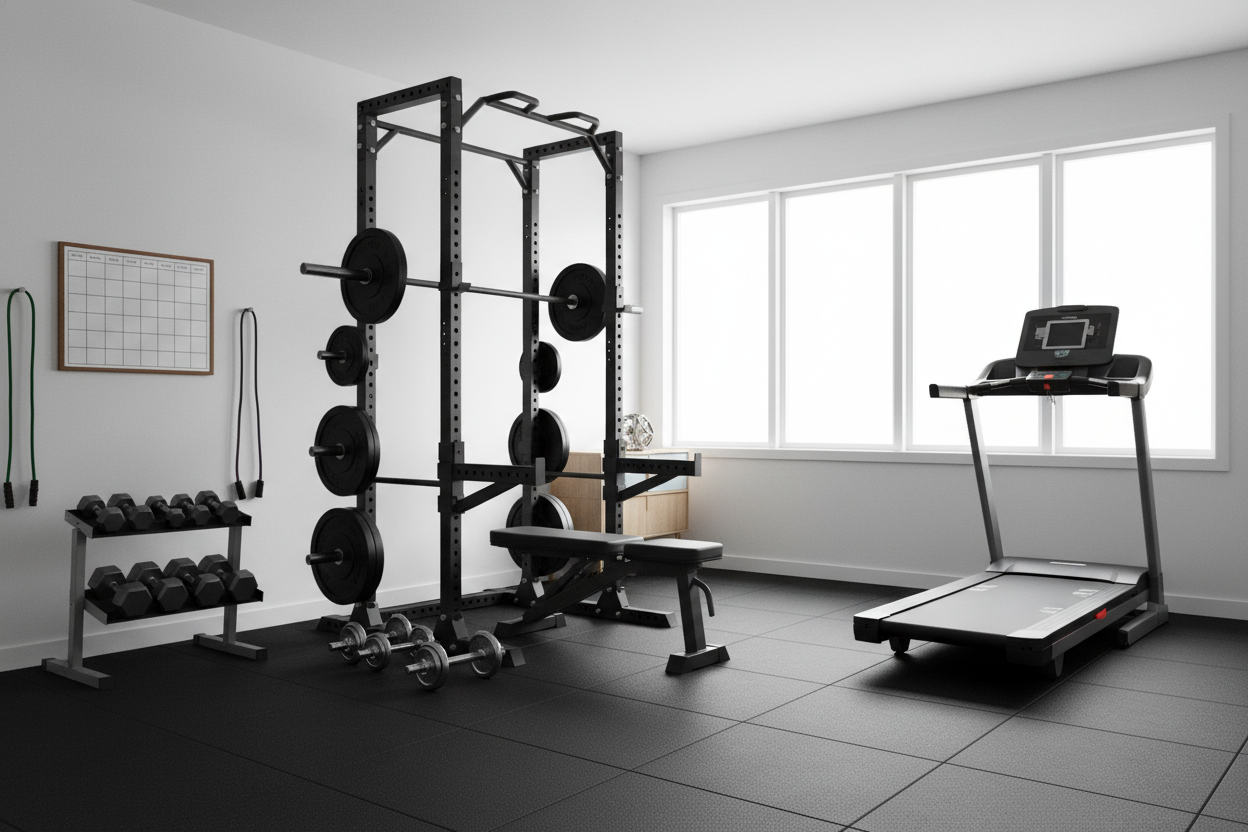
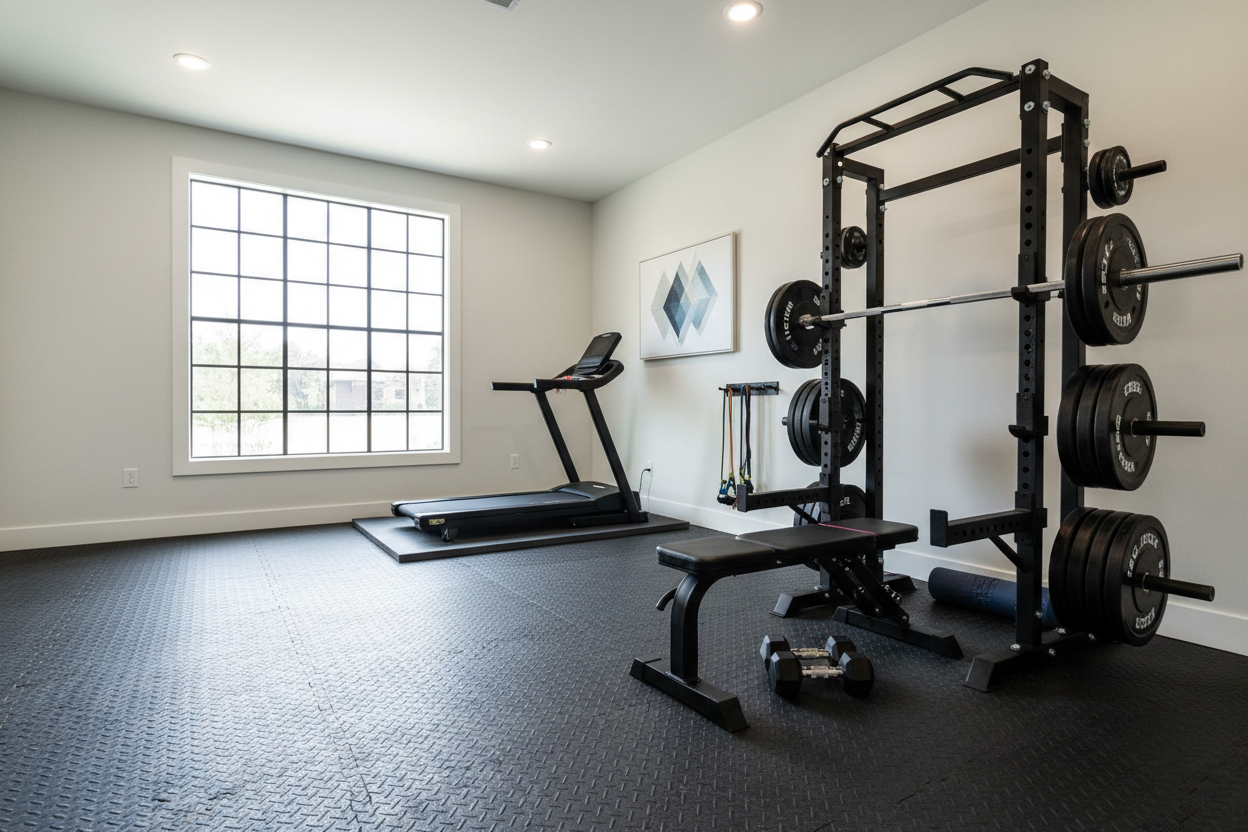
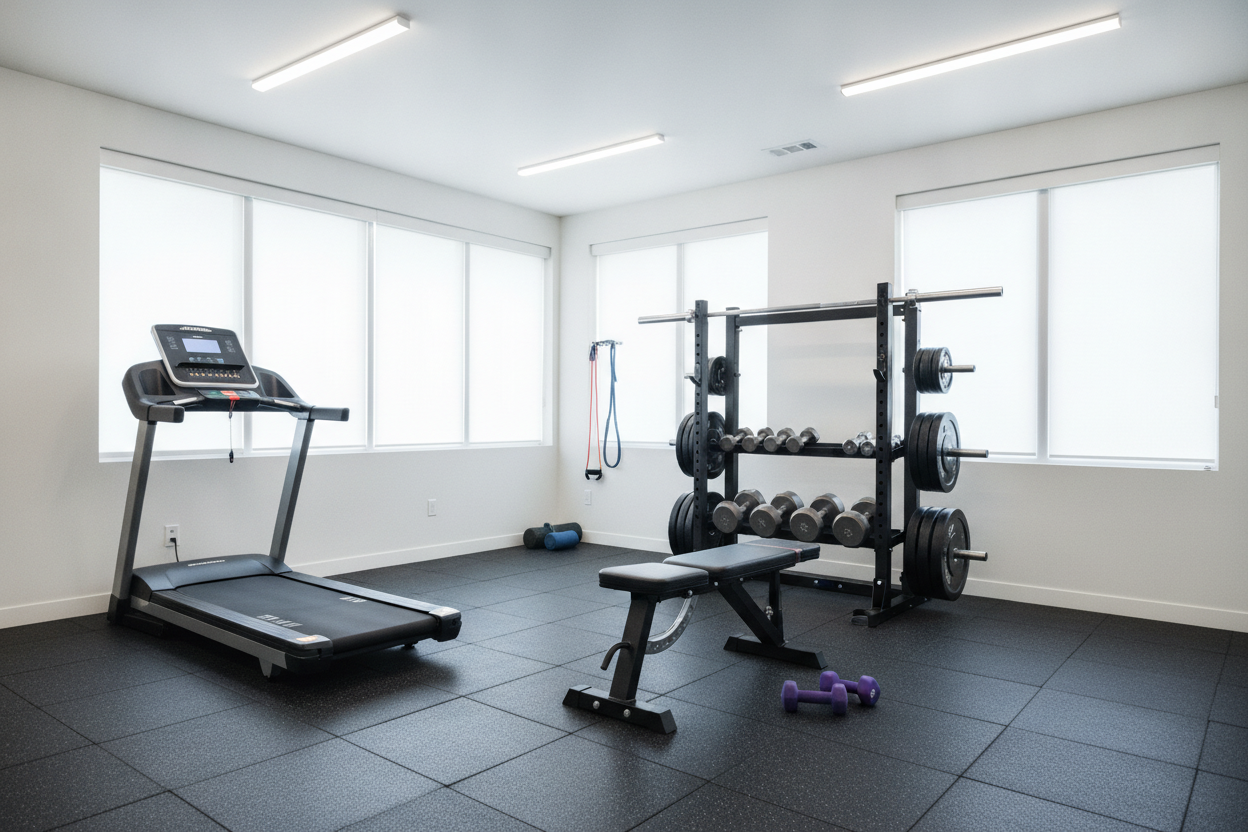
You do not need a commercial gym membership to get results. In fact, for many, the 'big box' gym is a deterrent because of the noise and the crowds. A home setup should focus on stability. I’ve seen people try to lift while standing on shaggy carpet or using rickety kitchen chairs as 'benches.' That is how accidents happen. Start by choosing the best strength and weight training equipment for your goals, focusing on items that offer a high weight capacity and a small footprint.
At the bare minimum, you need a solid surface. I always recommend the Gxmmat Adjustable Weight Bench because it has a wide base and doesn't wobble when you sit down. Stability is your best friend when you are starting out. For weights, skip the 50-piece sets. Get a pair of adjustable dumbbells or a few 'hex' dumbbells in weights that actually feel challenging—think 8lbs, 10lbs, and 15lbs to start. If you can’t curl it at least 8 times, it’s too heavy. If you can do it 20 times without breaking a sweat, it’s a paperweight. You want a 6x8 foot space with some rubber flooring to protect your joints and your floor. That is all you need to build a powerhouse.
Machines vs. Free Weights: What Actually Works Better?
There is a lot of elitism in the lifting world about free weights being 'superior.' While dumbbells are great for building stabilizing muscles, weight lifting machines have a massive role to play in strength training for 60 year olds. Machines provide a fixed path of motion. This means you don't have to worry about the weight tipping left or right while you are trying to focus on the muscle. If your balance is a concern, starting on a seated chest press machine or a leg extension machine is a brilliant move. It allows you to push your muscles to true fatigue without the fear of dropping a weight on your foot.
That said, don't stay on machines forever. Free weights force you to use your core and your balance. A healthy mix is the sweet spot. Use machines for the heavy 'grind' sets where you want to safely push your limits, and use dumbbells for movements that mimic real-life tasks, like carrying a heavy suitcase or reaching for a high shelf. Over 60 strength training is about being 'anti-fragile,' and that requires a body that knows how to stabilize itself in three-dimensional space.
A BS-Free Blueprint: Weight Exercises for Women Over 60
Stop overcomplicating your routine. You don't need a different workout every day. You need to do the same five or six movements and get progressively better at them. I recommend a 3-day-a-week full-body split. This gives your central nervous system 48 hours to recover between sessions. Focus on: 1. The Box Squat (sit down on your bench and stand back up), 2. The Incline Pushup (hands on the bench, not the floor), 3. The Seated Row (use a resistance band or a machine), and 4. The Overhead Press (seated to protect your lower back).
If you find that your hands are the first thing to give out, don't let that stop you. Many strength training accessories like lifting straps or padded gloves can help you maintain your grip on the weights so your legs and back can actually get the workout they need. Strength training for over 60 female lifters often gets derailed by minor arthritis or grip issues; these tools are not 'cheating,' they are necessary equipment. Remember to track your reps. If you did 10 reps at 10lbs last week, try for 11 reps this week. That tiny jump is where the magic happens. Weight training for 60 year olds is a marathon of small, consistent wins.
How to Measure Progress When the Scale Doesn't Budge
If you are lifting weights at 60, you have to stop obsessing over the scale. Muscle is denser than fat. You might lose two inches off your waist and not see the scale move a single pound. That is a massive victory. Instead of the scale, track your 'functional milestones.' Can you carry all the groceries in one trip? Can you get up from the floor without using your hands? Can you lift a carry-on bag into the overhead bin without help? These are the real metrics of weightlifting after 60.
My own mother started lifting at 64. She was terrified of 'getting big.' Six months in, she called me to brag that she had moved a heavy oak coffee table by herself to vacuum underneath it. She didn't care about her BMI; she cared about her autonomy. That is the heart of strength training after 60. It isn't about looking like a bodybuilder; it’s about making sure the world doesn't feel too heavy for you to handle. Stop waving the pink weights and start moving some iron. Your 80-year-old self will thank you.
Is it safe to lift weights if I have arthritis?
Yes, and it is usually recommended. Strengthening the muscles around a joint takes the pressure off the joint itself. Just start with a limited range of motion and avoid anything that causes 'sharp' pain. Dull aching is often just part of the process.
Will I get bulky if I lift heavy?
No. Women over 60 do not have the hormone profile to build massive, bulky muscles. You will simply look firmer and feel much stronger. 'Bulky' is a myth that keeps women from getting the results they want.
How many days a week should I train?
Two to three days is the sweet spot. Recovery takes longer as we age, so don't try to lift every single day. Your muscles grow while you are resting, not while you are in the gym.