The Basic Weightlifting Program I Run When Life Gets Crazy
I remember staring at a 12-week powerlifting spreadsheet three years ago, feeling like a total failure because I’d missed my fourth session in a row. My kid was teething, work was a dumpster fire, and the thought of a two-hour session involving five different accessory movements felt like a second job. That is when I realized most advice out there is written for people whose entire life revolves around the gym. For the rest of us, we need a basic weightlifting program that actually fits between real-world obligations.
- Focus on big movements: Squats, hinges, pushes, and pulls do 90% of the work.
- Frequency over intensity: Showing up three times for 45 minutes beats one epic three-hour session.
- Progressive overload: You don't need new exercises; you need more weight or better form.
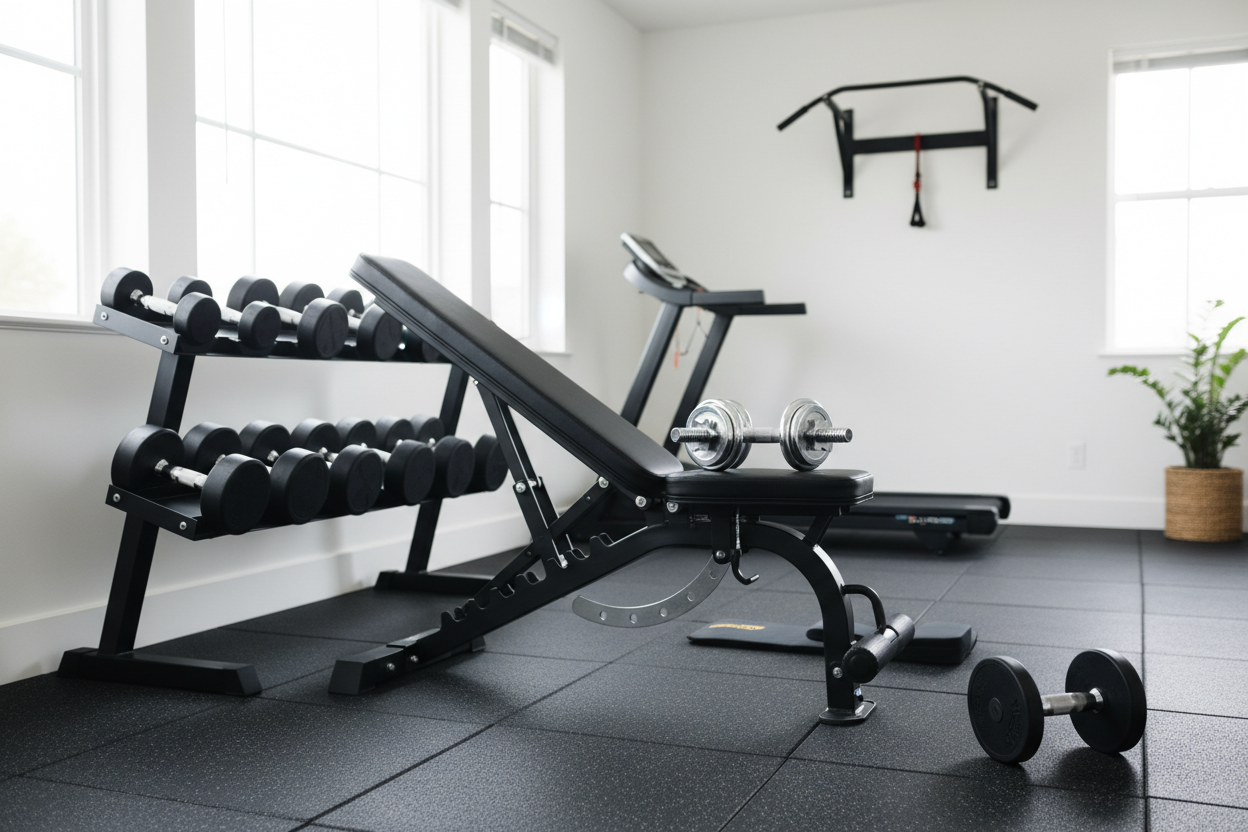
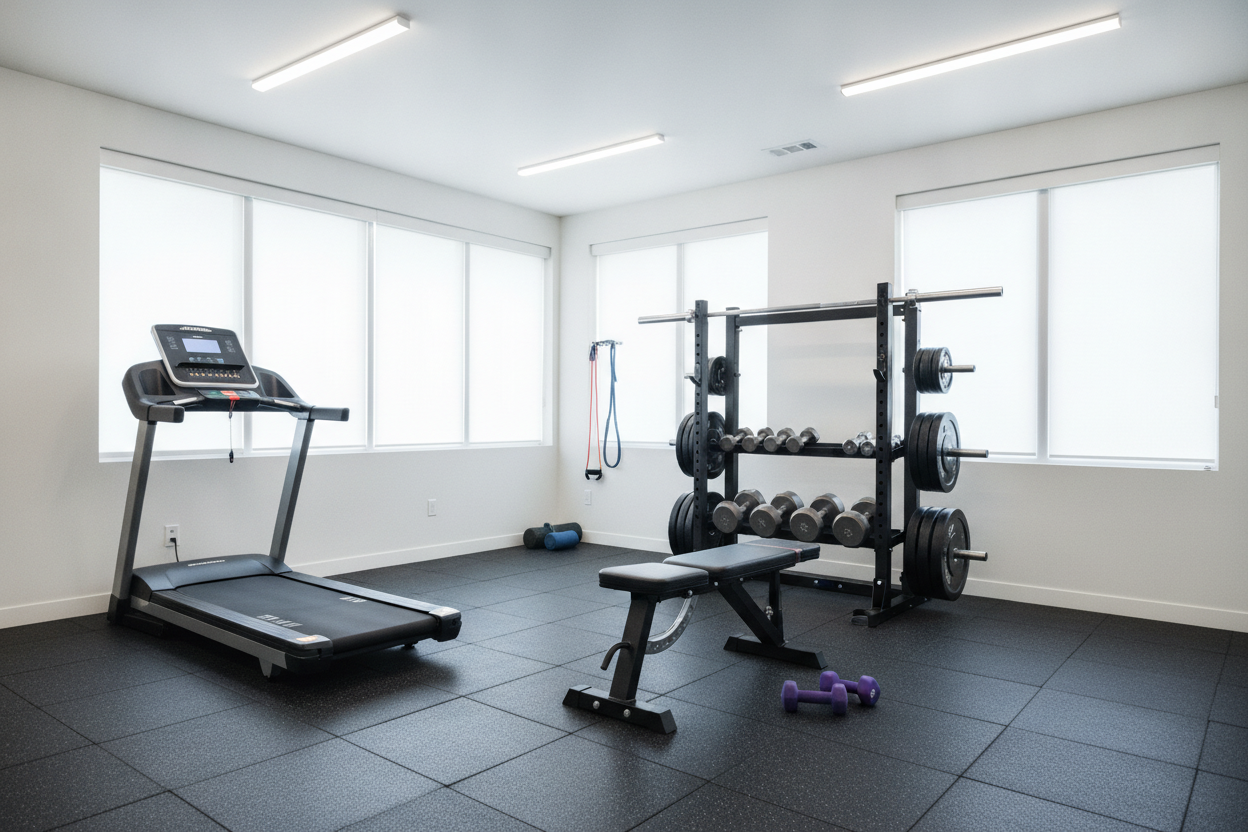
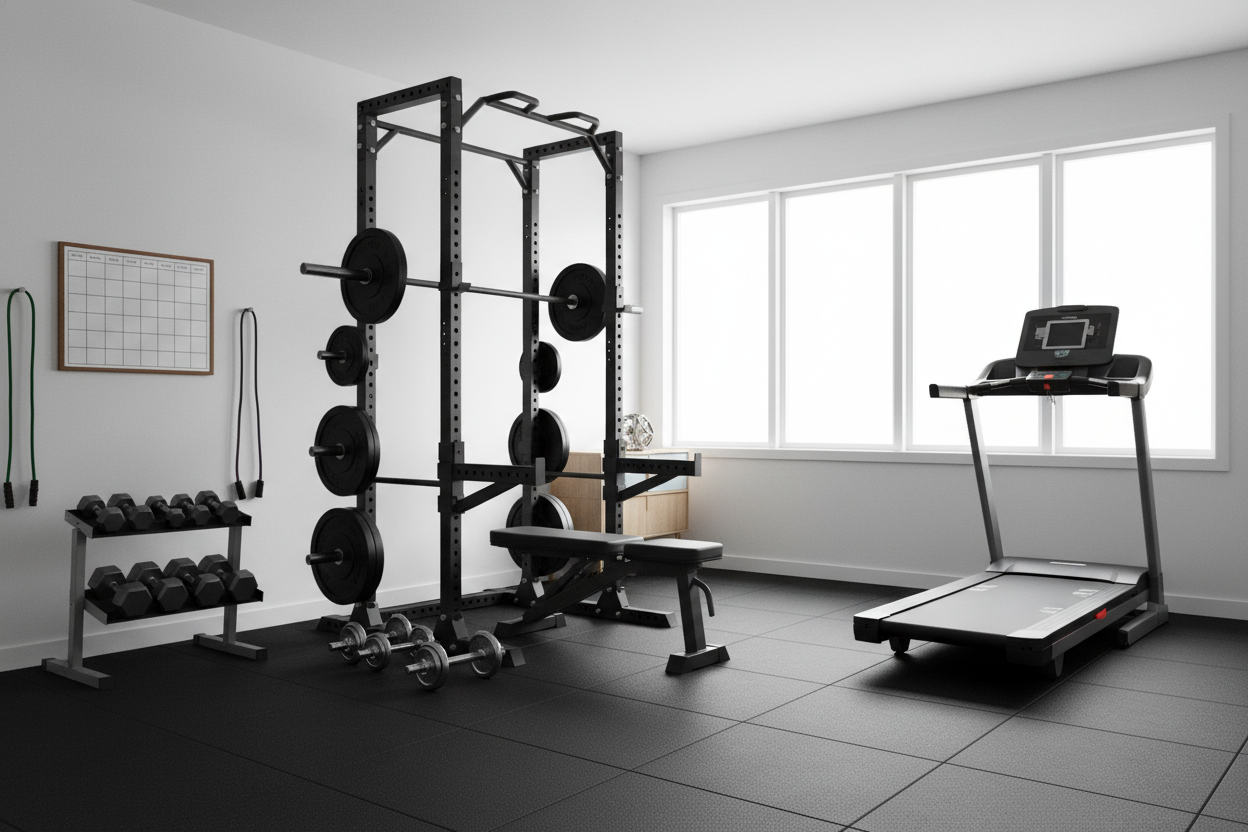
- Minimalist gear: A rack, a bench, and a bar are all that really matter.
The Trap of the 'Perfect' 6-Day Split
We’ve all been there. You see a pro bodybuilder’s routine online and think, 'If I just follow this exactly, I’ll look like that.' It’s a lie. Those 6-day-a-week high-volume splits are designed for people with elite recovery and very few distractions. For someone with a mortgage and a 9-to-5, that schedule is a recipe for burnout and injury. I spent years trying to force-fit those routines, and looking back, I realize it was the weight lifting training guide I wish I had at 20 that emphasized simplicity over complexity.
A simple weight lifting workout isn't 'easy.' In fact, it’s often harder because you can’t hide behind fluff. When your program only has three exercises, you have to put every ounce of effort into those movements. You stop chasing a 'pump' and start chasing performance. This shift in mindset is what separates people who actually build muscle from those who just move light weights around for an hour before hitting the sauna.
What Actually Belongs in a Lifting Regimen for Beginners (and Busy Lifters)?
If you want a lifting regimen for beginners that actually sticks, you have to kill your darlings. You don't need three different types of lateral raises. You don't need a dedicated 'arm day' yet. You need to get exceptionally good at moving heavy objects through a full range of motion. This means prioritizing compound movements—exercises that use multiple joints and muscle groups simultaneously.
Think of your training like a budget. You only have so much energy (currency) to spend each day. Spending it on calf raises is like buying a designer keychain when you can't afford rent. Spend your energy on the big stuff: squats, deadlifts, presses, and rows. This approach isn't just for beginners; it's the same foundation I return to every time my schedule gets tight. By eliminating junk volume, you reduce systemic fatigue, allowing you to recover faster and stay consistent month after month.
The Basic Weightlifting Program: The Exact Blueprint
This is a 3-day full-body split. It’s designed to be done on non-consecutive days (like Monday, Wednesday, Friday). This weight lifting schedule for beginners ensures you hit every major muscle group frequently enough to trigger growth without wrecking your central nervous system. This beginner weight training workout routine is about efficiency. We are in, we are out, and we are getting stronger.
For every exercise, aim for 3 sets of 8-12 reps. If you can hit 12 reps on all three sets with good form, add 5 pounds next time. This is a free beginner weight training program that relies on the most basic principle of physiology: adapt or die. If you keep the stimulus the same, your body has no reason to change. If you're looking for a simple weight training program, this is the skeleton you build everything else on.
Day 1: Lower Body & Core Essentials
We start with the King: the Back Squat. If your mobility is trash, start with Goblet Squats. Aim for depth, not just weight. Follow this with Romanian Deadlifts to hit the hamstrings and glutes. Finish with a heavy carry—pick up the heaviest dumbbells you can hold and walk for 40 yards. It’s the most functional core work you’ll ever do. No crunches required.
Day 2: Upper Body Grunt Work
Focus on the Overhead Press first. It’s the ultimate test of upper body strength. Use a barbell or heavy dumbbells. Pair this with Pull-ups or Lat Pulldowns. If you can't do a pull-up yet, use a band for assistance. Finish with the Floor Press. It’s like a bench press but with a limited range of motion that saves your shoulders and torches your triceps. This is the 'meat and potatoes' of any beginners lifting program.
Day 3: Full Body Cleanup
This is where we fill in the gaps. Start with Lunges—either walking or stationary. They build unilateral strength and balance that squats can't touch. Follow up with Barbell Rows for a thick back. Finally, do some 'fun' work: 3 sets of bicep curls and 3 sets of tricep extensions. You’ve earned it. This weight training programme for beginners works because it covers all the bases without requiring a PhD in kinesiology.
Gear Talk: Getting Away With the Bare Minimum
You don't need a $5,000 club membership. If you're building a home setup, the most important piece of kit is a solid rack. I personally recommend the Gxmmat X6 Power Rack Weight Bench Package. It’s a one-and-done solution that handles squats, presses, and pull-ups safely. The footprint is manageable for most garages, and the 14-gauge steel is plenty for anyone not planning on squatting 800 pounds tomorrow.
If you're tight on space or just starting out with dumbbells, at least get a decent bench. The Gxmmat Adjustable Weight Bench is a sleeper hit. It’s sturdy, doesn't wobble when you're pressing 75s, and folds up when you're done. Avoid those cheap, plastic-feeling benches you see on big-box retail shelves; they feel like they’re going to collapse the moment you pick up a heavy weight. Trust me, I’ve been there, and a wobbling bench is the fastest way to kill your confidence on a heavy set.
How to Keep Making Progress When the Routine Gets Boring
The biggest enemy of a simple weight lifting workout isn't lack of results—it's boredom. You’ll be tempted to switch things up after three weeks. Don't. Instead of changing the exercises, change the variables. Slow down the eccentric (the lowering phase) to a 3-second count. Decrease your rest periods from 2 minutes to 60 seconds. These are ways to increase intensity without needing more plates.
Once you’ve mastered the basics and your numbers are stalling, that’s when you look at expanding your arsenal. I’ve written a whole piece on choosing the best strength and weight training equipment for your goals for when you're ready to graduate from this minimalist setup. But for now, stick to the plan. Consistency is the only 'secret' that actually exists in this industry.
Personal Experience: The Lesson of the 6-Day Burnout
A few years back, I tried to run a high-intensity 'German Volume Training' program while my business was launching. I was doing 10 sets of 10 on squats. By week three, I was so exhausted I could barely walk up my stairs, let alone focus on work. I ended up getting a nagging shoulder injury because my form slipped under fatigue. I had to take two months off. That’s when I realized that a basic weightlifting program you can actually finish is worth ten 'hardcore' programs you quit halfway through.
FAQ
Can I do this program with just dumbbells?
Absolutely. You can sub Goblet Squats for Back Squats and Dumbbell Rows for Barbell Rows. Just make sure you have enough weight to actually challenge yourself in that 8-12 rep range.
How long should I rest between sets?
For the big compound moves like squats and presses, take 2-3 minutes. You want your central nervous system to recover so you can move heavy weight. For the smaller stuff like curls, 60-90 seconds is fine.
What if I miss a workout?
Don't double up the next day. Just pick up where you left off. The goal is long-term consistency, not short-term perfection. One missed session in a year of training means nothing.