Stop Guessing Your Exercise Order—Here's What Actually Works
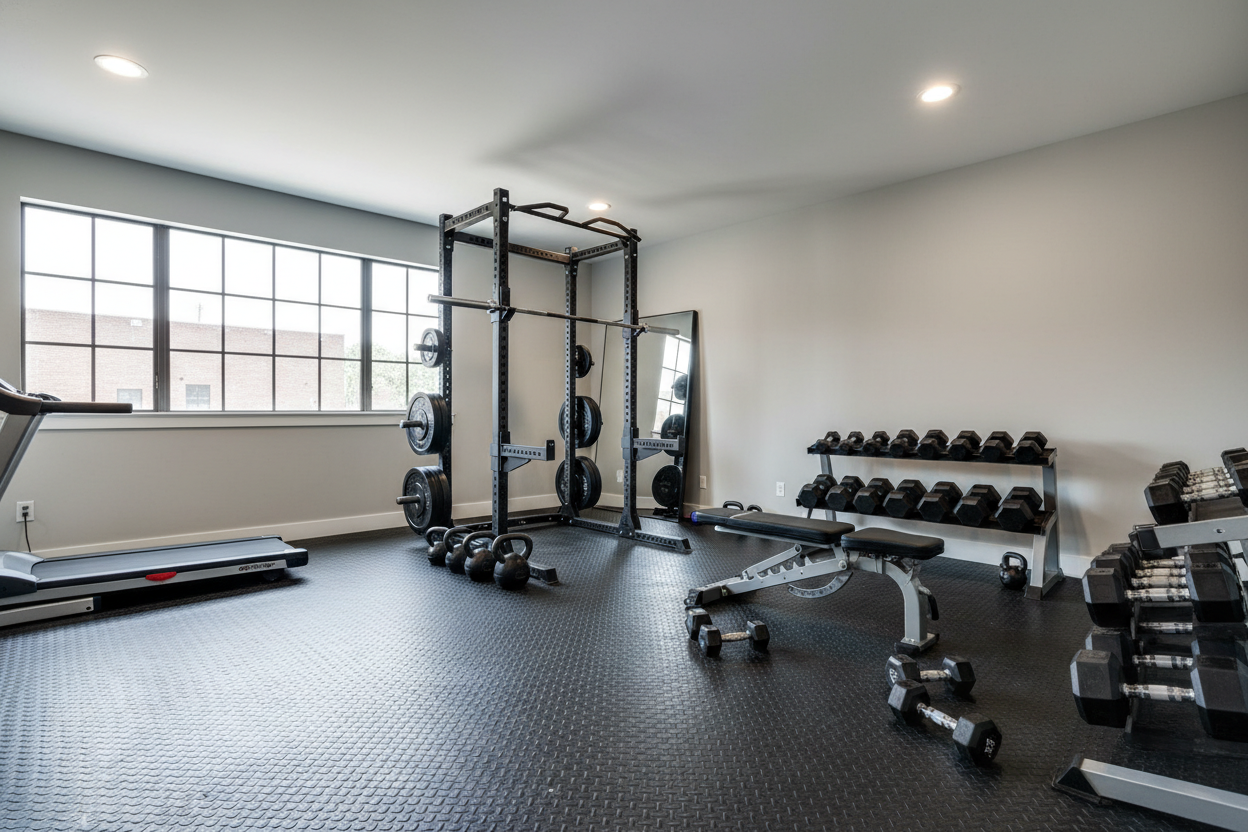
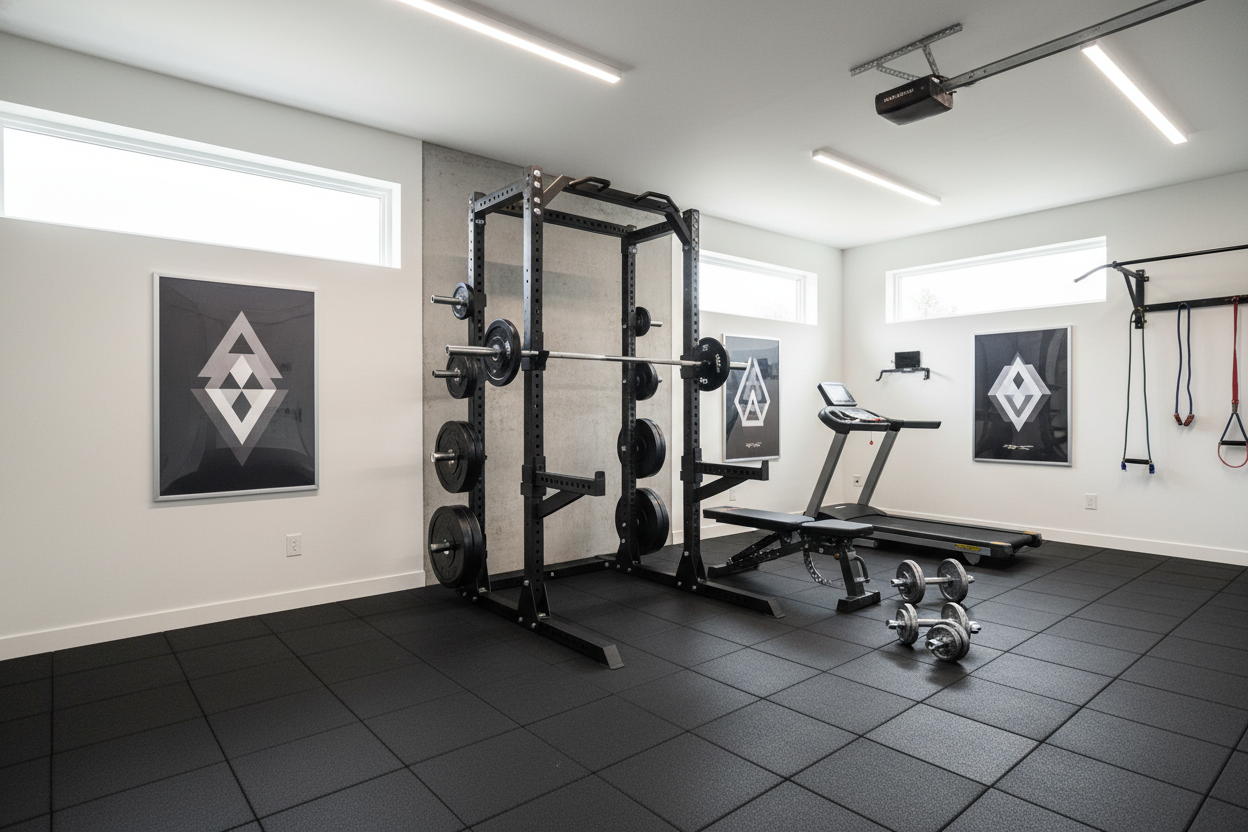
I spent three years wondering why my bench press was stuck at 225 lbs. I had the power rack, the competition-spec plates, and the spotter arms, but I was doing three sets of high-rep tricep pushdowns before I even touched the barbell. I thought I was 'warming up' the joints. In reality, I was just draining the tank before the main event. I was messing up my exercise order and leaving gains on the table.
Quick Takeaways
- Prioritize CNS-heavy movements like squats and deadlifts while you are fresh.
- Save isolation and accessory work for the back half of the session.
- Never fatigue your core with planks or sit-ups before heavy compound lifts.
- Your workout sequence determines your strength ceiling for the day.
The Real Reason You Always Do the Heavy Lifts First
Your Central Nervous System (CNS) is like a battery. Every time you pull a heavy triple or grind out a set of five on the platform, you are draining it. If you spend that energy on leg curls or calf raises, you simply won't have the neurological 'snap' needed for a heavy squat. When people ask what exercise should be performed first, I tell them to look at the movement that requires the most coordination, stabilization, and muscle mass.
A solid full body workout exercise order ensures you hit the 'big rocks'—the squats, presses, and pulls—while your brain is still firing on all cylinders. If you wait until the end of the session to deadlift, your form will break down, your grip will fail, and you will move significantly less weight. Exercise order in gym sessions isn't just about muscle fatigue; it's about managing your brain's ability to recruit those muscles.
Does Exercise Order Matter If I Just Want to Build Muscle?
If you are just hunting for a pump, does exercise order matter? Yes, but the rules can occasionally bend. Usually, exercise order for strength training follows a strict heavy-to-light hierarchy. However, in hypertrophy training, some lifters use a technique called 'pre-exhaustion.'
For example, you might perform an exercise of shoulder in gym like lateral raises before you move to a heavy overhead press. This fatigues the deltoids specifically so they become the limiting factor during the press. It is an advanced tactic, but for most of us, sticking to the heavy stuff first is the fastest way to grow. Does the order of exercises matter for size? Absolutely, because progressive overload on big movements remains the primary driver of hypertrophy.
The Core-First Trap That Sabotages Your Squats
I see this in garage gyms everywhere: someone doing a 15-minute 'ab circuit' before they even unrack a bar. This is a massive mistake in your order of exercises in gym. Your core—your abs, obliques, and spinal erectors—is your internal weight belt. It is what keeps your spine from folding under a 300-lb load.
If you fatigue those muscles with planks or hanging leg raises first, you lose your ability to brace properly. A tired core leads to a rounded back, and a rounded back leads to a long, forced vacation from the gym. Your order of workout in gym should always prioritize spinal integrity. Save the direct core work for the very end of the day.
A Bulletproof Blueprint for Your Next Garage Gym Session
Stop overthinking your gym exercise order. Whether you are using a basic squat stand or a fully loaded functional trainer, follow this hierarchy to maximize your results. This workout order is the industry standard for a reason: it works.
- Power/Speed: Cleans, snatches, or box jumps.
- Heavy Strength: The 'Big' lift (Squat, Bench, Deadlift, or Overhead Press).
- Secondary Compound: Lunges, rows, or incline presses.
- Hypertrophy/Isolation: Curls, extensions, or lateral raises.
- Core and Conditioning: Planks and finishers.
Typically what is the recommended order of exercises? It is exactly that. By the time you get to the end of your exercise sequence, you should be gassed. Grab a large exercise mat for home gym and finish your core work on a comfortable surface rather than the cold concrete. This workout order in gym sessions keeps you safe while ensuring you have the energy to hit new PRs on the lifts that actually move the needle.
My Personal Experience with Sequence Mistakes
Early in my lifting career, I tried a 'randomized' program where I did heavy walking lunges before back squats. By the time I got to the rack, my stabilizer muscles were fried. I felt like I was standing on a boat in a storm. I missed my target weight by 40 pounds and tweaked my hip. Now, my workout sequence is sacred. The big lift gets the respect it deserves, or I don't do it at all.
Exercise Order FAQ
Should I do cardio before or after weights?
After. You want your glycogen stores and mental focus dedicated to the barbell. A 5-minute walk to get the blood flowing is fine, but don't run a 5k before you try to squat heavy.
Can I change the sequence if the equipment is busy?
You can, but it is not ideal. If the power rack is taken, try to find another compound movement (like a dumbbell press) rather than jumping straight to the cable flyes. Does order of exercise matter enough to wait 5 minutes? Usually, yes.
Is the order the same for fat loss?
Yes. Even in a calorie deficit, you want to maintain as much strength as possible. Stick to the heavy-to-light order of workout to signal to your body that it needs to keep its muscle mass while burning fat.