Stop Guessing: The Brutal Truth About Gym Equipments and Uses
I remember the first time I walked into a massive commercial gym. It felt less like a place to get strong and more like a high-tech showroom designed to confuse me into a monthly subscription. Understanding gym equipments and uses is the difference between actually changing your physique and just paying for a very expensive, air-conditioned walk. If you are tired of wandering around the turf like a lost tourist, it is time to decode the metal.
Quick Takeaways
- The power rack is the undisputed king of any weight room.
- Cables provide constant tension that free weights simply cannot match.
- Most 'ab machines' are a total waste of floor space and joint health.
- Identifying the right gear prevents injury and stops you from wasting time.
The Weight Room Floor Is a Trap (If You Go In Blind)
Walking into a gym without a plan is a recipe for mediocrity. You see rows of shiny chrome and leather, but without knowing the equipment in gym and their uses, you will likely default to the easiest-looking machine. The problem? The easiest machines usually offer the lowest return on investment.
Most commercial gyms are packed with 'ego machines'—gear designed to make you feel strong while doing very little actual work. Real strength comes from mastering machines and tools that force your body to stabilize a load. If you do not understand the mechanics, you are just moving weight from point A to point B without any real tension on the muscle.
The Big Three: Heavy Metal That Actually Matters
Before you can start loading plates, you need to realize that gym equipments and their names are just the beginning. You need to know what they do to your central nervous system. These are the foundational exercise equipments and their uses that build the bulk of your strength.
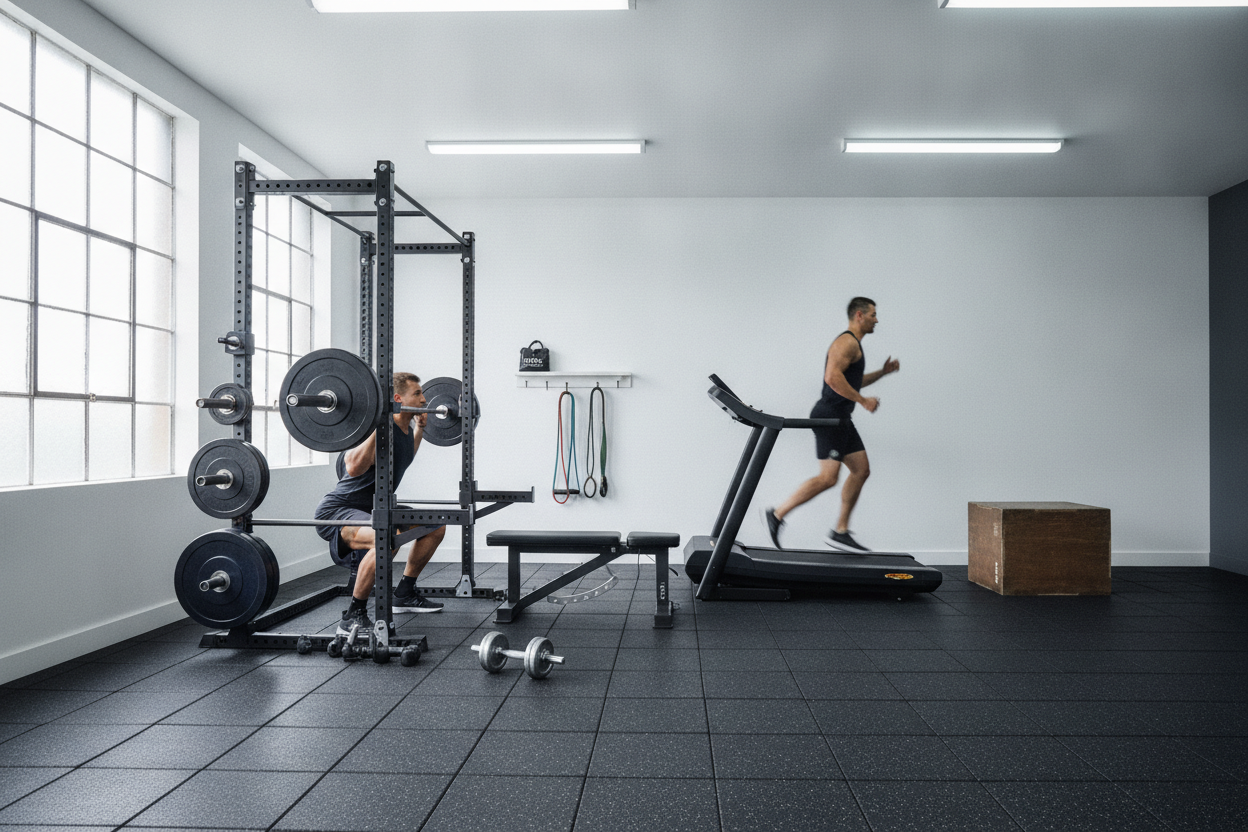
The Power Rack is your sanctuary. It is where you squat, press, and rack pull. It is built for safety with adjustable spotter arms. Then there is the Cable Crossover, which allows for horizontal and vertical pulling patterns that gravity-based weights cannot replicate. Finally, the Smith machine—often unfairly hated—is a masterpiece for hypertrophy because it removes the stability requirement, allowing you to push a muscle to absolute failure without dying under a barbell.
Why Most People Misunderstand Cable Machines
Cables are often viewed as 'finishing' tools, but that is a mistake. When looking at gym equipment and its uses, the functional trainer stands out because of the physics of the pulley. Unlike a dumbbell, where the weight gets 'light' at the top of a curl, a cable provides 100% tension through the entire range of motion.
I use cables for almost all my accessory work. If you want bigger shoulders or a wider back, the constant resistance of a high-quality pulley system is superior to swinging a heavy dumbbell and using momentum. It is about time under tension, not just the number on the stack.
The Gimmicks: Gym Instruments and Their Uses (You Should Ignore)
Let’s be honest: half the machines in a big-box gym are fluff. When you evaluate gym equipment and their uses, you have to ask if the machine is forcing your joints into a weird spot. Those seated ab crunch machines? They mostly just wreck your hip flexors and put unnecessary shear force on your lower spine.
You should also be wary of any gym machine and their uses that claim to 'spot reduce' fat. These gym instruments and their uses are often marketed to beginners who do not know better. If a machine feels clunky, hitches during the movement, or makes your knees ache, it is not a 'good burn'—it is a bad design. Skip the fluff and get back to the movements that actually require effort.
Do Not Forget the Floor: Where the Real Grunt Work Happens
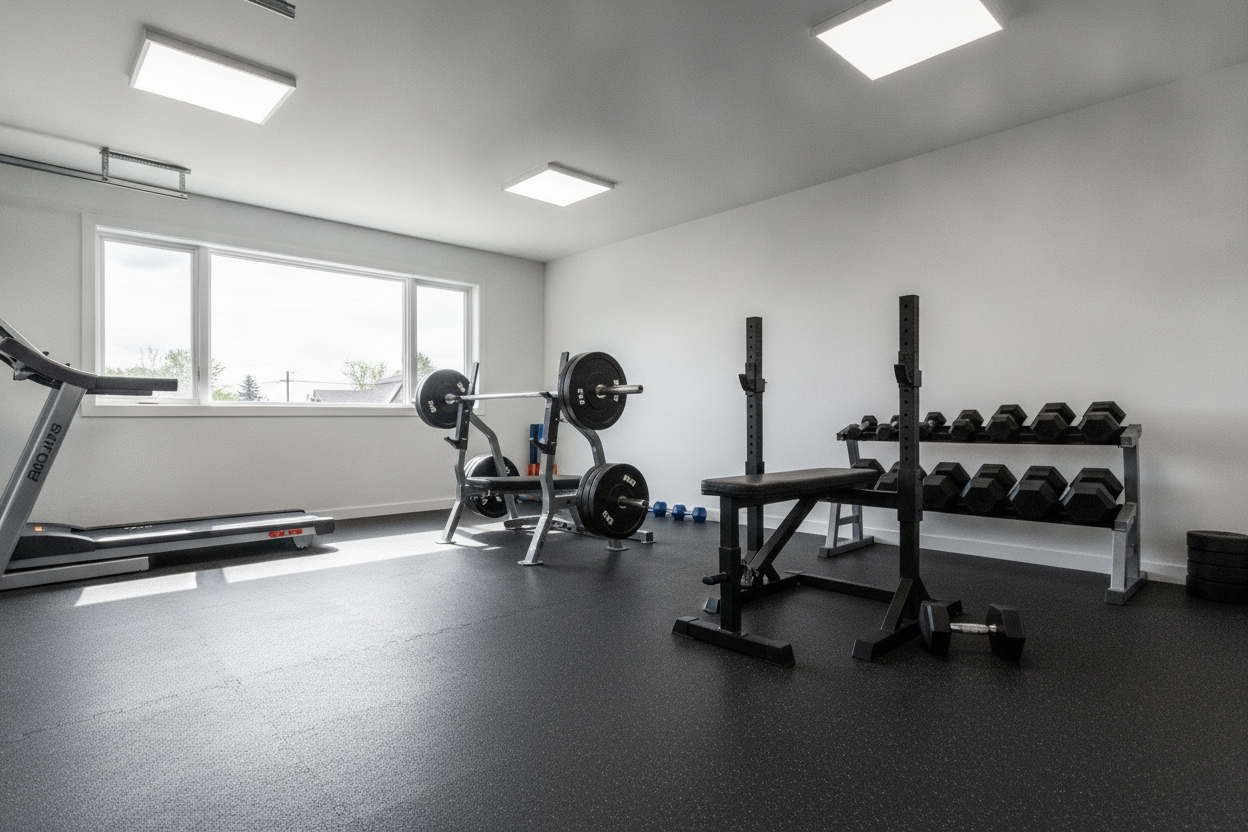
The most important part of the gym is often the five feet of open space in front of the mirror. This is where you deadlift, lung, and work on the mobility that keeps you from feeling like a rusted hinge. You need a dedicated area with high-quality gym flooring for home workout or commercial use to protect your joints and your equipment.
I’ve seen guys try to pull 405 lbs on slippery concrete or thin carpet, and it never ends well. A solid, non-slip surface is a safety requirement, not a luxury. Whether you are doing Bulgarian split squats or just stretching out your tight hip flexors, the floor is where the foundation of your athleticism is built.
Applying This to Your Own Garage Setup
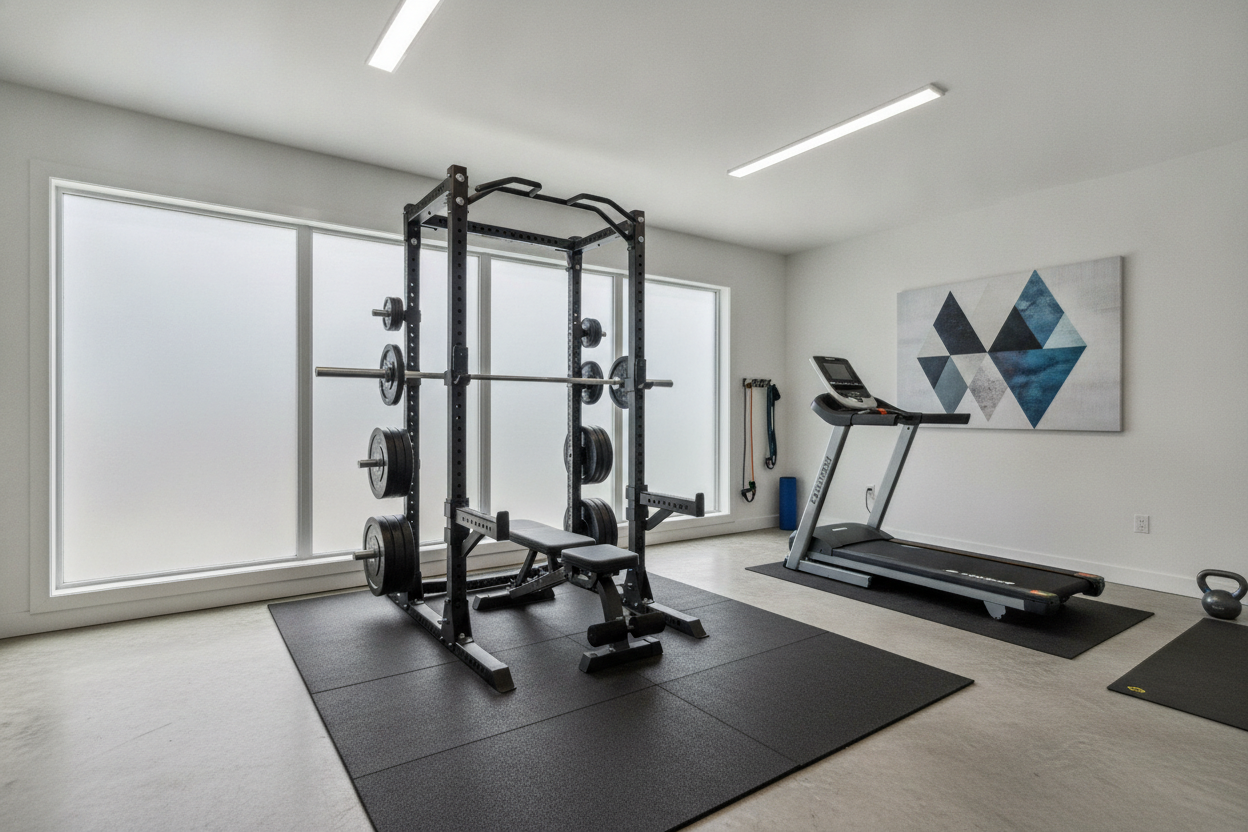
If you are tired of the crowds and the broken machines, you might be thinking about building your own space. Knowing gym equipments and its uses allows you to be surgical with your budget. You do not need twenty machines; you need a rack, a bench, a good bar, and some plates.
When you start hunting for home gym equipment deals, focus on the 'Big Three' first. A solid rack will outlast you. A cheap, wobbly bench will just make you hate benching. Buy once, cry once. Once you have the core pieces, you can add the fancy cable attachments and specialty bars later.
Personal Experience: The Wobbly Rack Lesson
Early in my training, I bought a generic, bolt-together power tower because it was $150 and looked 'good enough' in the photos. The first time I tried to do weighted dips on it, the whole frame flexed and tipped toward my TV. I ended up with a bruised ego and a realization: cheap gear is a liability. Now, I look for 11-gauge steel and 3x3 uprights. If I can't trust my life with it, I don't want it in my gym.
FAQ
What is the most versatile piece of gym equipment?
The Power Rack. You can squat, bench, press, do pull-ups, and even attach cables to it. It is the heart of any serious training program.
Are machines better than free weights for beginners?
Machines are safer for learning a movement pattern, but free weights build the stabilizer muscles you need for real-world strength. A mix of both is usually best.
How much space do I need for a basic gym?
You can do a lot in a 4x6 foot space, but a full power rack setup usually requires about 8x8 feet to allow for barbell sleeve clearance and movement.