Stop Guessing If You Need Cardio or Weights to Lose Weight
I remember staring at a treadmill dashboard in a dimly lit commercial gym, watching the 'calories burned' counter crawl upward while my knees screamed. I spent an hour jogging only to realize a single protein bar afterward wiped out the entire 'deficit' I just worked for. If you are currently standing in your garage or scrolling through equipment listings wondering whether to prioritize cardio or weights to lose weight, I have been there, and I have done it the wrong way for years.
- Muscle tissue burns more calories at rest than fat, making weights the long-term winner.
- Cardio is great for immediate calorie burn but offers diminishing returns as your body adapts.
- The 'skinny fat' look usually comes from too much cardio and not enough resistance.
- A 70/30 split favoring strength training is the sweet spot for most home athletes.
The Great Fat Loss Lie We've All Been Sold
For decades, fitness magazines told us that if you wanted to lose weight, you lived on the elliptical. They said lifting heavy iron was only for people who wanted to look like 1970s bodybuilders. That is total garbage. The reality is that weight loss is about metabolic flexibility, and cardio-only approaches often lead to a metabolic plateau.
When you focus solely on burning calories through movement, you are playing a losing game. Your body is an adaptation machine; it wants to become efficient. Eventually, that three-mile run that used to burn 400 calories only burns 300 because your body learned how to do it with less effort. To keep losing weight, you have to run further or faster, which eventually leads to burnout or injury.
What Actually Happens When You Only Do Cardio
The 'cardio trap' is real. When you do nothing but steady-state work, your body sometimes sacrifices muscle tissue to make itself lighter and more fuel-efficient for those long sessions. You might see the number on the scale go down, but your body composition—the way you actually look in the mirror—stays soft.
High-impact cardio is also a beast on the joints, especially if you are training on a concrete garage floor. I learned the hard way that jumping rope and doing burpees on bare pavement is a recipe for shin splints. If you are going to do high-intensity intervals, at least grab a large exercise mat for cardio to save your ankles and dampen the noise so your neighbors don't hate you.
Why Iron is Your Ultimate Metabolic Engine
Lifting weights is like upgrading the engine in your car. A V8 burns more gas than a V4, even when it is idling at a red light. Muscle is metabolically expensive tissue. By adding even five pounds of lean muscle, you increase your basal metabolic rate, meaning you burn more calories while you are sleeping or watching TV.
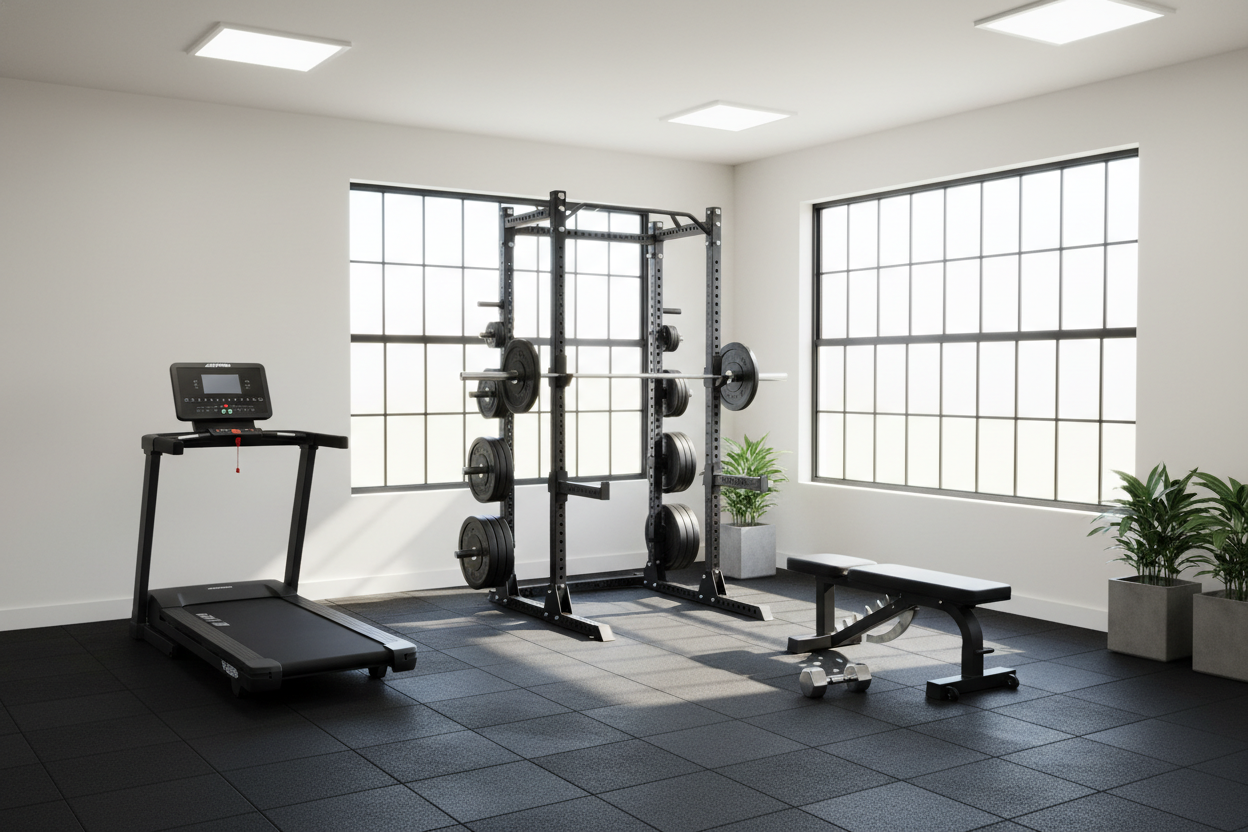
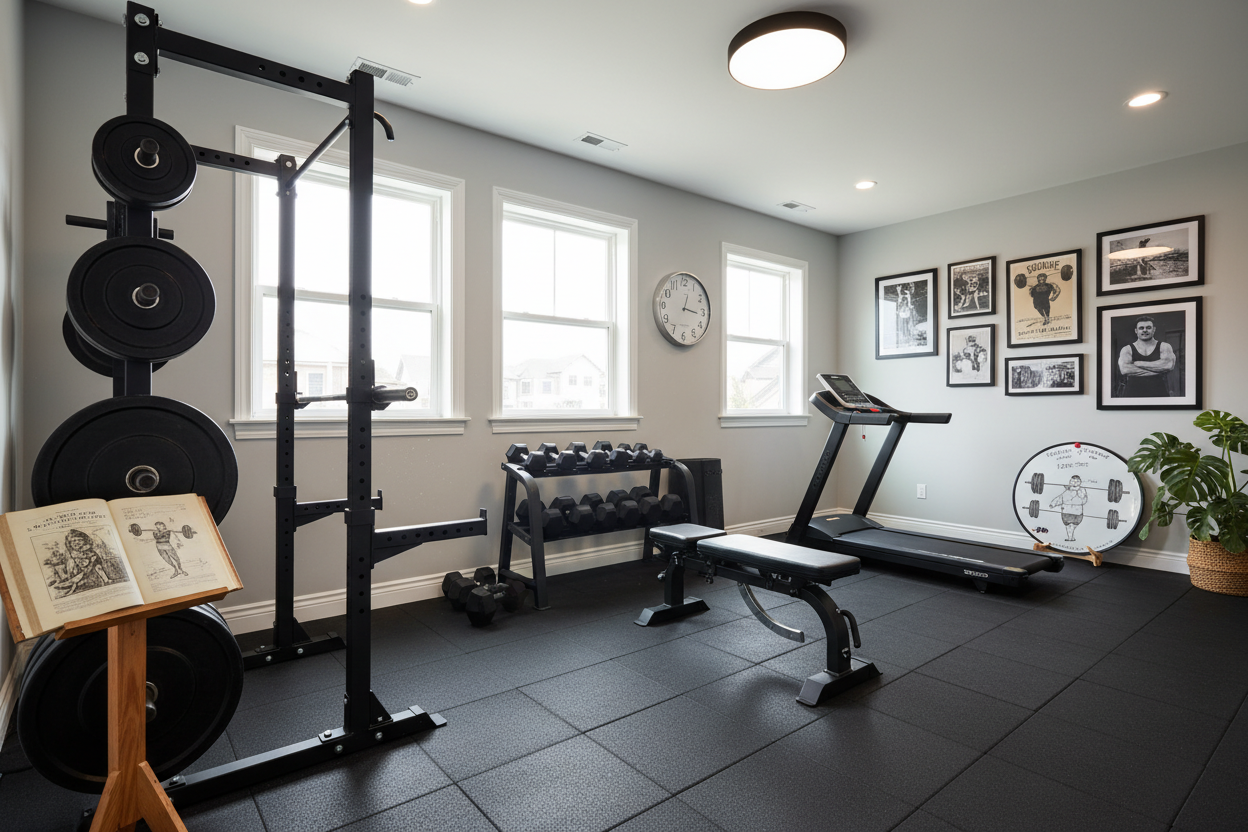
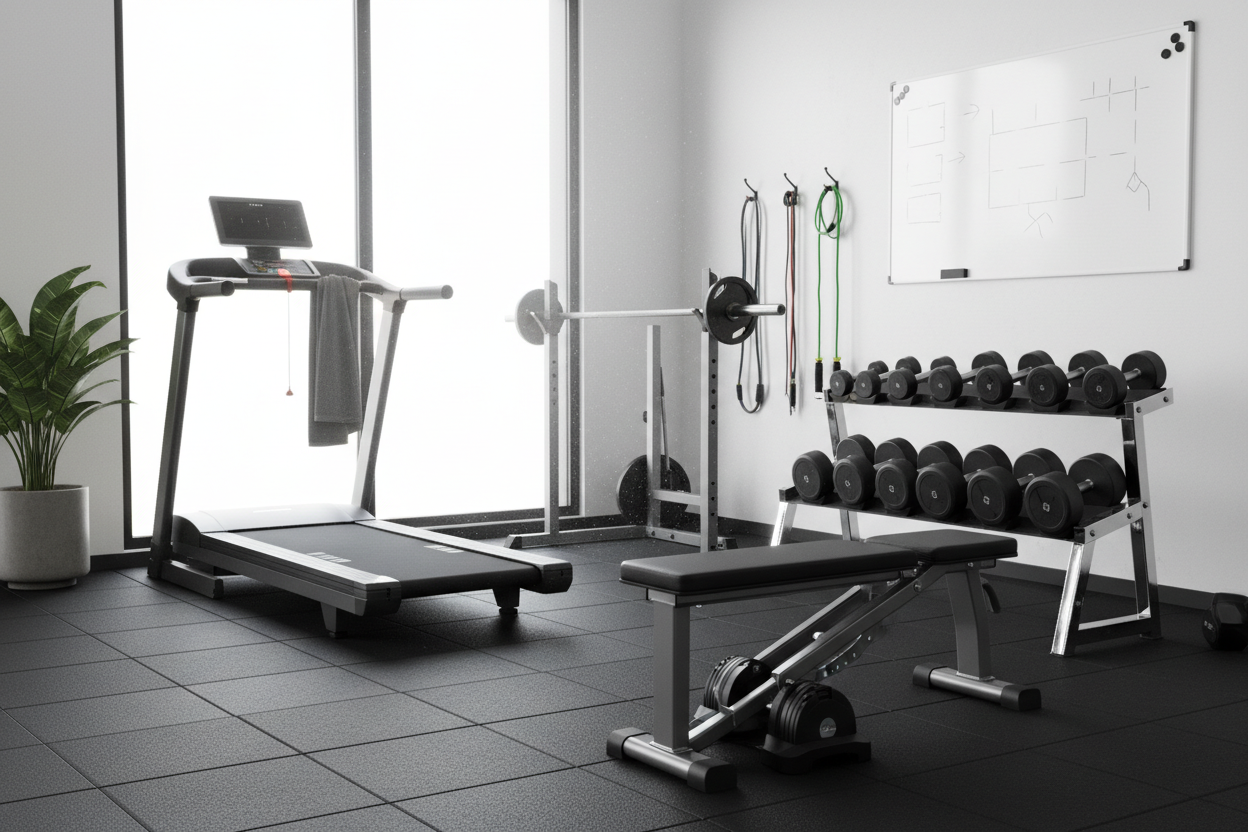
Then there is the 'afterburn' effect, or EPOC (Excess Post-exercise Oxygen Consumption). After a heavy lifting session, your body works overtime for hours to repair muscle fibers, keeping your metabolism spiked long after you have hung up the belt. You do not need a massive commercial setup to start this shift; a basic weight set and bench is the foundation of every successful home transformation I have ever seen. If you have old injuries or find free weights intimidating, weight lifting machines can provide the necessary mechanical tension to build muscle without the steep learning curve of a barbell snatch.
The Verdict: Cardio or Weights to Lose Weight?
If you have to pick one, pick weights. Strength training provides the structural foundation that allows you to do everything else. However, the most effective path is not choosing one, but prioritizing the iron. I tell most people to aim for three to four days of dedicated strength work and two days of low-to-moderate intensity cardio.
Weights build the shape; cardio helps the heart and adds a bit of a caloric 'buffer.' If you only do cardio, you risk becoming a smaller version of your current self. If you lift, you actually change the way your clothes fit and how your body processes fuel.
How to Combine Both Without Living in Your Garage
You do not need to spend two hours a day training. The most efficient way to bridge the gap is through metabolic conditioning. This is where you use weights in a circuit-style format to keep your heart rate in the cardio zone while still challenging your muscles. It is the ultimate 'two birds, one stone' approach for busy people.
I personally use a metabolic cardio strength routine when I am short on time but need to sweat. It keeps the rest periods short and the intensity high, ensuring I get the muscle-building benefits of resistance training and the cardiovascular benefits of a run in under 45 minutes. This prevents the boredom of the treadmill while keeping the fat-burning engine revved up.
My Personal Experience with the Weight Loss Wall
A few years back, I decided to 'get shredded' by running five miles every morning. I lost 15 pounds in two months, but I also lost my bench press strength and looked like a melting candle in the mirror. I was 'thin,' but I had zero muscle definition and felt lethargic all day. It wasn't until I cut my running back to twice a week and pushed my heavy lifting back to four days that I actually got the look I wanted. My weight on the scale stayed higher, but I looked significantly leaner. Don't chase a lower number at the expense of your muscle.
FAQ
Does cardio burn more fat than lifting?
In a single 30-minute window, cardio usually burns more calories. However, lifting weights burns more fat over a 24-hour period because of the metabolic spike and the energy required to maintain muscle tissue.
Can I lose weight just by lifting weights?
Absolutely. As long as you are in a caloric deficit, lifting weights will ensure that the weight you lose comes from fat stores rather than muscle tissue.
Is it okay to do cardio and weights on the same day?
Yes, but I recommend doing your weights first. You want your maximum energy and focus to go into your lifts. If you run five miles first, your lifting form will suffer, and you won't stimulate the muscle growth you need for fat loss.