Stop Googling Your Ideal Lifting Weight (Here's What Actually Matters)
I spent three hours last night scrolling through a forum where a guy was genuinely depressed because he couldn't bench 1.5 times his body weight. He felt like a failure because some PDF told him he was 'below average.' It took me back to my early days in my first garage gym, chasing an ideal lifting number that didn't account for my long arms, my lack of sleep, or the fact that my cheap plates actually weighed 43 pounds instead of 45.
Quick Takeaways
- Strength standards are averages, not personal mandates.
- Rate of Perceived Exertion (RPE) is more valuable than any spreadsheet.
- Biomechanical leverages (limb length) dictate your potential more than your scale weight.
- High-quality equipment ensures your 'heavy' is actually safe.
The Problem With Internet Strength Standards
The obsession with searching 'how much should you lift based on your weight' is the fastest way to end up in a physical therapist's office. These charts are usually based on competitive powerlifters or decades-old data that doesn't account for the average person with a job and a mortgage. When you chase an arbitrary number, you stop feeling the muscle and start using momentum.
I’ve seen it a thousand times: a guy sees he 'should' be squatting 300 pounds, so he loads the bar, cuts his depth in half, and rounds his back just to say he did it. Ego lifting is the enemy of progress. In a home gym, where you don't have a spotter every day, trying to force a number just because the internet said so is a recipe for a blown-out disc.
What Should I Be Lifting? (The Real-World Answer)
The real answer to 'what should i be lifting' isn't a fixed number; it's a feeling. We call this RPE, or Rate of Perceived Exertion. If you're programmed for a set of 8, you should finish that eighth rep feeling like you could have done maybe two more. That’s an RPE 8. If you're grinding, shaking, and turning purple on rep three, the weight is too heavy, regardless of what the chart says.
I stopped using rigid percentages years ago. Some days you’re a lion; some days you’re a house cat. If you want a sustainable way to train that actually builds muscle without burning you out, check out The Real 'Weight Lifting For Dummies' Plan I Give My Friends. It focuses on the effort you put in, not just the math on the page.
How Much Weight Should I Be Lifting For My Size?
People love the 'strength-to-weight ratio' talk, asking 'how much weight should i be lifting for my size.' But biology is messy. A 150-lb lifter with short arms is built to bench press; a 220-lb lifter with long femurs is going to struggle with squats. The biomechanical reality is that 'what should i be lifting for my weight' is a flawed question because it ignores your frame.
If you're training for hypertrophy (building muscle), the weight is just a tool to create tension. I've seen guys with massive legs who only squat 225 for high reps with perfect control. Meanwhile, some 'strong' guys move 400 pounds with so much body lean that their quads aren't even doing the work. Don't let your size dictate your expectations—let your form dictate your load.
A Dead-Simple Test to Find Your Working Loads
If you're staring at a rack of dumbbells wondering 'what should i lift,' stop guessing. Pick a weight you think you can handle for 10 reps. Perform the set with a three-second descent. If you can smash out 12 reps with zero breakdown in form, it's too light. If you hit 6 and your technique gets sloppy, it’s too heavy. You want that sweet spot where reps 8, 9, and 10 are genuinely difficult but look identical to rep 1.
I always recommend doing this test on a stable surface. I've done heavy presses on cheap, wobbly benches that made 50 pounds feel like 100 because I was too busy trying not to tip over. Using something like the Gxmmat adjustable weight bench gives you the stability to actually focus on the lift rather than balancing for your life. Once you find that 'challenging 10,' that is your baseline.
Why Your Equipment Dictates How Safely You Push the Limits
Once you dial in how much you lift, you’ll realize that your gear has a ceiling. I learned this the hard way when I Ruined My Barbell By Buying the Wrong Weights for Weight Lifting. I bought some cheap, iron plates that were cast so poorly they actually chewed up the sleeves of my favorite bar. When the weight gets heavy, the tolerances of your equipment matter.
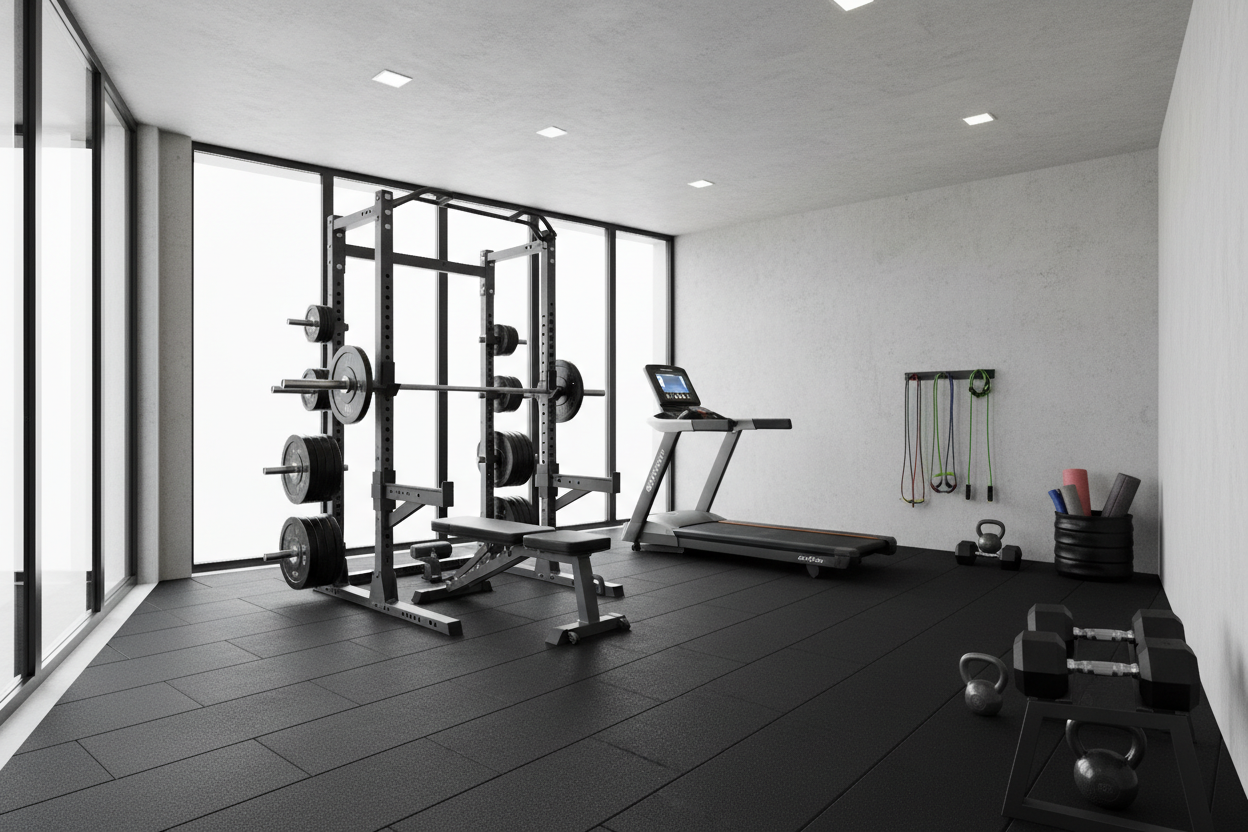
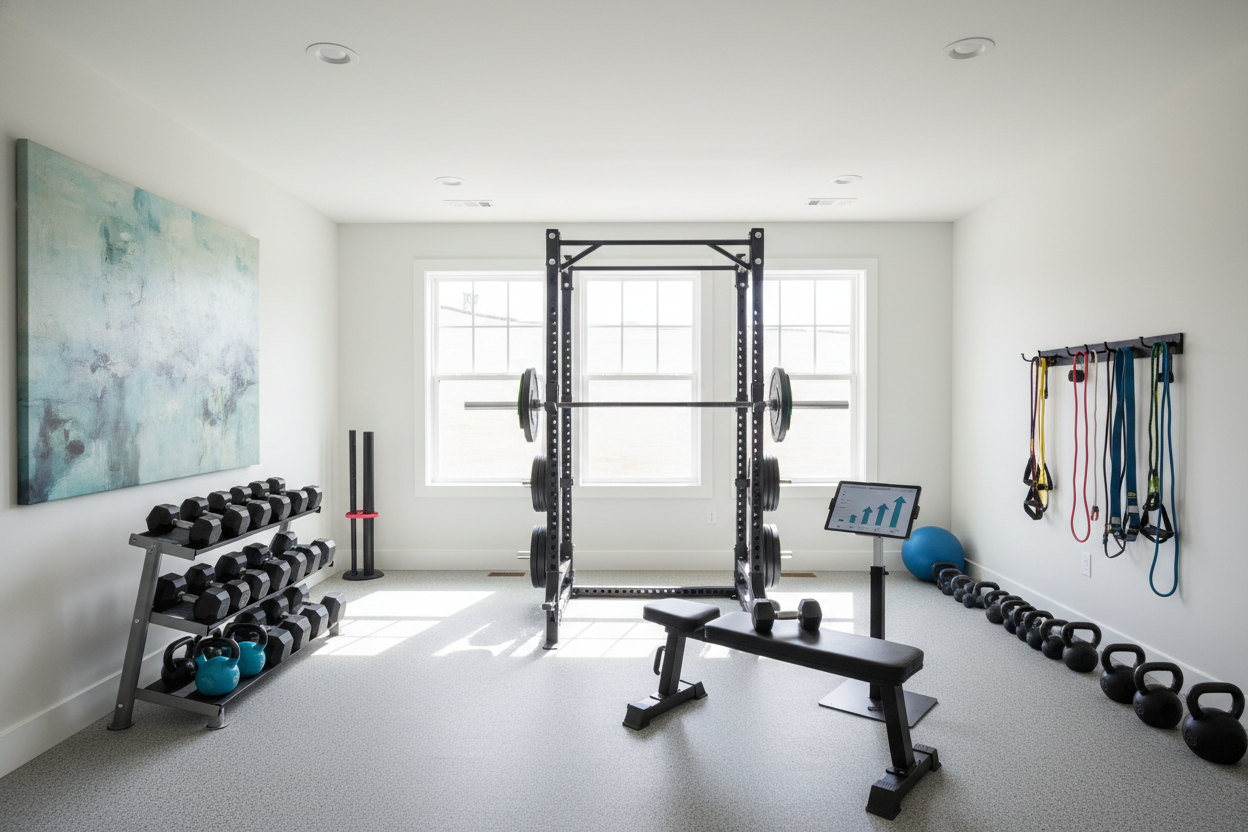
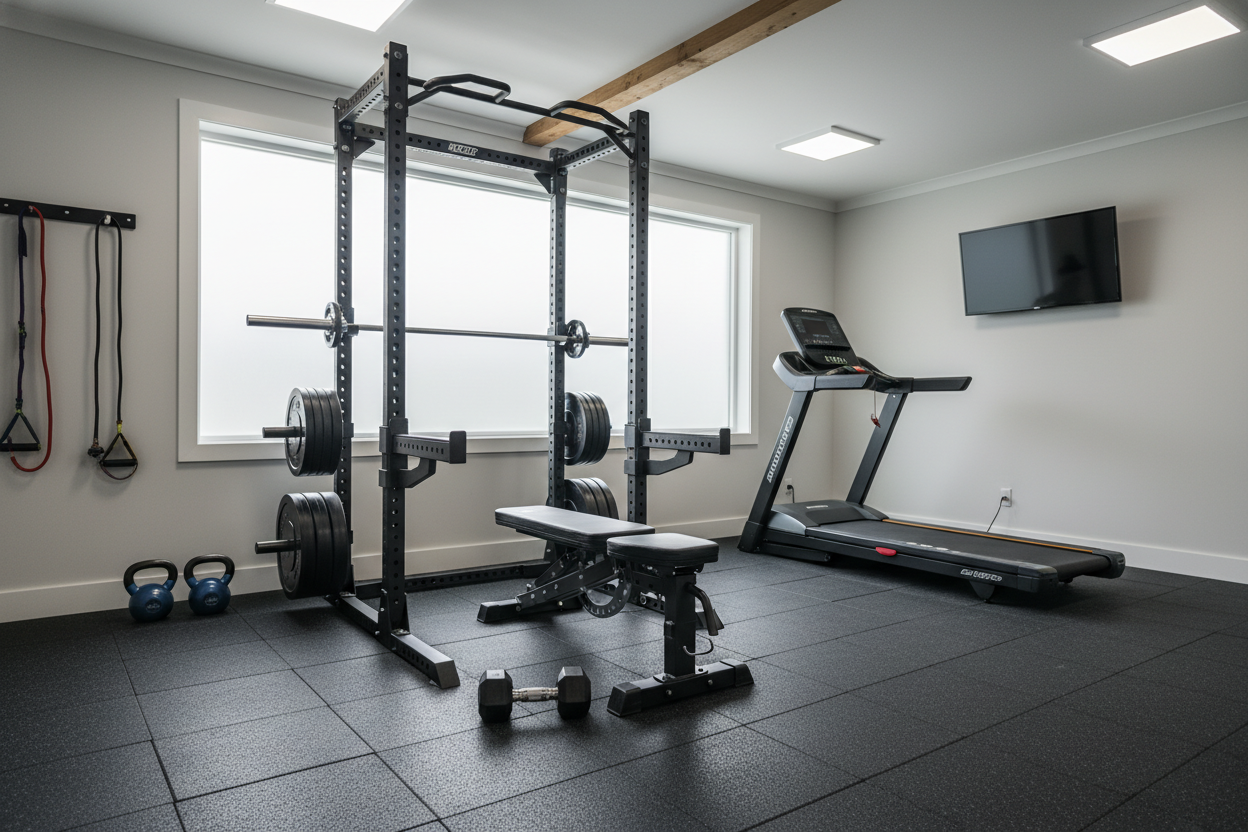
If you're moving serious weight, you need a cage that isn't going to shudder when you re-rack. The Gxmmat X6 Power Rack Weight Bench Package is the kind of setup that handles progression. You don't want to be thinking about whether your rack can hold the weight while you're underneath it; you should be thinking about your bracing and your drive.
Forget the Math, Focus on the Muscle
At the end of the day, 'what should i lift for my weight' is a distraction. Your muscles can't read a scale, and they don't know what year it is or what some guy on YouTube thinks you should be doing. They only respond to tension and recovery. If you're leaving the gym feeling like you've worked hard, and you're slowly adding a little more weight or one more rep every few weeks, you're winning. Stop looking at the charts and start looking at your logbook.
FAQ
Is it bad if I can't bench my bodyweight?
No. Many people have shoulder geometry or long arms that make benching heavy difficult. Focus on your own progress, not a generic milestone.
How often should I increase the weight?
Only when you can perform your target reps with perfect form and a controlled tempo. If you have to cheat to hit the number, you aren't ready to move up.
Does age affect how much I should lift?
Absolutely. Recovery slows down as you get older. A 45-year-old shouldn't necessarily compare themselves to a 20-year-old's 'ideal' numbers. Listen to your joints.