How to Schedule Strength Training for Women: Sustainable Weekly Routines
Why Structured Strength Training for Women Outperforms Daily Circuits
Many fitness plans marketed toward women rely on relentless, high-repetition sweat sessions that leave you depleted rather than capable. Daily high-intensity intervals and endless jumping can create lingering fatigue without providing the progressive mechanical tension necessary to build muscle mass. Transitioning toward deliberate strength training for women reframes exercise around gradual progression, stable mechanics, and meaningful recovery.
Instead of chasing sheer exhaustion, purposeful resistance training prioritizes movement quality over volume. Lifting weights under controlled cadences prompts adaptations across the neuromuscular system, encouraging muscle gain and functional mobility. When training for women focuses on structured progression rather than chaotic burnout, weekly sessions feel manageable, rewarding, and sustainable over months and years.
The Core Pillars: Free Weights vs Resistance Bands and Body Weight
A balanced strength training routine does not require an overwhelming room full of complex machines. It relies on fundamental human movement patterns: pushing, pulling, hinging at the hips, squatting, and carrying load. Beginners often question where to start on their strength training journey, and the answer lies in matching the tool to current capacity and movement comfort.
Progressing From Body Weight to External Load
Learning how to stabilize your own body weight forms the cornerstone of sound mechanics. Fundamental bodyweight exercises establish baseline stability through the core, hips, and shoulders before you introduce external loading. For example, mastering push ups teaches whole-body tension that translates directly into bench pressing or overhead work.
When executing push ups or body weight squats, attention to the starting position is critical. For squats, standing with feet hip width apart and sinking down while keeping knees bent in alignment with the toes ensures the lower body absorbs the load correctly. Once these basic movements feel smooth and stable across multiple sets, transitioning toward external resistance provides the progressive challenge needed to stimulate lean muscle development.
Incorporating Free Weights and Resistance Bands
Once movement patterns are established, introducing free weights such as dumbbells, barbells, or kettlebells provides reliable avenues for progressive overload. While lighter weights paired with high repetitions can build muscular endurance, lifting moderate-to-challenging loads triggers greater recruitment of muscle fibers across the entire body.
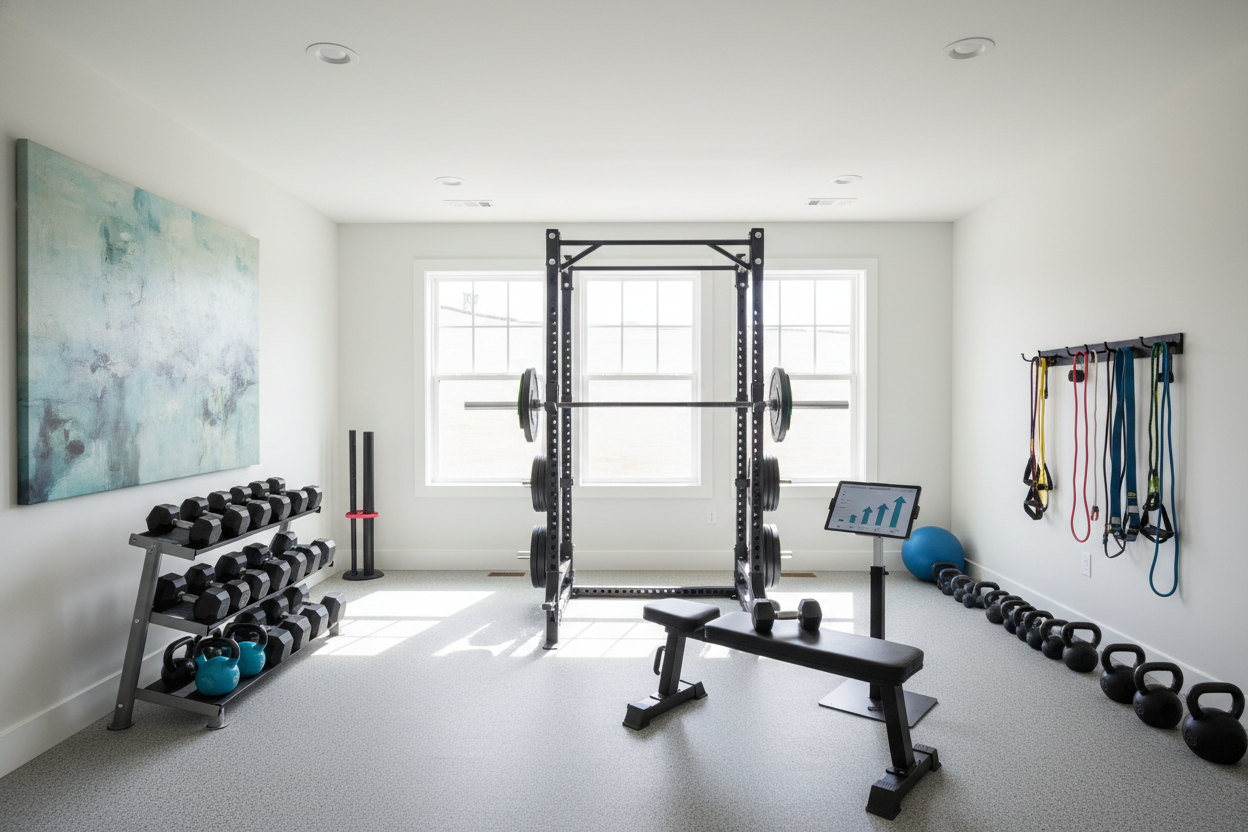
Elastic resistance bands offer unique benefits by providing variable resistance throughout an exercise's range of motion. Pairing bands with traditional free weight movements or using them for warm-ups helps activate stabilizing muscle groups. For home training environments, investing in durable gear from a curated dedicated home strength equipment collection allows you to scale resistance predictably without guessing.
Functional Strength Training and Everyday Resilience
Focusing on functional strength training bridges the gap between gym movements and daily living. Lifting groceries, moving furniture, and climbing stairs all rely on multi-joint coordination rather than isolated muscle contractions. A well-designed workout for women centers around compound exercises that train several joints simultaneously.
Compound lower body exercises such as Romanian deadlifts, goblet squats, and lunges strengthen the posterior chain while engaging the core. Meanwhile, overhead presses and rows develop upper-body posture and shoulder stability. Adding dedicated tools from a reliable essential strength training accessories line, like lifting straps or fractional plates, can assist in overcoming grip fatigue or facilitating tiny, manageable jumps in barbell weight.
Supporting Bone Density and Cardiovascular Health Through Resistance Work
While cardiovascular exercise has clear merit, weight training offers specific structural advantages that aerobic work alone cannot replicate. As women age, proactive physical training becomes increasingly vital for physical autonomy and joint integrity.
Stimulating Bone Density
Axial loading—placing controlled stress along the skeletal frame through exercises like squats, presses, and carries—signals bone tissue to remodel and adapt. Engaging in consistent strength training provides the mechanical loading necessary to maintain bone density over the decades, protecting posture and reducing structural fragility.
Cardiovascular Health and Metabolic Vitality
Lifting weights at challenging intensities taxes the heart and lungs in a distinct, beneficial way. Rest intervals between compound lifts allow for brief circulatory recovery, training cardiac output alongside muscular endurance. Combining consistent resistance exercise with a baseline of walking or low-impact cardio workouts supports heart function without draining the energy required for building muscle.
Structuring an Effective Strength Training Routine Across the Week
A frequent mistake in women's programming is training the same muscle group day after day under the impression that more frequency equals faster progress. Muscle tissue requires downtime to repair micro-trauma and replenish glycogen stores. Scheduling three to four focused strength training sessions per week consistently yields superior adherence compared to daily grinds.
Frequency and Balancing the Same Muscle Group
To avoid overtraining, space full-body sessions across non-consecutive days, such as Monday, Wednesday, and Friday. Alternatively, an upper-body and lower-body split separates movement demands cleanly. Allowing at least 48 hours before working the same muscle group under heavy loads ensures local muscular recovery and nervous system readiness. In my own gym space, I found that taking full rest between sets transformed workout consistency.
Supporting this schedule also requires attention to systemic recovery. Pair your training with adequate protein intake and sufficient sleep to ensure the body has the resources required to rebuild tissue. You can also explore our practical guide to home strength training for additional scheduling strategies tailored to busy household routines.
The 3-3-3 Approach to Movement Selection
When designing strength training workouts without unnecessary complexity, many lifters apply the 3-3-3 rule for working out. This structure provides a simple, memorable template:
- Three Days per Week: Dedicate three specific days to weight training, allowing four days for rest and active recovery.
- Three Core Exercises per Session: Pick three primary compound movements per workout (for instance: a squat, an overhead press, and a row).
- Three Work Sets per Movement: Complete three challenging, high-quality sets for each exercise with proper form rather than exhausting yourself with junk volume.
By keeping the movement selection concise, you can pour total focus into technique, progressive loading, and deliberate rest between efforts.
Setting Up the Training Environment for Proper Form
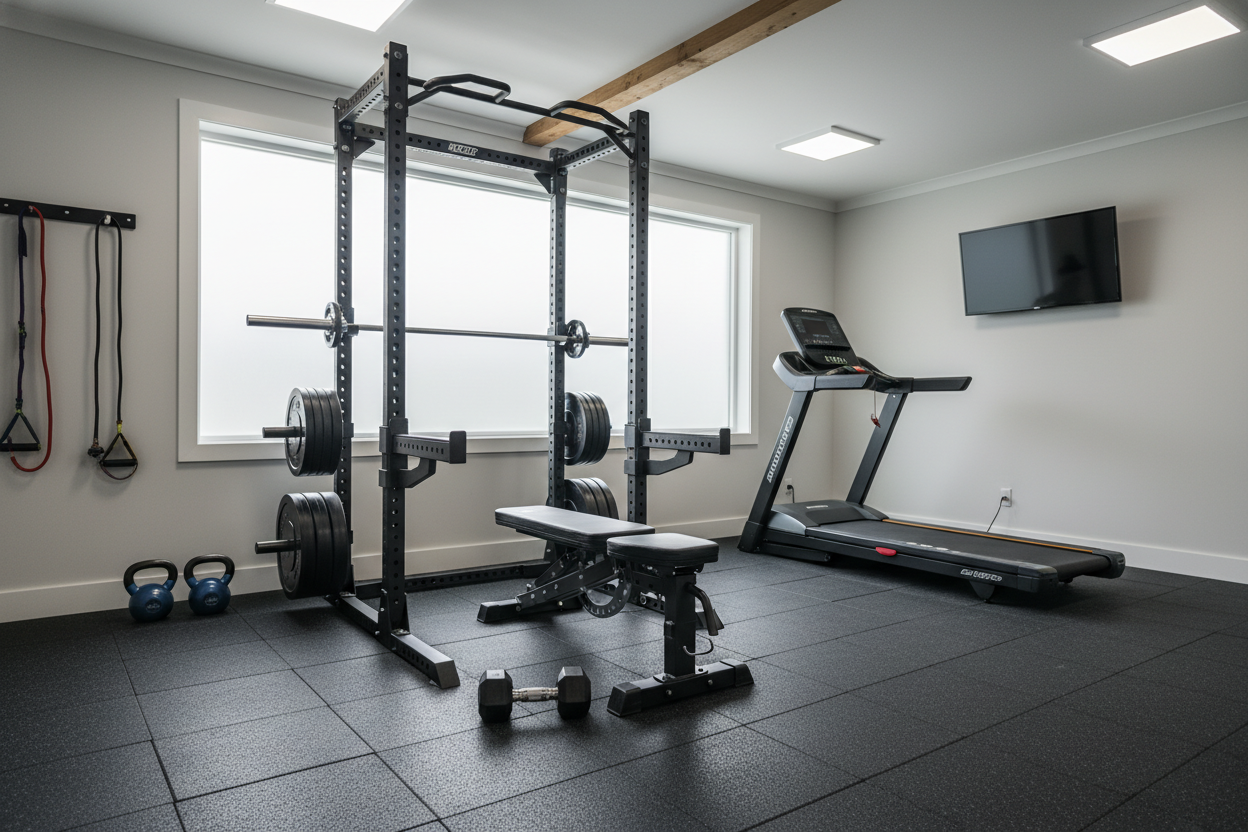
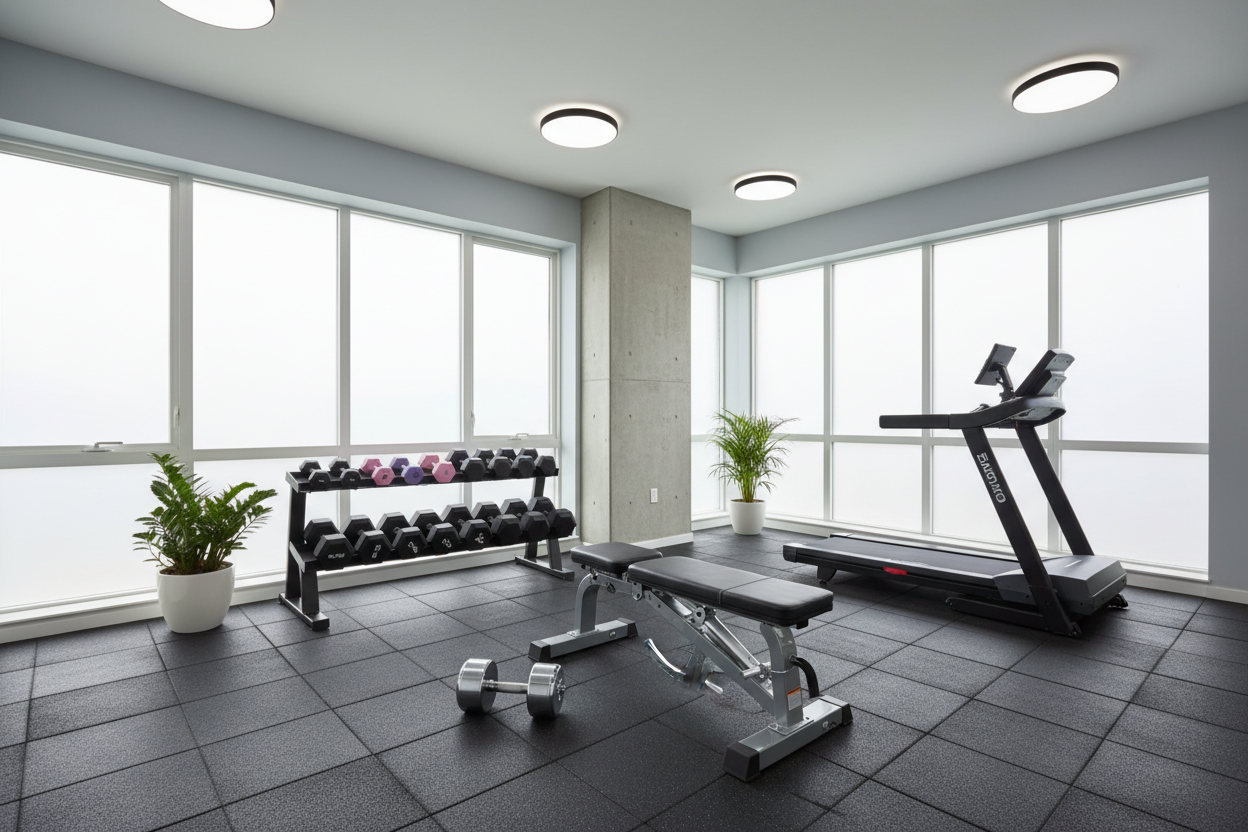
Executing heavy lifts requires a firm, stable base of support. Performing squats or presses on thick, plush carpet or soft yoga mats creates instability at the ankles, reducing force transfer and compromising balance. Dedicated home setups benefit greatly from a dense protective workout flooring mat that absorbs impact, grips the subfloor, and provides firm footing for both body weight and loaded movements.
Additionally, those seeking targeted isolation work without the footprint of heavy free-weight racks might consider specialized specialized lower body strength machines to supplement compound movements. Regardless of equipment choice, maintaining proper form—bracing the midsection, setting the feet hip width apart, and keeping control throughout both lifting and lowering phases—remains the single most important habit for injury prevention and long-term athletic longevity.
Practical FAQs for Long-Term Strength Success
What is the best form of strength training for women?
The most effective form combines compound resistance training using free weights, functional cables, or resistance bands with progressive overload. Emphasizing fundamental patterns like squats, hinges, pushes, and pulls creates comprehensive physical development far more efficiently than isolated muscle circuits.
What is the best strength training plan for women?
The best plan is one that fits reliably into your weekly schedule without causing chronic exhaustion. For most individuals, a three-day full-body split or a four-day upper-lower split balances mechanical stimulus with ample recovery days.
How often should a woman strength train?
Two to four sessions per week is optimal for the vast majority of women. Beginners often achieve excellent progress on two or three full-body days, while more experienced lifters may prefer four structured sessions targeting alternating movement groups.
Should I work with a personal trainer to start?
Consulting a qualified personal trainer or movement coach can provide invaluable feedback on technique, starting positions, and personalized loading progressions, particularly if you are entirely new to handling barbells or heavy dumbbells.