Stop Fasting: Why Diets That Build Muscle Are Painfully Boring
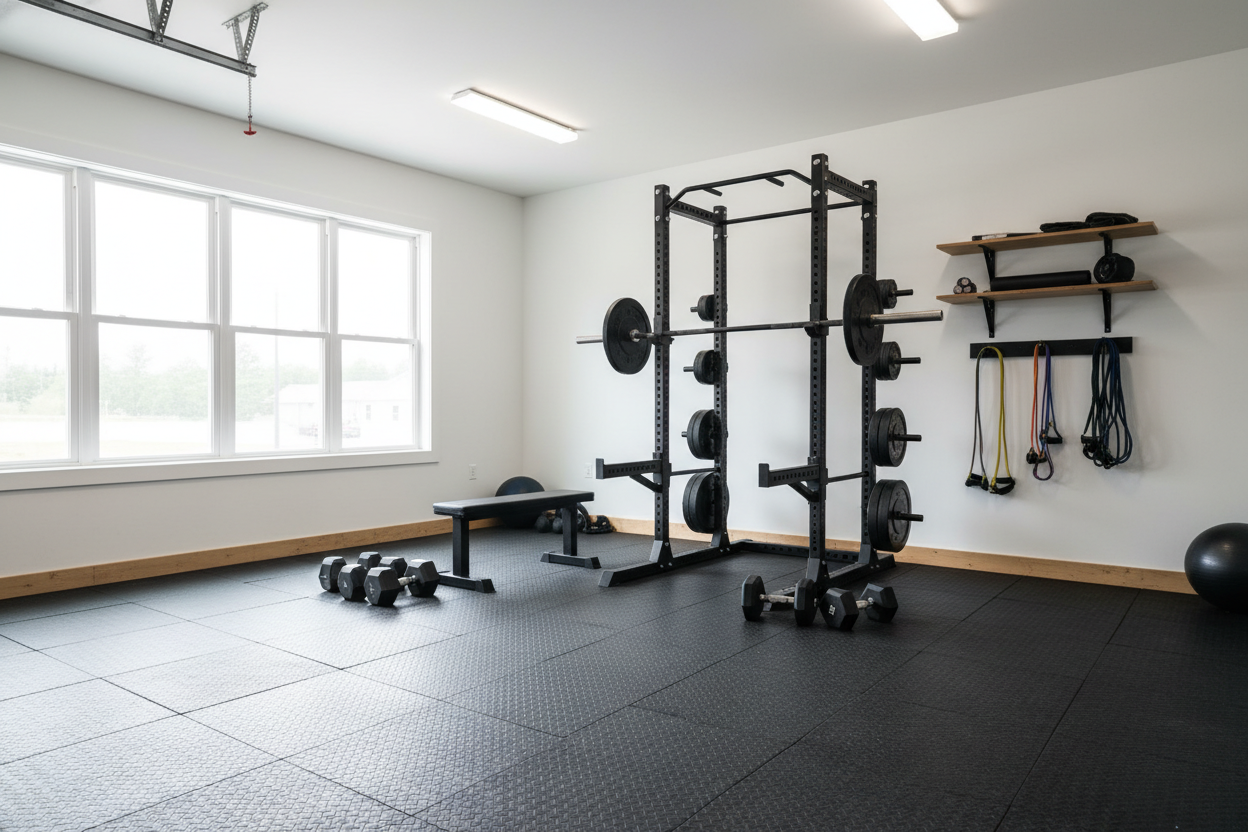
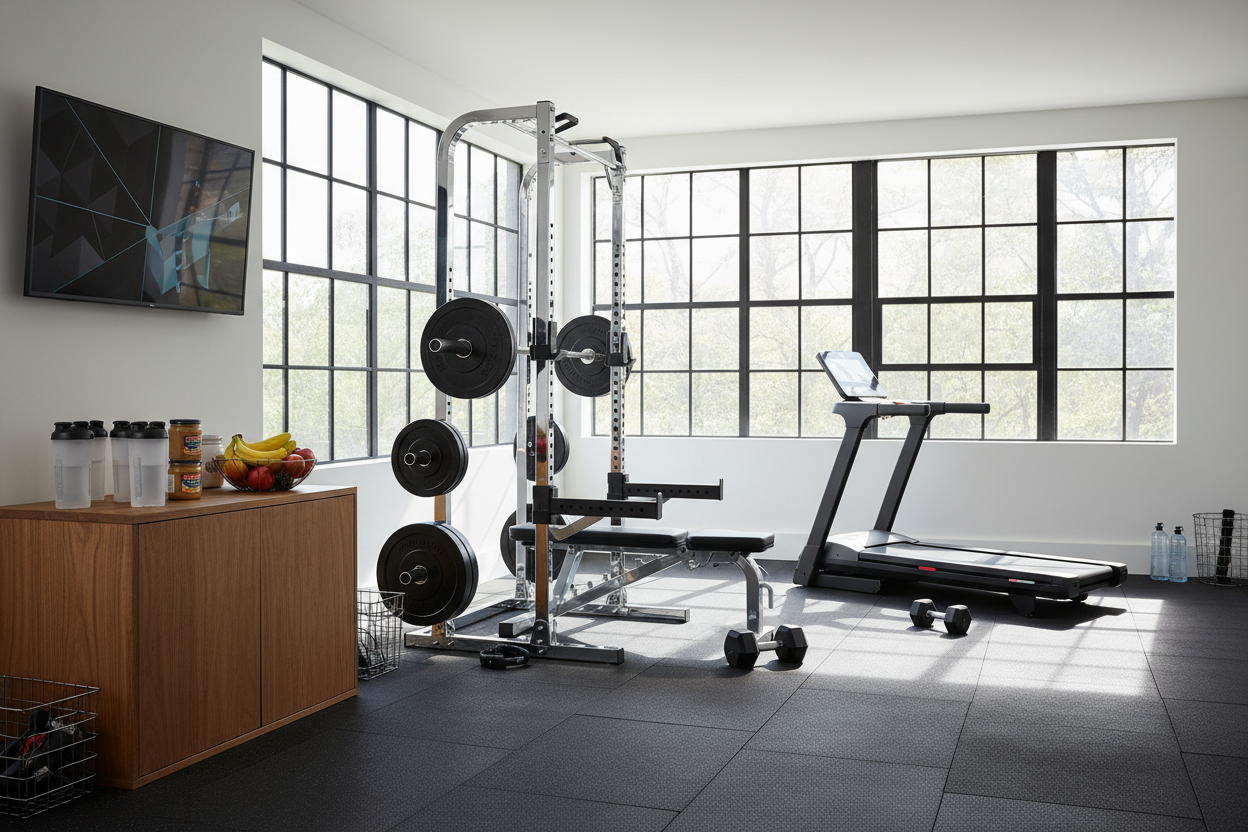
I remember scrolling through social media while nursing a lukewarm protein shake, watching a 'biohacker' claim that 20-hour fasts and butter-infused coffee were the secret to getting shredded and jacked. It sounded sophisticated. It sounded like science. It was also total garbage for anyone actually trying to move heavy iron in their garage. If you are grinding out reps on a power rack at 6:00 AM, you need fuel, not a countdown timer telling you when you're allowed to exist. Real diets that build muscle aren't about restriction; they are about strategic, often boring, abundance.
Quick Takeaways
- Carbs are the primary fuel for high-intensity training; don't skip them.
- Consistency in meal timing beats 'superfoods' and supplements every time.
- Fasting windows often make it impossible to hit the necessary caloric surplus.
- Insulin is anabolic—use it to your advantage by eating regularly.
Why You Need to Stop Eating Like a Biohacker
Biohacking is great if your primary physical activity is typing on a mechanical keyboard and standing at a desk. It is a disaster for hypertrophy. The best nutrition to build muscle is fundamentally at odds with the restrictive nature of keto or intermittent fasting. When you fast, you're essentially telling your body to survive on its own reserves. That's fine for fat loss, but muscle tissue is metabolically expensive. Your body doesn't want to build it unless there is a surplus of energy and a steady stream of amino acids.
I have seen guys try to hit PRs while in a state of deep ketosis. They look flat, they move slow, and they recover like they're eighty years old. To pack on slabs of tissue, you need insulin. Insulin is one of the most anabolic hormones in the human body, and it’s triggered by—you guessed it—carbohydrates. By avoiding them or stuffing your eating into a tiny four-hour window, you're blunting your body's ability to repair the damage you did during your workout. Stop trying to hack the system and start feeding the machine.
The Unsexy Reality of Eating for Mass
Everyone wants a secret pill or a magic 'carnivore' hack. The best diet to gain muscle mass is actually just a repetitive cycle of chicken, steak, white rice, potatoes, and oats. It’s unsexy. It’s predictable. And it works better than anything else. When I’m in a dedicated mass-gaining phase, my grocery cart looks identical every single week. I’m not looking for culinary novelty; I’m looking for predictable digestion and consistent energy.
Consistency is the variable that most people miss. They eat like a pro bodybuilder on Monday and Tuesday, then 'forget' to eat lunch on Wednesday because they got busy at work. Muscle growth happens in the recovery phase, which lasts 24 to 48 hours after a session. If you miss your calorie targets for even one day, you’re stalling the engine. You don't need a spreadsheet with 50 different ingredients; you need four or five meals that you can cook in bulk and eat without thinking. Boring is the bridge to being big.
Carbs: The Ignored Secret to Heavy Home Gym Training
Glycogen is king. If your muscles aren't topped off with glycogen, you aren't going to have the 'pop' needed for explosive lifts. This is especially true when you're using high-intensity leg exercise equipment for home. A heavy set of squats or lunges is a massive drain on your central nervous system and your energy stores. Trying to survive a brutal leg day on a low-carb diet is like trying to drive a heavy-duty truck with a gallon of gas in the tank. You’ll sputter out before you even get to your working sets.
The best nutrition for muscle growth leverages carbohydrates to drive performance. I personally aim for about 2 to 3 grams of carbs per pound of body weight when I'm trying to grow. That sounds like a lot until you realize how much better your 5x5 sets feel when you're actually fueled. Carbs are also protein-sparing, meaning your body will use the rice you ate for energy instead of breaking down your hard-earned muscle tissue for fuel. If you want to get big, you have to stop being afraid of the white rice cooker.
How to Structure Your Plate Without a Spreadsheet
You don't need to weigh every piece of broccoli to see results. Practical build muscle nutrition is about visual proportions. Look at your plate: half of it should be a clean carbohydrate source like jasmine rice or roasted potatoes. About a third should be a solid protein source—think lean ground beef, chicken thighs, or eggs. The rest can be your greens and some trace fats. If you're a 'hardgainer' who struggles to put on weight, add a tablespoon of olive oil to your rice or eat an entire avocado. It’s an easy way to sneak in 200 calories without feeling bloated.
The goal is to keep digestion moving. If you eat a massive, greasy cheat meal, you'll be useless for four hours. If you eat a clean, balanced meal of steak and potatoes, you'll feel fueled and ready to hit the rack. I’ve found that sticking to 'vertical' foods—easy to digest, high-nutrient density—allows me to eat more total volume throughout the day without the digestive distress that usually kills a bulking phase.
The Golden Rule: Match Your Food to Your Effort
The best nutrition for building muscle is useless if your training is soft. You are eating to support the work you do in the gym. If you're eating 4,000 calories a day but only doing three sets of curls, you're just going to get fat. You have to create a demand for those calories. After a heavy session, I usually spend ten minutes on my gym flooring for home workout doing some basic static stretching and deep breathing. It helps transition the body from a sympathetic 'fight or flight' state into a parasympathetic 'rest and digest' state.
Digestion is a physical process. If you're constantly stressed or rushing from your workout to a high-stress meeting, your body isn't going to partition those nutrients toward muscle repair effectively. Take the time to sit down, eat your meal, and let the food do its job. Recovery isn't just what you do in the gym; it's what you do in the kitchen and on the floor afterward.
My Experience With The 'Biohacking' Trap
I once spent three months trying the 'Carnivore' diet because a popular podcaster said it was the ultimate way to build lean mass. I ate nothing but ribeyes and eggs. My grocery bill tripled, and my performance tanked. My deadlift dropped by 40 pounds, and I felt like I was moving through molasses. The day I added 300g of carbs back into my daily intake, my strength returned almost instantly. Don't let a trend talk you out of what has worked for decades. Muscle needs fuel, and for 99% of us, that fuel includes carbs.
FAQ
How many grams of protein do I actually need?
Forget the '2 grams per pound' myths. Aim for 0.8 to 1 gram of protein per pound of body weight. Anything more is usually just expensive calories that your body will convert to energy anyway.
Is white rice better than brown rice?
For muscle building, white rice is often better because it's easier to digest. When you're eating 3,000+ calories, brown rice has too much fiber and can lead to bloating that prevents you from hitting your next meal.
What if I'm not gaining weight?
Eat more. It sounds simple, but most people who 'can't gain weight' are just inconsistent. Add a 500-calorie shake before bed or an extra cup of rice to every meal. If the scale doesn't move in two weeks, add more.