I Quit Chasing the Pump to Actually Build Shoulder Strength
I spent three years chasing the 'cannonball delt' look with endless sets of lateral raises and machine presses. My shoulders looked decent in a t-shirt, but the moment I tried to put 225 lbs over my head, my joints felt like they were made of glass. I was training for the pump, not for the platform, and my overhead press had been stuck at a measly 155 lbs for eighteen months.
Eventually, I got tired of being 'gym strong' but functionally weak. I stripped the fluff out of my program and went back to the basics of how to build shoulder strength. I stopped worrying about the burn and started focusing on how much weight I could safely move from my shoulders to a lockout position. The result? A 40-lb jump in my strict press and shoulders that finally feel stable under a heavy barbell.
- Prioritize CNS adaptation over metabolic stress for raw power.
- Master the Push Press to overload the top-end lockout.
- Use the Z-Press to eliminate leg drive and force core-to-shoulder transfer.
- Invest in high-quality flooring for safe bailing on heavy lifts.
Big Delts Don't Always Mean Strong Shoulders
Hypertrophy training is great for aesthetics, but don't confuse a swollen muscle with a strong joint. When you do high-rep isolation work, you're mostly chasing sarcoplasmic hypertrophy—essentially filling the muscle with fluid. To understand how to make your shoulder stronger, you have to shift your focus to myofibrillar hypertrophy and central nervous system (CNS) efficiency.
Strength is a skill. It requires your brain to tell your muscles to fire all at once, with maximum intensity. When you move to lower reps and heavier loads, you're teaching your nervous system to handle the weight. It’s the difference between a bodybuilder who struggles with a 185-lb press and a weightlifter who makes 275 lbs look like a PVC pipe.
The 3 Exercises for Strong Shoulders I Actually Trust
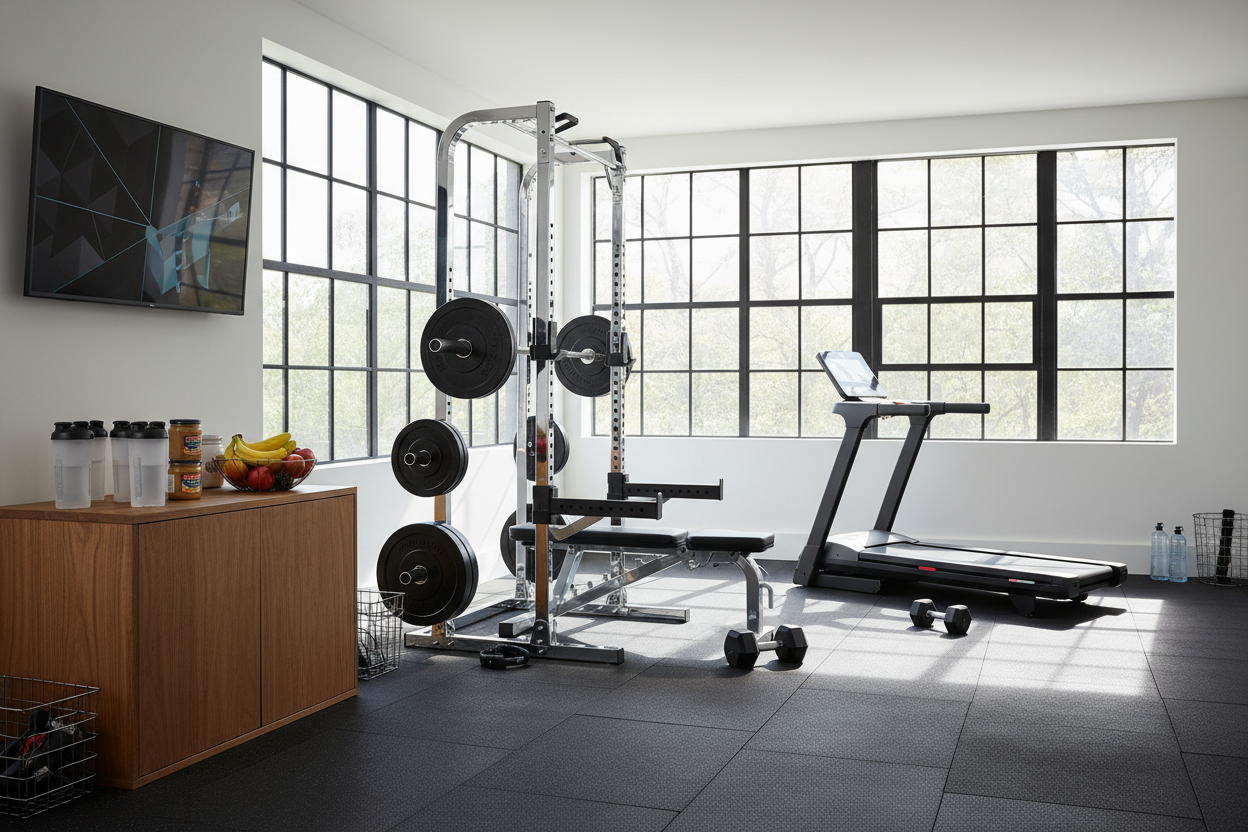
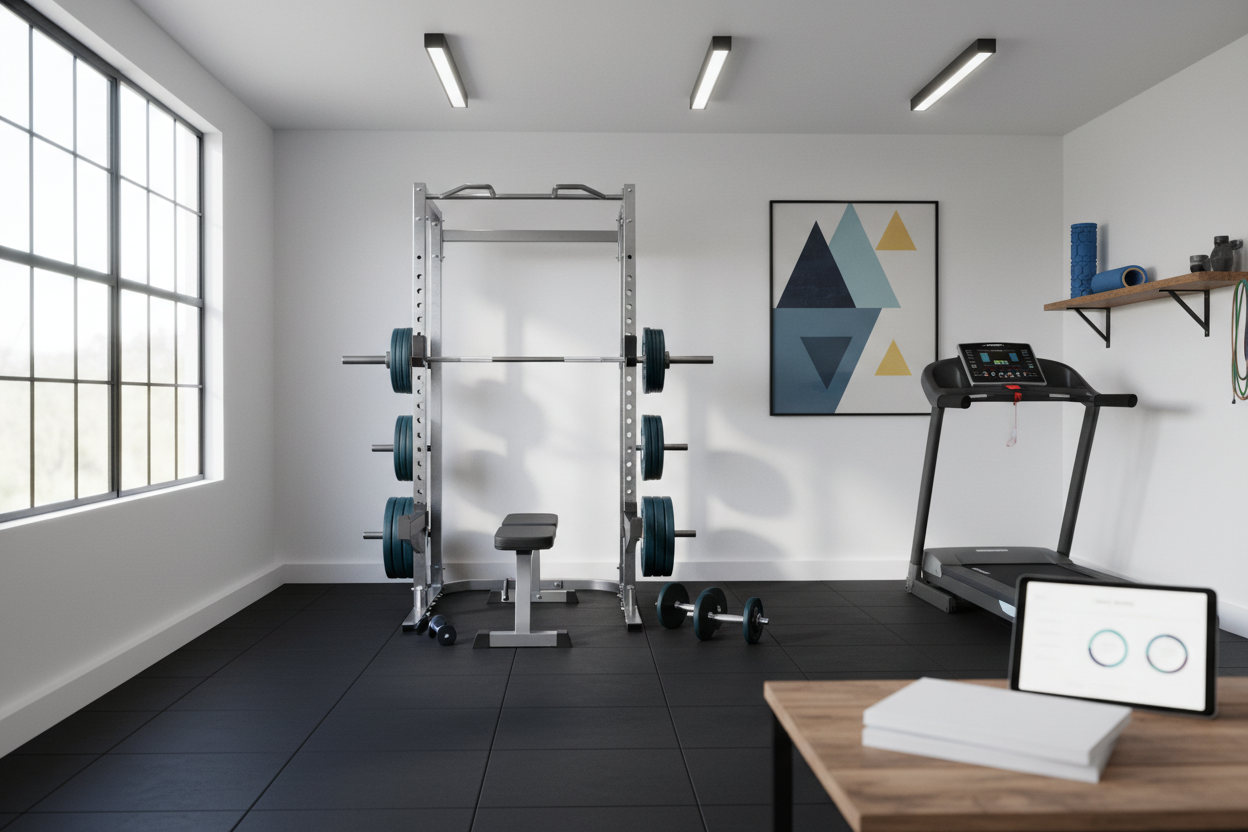
If you want real power, you need to move away from the seated chest-supported machines. You need a barbell and a rack that can handle some abuse. I recommend starting with the Push Press. It allows you to use a bit of leg drive to get the weight moving, which lets you overload the eccentric phase and get your brain used to holding heavy loads overhead. You'll need heavy strength equipment like a 3x3 power rack and a stiff barbell to do this safely.
Next is the Z-Press. Sit flat on the floor with your legs straight out in front of you and press a barbell from your collarbone. There is no cheating here. If your core is weak or your thoracic mobility is trashed, the bar will drift, and you'll fail the lift. It is the ultimate diagnostic tool for overhead power.
Finally, heavy overhead farmer's carries. Pick up a pair of kettlebells or a barbell, lock it out overhead, and walk. This builds dynamic stability that no seated press can replicate. It forces your traps and stabilizers to work overtime to keep that weight from crashing down.
Embracing Unstable Loads to Fix Weak Links
The shoulder is the most mobile joint in the body, which also makes it the most fragile. If you only ever lift perfectly balanced barbells, your small stabilizer muscles—the rotator cuff—get lazy. I started incorporating 'odd objects' like sandbags and bottom-up kettlebells to fix this. When the weight is trying to wobbling or shifting, your cuff has to fire instantly to keep the joint centered.
I usually spend ten minutes at the start of my session using strength training accessories like light resistance bands or 15-lb kettlebells for pre-hab. Doing a few sets of face pulls or 'around the worlds' before you touch the heavy iron ensures the joint is lubricated and the stabilizers are awake. It’s the best insurance policy against a labrum tear.
Protecting Your Joints (And Your Garage Floor)
Training for raw strength in a garage gym means you will eventually have to bail. When you're grinding out a 1-rep max and the bar starts to drift backward, you can't gently place it back in the hooks. You have to drop it. If you're lifting on bare concrete, you're going to crack your floor and ruin your plates.
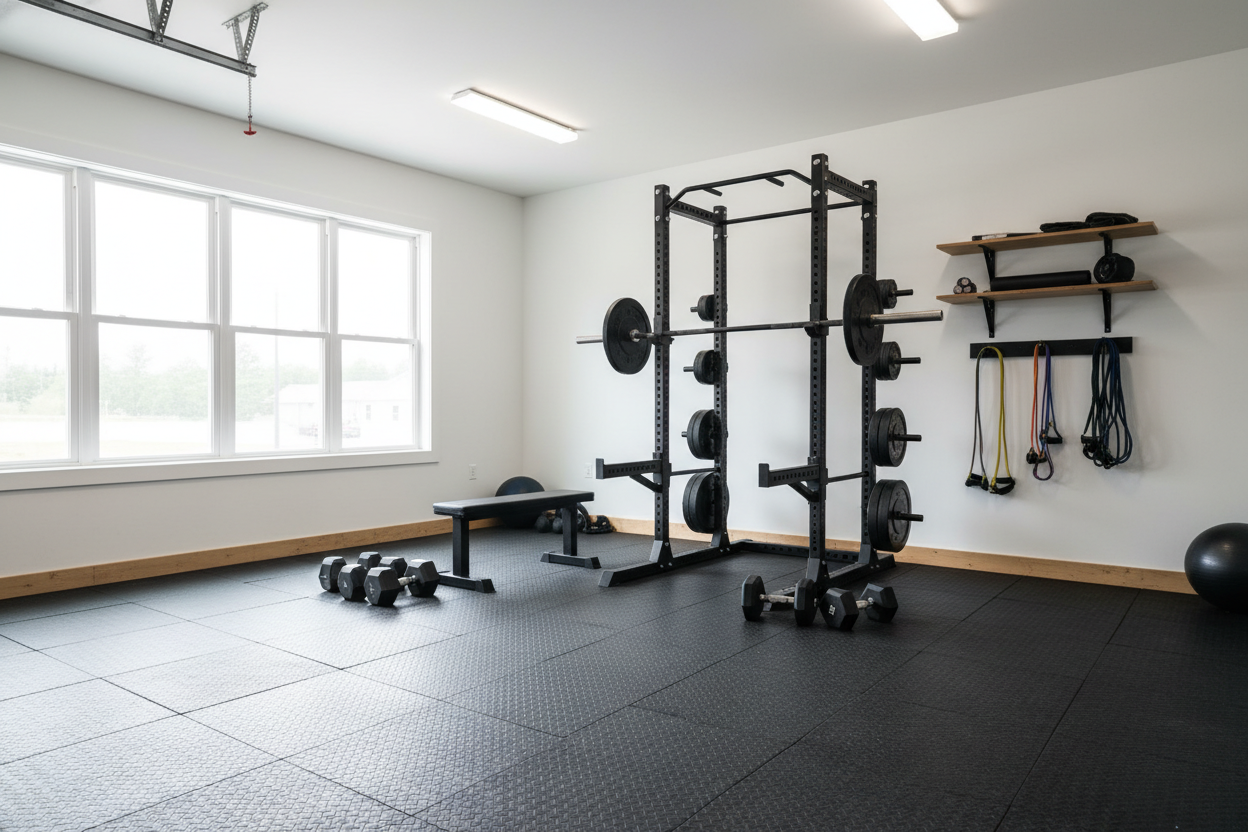
I learned this the hard way after chipping a 45-lb bumper plate on my driveway. Now, I use extra wide exercise mats to create a dedicated lifting zone. These mats absorb the shock when I have to dump a heavy press, and they provide the high-traction footing you need when your feet are trying to drive into the floor during a heavy push press.
How to Program This Without Frying Your CNS
You can't train heavy overhead every day. Your shoulders and your nervous system will quit on you. A simple 4-week progression works best. Week 1: 3 sets of 5 at 75%. Week 2: 4 sets of 3 at 85%. Week 3: 5 sets of 2 at 90%. Week 4: Deload with light accessory work.
Integrate the Z-press as your secondary movement on bench press days, and keep the heavy Push Presses for their own dedicated day. This frequency allows for enough recovery while still hitting the movement patterns often enough to see technical improvement. If your joints start feeling 'crunchy,' back off the intensity and increase the band work.
Personal Experience: The 200-lb Wall
I hit a wall at 200 lbs on my overhead press for nearly a year. I kept trying to 'grind' through it with more volume. My shoulders just ended up inflamed and my sleep suffered. I finally realized my triceps were the weak link. I added heavy close-grip benches and weighted dips into my routine, and within six weeks, I finally locked out 225. Don't be afraid to look at the muscles supporting the shoulder to find your bottleneck.
FAQ
How many times a week should I train for shoulder strength?
Twice a week is the sweet spot. One day for heavy overhead pressing and one day for overhead stability work or carries. Any more than that usually leads to diminishing returns and elbow tendonitis.
Are exercises for strong shoulders different from bodybuilding moves?
Yes. Bodybuilding focuses on isolating the deltoid with high reps and constant tension. Strength training uses compound movements like the overhead press and push press to move the most weight possible using the whole body as a unit.
What is the fastest way to increase my overhead press?
Fix your core stability. Most people fail an overhead press not because their shoulders are weak, but because their ribcage flares and they lose power through their midsection. Use the Z-press to fix your bracing.