Stop Buying the 'Top Home Gym Equipment' on Amazon
I remember the day my first 'heavy-duty' bench arrived from a generic Amazon seller. The box looked like it had been through a war zone, and the steel felt about as thick as a soup can. I spent two hours bolting together something that wobbled the moment I sat on it with a pair of 50s. If you are currently scrolling through top home gym equipment lists hoping to find a shortcut to a pro-level setup, stop. Most of what you see at the top of the search results is hollow junk designed to fit in a shipping container, not to support your heaviest sets.
Quick Takeaways
- Ignore review counts; look for 11-gauge steel and 3x3 inch uprights.
- If the total shipping weight is under 100 lbs for a rack, it is probably a toy.
- Buy once, cry once—cheap barbells bend; good ones last a lifetime.
- Prioritize the foundation with high-density flooring before buying the iron.
Why Algorithm-Driven Bestsellers Are a Massive Trap
The internet is flooded with 'best of' lists generated by bots or people who have never actually hit a PR in their lives. These lists prioritize high-margin, mass-produced gear because it is easy to ship and has thousands of five-star reviews from people who use the equipment as a laundry rack. When you ask what is the best home gym equipment, the algorithm points you toward the most profitable items, not the most durable ones.
These products often use thin 14-gauge steel and plastic pulleys that friction-burn after a month of use. They look shiny in photos, but in a real garage environment, the powder coating flakes off and the bolts strip the first time you tighten them. You aren't buying a piece of fitness equipment; you are buying a liability that will end up on Facebook Marketplace for twenty bucks in six months.
How to Tell Which Home Gym Equipment Is Best
To figure out which home gym equipment is best, you have to look past the marketing fluff and find the specs. First, check the steel gauge. In the world of strength, a lower number is better. 11-gauge steel is the gold standard for home use; anything higher than 14-gauge is basically tinfoil. If a manufacturer doesn't list the gauge, assume it's garbage.
Next, look at the welds. You want clean, 'stacked-dime' welds, not messy globs that look like a middle school shop project. Finally, check the true weight capacity versus the product weight. A 50-lb bench claiming a 1,000-lb capacity is lying to you. A legitimate commercial-grade bench should have some heft to it—usually 70 lbs or more—to ensure it won't tip when you're lining up for a heavy press.
My Real Top 10 Home Gym Equipment Essentials
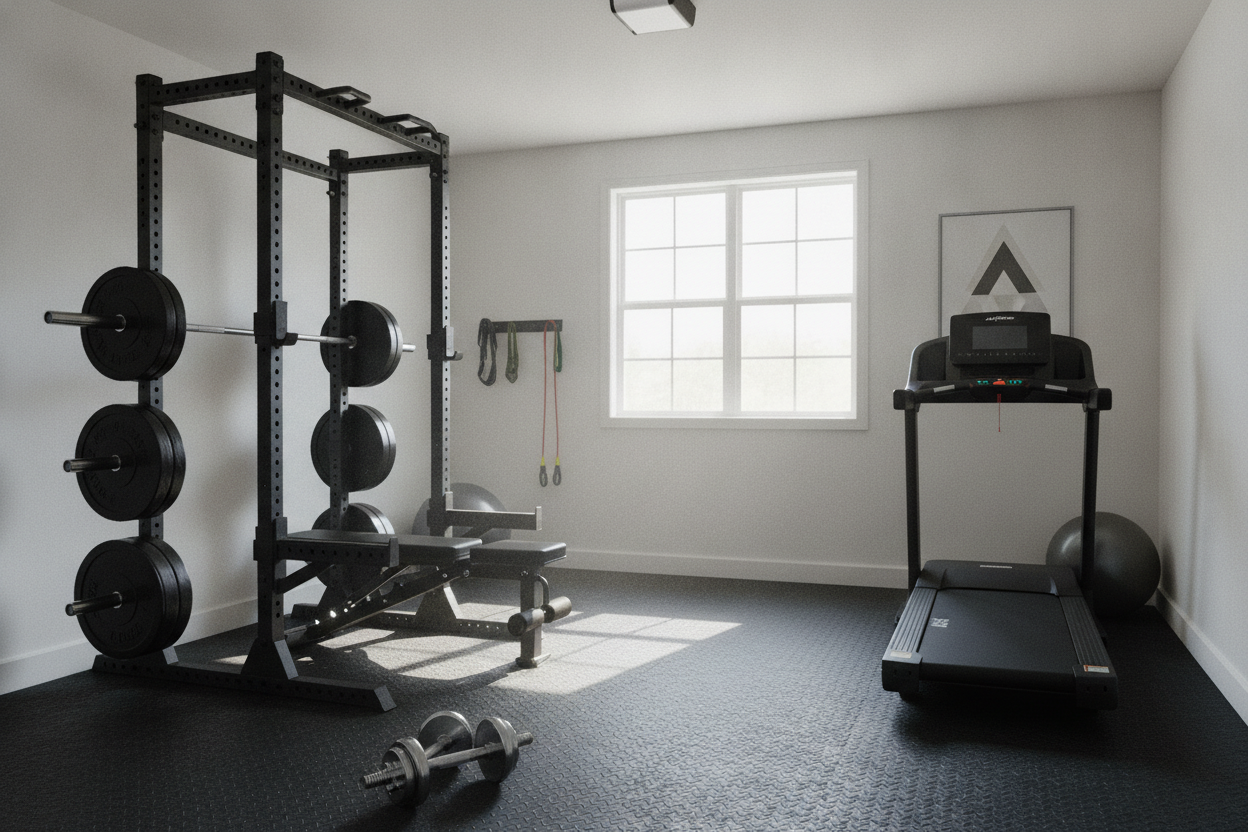
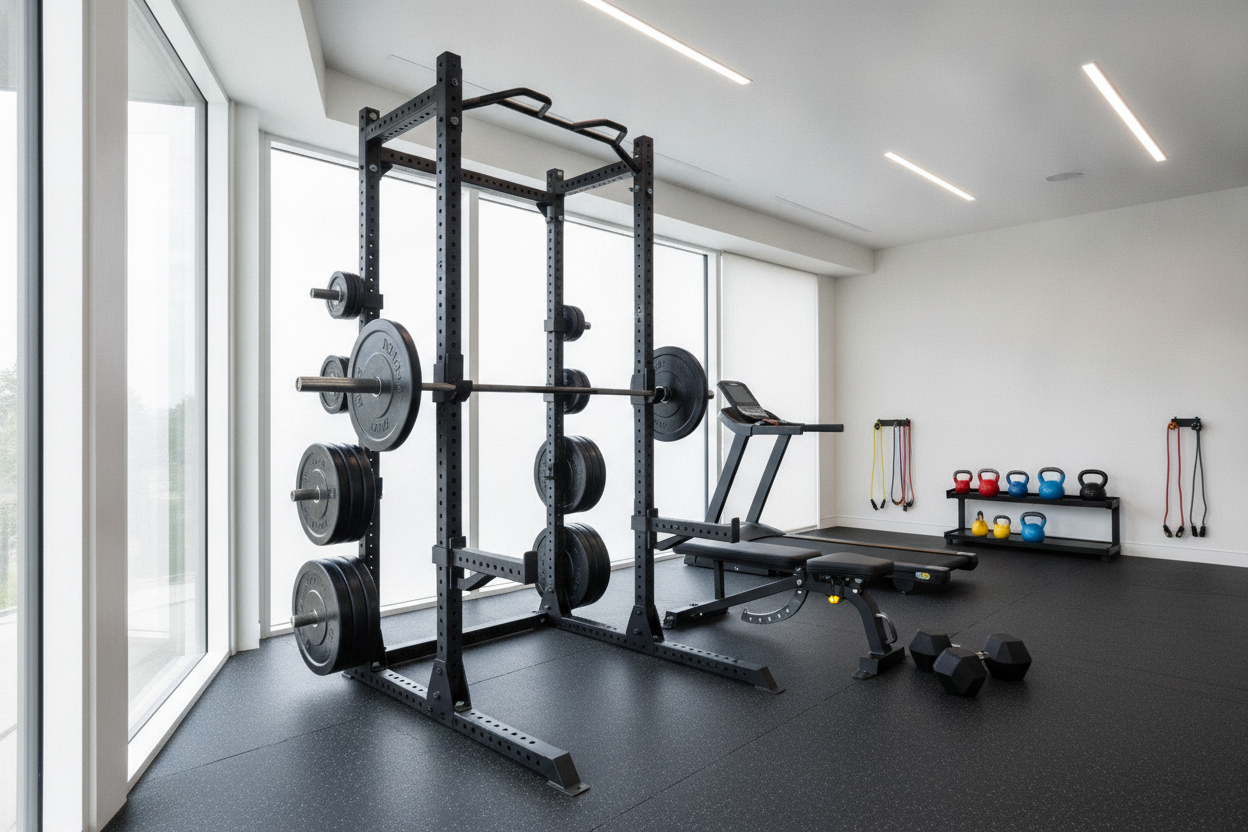
If I were starting over today with a blank slate and a reasonable budget, these are the top 10 home gym equipment pieces I would hunt down. No gimmicks, just iron and steel that can handle a beating. Before you even think about the rack, you need to protect your subfloor. I always recommend 3/4-inch horse stall mats or high-impact gym flooring for home workout spaces to keep your foundation from cracking under a dropped deadlift.
- Power Rack with 3x3 inch 11-gauge steel uprights.
- A 20kg multi-purpose barbell with at least 190,000 PSI tensile strength.
- At least 300 lbs of iron or bumper plates.
- A heavy-duty adjustable bench (zero-gap if you can afford it).
- Adjustable dumbbells that go up to at least 80 lbs.
- A set of pull-up handles or a multi-grip bar.
- Resistance bands for accessory work and stretching.
- A landmine attachment for rows and presses.
- A sturdy jump rope for conditioning.
- A vertical plate tree to keep the floor clear.
The Best At Home Equipment for Heavy Compound Lifts
When it comes to best at home equipment for squats and pulls, the barbell is king. Don't buy those '300-lb weight sets' from big-box retailers. The bars in those kits have a 25mm diameter and will permanently bend if you leave 225 lbs on them for too long. Invest in a bar with a lifetime warranty. For most people, the most effective setup is just a barbell and rack combined with a flat bench. You can build 90% of your physique with just those three items.
The Setup for the Best Home Gym Bodybuilding Routine
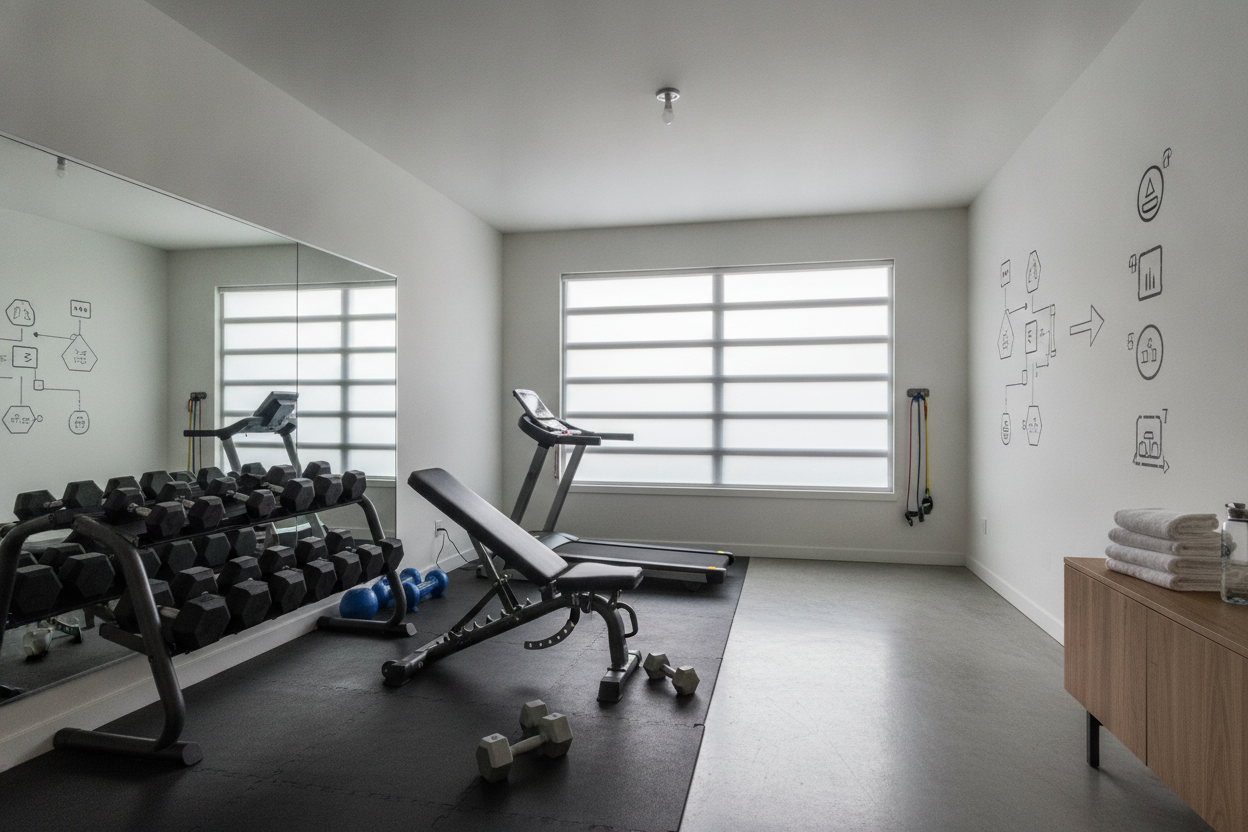
If your goal is best home gym bodybuilding, you need more than just the big three. Hypertrophy requires isolation. I’m a huge fan of adding a functional trainer or a plate-loaded cable tower to a corner. If space is tight, get a high-quality set of adjustable dumbbells. Being able to quickly switch from 50s for presses to 15s for lateral raises is the key to maintaining intensity during a high-volume session. Look for dumbbells with a flat head so you can rest them on your knees comfortably before a set.
Where to Find Legitimate Home Gym Recommendations
Stop trusting the first page of Google. If you want real home gym recommendations, go where the lifters are. Communities like r/homegym or dedicated equipment reviewers who actually film themselves dropping 500 lbs on the safety bars are your best bet. These people have no incentive to lie to you.
Also, keep an eye out for seasonal home gym equipment deals from reputable direct-to-consumer brands. You can often snag a commercial-spec rack for the same price as an Amazon bestseller if you time it right. Buying quality once is always cheaper than buying junk twice.
Personal Experience: The Price of Cheap Steel
Years ago, I tried to save $100 by buying a generic squat stand. One afternoon, while racking a 315-lb squat, the uprights swayed so hard I thought the whole thing was coming down on my toes. I spent the rest of the workout in a state of 'fight or flight' instead of focusing on my form. I sold that stand the next day for a loss and bought a real rack. That $100 'saving' ended up costing me $250 in the long run. Don't let your ego or your wallet make a decision that compromises your safety.
FAQ
What home gym equipment is best for a garage?
Look for powder-coated steel to prevent rust and 3/4-inch rubber flooring to handle temperature shifts and moisture. Avoid cheap chrome that peels in humidity.
What is the best home gym equipment for beginners?
A solid adjustable bench and a set of dumbbells. You can learn almost every fundamental movement pattern with just these two pieces before investing in a full rack.
Is 14-gauge steel okay for a home gym?
It is fine for light accessory pieces, but I would never recommend it for a squat rack or a bench if you plan on lifting more than 200 lbs. Stick to 11-gauge for anything structural.