Stop Buying Gear Before Your Weight Training Program for Beginners
I remember the exact moment I realized I’d wasted six hundred bucks. I was staring at a flimsy, vibrating treadmill I’d bought on a whim while my real goal—getting strong—sat gathering dust because I didn't have a rack. I had bought the 'idea' of fitness instead of looking at a weight training program for beginners and buying the tools to actually execute it.
If you're scrolling through equipment sites at midnight, stop. You are likely about to buy a piece of gear that won't fit your routine, your space, or your long-term goals. Most novices treat gym shopping like a grocery run, but without a recipe, you just end up with a pantry full of ingredients that don't make a meal.
- Pick your program first; buy the gear second.
- Barbell routines require a rack and floor protection; dumbbells require a high-quality bench.
- Don't fear machines if you're training solo in a garage.
- Cheap 'standard' 1-inch bars are a waste of money—go Olympic from the start.
The Expensive Mistake Most New Home Lifters Make
The biggest pitfall is the 'sale' trap. You see a set of resistance bands and a folding bench on clearance and think you've started a gym. You haven't. You've just cluttered your garage. Without a structured plan, that gear becomes a coat rack within three months. I've seen it a hundred times: people buy gear based on what looks 'cool' rather than choosing the best strength and weight training equipment for their specific physiological needs.
A real beginner weightlifting routine usually focuses on compound movements. If your gear doesn't allow you to squat, hinge, or press safely, it is useless. Stop looking at the price tag and start looking at the utility. A $500 rack that you use three times a week for a decade is cheaper than a $100 gadget that sits in a corner.
Reverse-Engineering Your First Garage Gym
The philosophy is simple: let the programming dictate the purchases. If you've decided to follow a strength-based weight lifting plan for beginners, your equipment list is already written for you. You don't need a leg extension machine if your program calls for squats and lunges. You don't need a 50-piece cable attachment kit if you're doing rows.
I always tell people to look at a solid weight lifting for dummies plan before they even open a browser to shop. These foundational routines usually rely on five or six movements. If the gear you're eyeing doesn't help you do those movements with progressive overload, put the credit card away. You're building a laboratory for physical change, not a showroom.
If Your Beginner Weightlifting Routine is Barbell-Focused
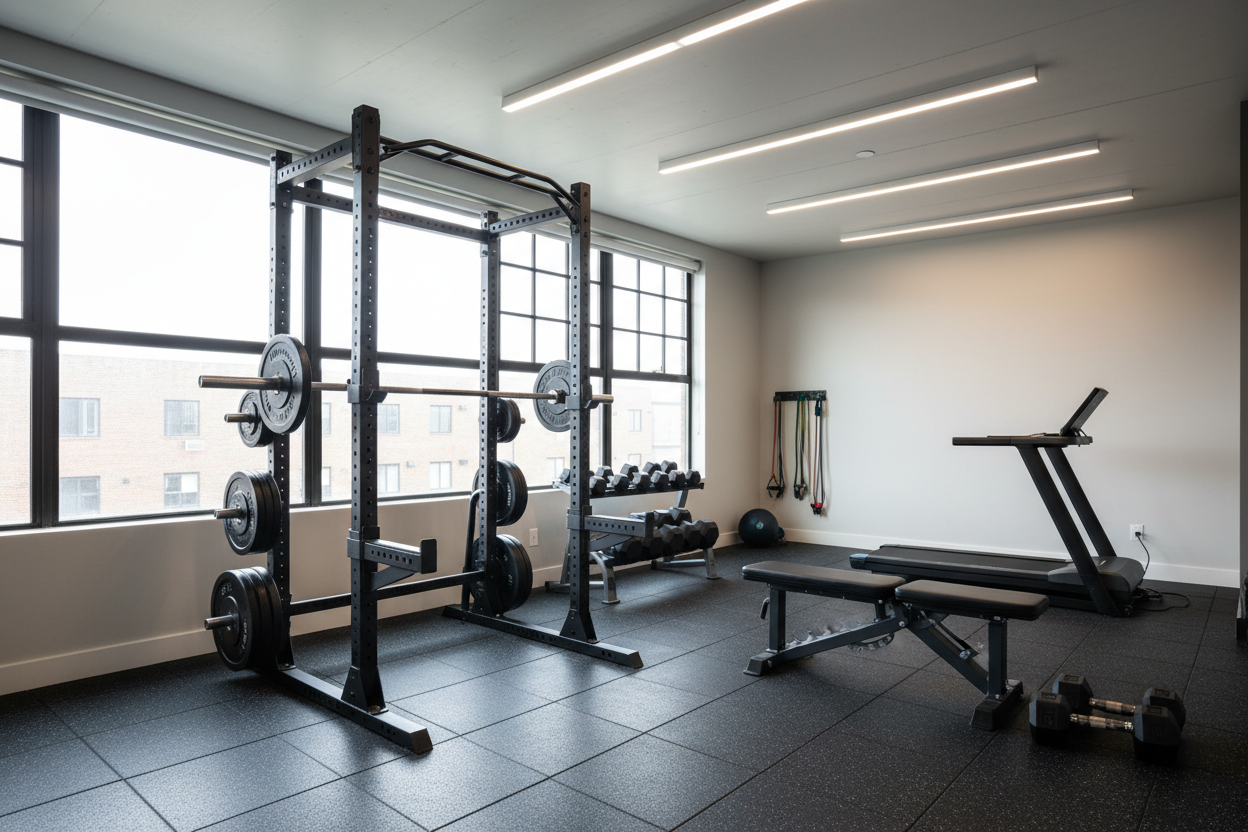
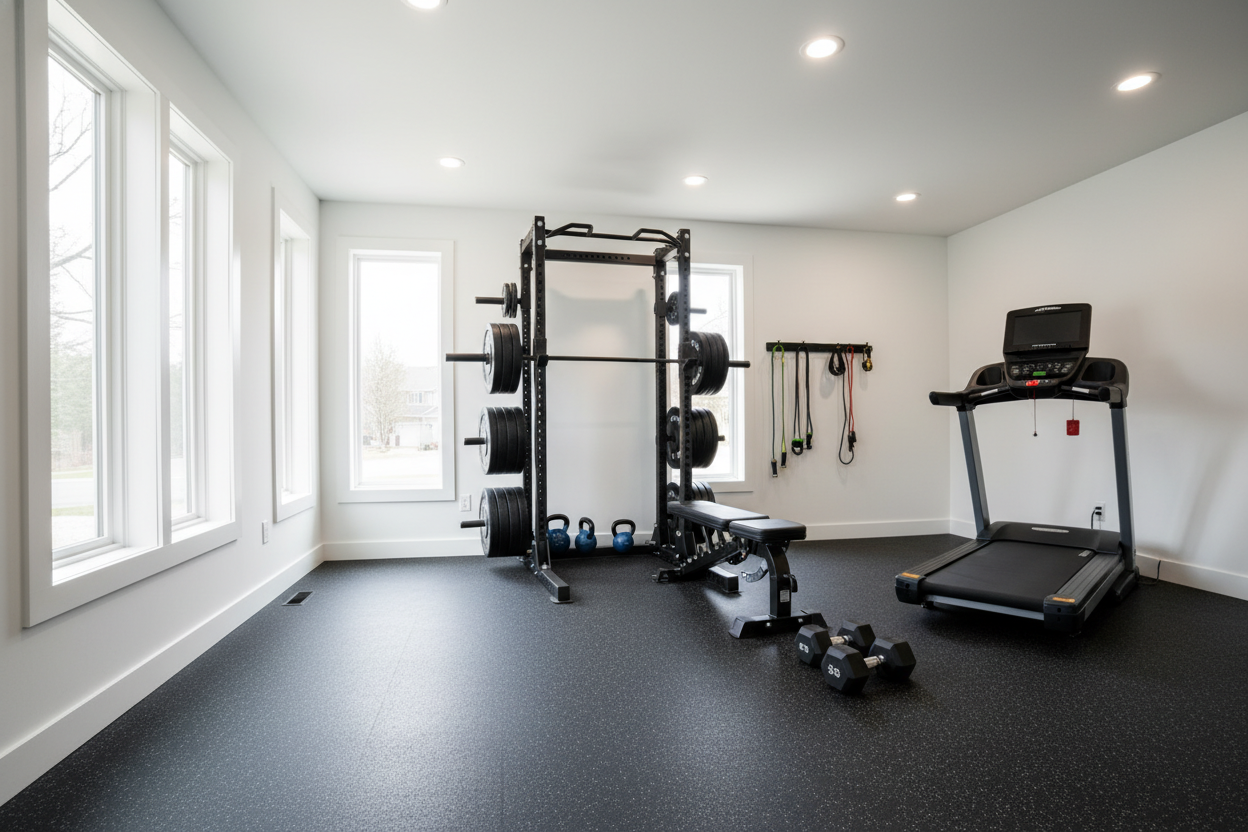
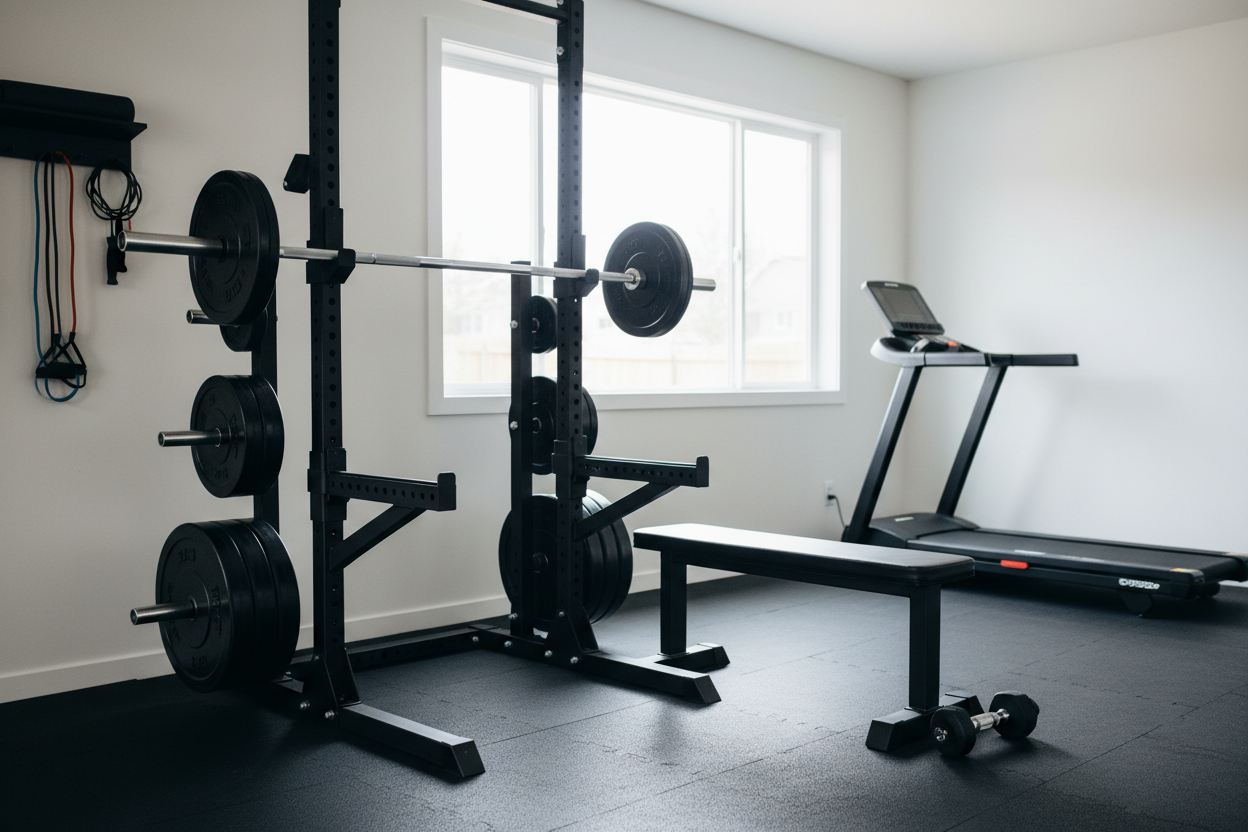
If you're running a 5x5 or Starting Strength style program, your needs are narrow but non-negotiable. You need a squat rack with safety pins, a 20kg (44lb) Olympic barbell, and at least 160 lbs of plates to start. Don't skimp on the bar. A cheap bar has 'mushy' knurling and will bend under a 200-lb load. Look for a bar with a 190,000 PSI tensile strength—it's the sweet spot for durability without breaking the bank.
If Your Weight Lifting Plan for Beginners is Dumbbell-Based
Maybe you're working in a spare bedroom or a tight 6x8 ft corner. If your routine is unilateral and dumbbell-focused, your centerpiece isn't a rack—it's a rock-solid adjustable weight bench. You need a bench that doesn't wobble when you're doing seated presses or rows. Look for a 14-gauge steel frame and a weight capacity of at least 600 lbs. That sounds like a lot, but remember: that capacity includes your body weight plus the heavy dumbbells you'll eventually be lifting.
Why We Shouldn't Demonize Selectorized Gear for Novices
There is a lot of 'hardcore' dogma that says free weights are the only way to train. That's nonsense, especially if you're a novice training alone in a basement. Sometimes, weight lifting machines or functional trainers are the smartest move. They provide a fixed path of motion, which is basically a built-in coach for your first few months.
If you have the budget, a functional trainer with dual cable stacks allows for hundreds of movements in a small footprint. More importantly, they are incredibly safe. You can't get pinned under a cable. For a beginner trying to build a base of hypertrophy without a spotter, the 'guided' nature of selectorized gear can actually lead to more consistent workouts because the 'fear' factor is removed.
The 'One-and-Done' Setup I'd Build Today
If I were starting over today with the knowledge of a decade of lifting, I wouldn't piece things together. I'd go for a power rack weight bench package. This is the ultimate 'buy once, cry once' move. It gives you the safety of a full cage, the versatility of a bench, and usually a pull-up station. This setup supports 99% of every weight training program for beginners ever written.
I once bought a cheap 'standard' bench from a big-box store. The first time I tried to bench 135 lbs, the uprights creaked so loudly I thought I was going to end up in the ER. I ended up selling it for $20 and buying the heavy-duty rack I should have bought in the first place. Don't be me. Buy the gear that can grow with you into your second and third year of training.
Personal Experience: The 'Standard' Bar Fail
Early on, I bought a 1-inch diameter 'standard' weight set because it was $150 for 110 lbs of weight. It was the worst investment I ever made. The weights were plastic-coated sand, and the bar was too thin for my hands. Within two months, I outgrew the weight capacity, and because it wasn't 'Olympic' sized (2-inch), I couldn't even buy more plates for it. I had to trash the whole set and start over. Save your money—start with Olympic-sized equipment.
FAQ
How much space do I actually need for a beginner setup?
For a barbell setup, you need an 8x8 foot area. This allows for a 7-foot bar plus a foot of clearance on each side so you can actually load the plates without hitting a wall.
Should I buy iron plates or bumper plates?
If you're training on a concrete garage floor and plan on doing deadlifts or cleans, get bumpers. They are quieter and won't crack your slab. If you're on a budget and have thick rubber mats, iron is fine.
Do I need a belt or lifting straps yet?
No. For the first three to six months of any beginner weightlifting routine, focus on your grip strength and core stability. You don't need 'accessories' until the weights get heavy enough to actually challenge your structural integrity.