Why I Stopped Taking Advice From Every Weight Lifting Blog
I spent years being a total sucker for a well-designed weight lifting blog. I’d spend my rest sets scrolling through 'ultimate guides' and 'secret hacks' while sitting on a bench that was already starting to wobble. I was desperate to fix a plateaued squat, but instead of finding actual coaching cues, I found myself clicking on affiliate links for neon-colored pre-workouts.
Quick Takeaways
- Most fitness content is written to sell supplements, not to add weight to your bar.
- Real strength advice focuses on recovery, intensity, and basic barbell movements.
- Stock photos of models who don't sweat are a massive red flag.
- Your own training log is more valuable than 99% of the weightlifting blogs on the internet.
The Day I Realized Most Fitness Articles Are Just Ads
I was stuck at a 315-pound squat for six months. Every time I hit the hole, my knees caved and my back rounded like a scared cat. I went looking for a weight training blog that could fix my mechanics. Instead, I found a thousand articles written by 'content specialists' telling me I needed more BCAAs and a subscription to a proprietary app. They weren't interested in my bracing or my hip mobility; they were interested in my credit card.
The worst offenders are the ones that try to steer you away from the hard stuff. These 'experts' try to sell you on isolating muscles with expensive weight lifting machines instead of fixing your basic barbell form. They want you to believe that progress is found in a cable crossover rather than a heavy set of five. Why? Because it's easier to sell a machine or a supplement than it is to sell the idea of grinding through a difficult program for two years.
I realized then that most strength training blogs are just digital billboards. If the author doesn't sound like they’ve actually felt the sting of a center-knurl on their neck, they probably shouldn't be giving you advice on how to move heavy iron.
How to Spot the Fakes in Strength Training Blogs
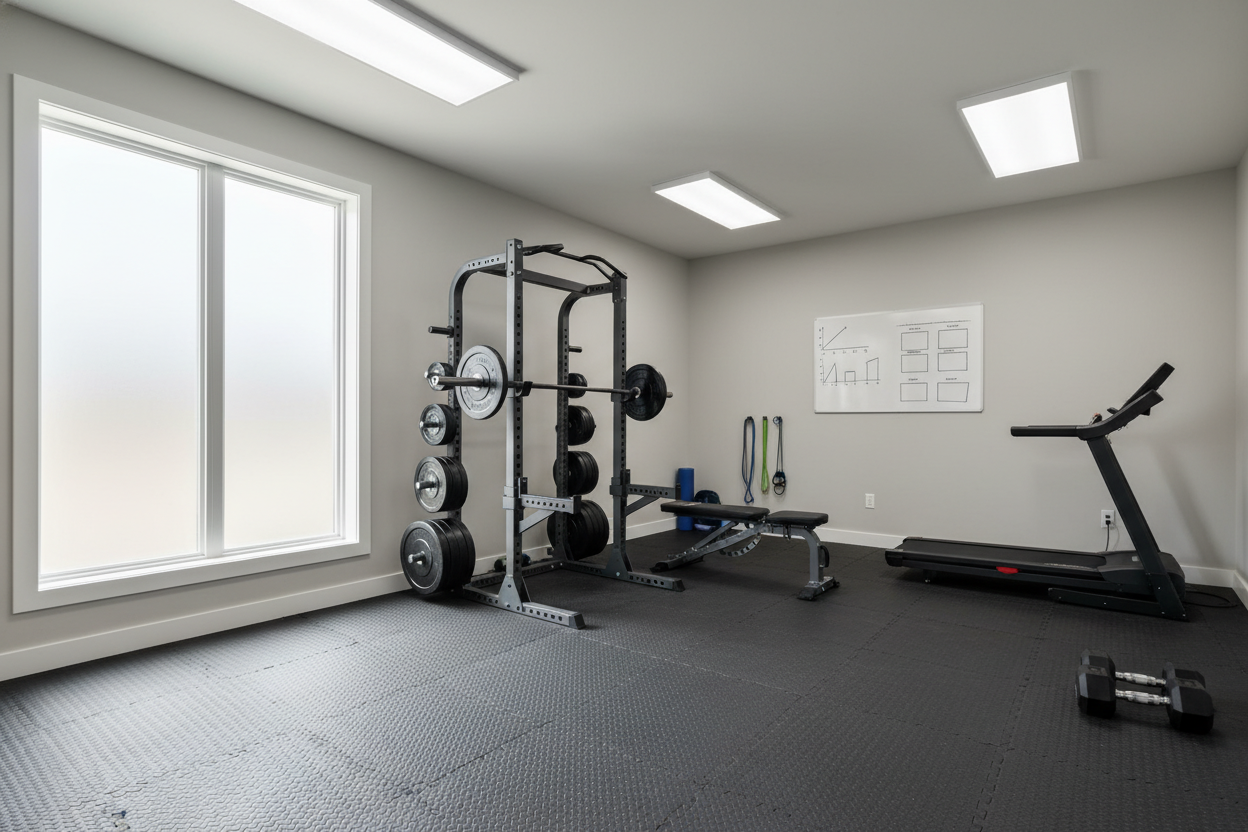
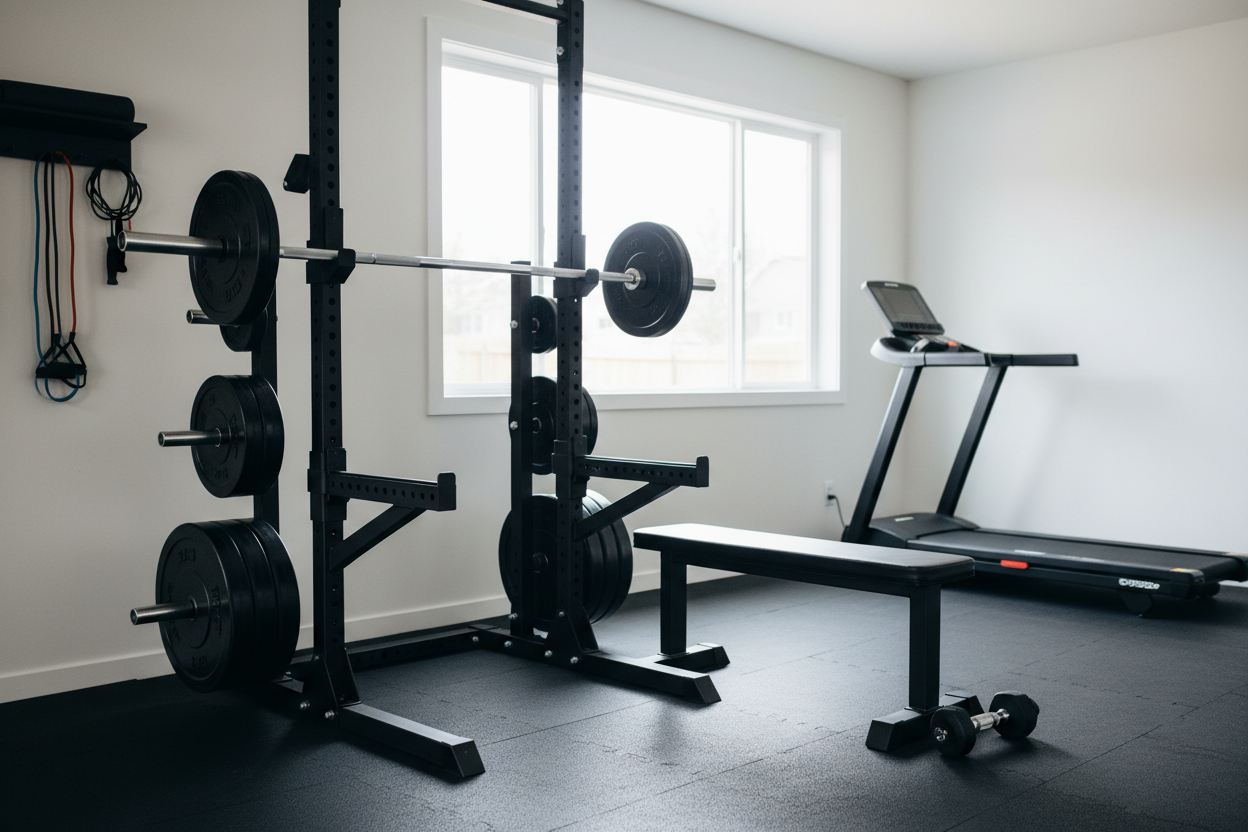
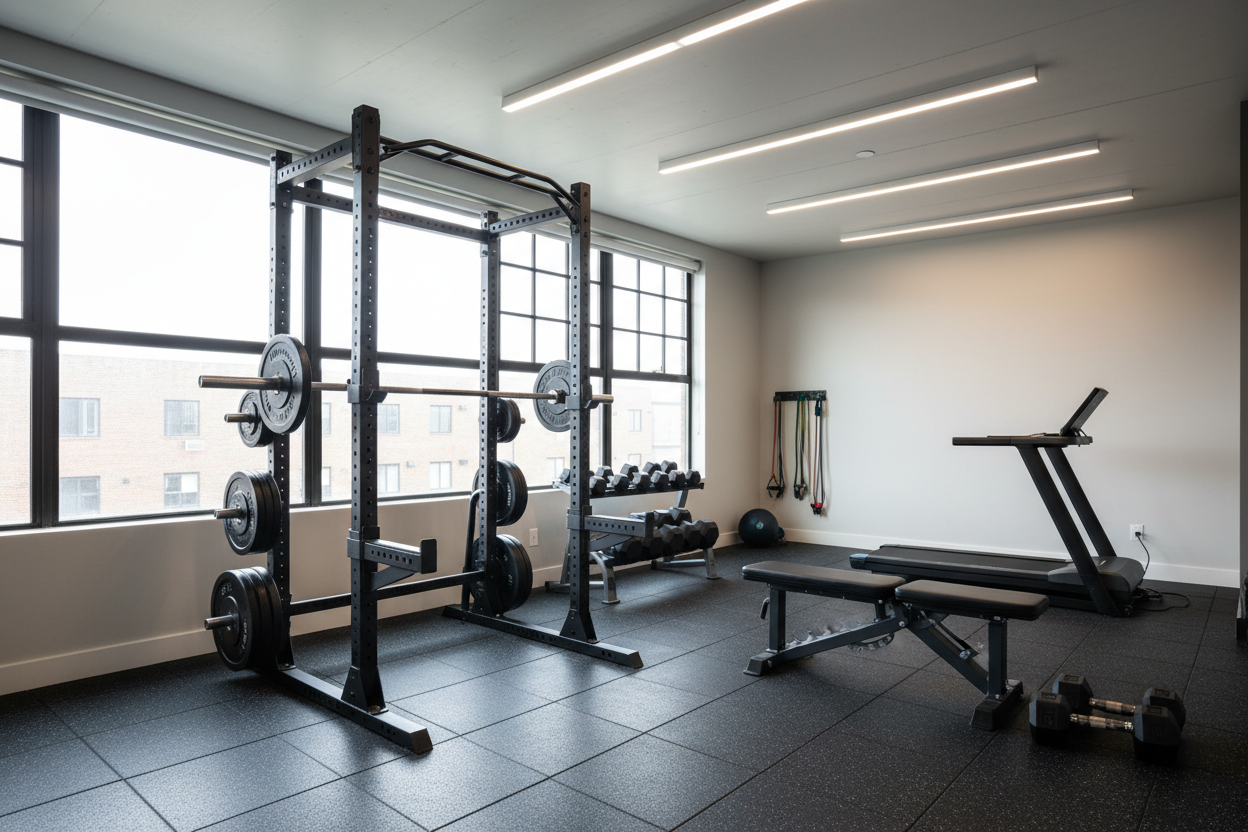
The internet is littered with weightlifting blogs that look professional but offer zero substance. The first red flag is the imagery. If you see a guy with a six-pack doing bicep curls with five-pound dumbbells in a studio that looks like a high-end hotel, close the tab. That person doesn't train in a garage gym where the temperature drops to 40 degrees in the winter. They don't know what it's like to have to move a lawnmower just to find room for a deadlift platform.
The second red flag is the 'gear review' that just reads like a manufacturer’s spec sheet. A real equipment review tests gear like the Gxmmat Adjustable Weight Bench under actual heavy loads, rather than just copy-pasting the weight capacity from the box. I want to know if the vinyl is slippery when you're sweating through your third set of bench. I want to know if the adjustment pin feels like it’s going to shear off when you’re pushing 250 pounds. If they don't mention the flaws, they're lying to you.
Lastly, look at the author's bio. If they are a 'wellness enthusiast' or a 'certified content creator,' run. You want advice from the guy who has spent a decade in the trenches, failing lifts and figuring out why. Real strength training blogs are written by people with calluses, not people with marketing degrees.
Read Every New Weight Training Blog Like a Skeptic
You have to filter every piece of advice through your own reality. I used to fall for the 'pro bodybuilder' workout routines. I’d read a weightlifting blog that suggested a six-day-a-week high-volume split and try to force it into my life. But I work 50 hours a week and have a mortgage. I don't have a personal chef or four hours to spend in the gym every afternoon.
If a blog tells you that you 'must' do a specific exercise or you're wasting your time, they are full of it. There are no mandatory exercises, only mandatory effort. A weightlifting blog that doesn't account for the stress of real life—sleep deprivation, work stress, and aging joints—is useless to the average home gym owner. I’ve learned to take the 10% of advice that fits my life and discard the rest of the fluff.
What Actually Makes a Good Weightlifting Blog?
There are still a few good sources out there. The good ones don't use filters. They show unedited training footage where the lifter actually struggles. They admit when they made a mistake in their programming. They talk about equipment failure—like when a bar starts to lose its sleeve spin or a rack starts to show signs of rust. These are the details that matter to those of us building our own spaces.
A quality source actually helps you navigate strength and weight training equipment based on your real goals, not affiliate payouts. They’ll tell you that you don't need the $3,000 rack if a $600 one fits your ceiling height and handles your current max. They prioritize the 'why' over the 'what.' They want you to understand the mechanics of the movement so you can coach yourself when things get heavy.
Stop Scrolling and Build Your Own Data
At some point, you have to stop reading and start lifting. I used to spend more time researching the 'perfect' program than I did actually squatting. I’ve found that my own training notebook is the most important weightlifting blog I’ve ever read. It doesn't have ads. It doesn't have stock photos. It just has the cold, hard truth of what worked and what didn't.
If you’re tired of the fluff and want a genuine, BS-free starting point, I’ve put together a weight lifting training guide that is based on actual garage gym experience, not a marketing plan. It’s the stuff I wish I knew before I wasted years following the advice of 'experts' who have never seen a 45-pound plate in person. Stop scrolling, get under the bar, and start writing your own story.
FAQ
How can I tell if a fitness article is just an ad?
Look for the 'buy now' buttons. If the article mentions a problem (like joint pain) and immediately offers a specific brand of supplement as the only solution, it is a sponsored pitch. Real advice usually involves lifestyle changes or technique adjustments first.
Are all weight lifting machines a waste of money?
Not at all, but they are often over-emphasized in blogs because they are high-ticket items. Machines are great for accessory work, but they shouldn't replace the foundational barbell and dumbbell movements that build raw strength.
What is the most important piece of gear for a home gym?
A solid power rack and a quality barbell. Everything else—the benches, the machines, the fancy attachments—is secondary. If you can't squat and press safely, you don't have a gym; you have a storage unit with some heavy stuff in it.