Stop Benching First: The best workout for shoulders and chest
I remember my first real home gym setup—a rickety bench and a pair of dumbbells that rattled so much I thought they’d disintegrate mid-press. I spent months doing the standard routine: flat benching until my chest was fried, then wondering why my overhead press felt like I was trying to lift a truck. My front delts were giving out long before my pecs even felt the work.
If you’re training in a garage or a spare room, you don't have the luxury of fifteen different machines to isolate every fiber. You need a strategy that doesn't waste your energy. This is the best workout for shoulders and chest because it stops treating your muscles like they exist in a vacuum and starts respecting how they actually fatigue.
Quick Takeaways
- Stop stacking heavy compound presses back-to-back; your front delts will fail first.
- Alternate between horizontal and vertical planes to keep intensity high.
- Supersets are your best friend for a quick chest and shoulder workout.
- Floor-based movements require proper padding to save your joints.
Why Stacking Heavy Presses Ruins Your Push Day
Most people walk into the gym and do three sets of heavy flat bench, then three sets of heavy incline, then try to hit a heavy overhead press. By the time you get to that third movement, your anterior deltoids are screaming. This is crossover fatigue. Your front delts assist in every single chest press movement, so by the time you ask them to be the primary movers in a shoulder press, they’re already cooked.
I’ve made this mistake for years, wondering why my shoulder strength plateaued while my bench barely nudged upward. If you keep hitting the same muscle groups in the same plane of motion, you’re just training to fail, not to grow. Sometimes you need to Ditch Push-Pull For This Back Chest and Shoulder Workout to actually see progress without the joint ache.
The Blueprint for a Killer Chest and Shoulder Workout
The secret to a killer chest and shoulder workout is alternating the angle of attack. Instead of crushing your front delts with three different chest presses in a row, we pair a chest movement with a shoulder movement that targets a different head of the delt—like the lateral or posterior head.
This strategy allows your pec fibers to recover while you’re working your side delts, and vice-versa. It’s a mechanical advantage that lets you keep the weight heavy across the entire session. This isn't just about 'burning' the muscle; it's about maintaining high power output so you can actually move the 50-lb dumbbells instead of dropping back to the 25s because you're gassed.
The Routine: The Best Workout for Shoulders and Chest
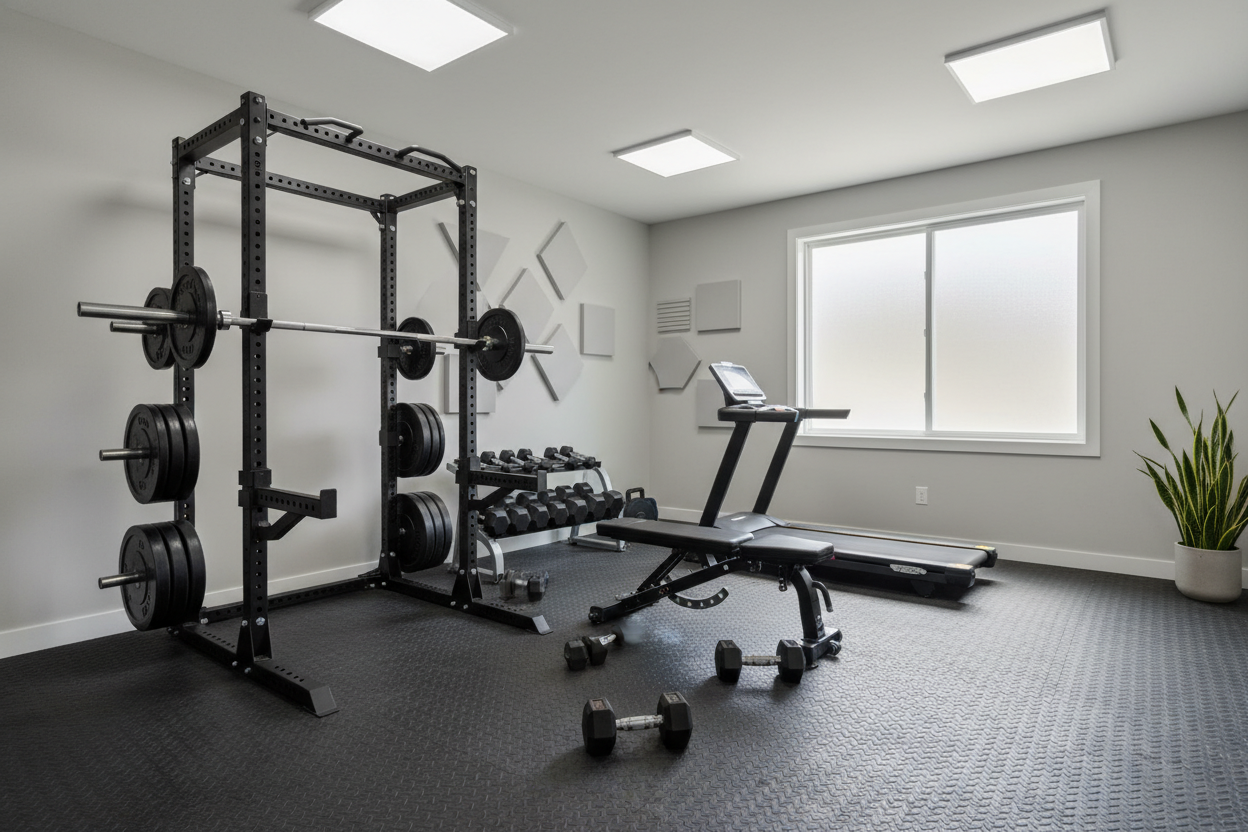
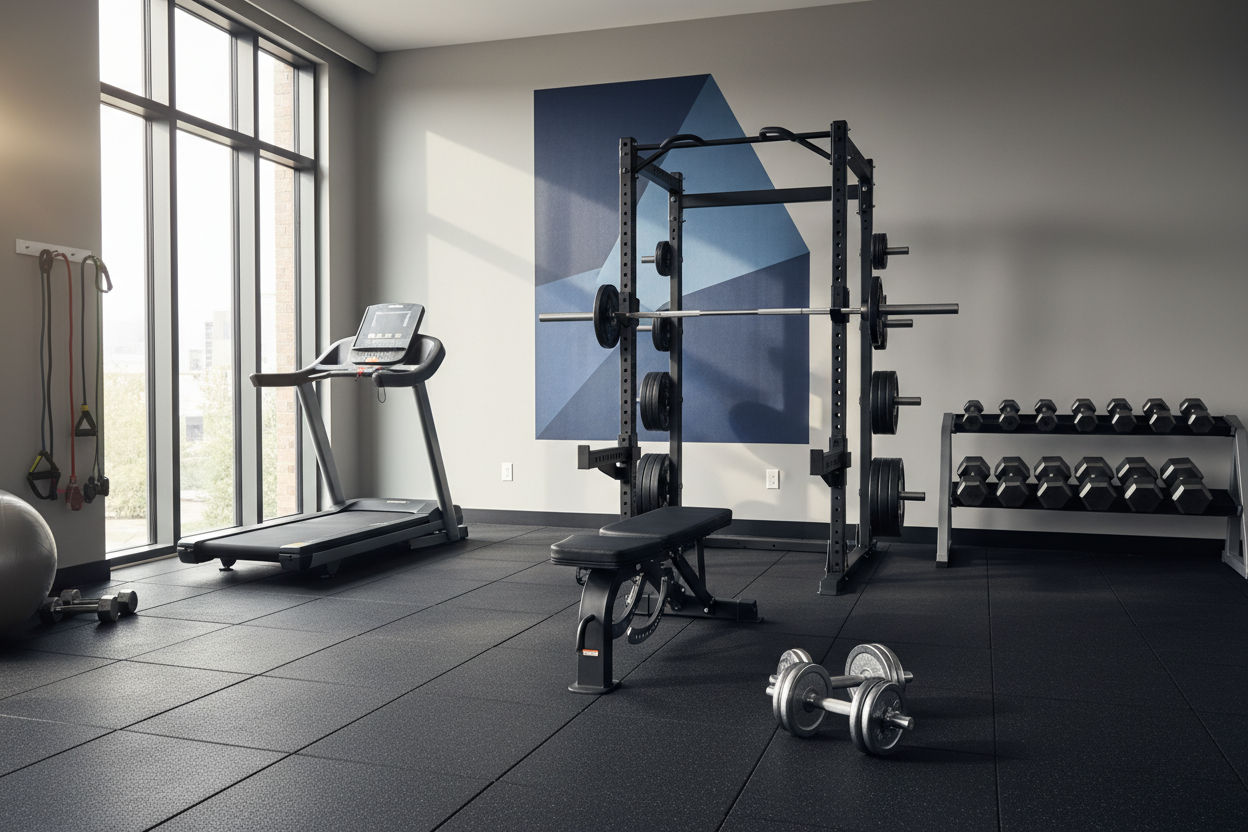
In a home gym, space is the enemy. I designed this chest and delts workout to require minimal equipment changes. You’ll need a bench (adjustable is better), a set of dumbbells, and maybe a resistance band. No need to keep swapping plates on a barbell every five minutes while your heart rate drops.
A Quick Chest and Shoulder Workout Warm-Up
Don't just grab the heavy weights. Spend five minutes on shoulder circles, band pull-aparts, and some light thoracic spine extensions over a foam roller. If you’re finding that standard movements feel too heavy or painful, you might want to check out these modifications for Weak Push-Ups? Try This Chest and Shoulder Workout for Women to build that baseline stability first.
Block A: The Heavy Pec and Shoulder Workout Supersets
This is where the real work happens. We are going to run two main supersets. Perform 3-4 sets of each pair, resting 90 seconds between sets.
- A1: Flat Dumbbell Bench Press: Go heavy here. Focus on the stretch at the bottom. 8-10 reps.
- A2: Dumbbell Lateral Raises: Keep these strict. No swinging. 12-15 reps to hit the side delts.
- B1: Incline Dumbbell Press: Set the bench to a 30-degree angle. This hits the upper pecs without overtaxing the joints. 10-12 reps.
- B2: Rear Delt Flyes: Lean forward and pull those weights out to the side. 15 reps.
By pairing a heavy pec and shoulder workout movement with an isolation exercise, you’re ensuring the chest gets the brunt of the heavy load while the shoulders get targeted volume without the ego-lifting injuries.
Block B: The Chest Shoulders Traps Workout Finisher
To wrap this up, we’re doing a chest shoulders traps workout finisher that will leave you with a massive pump. We’re going to do a descending ladder of push-ups paired with dumbbell shrugs. Start at 15 reps of each, then 12, 10, 8, and 5. No rest until the ladder is done.
The shrugs will fire up your traps, which often get ignored in standard push days, while the push-ups provide that final metabolic stress to the pecs. It’s brutal, it’s fast, and it works.
Is Your Home Gym Floor Wrecking Your Shoulders?
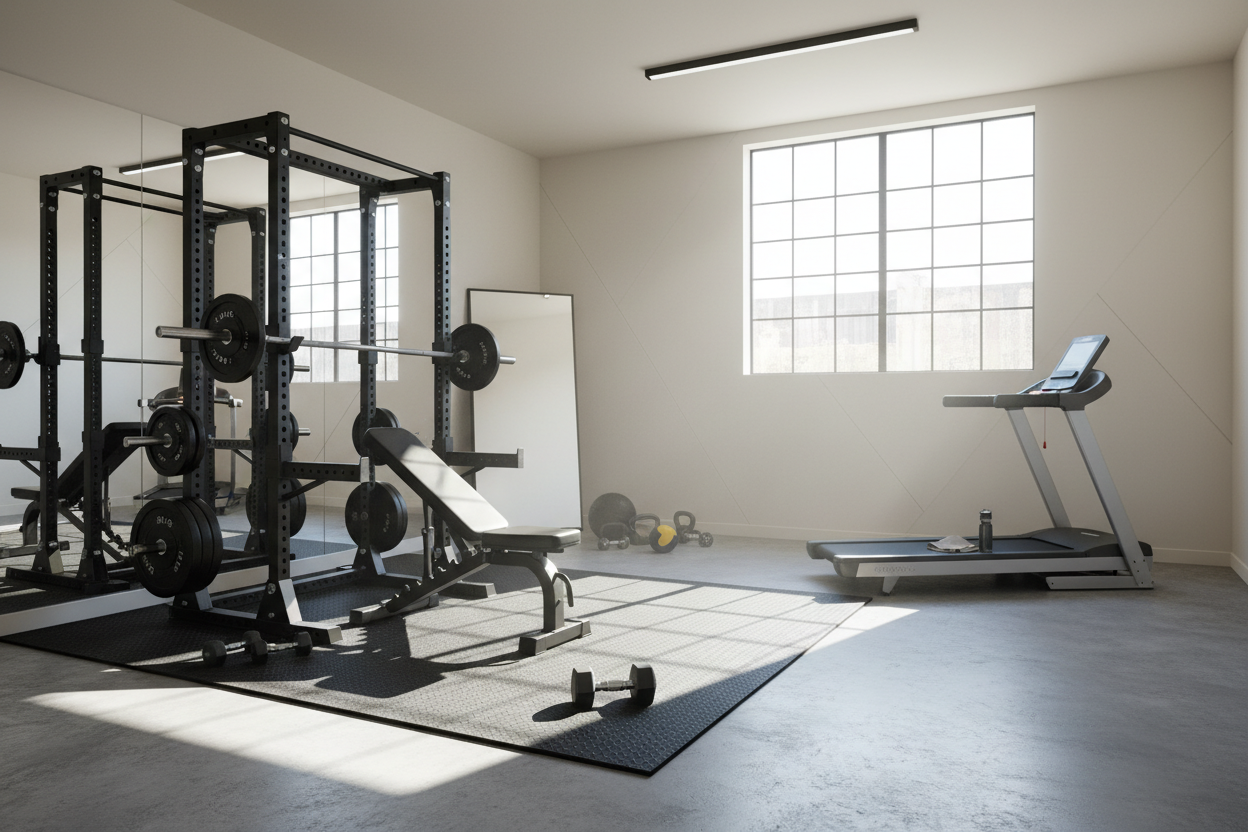
I learned the hard way that doing floor presses or heavy push-ups on bare concrete is a recipe for bursitis. If you’re serious about a home-based chest shoulders traps workout, you need a surface that absorbs impact. I finally bit the bullet and laid down some high-quality gym flooring for home workout, and the difference in my joint health was immediate. Don't let a $500 bench sit on a floor that’s destroying your elbows.
How to Program This Routine Long-Term
Run this session twice a week, leaving at least 72 hours between sessions. Track your weights—if you did 50s this week, aim for 52.5s or an extra rep next week. Consistency beats intensity every single time. For more ways to round out your split, head over to our Workout Hub for leg and back routines that match this intensity.
FAQ
Can I do this with just a barbell?
You can, but dumbbells allow for a better range of motion and are easier on the shoulders. If you use a barbell, keep the weight slightly lower to focus on form.
How long should this workout take?
If you're keeping your rest periods tight, you should be in and out in 45 minutes. It's designed to be efficient.
What if my shoulders hurt during incline press?
Lower the angle of the bench. Often, a 45-degree angle is too steep and turns the move into a shoulder press. Drop it to 15 or 30 degrees.