Still doing push days? Here is exactly what to workout with chest
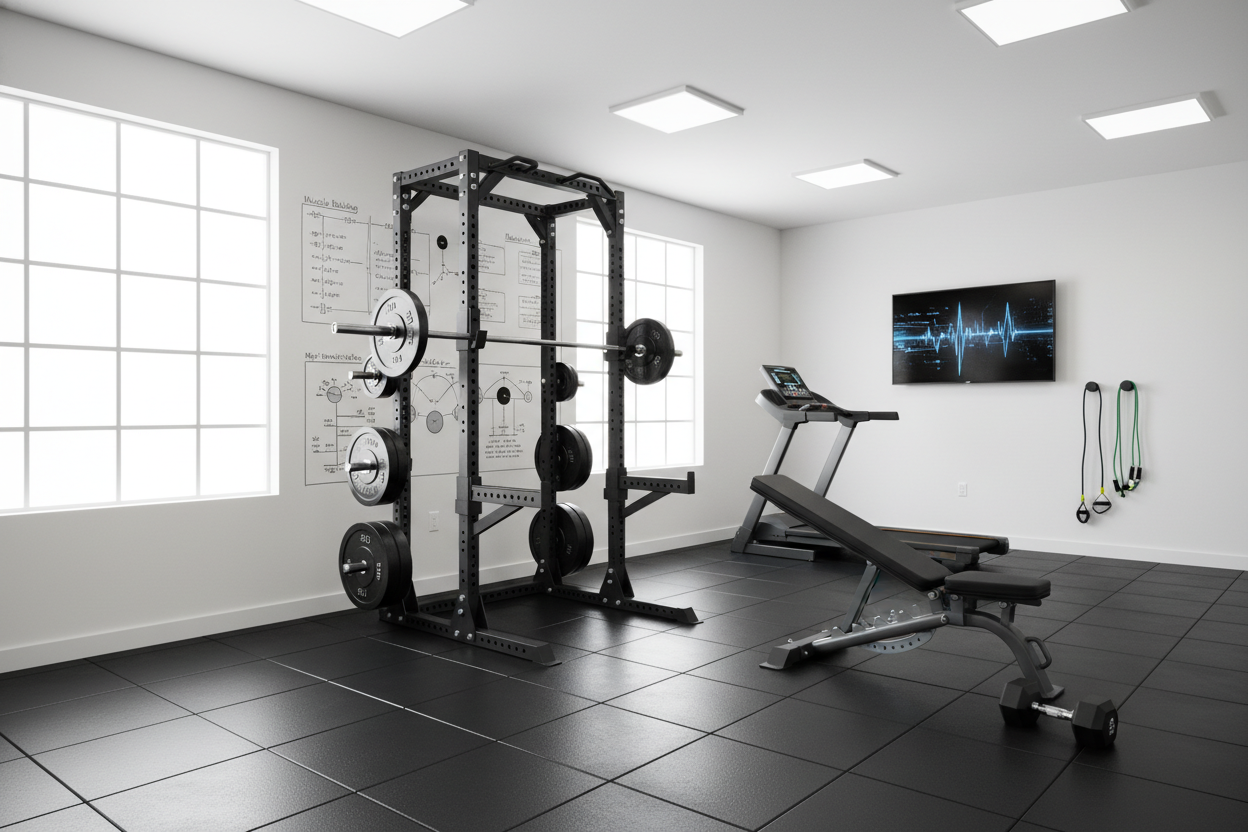
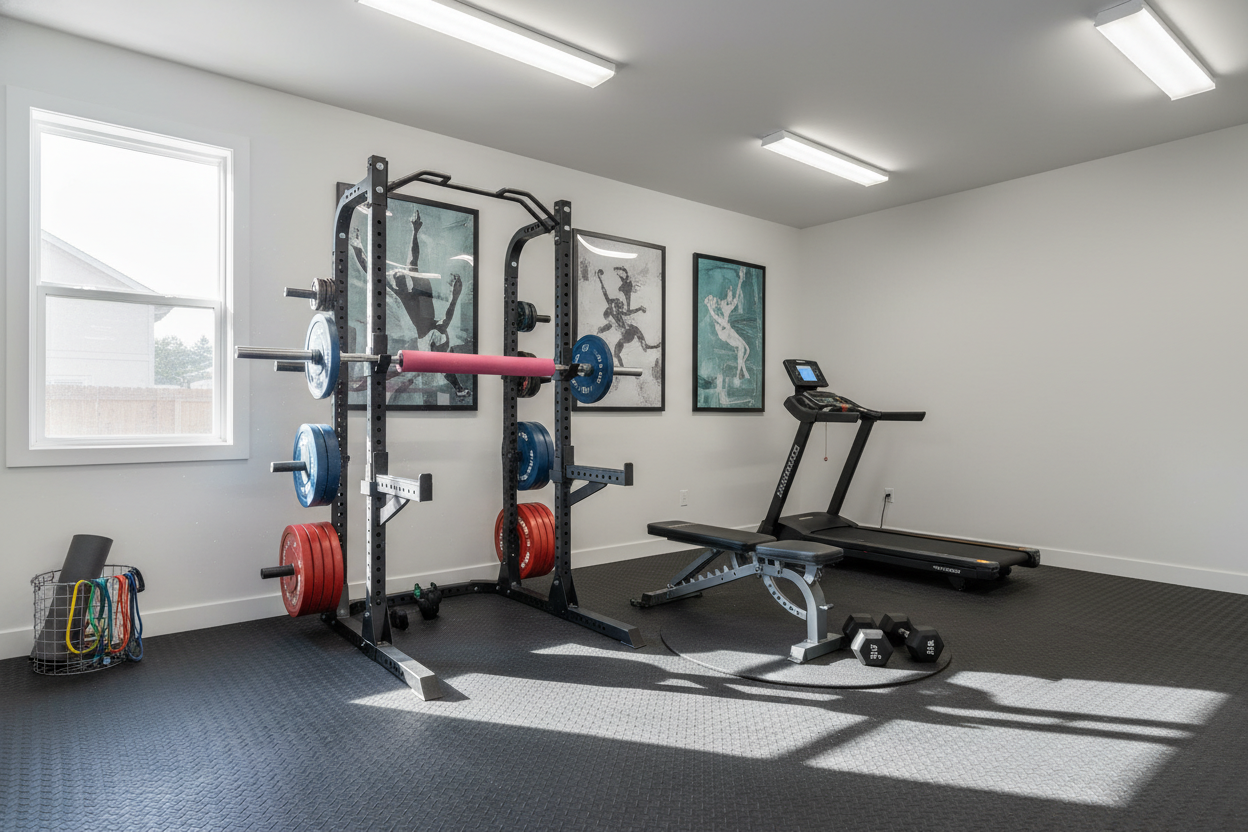
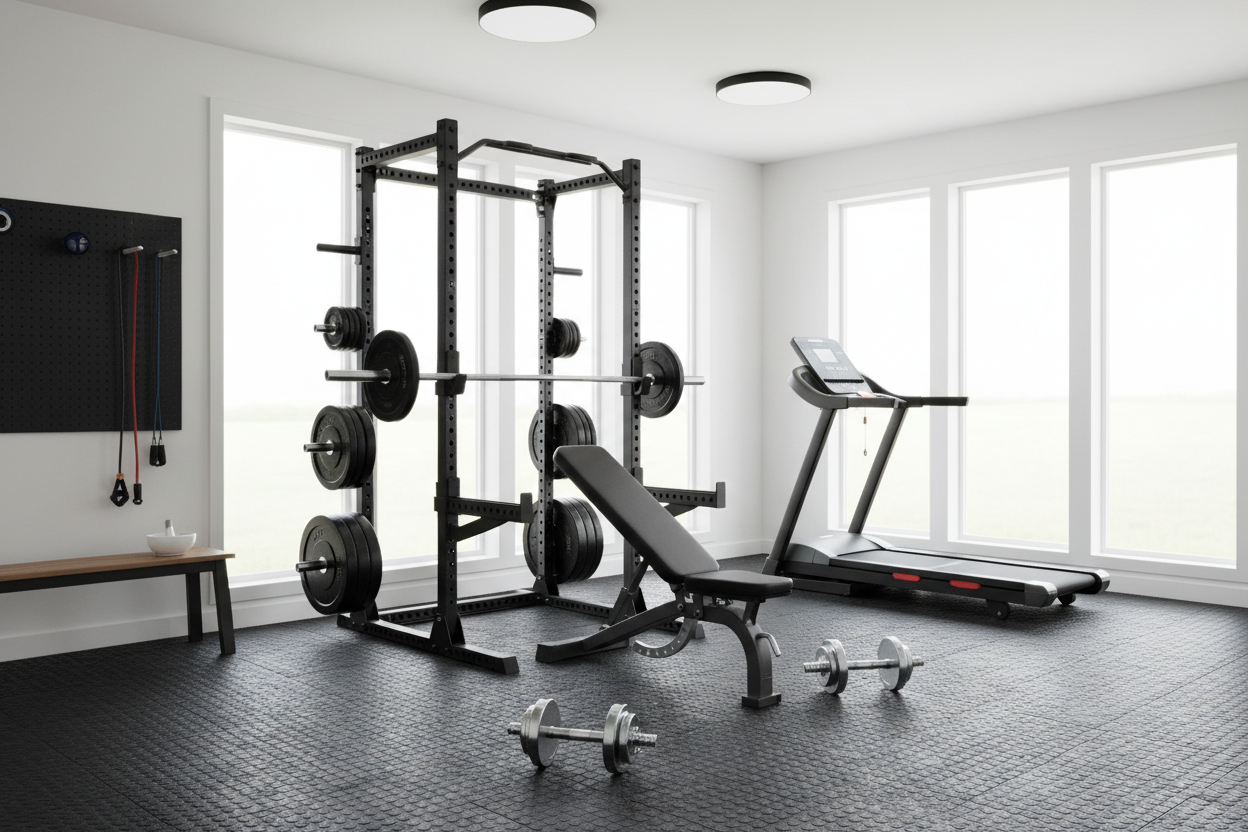
I remember staring at my power rack on a Tuesday afternoon, triceps already fried from a heavy overhead press session the day before, wondering why I was blindly following a cookie-cutter PPL split. If you are lifting in a garage, you do not have a $5,000 cable crossover or a dedicated chest press machine to save your joints when your form breaks down. Figuring out what to.workout with chest is not just about following Arnold; it is about making sure your home equipment and your recovery capacity actually align.
- Antagonist Pairing: Pairing chest with back is the most efficient way to maintain posture and save time via supersets.
- Fresh Arms Approach: Training biceps with chest ensures your arm day intensity does not drop off a cliff.
- Joint Longevity: Avoiding the 'everything pushes' trap prevents chronic shoulder impingement in home lifters.
- Equipment Efficiency: Choosing the right pairing allows you to stay at one station (like the bench) longer without hogging the whole gym.
Why the standard push day is failing your home workouts
The standard 'Push Day'—chest, shoulders, and triceps—is a staple in commercial gyms for a reason. You have endless machines to isolate muscles once your primary movers are gassed. But in a garage gym, you are likely relying on heavy compounds with a barbell or dumbbells. Stacking these three groups together often leads to 'junk volume.' By the time you get to your triceps or lateral raises, your nervous system is shot and your form is sloppy.
I have seen guys try to crush a heavy bench session and then immediately move into high-rep overhead work on basic gym flooring for home workout setups. Without the stability of a commercial machine, your stabilizing muscles (like the rotator cuff) take a beating. When you are working on a mat rather than a bolted-down commercial platform, you need every ounce of stability you can muster. Overloading all your 'push' muscles at once is the fastest way to develop that nagging front-delt pain that keeps you off the bench for a month.
So, what should I workout with chest? The 3 best pairings
If you are tired of the same old routine, you need to rethink what muscle to workout with chest. The goal is to maximize the work you can do without one muscle group becoming the 'weak link' that ends the workout prematurely. Here are the three most effective ways to program your week for better growth and less joint pain.
Option 1: Chest and Back (The Antagonist Split)
This is my personal favorite. When you ask what should i workout with chest, the back is the most logical answer for a garage gym owner. It is the classic 'Arnold Split.' By pairing a pushing movement with a pulling movement, you keep the pump localized to the entire torso rather than just the front. This prevents that 'hunched over' look many lifters get.
Practically, this is a massive time saver. You can perform a set of bench presses, rest 60 seconds, and go straight into a set of weighted pull-ups or rows. Because the back is resting while the chest is working (and vice versa), your strength levels stay higher for longer. It is the definitive answer to what muscle to work with chest if you want to look balanced and move heavy weight.
Option 2: Chest and Biceps (The Fresh Arms Approach)
Most people default to triceps on chest day because they are already involved in the press. That is exactly why you should consider biceps instead. When you pair chest and biceps, your arms are 100% fresh. You can curl heavier weights with better focus because they have not been acting as secondary movers for the last 45 minutes of pressing.
If you are looking for what muscles to workout with chest to actually see a difference in the mirror, this is it. It also gives your triceps a break, allowing you to hit them on a separate day (perhaps with shoulders) when they can be the star of the show. It is a simple swap that makes 'what goes with chest day' a lot more exciting.
Option 3: Chest and Shoulders (But sequenced correctly)
If you love the push day feel, you can still pair these two, but you have to be smart. Stop doing heavy overhead presses on the same day as heavy benching. Instead, pair your heavy chest work with isolation shoulder work like lateral raises or rear delt flies. This prevents the 'fry' that happens when you try to hit two heavy compounds back-to-back.
This decision also dictates what other muscle group to workout with shoulders later in the week. If you do lateral raises today, you can save the heavy pressing for a dedicated shoulder and tricep day later. This keeps the intensity high without the shoulder joint feeling like it is full of ground glass by the end of the week.
Deciding what muscle to work with chest when your joints hurt
As I have gotten older, my approach to programming has shifted from 'how much can I lift' to 'how much can I recover from.' If you are transitioning from a high-volume chest workout using machines at a local Big Box gym to a home setup, the joint stress is different. Machines handle the stabilization for you; a 100-lb dumbbell does not.
If your AC joints or elbows are constantly clicking, the best thing to workout with chest might actually be core or even calves. It sounds boring, but it allows your upper body stabilizers to recover between sets of heavy presses. Don't be the guy who pushes through sharp pain just because a PDF told you it is 'Push Day.' Listen to your elbows—they usually know more than the influencers do.
My personal garage gym chest day blueprint
My current go-to is the Chest and Back split. I start with a heavy flat bench press and superset it with a Pendlay row. I use the same barbell for both—I just strip a little weight for the rows. It keeps the heart rate up and ensures I am not neglecting my posterior chain while chasing a chest pump. I usually finish with some incline dumbbell work and a few sets of face pulls to keep the shoulders healthy.
If you are looking to build out a full weekly routine that actually makes sense for a home gym environment, head over to the Workout Hub. I have mapped out several different splits there that take into account limited equipment and the need for maximum recovery. Stop guessing and start training with a plan that fits your space.
FAQ
Is it okay to workout chest and legs together?
You can, but it is brutal. Both are large muscle groups that require a lot of blood flow and CNS energy. Unless you are doing a full-body split three times a week, it is usually better to separate them so you can give each the intensity they deserve.
What should I workout after chest day?
If you did a Chest/Back split, a Leg day or a dedicated Arm/Shoulder day is a great follow-up. The key is to give the primary movers from your chest session at least 48 hours of rest before hitting them again.
Can I workout chest every day?
Technically yes, but practically no. Small amounts of daily volume (like 20 pushups) are fine, but heavy chest training requires recovery. Your muscles don't grow in the garage; they grow while you are sleeping and eating.