The Strength Exercises Women Are Taught Are Flawed (Here's the Fix)
I have spent the last decade loading plates, testing the tensile strength of barbells, and sweating through enough shirts to keep a laundry detergent company in business. One thing consistently irritates me: the way strength exercises women are marketed. Walk into any big-box gym and you will see women being coached to perform complex, multi-planar movements on unstable surfaces. It looks impressive on Instagram, but it is a terrible way to actually build muscle and gain real-world power.
Marketing has convinced half the population that unless they are balancing on one leg while doing a bicep curl, they aren't 'toning' their core. That is a lie. Real strength comes from stability and load. If you are constantly wobbling, your nervous system acts as a speed limiter, preventing your muscles from actually reaching the point of failure. It is time to stop the circus acts and get back to the basics of iron.
Quick Takeaways
- Stability is the prerequisite for muscle growth; if you're wobbling, you aren't growing.
- Mechanical tension—the actual weight on the bar—is the primary driver of a strength workout woman routine.
- Swap 'functional' balancing acts for heavy, chest-supported or bilateral movements.
- Your core should support your lift, not be the reason you have to stop the set early.
Stop Balancing on Bosu Balls to Build Muscle
The fitness industry has a weird obsession with making a strength workout women routine look like a gymnastics floor routine. They tell you that 'functional' training requires instability. But here is the truth: your glutes do not care how well you can balance on a blue rubber dome. They care about how much force they have to generate to move a heavy weight from point A to point B.
When you stand on an unstable surface, your brain sends signals to your muscles to 'down-regulate' force production. It is a safety mechanism. Your body won't let you exert 100% effort if it thinks you are about to fall and break your neck. By choosing stability, you unlock the ability to use 20lb or 30lb dumbbells instead of those 5lb neoprene ones. That is how you actually change your body composition.
Mechanical Tension: The Missing Ingredient in Your Routine
If you want to see progress in a strength training program for woman, you need mechanical tension. This is the physical stress placed on muscle fibers when they contract against external resistance. To maximize this, you need to be locked in. If your ankles are shaking or your lower back is twitching to keep you upright, you are losing tension in the target muscle.
This is why I always tell lifters that the only Strength Training Accessories you really need are the ones that make you more stable, not less. Think lifting straps for your grip or a solid pair of flat-soled shoes. We want to remove every bottleneck except for the muscle we are trying to train. If you are doing a row, your back should give out before your balance does. If you are doing a squat, your quads should be the limiting factor, not your ability to stay upright on a foam pad.
The Foundational Lifts You Should Be Doing Instead
A real strength training routine women can actually follow long-term isn't about variety; it is about mastery. You don't need 50 different weight lifting program for women variations. You need about five or six movements that you can get progressively stronger at over the next decade. We are looking for high-stability, high-load potential exercises that allow for easy tracking of your progress.
Swap Renegade Rows for Chest-Supported Rows
Renegade rows—the ones where you are in a plank position rowing dumbbells—are a core exercise masquerading as a back exercise. Your core will almost always fatigue before your lats do. If you want a thick, strong back and better posture, you need to support your torso. Putting your chest down on a Gxmmat Adjustable Weight Bench allows you to pull significantly more weight without your lower back screaming for mercy. I’ve found that when I switched clients to chest-supported versions, their rowing weight jumped by 40% in two weeks. That is where the growth happens.
Swap Banded Kickbacks for Heavy RDLs
Banded kickbacks feel like they are working because of the 'burn,' but metabolic stress is only one piece of the puzzle. For a truly effective weight training programs for women, you need the Romanian Deadlift (RDL). The RDL puts the hamstrings and glutes under a massive stretch while they are loaded. That eccentric phase—the lowering of the weight—is the secret sauce for building muscle. You cannot get that same level of tissue breakdown from a piece of latex. Grab a barbell or two heavy dumbbells and focus on pushing your hips back until you feel that deep stretch.
Swap Jump Squats for the Bulgarian Split Squat
Plyometrics have their place, but they are often used as a 'filler' in women strength training workout routines to keep the heart rate up. If your goal is muscle, the Bulgarian Split Squat is king. By elevating your back foot on a bench, you put almost all the load on your front leg. It is a unilateral movement, so it fixes imbalances, but it is stable enough that you can hold 30lb or 40lb dumbbells in each hand. Yes, they hurt. Yes, they are the exercise everyone loves to hate. But they build legs like nothing else.
Upgrading Your Setup for Real Progression
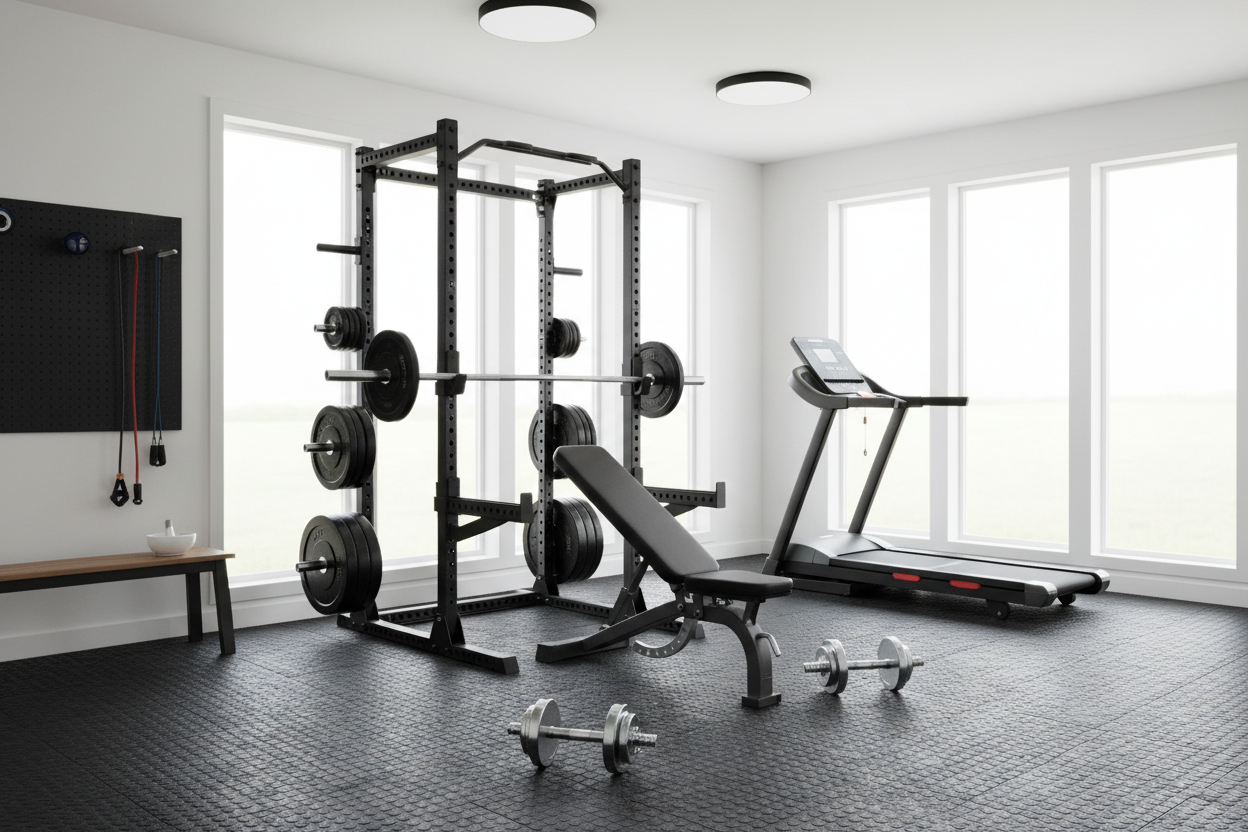
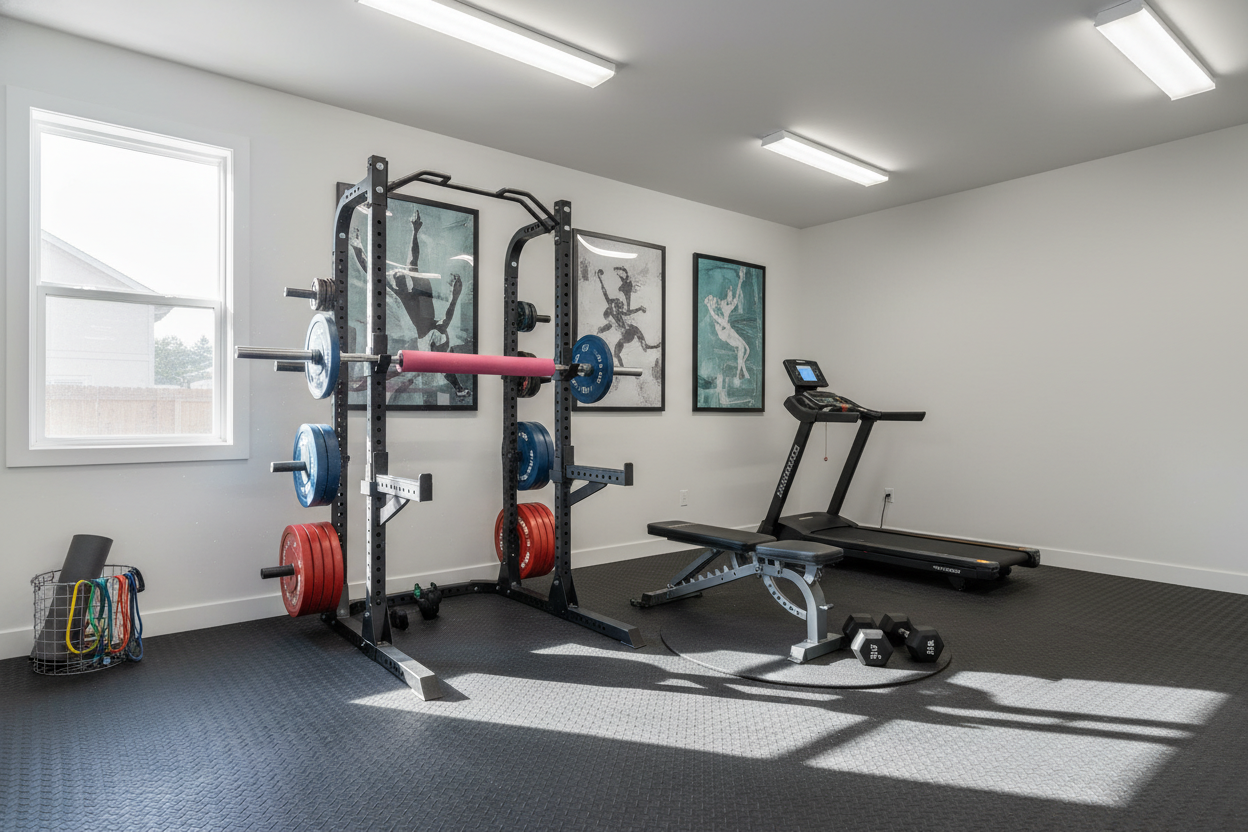
Eventually, those 10lb dumbbells you bought during the pandemic won't be enough for a female weight lifting routine. To keep seeing results, you have to embrace the 'heavy' in heavy lifting. This might mean moving from the yoga mat in your living room to a dedicated space with a squat rack or at least a set of adjustable dumbbells that go up to 50lbs or more.
If you are unsure where to start, reading a guide on Choosing The Best Strength And Weight Training Equipment For Your Goals can save you a lot of wasted money on 'as-seen-on-TV' gimmicks. If you have the space, I’m a huge fan of adding Weight Lifting Machines like a functional trainer or a cable tower. Machines get a bad rap for being 'non-functional,' but for isolating muscles and providing consistent tension throughout the entire range of motion, they are unbeatable.
Personal Experience: The 'Toning' Trap
I remember when I first started training, I was terrified of looking 'bulky.' I spent two years doing high-rep, low-weight circuits that left me exhausted but looking exactly the same. I was doing 'strength training for women' according to the magazines. It wasn't until I stopped caring about my heart rate and started caring about the numbers in my logbook that things changed. I bought a real barbell, started squatting my body weight, and suddenly the 'tone' I had been chasing appeared. The mistake I made was thinking that sweating was the same thing as progressing. It isn't.
FAQ
Will lifting heavy weights make me look masculine?
No. Women don't have the testosterone levels to accidentally turn into a pro bodybuilder. Lifting heavy will give you the 'toned' look most people want by building the muscle underneath the skin.
How many days a week should I lift?
For most, three to four days is the sweet spot. This allows for enough volume to grow but gives your central nervous system time to recover between sessions.
Can I build muscle with just bodyweight?
Initially, yes. But once you can do 20 reps of an exercise easily, you need to add external weight to keep the mechanical tension high enough to force adaptation.