Should You Train Your Chest Once or Twice a Week?
When planning your workout routine, one common question is whether it's better to train your chest once a week or opt for a twice-a-week split. Both approaches can deliver results, but the choice depends on factors such as training experience, recovery ability, and overall program design. Understanding how to structure your volume and intensity is key to making the right decision for your fitness goals.
Chest Training Once a Week
The traditional approach for many lifters is to dedicate one day solely to chest exercises. This classic bodybuilding-style routine often includes bench presses, incline presses, chest flyes, and dips, performed in a single, high-volume session. The benefit is that all your energy and focus go toward maximizing your chest work in that one workout.
For beginners, this structure can be effective since it allows more recovery time between sessions and reduces the risk of overtraining. If your workouts are intense enough, hitting the chest once a week may be sufficient to stimulate muscle growth while still allowing plenty of rest.
Chest Twice a Week Split
Training your chest twice a week might be beneficial for those seeking faster strength gains or more muscle mass. This approach involves splitting the total weekly chest volume into two moderate-intensity sessions. Doing so can lead to more frequent stimulation of the muscle, supporting hypertrophy and strength improvement.
For example, you might perform a heavy bench press-focused workout earlier in the week and then do lighter, higher-rep work such as dumbbell flyes or machine presses later in the week. By distributing the workload, you reduce excessive fatigue during a single session and potentially recover faster between workouts.
Balancing Recovery and Frequency
It's important to remember that muscles grow while resting, not only during the workout. If you increase training frequency for your chest, ensure that your nutrition, sleep quality, and recovery strategies match the increased workload. Overloading the muscle without adequate recovery can lead to diminished results and even injury.
Some lifters find that twice-a-week chest training works best when they adjust other training days to prevent overlap with fatigued muscles, such as shoulders and triceps, which assist in chest movements.
Personal Experience with Frequency
After years of experimenting with different training schedules, I found that chest twice a week gave me better results. The first session would focus on heavier compound lifts, while the second was more about isolation exercises and controlling the tempo. This approach kept the muscle engaged without burning me out. However, when life got busy and I couldn't maintain proper recovery routines, I returned to once-a-week training to keep myself healthy and consistent.
Choosing the Right Approach for You
Your choice depends on your goals and current fitness level. If you are new to lifting or have difficulty recovering, start with once-a-week chest training and evaluate your progress after a couple of months. For more advanced lifters or those seeking increased stimulation, try a twice-a-week split and monitor strength gains, muscle growth, and recovery ability.
Remember that quality matters as much as quantity. Ensure proper form, progressive overload, and balanced training for all muscle groups.
Sample Chest Training Structures
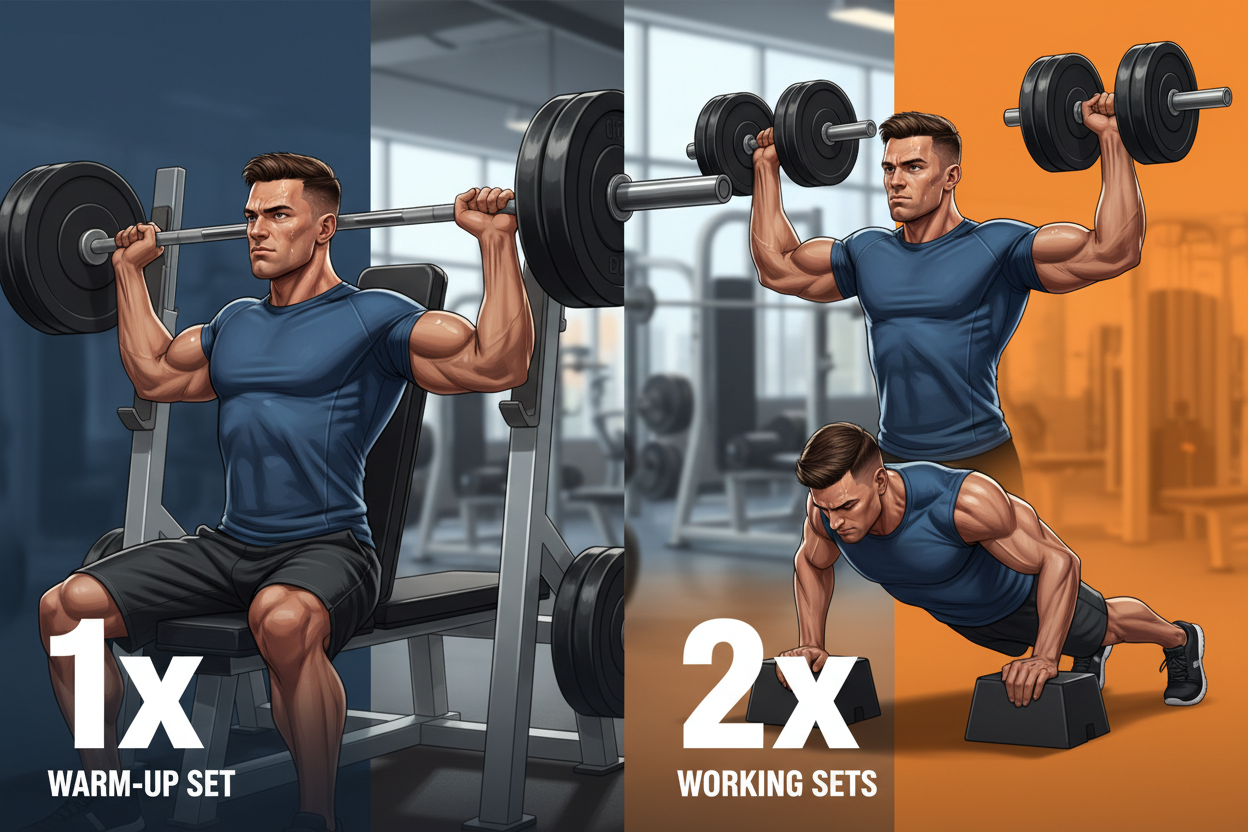
Once-a-Week Plan: Focus on 4-6 exercises in one session, with heavier lifts performed first and isolation work toward the end.
Twice-a-Week Split Plan: Day 1 emphasizes heavier compound movements; Day 2 uses lighter loads, more reps, and controlled movements to enhance muscle engagement.
Conclusion
The decision between training your chest once or twice a week comes down to individual factors. Try both approaches over different training cycles and track your performance, recovery, and growth. Adapt your workouts based on feedback from your own body, and prioritize sustainable progress over short-term gains.