Build a Stronger Chest with Proven Workouts and Techniques
Developing a solid and well-defined chest requires a mix of effective exercises, consistency, and proper technique. Whether your goal is strength, aesthetics, or overall fitness, understanding how different pectoral movements work together will help you target the chest muscles efficiently. In this guide, we explore various types of chest workouts, popular gym exercises, and tips to help you perform them safely and effectively.
Understanding the Pectoral Muscles
The chest is primarily made up of the pectoralis major and the pectoralis minor. The pectoralis major is a large, fan-shaped muscle that covers much of the upper chest, while the pectoralis minor lies beneath it, aiding in shoulder movement and stabilization. A good chest workout should engage both of these muscles through various ranges of motion.
Types of Chest Workouts
Chest training can involve bodyweight workouts, free weights, and machines. Each offers unique benefits:
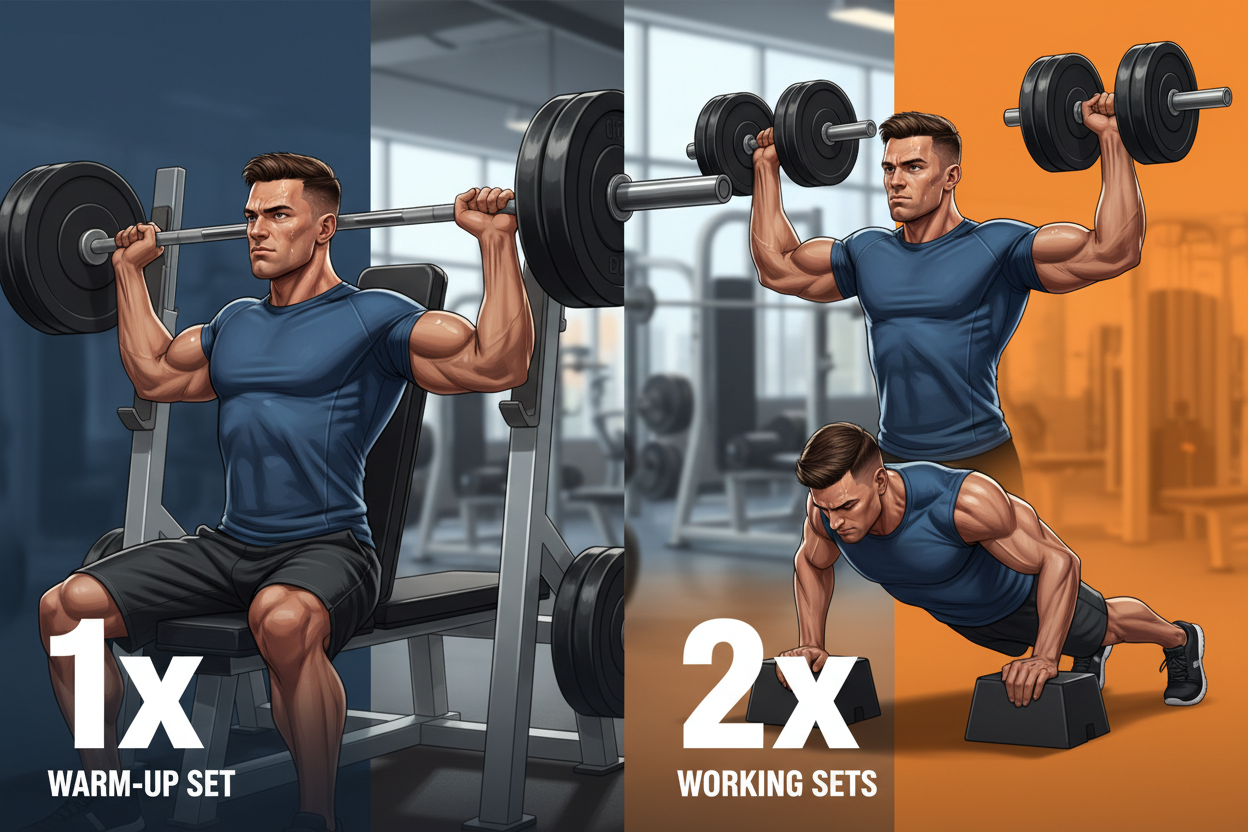
- Compound exercises – Multi-joint movements such as the bench press work the chest while engaging supporting muscles like the shoulders and triceps.
- Isolation exercises – Focused movements such as cable flyes specifically target the chest for improved definition.
- Bodyweight exercises – Push-ups and dips provide excellent muscle activation without equipment.
Major Chest Exercises to Include
To build a balanced and powerful chest, incorporate a variety of movements:
Barbell Bench Press
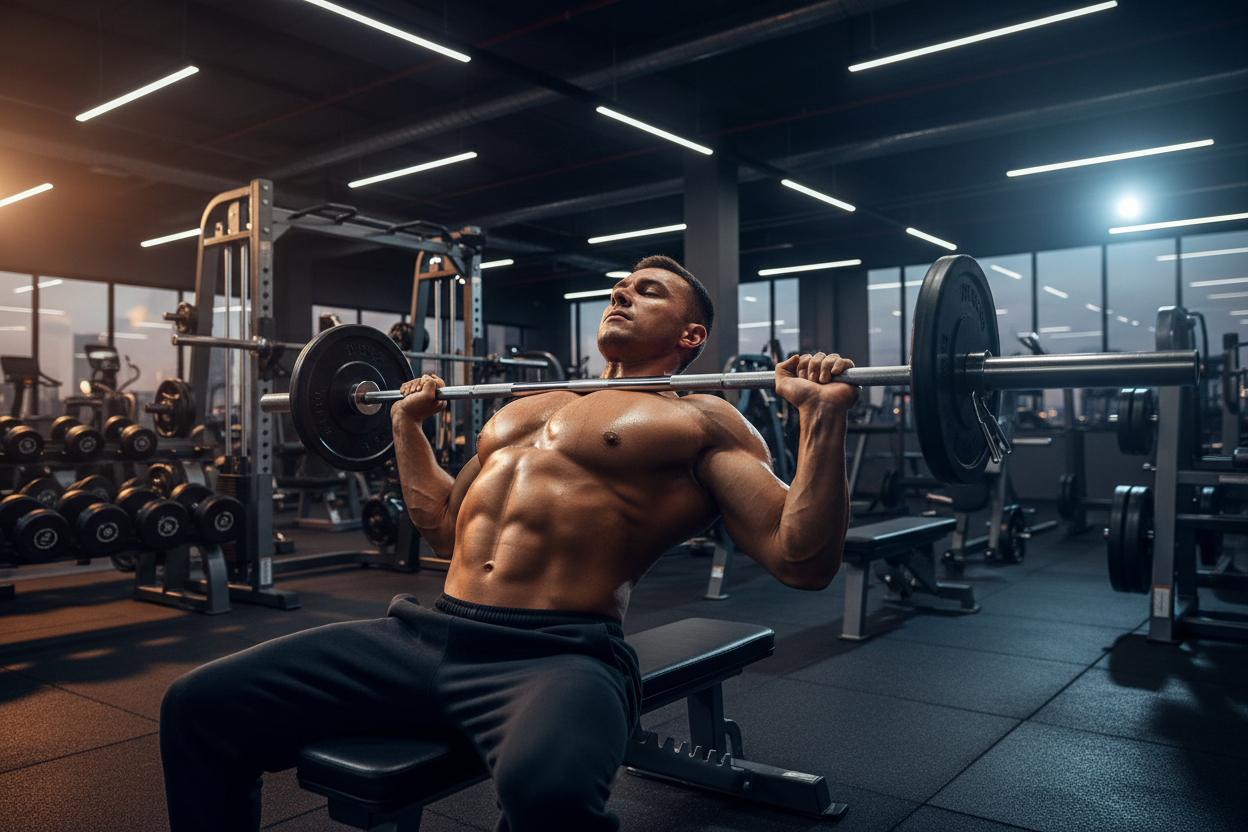
This classic exercise is fundamental for developing chest mass and strength. By adjusting the incline, you can target different areas of the pectoral muscles. A flat bench press emphasizes the mid-chest, while an incline bench press focuses more on the upper pecs.
Dumbbell Press
Dumbbells allow a greater range of motion compared to a barbell, promoting better muscle contraction. They also force you to stabilize the weights independently, engaging more supporting muscles.
Cable Flyes
Cable flyes are ideal for isolation and constant tension on the chest. By changing the cable height, you can emphasize different portions of the pectoral muscles.
Push-Ups
Push-ups are easily accessible and effective for improving chest endurance and strength. Variations like wide-grip or decline push-ups can intensify the challenge and target specific areas.
Pectoral Weight Exercises for Different Goals
If you're aiming to increase muscle size, focus on heavier compound lifts with moderate reps. For endurance, opt for lighter weights with higher reps and shorter rest periods. Mixing heavy lifts with isolation work ensures both size and definition.
Perfect Chest Exercises for Symmetry
Symmetry is just as important as strength. Combining free weights with bodyweight training allows you to address imbalances. For example, if one side is weaker, incorporating unilateral exercises such as single-arm dumbbell presses can help even out strength and development.
Chest Muscle Exercises in the Gym
A gym offers an extensive range of equipment for chest workouts, from machines that provide guided motion to free weights that build functional strength. Machine presses can be useful for beginners learning the movement pattern, while advanced lifters often prefer barbells and dumbbells for more natural motion and greater activation.
A Personal Training Experience
When I first started working on my chest, I stuck almost exclusively to the flat barbell bench press. While my strength improved, my chest shape lagged. It wasn't until I incorporated incline presses, cable flyes, and various push-up variations that I noticed balanced development. I also learned that controlled movement and proper form mattered more than simply lifting heavier weights. Consistency over months made the difference, and now chest day is not only about pushing limits but also refining technique.
Tips for Safe and Effective Training
- Warm up properly to protect your shoulders and avoid strain.
- Use a spotter when lifting heavy, especially with free weights.
- Maintain proper form throughout each movement for optimum results.
- Allow adequate rest between major chest sessions to prevent overtraining.
- Gradually increase weights to avoid injuries.
Final Thoughts
Building a strong and well-rounded chest takes time, variety, and dedication. By incorporating different types of chest workouts, focusing on pectoral weight exercises that challenge you, and maintaining proper form, you can achieve both strength and symmetry. Remember, your chest routine should evolve as you progress to keep muscles adapting and growing.