Shatter Your Plateau: The Only 60-Minute Leg Routine You Need
You do not need to live in the squat rack to build impressive wheels. In fact, if you are training with sufficient intensity, a 1 hour leg workout is not just enough; it is often the upper limit of what your central nervous system can handle before quality degrades. The secret isn't adding more sets or spending twenty minutes on foam rolling—it's about density. You need to pack more volume and heavier loads into a tighter timeframe, minimizing distractions and maximizing mechanical tension.
To get the most out of sixty minutes, you have to strip away the fluff. This means prioritizing compound movements that offer the highest return on investment, strictly monitoring rest periods, and maintaining a tempo that keeps your muscles under tension. If you leave the gym feeling like you could have done another hour, you didn't train hard enough. A proper session should leave you walking funny and dreading the stairs, all before your parking meter expires.
My "Less Is More" Realization
I used to be the guy who spent two and a half hours on leg day. I told myself that because I was in the gym longer, I was working harder than everyone else. I’d do five variations of squats, three types of lunges, and endless calf raises. Yet, my legs weren't growing at a rate that matched my time investment. I was mostly junk-training—doing sets with subpar intensity because I knew I had to survive a marathon session. I’d spend five minutes picking a song between sets or chatting by the water fountain.
The turning point came when my schedule tightened up, forcing me to compress my training. I had to fit everything into a one hour leg workout window or miss the session entirely. Forced efficiency changed everything. I cut the exercises from eight down to five. I timed my rest periods to exactly ninety seconds. Suddenly, my heart rate stayed elevated, the pump was agonizing, and my strength skyrocketed. My legs finally started to grow because I was no longer pacing myself; I was sprinting through the workout.
The Blueprint: Anatomy of an Efficient Session
Structure is your best friend when the clock is ticking. You cannot afford to wander around the gym wondering what machine to use next. This routine targets the quadriceps, hamstrings, glutes, and calves using a mix of heavy compound lifts and high-rep isolation work. The goal is to hit every muscle group from a stretched position and a contracted position.
Phase 1: The Dynamic Warm-Up (5-8 Minutes)
Skip the treadmill. You aren't training for a 5K; you are preparing to move heavy iron. Spend five minutes doing dynamic movements that open up your hips and ankles. World's Greatest Stretch, deep bodyweight squats with a pause at the bottom, and leg swings are essential here. If your ankles are stiff, your squat depth suffers, and your quads won't get the stimulus they need. Get warm, get mobile, and get under the bar.
Phase 2: The Heavy Compound (15-20 Minutes)
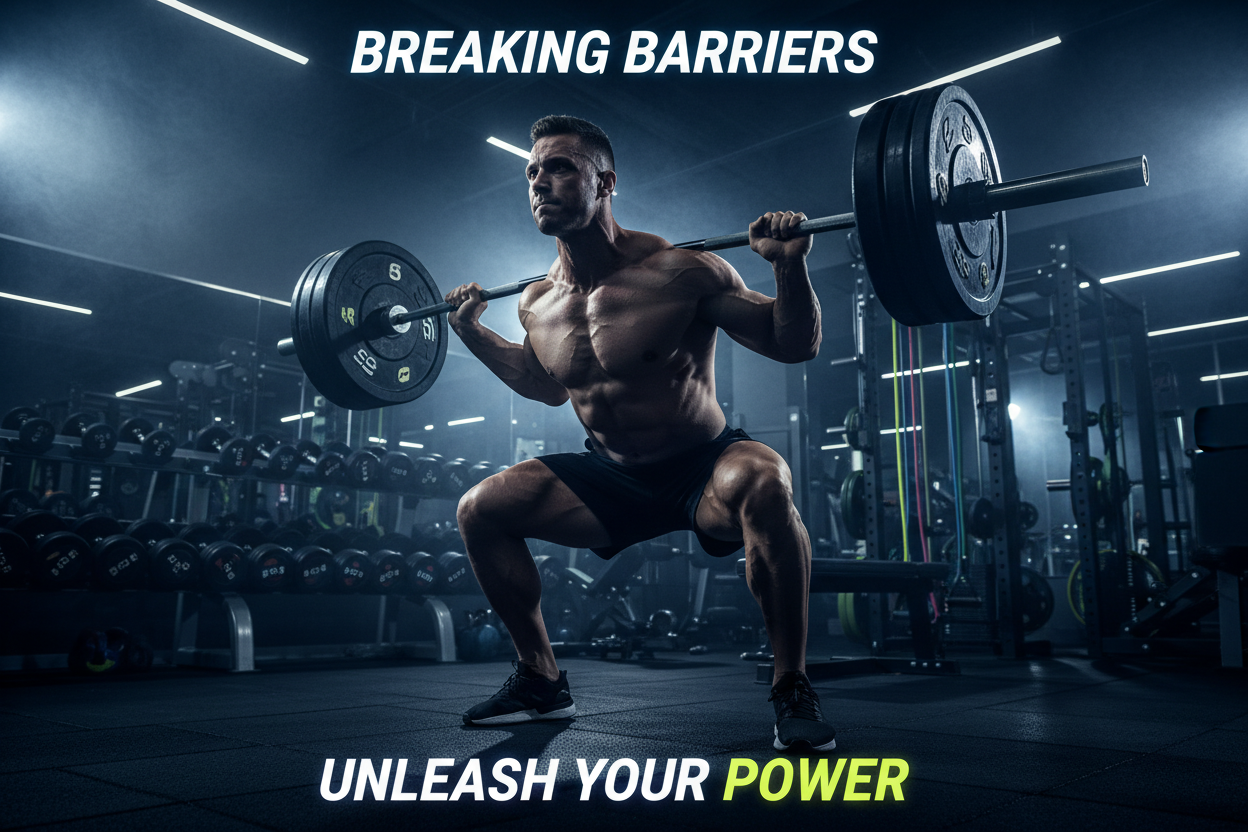
Your fresh energy must go toward the most demanding movement. Usually, this is the Barbell Back Squat, but a Hack Squat or heavy Leg Press works if you have lower back issues. We are looking for 3 to 4 working sets in the 6-10 rep range.
This is where the "one hour" constraint is tested. You need to rest enough to recover strength, but not enough to cool down. Aim for two minutes of rest between these heavy sets. Focus on controlling the eccentric (lowering) phase. Dropping into the hole and bouncing back up uses elastic energy, not muscle fiber. Control the weight down, pause briefly, and explode up.
Phase 3: The Posterior Chain (10-12 Minutes)
Once the heavy knee-dominant movement is done, switch immediately to a hip-dominant movement. The Romanian Deadlift (RDL) is the king here. It destroys the hamstrings and glutes while reinforcing back strength. Perform 3 sets of 8-12 reps.
Grip strength often fails before hamstrings do on RDLs, so use straps if necessary. The goal is hypertrophy, not grip training. Keep the bar close to your shins and push your hips back until you feel a deep stretch in your hamstrings. Do not simply bend over; hinge at the hips. Keep rest periods tighter here—around 90 seconds.
Phase 4: Unilateral Torture (10 Minutes)
Now that the heaviest loads are out of the way, we move to unilateral work to fix imbalances and torch the quads and glutes. Bulgarian Split Squats or Walking Lunges are the go-to choices. These are grueling. They raise your metabolic rate and demand significant mental fortitude.
Do 3 sets of 10-12 reps per leg. Since you are alternating legs, the rest period can be short—about 45 to 60 seconds after completing both legs. This section of the workout is usually where the "I want to quit" feeling sets in. Push through it. This is where the growth happens.
Phase 5: Isolation and Pump (10 Minutes)
With whatever time and energy remain, you finish with isolation movements to fully exhaust the muscle fibers without taxing your central nervous system further. A superset of Leg Extensions (Quads) and Seated or Lying Leg Curls (Hamstrings) works perfectly.
Aim for higher reps here—15 to 20 reps per set. You don't need to go incredibly heavy; you need to focus on the squeeze. Hold the peak contraction on the leg extension for a full second. Control the negative on the curl. Do 3 rounds with minimal rest. Your legs should feel like they are filled with concrete by the end of this.
Intensity Techniques to Beat the Clock
Sticking to a strict timeframe requires discipline. One of the biggest time-wasters in gyms is the phone. If you are scrolling through social media between sets, your 90-second rest turns into four minutes, and suddenly your 1 hour leg workout is half-finished.
Use a stopwatch or your phone's timer. As soon as the set ends, hit start. When the timer beeps, you grab the bar. If you find yourself running short on time, utilize drop sets on your final exercise. Instead of resting, drop the weight by 30% and continue to failure. This allows you to accumulate massive volume in seconds rather than minutes.
Another method to increase density is antagonistic supersetting. If the gym isn't too crowded, pair your quad movements with hamstring movements. While your quads recover, your hamstrings work, and vice versa. This can cut your total workout time by twenty percent while keeping your heart rate high, effectively turning your lifting session into a conditioning workout as well.
Recovery and Nutrition
Because you are condensing a high volume of work into a short period, post-workout recovery becomes vital. You have depleted glycogen stores rapidly. Getting in a meal with quality carbohydrates and protein within an hour of finishing will help kickstart the repair process. Hydration is also key; high-intensity leg days cause significant fluid loss through sweat.
Don't fall into the trap of thinking a shorter workout allows for skipping sleep or poor diet. The intensity of a true sixty-minute leg thrashing creates significant systemic fatigue. Treat your recovery with the same discipline you treat the clock during your sets.
Frequently Asked Questions
Can I really build muscle with only a one hour leg workout?
Absolutely. Hypertrophy is driven by mechanical tension and progressive overload, not the duration of your gym visit. If you maintain high intensity and focus on getting stronger on compound lifts, 60 minutes is more than enough time to stimulate significant muscle growth.
What should I do if the squat rack is taken?
Be flexible with your compound movements. If the barbell rack is occupied, you can swap back squats for heavy dumbbell goblet squats, leg press, or a Smith machine squat. The key is to find a movement that allows you to load the legs heavily and safely, regardless of the specific equipment.
How often should I do this leg routine?
For most natural lifters, hitting legs twice a week is optimal for growth. You could repeat this exact session twice, or have one "Quad Focused" day and one "Hamstring/Glute Focused" day, keeping both within the one-hour limit to manage fatigue.