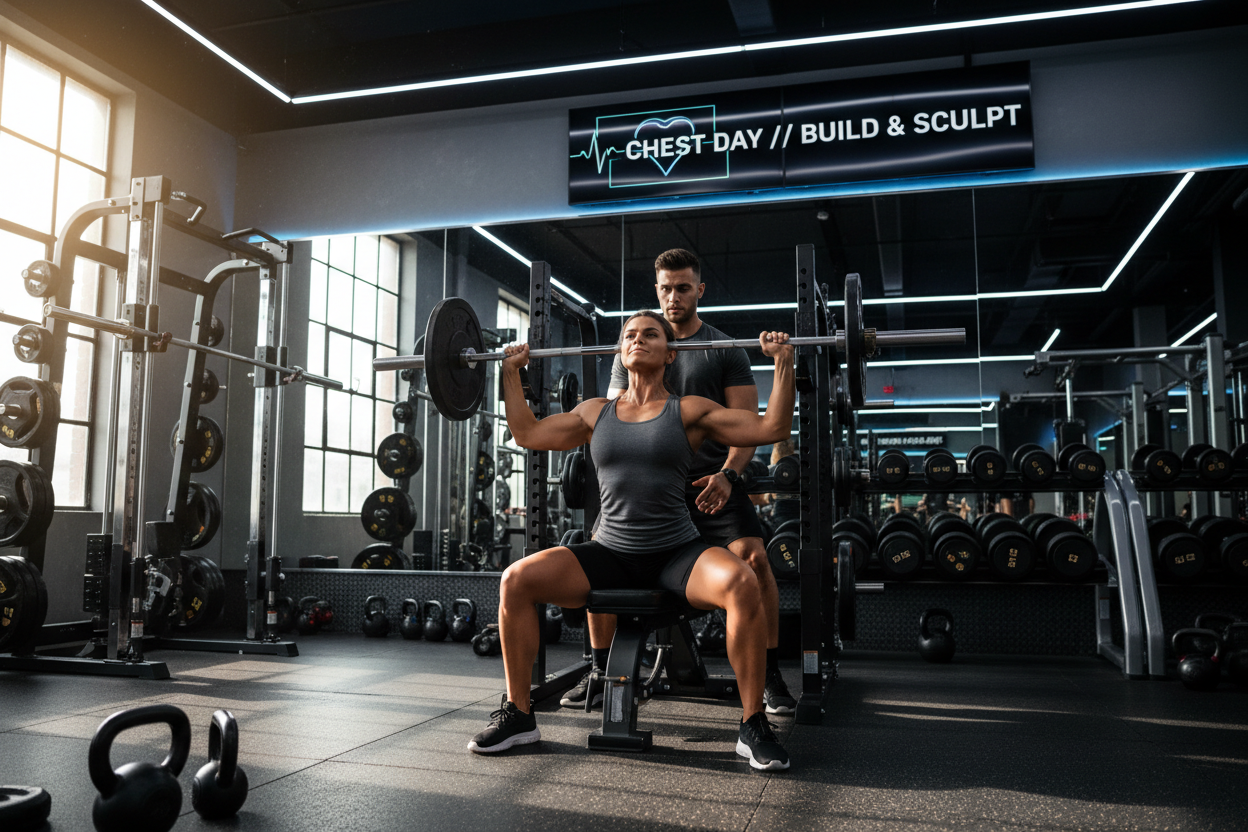
Effective Chest Workouts to Boost Strength and Shape
Building a strong, well-defined chest is a priority for many men aiming to improve not only their physique but also their overall health. A well-developed chest can contribute to better posture, increased upper body strength, and enhanced confidence. Whether you're a beginner or experienced in fitness, understanding safe and effective chest exercises is key to maximizing progress without risking injury.
Understanding the Role of the Chest Muscles
The chest muscles, primarily the pectoralis major and minor, play a crucial role in pushing and pressing movements. They work alongside the shoulders and triceps to perform various upper body tasks. Engaging these muscles through targeted exercises can improve performance in sports, daily activities, and weight training. For men's health, a stronger chest also aids in stabilizing the upper body and reducing the risk of injuries during physical exertion.
Essential Chest Exercises for Men's Health
Bench Press
The bench press is a foundational chest workout that helps build strength and size. By lying on a flat bench and pressing a weighted barbell upward, the chest muscles are heavily engaged. Maintaining proper form—feet flat, back slightly arched, and controlled movement—is vital to avoid strain and achieve optimal activation.
Push-Ups
Push-ups are a versatile and accessible chest exercise that requires no equipment. They can be performed anywhere and have numerous variations to suit different fitness levels. Besides targeting the chest, push-ups also work the shoulders, triceps, and core, making them a complete upper body workout.
Incline Dumbbell Press
The incline dumbbell press emphasizes the upper portion of the chest, helping to create balanced muscle development. Using dumbbells allows for a greater range of motion and promotes muscle stability, as each arm works independently. The incline angle typically ranges from 30 to 45 degrees.
Chest Fly
Chest fly movements, performed on a flat or incline bench, target the pectoral muscles through a wide, hugging motion. This exercise promotes muscle stretch and contraction, helping enhance shape and definition. It's important to use moderate weights and avoid locking elbows to reduce joint strain.
Balancing Strength and Health
For optimal men's health, combining chest workouts with overall fitness routines is recommended. Overdeveloping one muscle group can lead to imbalances and increased injury risk. Incorporating exercises that strengthen the back, shoulders, and core ensures a stable and functional upper body. Additionally, flexibility and mobility training should be part of any workout program to improve range of motion and joint health.
Personal Experience with Chest Training
When I first started focusing on chest exercises, I made the mistake of training too frequently without enough rest. This led to soreness and decreased performance. Over time, I learned the importance of recovery and proper programming. By training chest twice a week and mixing heavy compound lifts with lighter, controlled movements, I saw noticeable improvements in strength and muscle definition. Rest days allowed my muscles to rebuild, and careful attention to technique prevented injuries.
Nutrition and Recovery for Chest Growth
Chest development doesn’t come from workouts alone. Adequate protein intake, balanced nutrition, and hydration are essential to support muscle repair and growth. Rest and sleep are equally important, as muscles grow during recovery periods. Men aiming for long-term health benefits should focus on sustainable habits rather than quick fixes.
Tips for Safe and Effective Chest Workouts
- Warm up thoroughly before lifting heavy weights.
- Start with manageable loads and increase gradually.
- Maintain proper form for every repetition.
- Include a mix of compound and isolation exercises.
- Allow adequate recovery between sessions.
Conclusion
Chest exercises can profoundly impact men's health by improving strength, aesthetics, and functional fitness. By combining well-selected movements with balanced training, proper nutrition, and recovery strategies, anyone can build a chest that is both strong and healthy. Remember, consistency matters more than intensity alone—it’s a long-term journey toward better physical performance and well-being.