I Tested 47 Pieces of Home Gym Equipment So You Don't Have To
Building a home gym doesn't mean you need to replicate an entire fitness center in your basement. After spending the last three years transforming my spare bedroom into a functional workout space, I've learned that choosing the right equipment makes all the difference between a room that collects dust and one that actually gets used daily.
The market for good home workout equipment has exploded recently, but more options don't always mean better choices. I've wasted money on gadgets that promised revolutionary results but ended up as expensive coat hangers. The key is understanding what actually works for your fitness goals, available space, and budget.
What Makes Home Gym Equipment Worth Buying
Quality matters more than quantity. A single well-made piece of equipment that you'll actually use beats a room full of cheap machines you'll ignore. I learned this the hard way after buying a budget resistance band set that snapped during my second workout, nearly taking out my eye in the process.
Durability should be your first consideration. Check weight capacities, frame construction, and warranty coverage. The best popular home exercise equipment typically comes with at least a one-year warranty on parts and labor. If a manufacturer won't stand behind their product for even 12 months, that tells you something.
Adjustable Dumbbells Changed Everything
My apartment doesn't have room for a full dumbbell rack, so adjustable dumbbells became my solution. These space-saving tools replace an entire set of weights, and the newer models adjust with a simple dial or pin system. I can go from 5 to 52.5 pounds in seconds, which keeps my workouts flowing without interruption.
The investment seems steep upfront—quality adjustable dumbbells run between $300 and $500—but compare that to buying individual pairs of dumbbells. A full set would cost more and require significantly more storage space. Mine sit neatly in the corner and handle probably 80% of my strength training needs.
Understanding Different At Home Workout Systems
Suspension trainers deserve more credit than they get. These simple straps anchor to a door or ceiling mount and use your bodyweight for resistance. I was skeptical at first, thinking they were just another fitness fad, but the versatility surprised me. You can target every major muscle group, adjust difficulty instantly by changing your body angle, and pack the whole system into a bag smaller than a shoebox.
Resistance bands offer similar versatility with a different feel. Unlike suspension trainers that rely on gravity and bodyweight, bands provide constant tension throughout the movement. I keep several different resistance levels because certain exercises work better with lighter or heavier bands. They're also perfect for travel since they weigh practically nothing.
Rowing Machines: The Underrated Cardio Champion
If you can only buy one cardio machine, make it a rower. This might sound biased since I use mine almost daily, but hear me out. Rowing works your legs, core, back, and arms simultaneously while being low-impact on your joints. Unlike treadmills that hammer your knees or bikes that only work your lower body, rowers deliver a complete workout.
The space concern is real though. Most rowing machines are about 8 feet long when in use, but many models fold up or stand vertically for storage. Mine slides under my bed when I'm done, though honestly, I usually leave it out because I know I'll use it again soon.
What Exercise Machines Reviews Often Miss
Online reviews typically focus on specs and features but skip the practical daily use experience. Does the equipment fit through standard doorways? How loud is it really? Can you assemble it alone or do you need help? These details matter more than whether it has Bluetooth connectivity or a fancy display.
Noise levels became crucial for me after my downstairs neighbor complained about my treadmill. I switched to a magnetic resistance bike, which runs nearly silent. If you live in an apartment or work out early in the morning, consider how your equipment sounds during use. Drop-in weight plates, impact from jumping, and motor noise can all create issues.
Smart Features vs. Simple Functionality
New exercise products increasingly come loaded with screens, apps, and connectivity features. Some of this technology genuinely enhances workouts—I love being able to follow guided rowing sessions on my machine's monitor. But not every piece of equipment needs to be "smart."
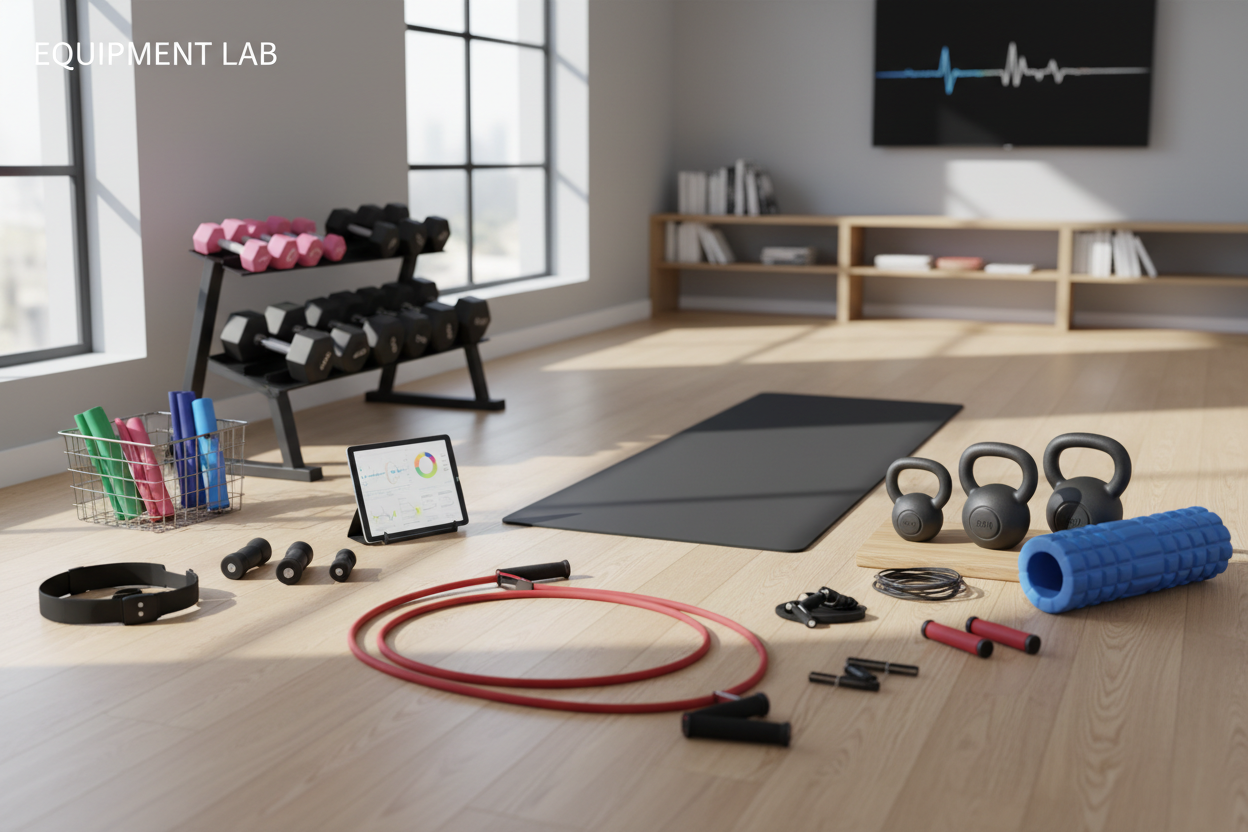
My kettlebells don't need an app. Neither do my pull-up bar or foam roller. Sometimes the simplest tools are the most reliable. They never need software updates, won't become obsolete when the company stops supporting the app, and cost less upfront. Balance your desire for technology with practical functionality.
Building Your Setup Strategically
Start with equipment that supports compound movements—exercises that work multiple muscle groups simultaneously. A barbell with plates, for instance, enables squats, deadlifts, presses, and rows. That single investment opens up dozens of home gym equipment exercises.
I built my gym over time rather than all at once. My first purchases were adjustable dumbbells and a workout mat. Three months later, I added a pull-up bar. Then came the rowing machine. This gradual approach let me figure out what I actually needed versus what just looked cool in product photos.
Consider your workout style honestly. If you hate running, that treadmill will become an expensive clothes rack no matter how many features it has. I bought a jump rope for $12 that gets more use than the $400 elliptical machine I eventually sold. Match your equipment to activities you genuinely enjoy.
Space Planning Nobody Talks About
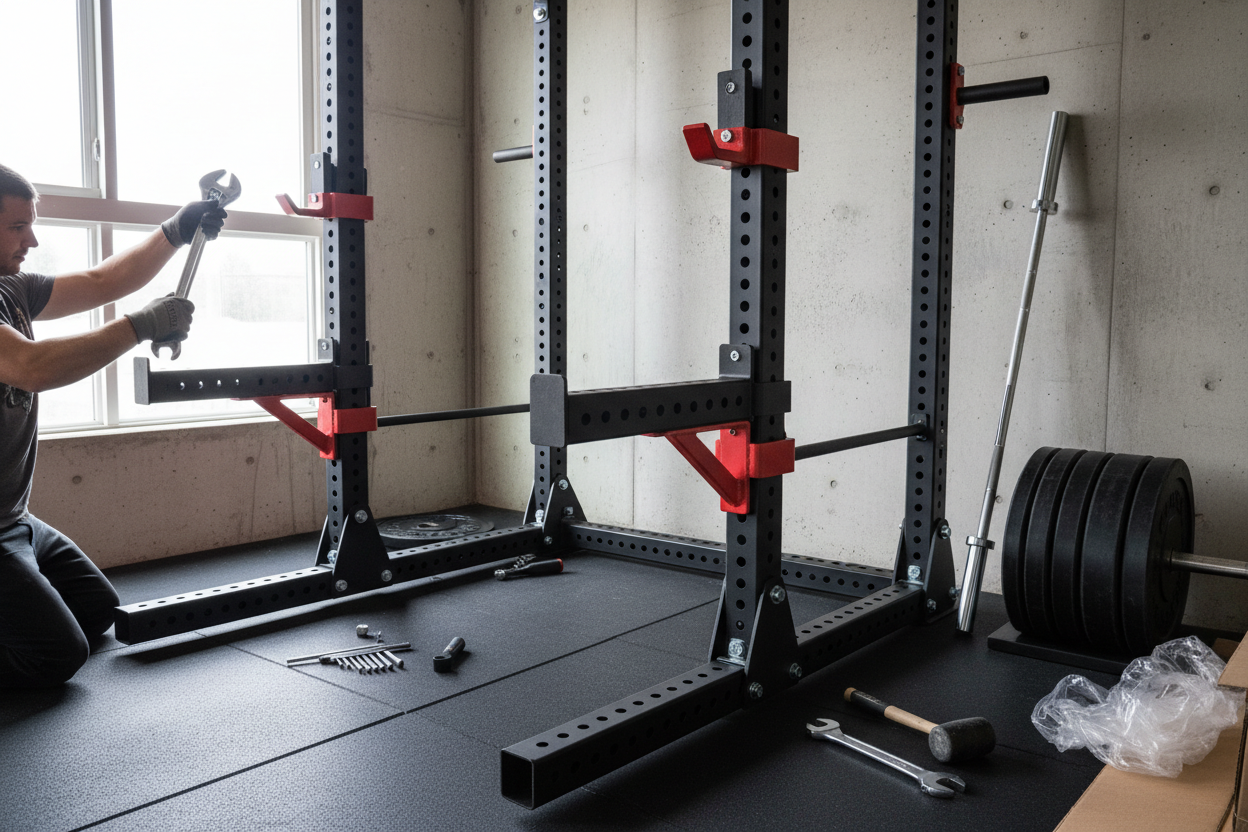
Measure twice, buy once. I almost purchased a power rack that wouldn't fit in my room because I forgot to account for the space needed to load plates onto the barbell. You need clearance around equipment, not just enough room for the footprint.
Think about ceiling height too. Some exercises require raising your arms overhead or jumping. My ceiling is 8 feet, which works fine for most movements but limits certain exercises. Also consider ventilation and lighting—working out in a dark, stuffy room kills motivation fast.
Maintenance Keeps Equipment Working
Even the best equipment needs occasional care. I wipe down my rowing machine after each use to prevent sweat corrosion. The chain gets lubricated monthly. My adjustable dumbbells need their adjustment mechanisms cleaned periodically to prevent sticking.
This maintenance takes maybe 10 minutes per month total, but it extends the life of everything significantly. I've had the same resistance bands for two years because I store them away from sunlight and check them for wear before each use. Small habits prevent expensive replacements.
FAQ
How much should I budget for a basic home gym setup?
A functional starter setup can cost between $300-$800 depending on your goals. This typically includes adjustable dumbbells, a quality mat, resistance bands, and one cardio option like a jump rope or used rowing machine. You can always expand from there as your needs and budget allow.
What's the best equipment for small apartments?
Adjustable dumbbells, resistance bands, a suspension trainer, and a foldable workout bench give you the most exercise variety in the smallest footprint. These items can be stored in a closet or under a bed when not in use, and together they enable hundreds of different exercises targeting every muscle group.
Should I buy new or used home gym equipment?
Used equipment can offer excellent value, especially for simple items like barbells, weight plates, and benches that don't have complex moving parts. However, buy new for items with warranties you'll want, like rowing machines or adjustable dumbbells with mechanical adjustment systems. Always inspect used equipment in person before purchasing and test all moving parts.