Reverse Curls: How to Do Them for Bigger Forearms
Quick answer: To do reverse curls, stand straight holding a barbell with a pronated grip (palms facing down) about shoulder width, arms extended in front of your thighs. Keep your elbows close to your sides and your upper arms stationary. Curl the bar up toward shoulder level by bending only at the elbows, keeping the wrists straight. Squeeze at the top, then lower slowly with a controlled movement back to the starting position. Do 3 sets of 10–15 reps. Reverse curls target the brachialis and brachioradialis (the forearm muscle on the thumb side), along with the biceps and the extensor muscles of the forearm, building thicker arms and grip strength.
Muscles worked
| Muscle | Role |
|---|---|
| Brachioradialis | Main target; thickens the top of the forearm |
| Brachialis | Lies under the biceps; adds arm thickness |
| Biceps | Assist, less than in a normal curl |
| Wrist extensors | Hold the wrist straight against the load |
Benefits of reverse curls
- Bigger forearms and thicker upper arms from the brachialis.
- Balanced forearm strength: trains the extensor and flexor muscles together.
- Grip strength for deadlifts, rows and pull-ups.
- Elbow health: many lifters use them to balance heavy pulling work.
How to do barbell reverse curls with proper form
- Grip: overhand (palms down), shoulder width, thumbs around the bar.
- Initial position: stand straight, feet hip width, bar resting against the thighs, elbows close to your body.
- Curl: exhale and bend the elbows to lift the bar toward the shoulders. Keep the wrists in line with the forearms.
- Squeeze briefly at the top without letting the elbows drift forward.
- Lower: inhale and lower slowly through the full range until the arms are straight.
- Repeat without swinging.
Reverse curl vs barbell curl vs hammer curl
| Exercise | Grip | Main target |
|---|---|---|
| Reverse curl | Palms down | Brachioradialis, brachialis, forearm extensors |
| Barbell curl | Underhand (palms up) | Biceps |
| Hammer curl | Neutral (palms facing in) | Brachialis and brachioradialis |
You'll use less weight in a reverse curl than a regular barbell curl, often 60–70%.
Variations
- Cable reverse curl: straight bar on a low pulley; constant tension.
- EZ-bar reverse curl: angled grip that's easier on the wrists.
- Dumbbell or kettlebell reverse curl: each arm works independently.
Common mistakes
| Mistake | Fix |
|---|---|
| Wrists bending back | Lighter weight; keep wrists straight |
| Swinging with momentum | Stand tall; slow, controlled reps |
| Elbows drifting forward | Keep the upper arms still at your sides |
| Too heavy | Start with an empty bar or light cable stack to reduce injury risk |
Sets, reps and a forearm workout
| Exercise | Sets × reps |
|---|---|
| Reverse curls | 3 × 10–15 |
| Wrist curls | 3 × 15–20 |
| Farmer's carry | 3 × 30–40 sec |
Add it to the end of an arm or pull workout 1–2 times a week. See the cable arm workout for a full plan.
Reverse curls at home
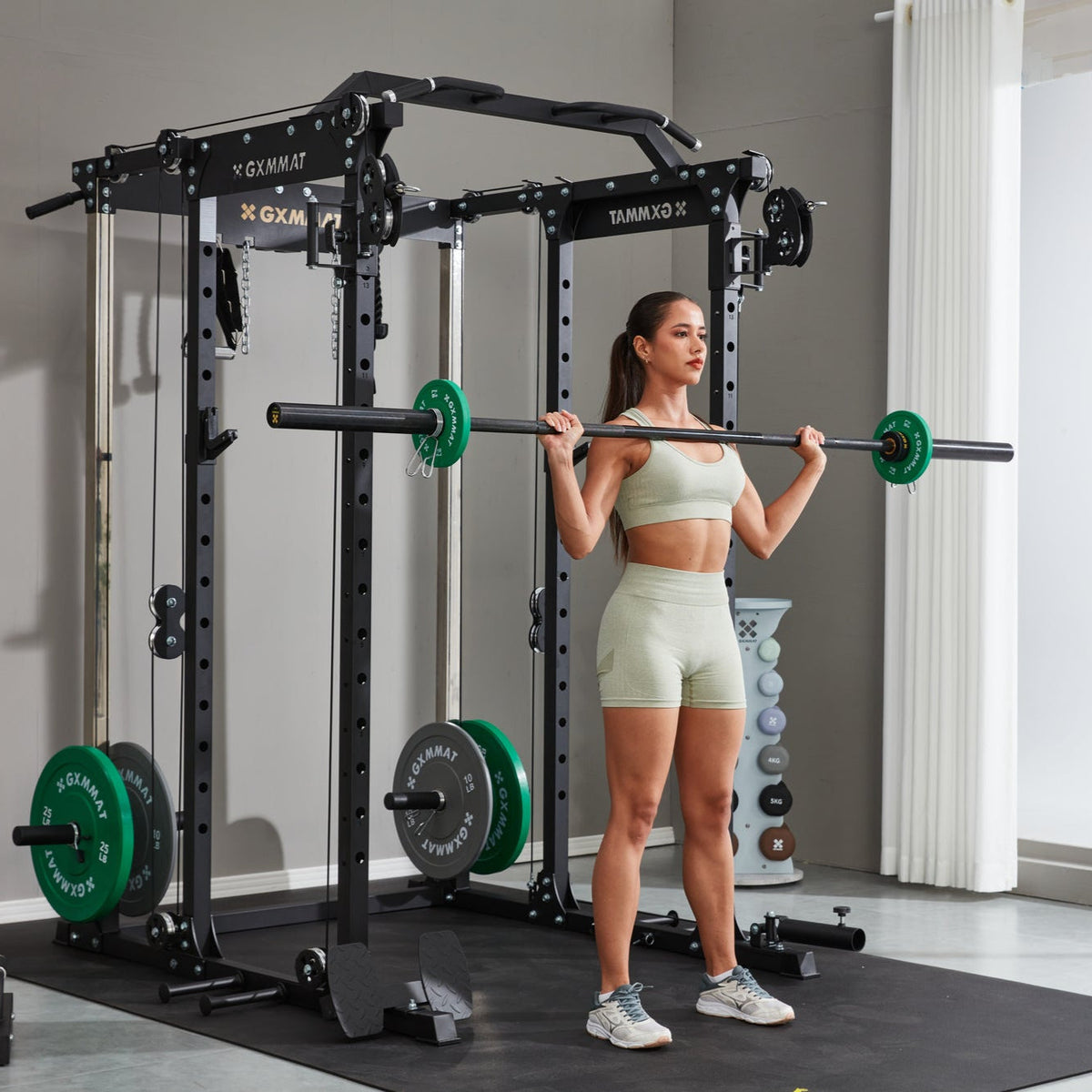
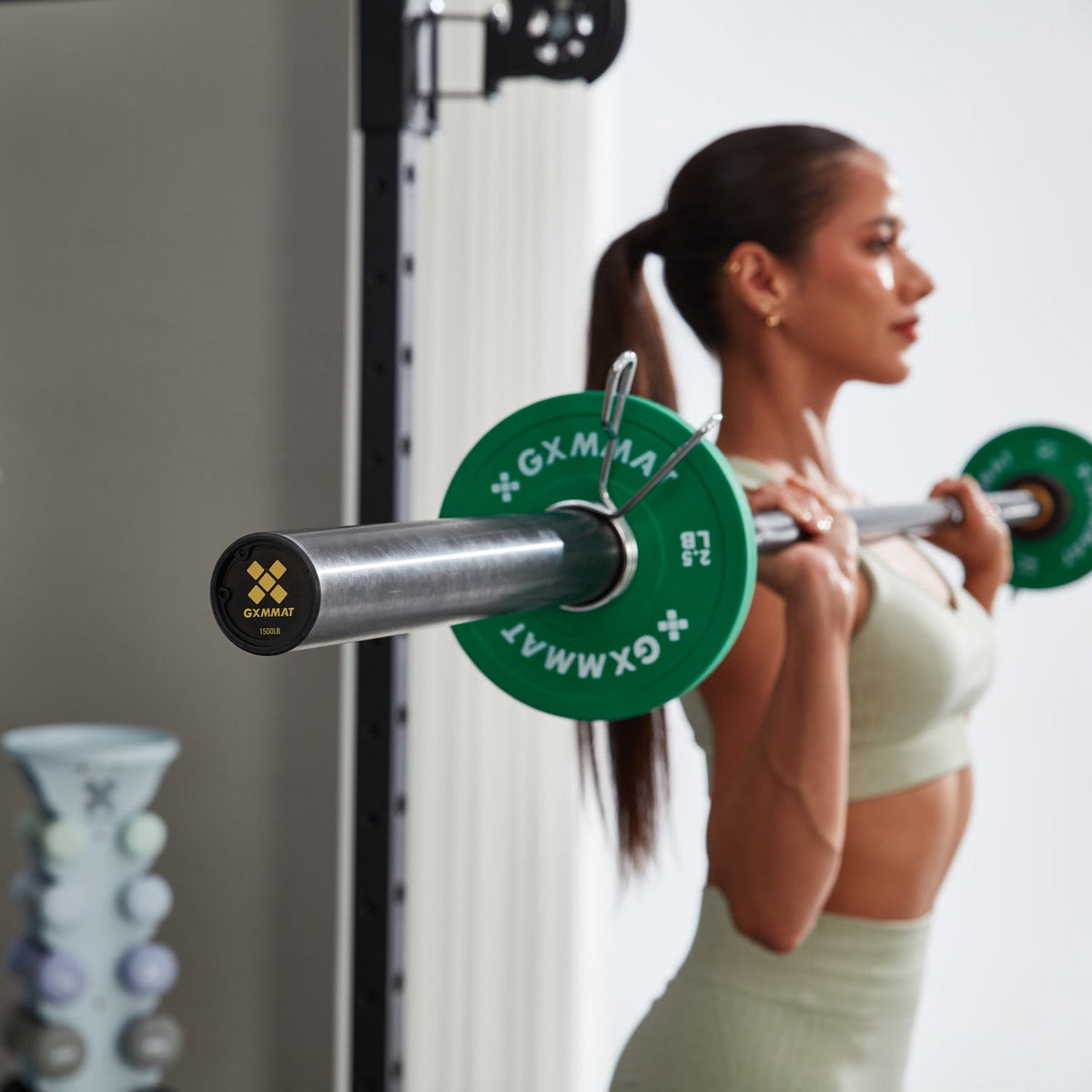
- Barbell: a 20 kg Olympic bar may be heavy for reverse curls at first; use it empty or add change plates in small steps.
- Cable: the low pulley on a G5, V6 or X6 power rack lets you start much lighter with a short straight bar.
- Kettlebells: soft kettlebells (10–25 lb) for one-arm reverse curls.
- Grip: workout gloves if the knurl bothers your hands.
FAQ
What muscles do reverse curls work?
The brachioradialis, brachialis, biceps and the wrist extensors of the forearm.
Are reverse curls good for forearms?
Yes. They're one of the best exercises for the top of the forearm and grip strength.
Why are reverse curls so hard?
The palms-down grip puts the biceps in a weaker position, so smaller muscles do more of the work.
How heavy should reverse curls be?
About 60–70% of your normal barbell curl, for 10–15 controlled reps.
Do reverse curls hurt your wrists?
They can if the weight is too heavy or the wrists bend back. Use an EZ bar or cable and keep the wrists straight.
Written by Yuvien Royer for GXMMAT. This article is general fitness information, not medical advice.