Overwhelmed by the Gym? How to Start Without a Fancy Routine
I remember my first day in a big-box commercial gym. I spent twenty minutes walking from the water fountain to the leg press, pretending to look at my phone because I didn't want to admit I had no idea where the 25-pound plates were kept. If you are typing gym how to start into your phone while sitting in the parking lot, stop. You don't need a spreadsheet yet.
Quick Takeaways
- Ditch the complex 12-week programs for the first 7 days.
- Focus on gym logistics like locker locations and floor layout first.
- Claim a 'safe zone' with a mat to avoid the free-weight crowd.
- Bring your own gear if the facility hygiene is questionable.
Stop Searching for the 'Perfect' Day One Routine
Most beginners spend three hours watching TikTokers do Bulgarian split squats before they even own a pair of decent shoes. They get hit with decision fatigue before they even touch a barbell. Typing gym how to start into a search engine usually yields hyper-optimized bodybuilding splits that are totally unrealistic for your first week.
You don't need to know how to optimize your mechanical tension or worry about your 'peak contraction' right now. If you try to execute a pro-level routine on day one, you'll spend more time looking at your phone for instructions than actually moving. That is a recipe for feeling self-conscious and quitting by Wednesday.
Treat Week One Like a Reconnaissance Mission
The real barrier to getting started gym habits isn't your lack of muscle; it's the friction of the environment. You need to master the logistics. Where do you put your bag? Which machines are always broken? Where is the one squat rack that actually has a level floor?
Spend your first three visits just being there. If you spend 15 minutes on a treadmill just watching how the room flows, that is a win. It helps you start without the anxiety that usually kills a new habit. Once you know where the bathrooms are and how the front desk staff operates, the physical workout becomes ten times easier to manage.
Claim Your 'Safe Zone' on the Floor
The free-weight area can feel like a shark tank. It’s loud, crowded, and full of people who look like they live there. My advice? Don't even go there yet. Instead, find a quiet corner, grab a pair of light dumbbells, and lay out one of those large exercise mats. This isn't just about cushioning your joints.
A mat acts as a physical boundary. In a crowded commercial gym, people are much less likely to crowd your personal space if you have a defined 24-square-foot territory. It becomes your 'home base' where you can do goblet squats, lunges, or overhead presses without feeling like you're in someone's way.
Why I Actually Bring My Own Gear to Commercial Facilities
I’ve been in enough gyms to know that hygiene is often an afterthought. Most gym mats are degraded, peeling, and haven't seen a disinfectant wipe since the building opened. I usually pack my own 6x4ft exercise mat in the trunk of my car. It’s thick enough to save your knees on a concrete subfloor and big enough that you aren't accidentally touching the public floor during a plank.
Transitioning from the Mat to the Iron
Eventually, the corner won't be enough. You'll want to use the cable machines or the power racks. But don't rush it. Wait until the environmental anxiety fades. Once you feel like you belong in the room, the weights feel lighter. Long-term sustainability beats immediate, ego-driven gains every time.
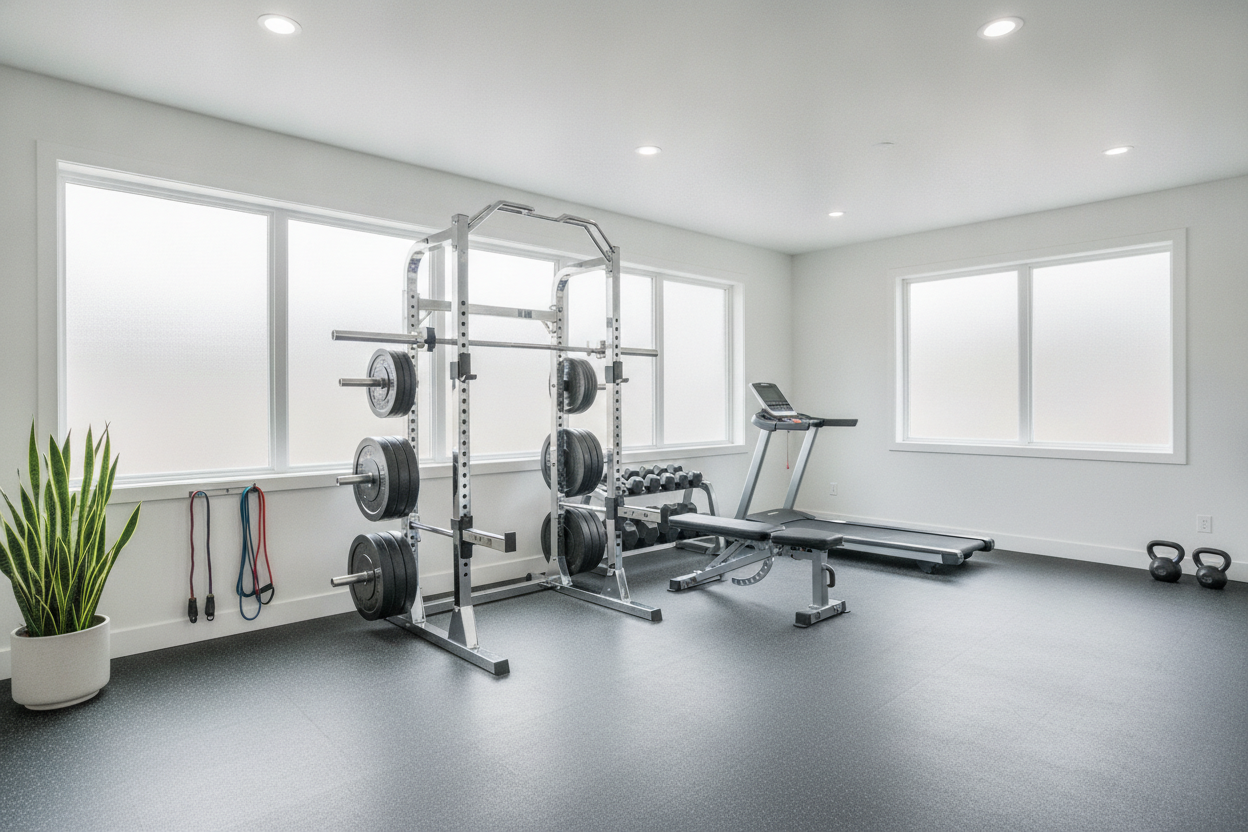
If you find that after a month you still dread the commute or the crowds, don't force it. Many of the strongest people I know ditched the commercial scene entirely. You might find that a guide to getting started with a home setup is the better path for your lifestyle.
Personal Experience: My 'Roll of Shame'
Early in my training, I tried to follow a high-intensity chest routine I found online. I didn't know how to set the safety bars on the bench press. I ended up pinned under 135 pounds, having to perform the 'roll of shame' across my stomach while a group of teenagers watched. I learned the hard way that understanding the equipment is more important than how much weight is on the bar.
FAQ
Do I need a personal trainer right away?
Not necessarily. A trainer is great for form, but they can't help you with the habit of just showing up. Master the habit of walking through the door first, then hire a pro to refine your technique.
What should I wear?
Anything that breathes. Don't overthink the 'gym aesthetic.' A basic cotton tee and shorts are fine, but invest in decent shoes with a flat sole if you plan on lifting weights.
Is everyone looking at me?
Honestly? No. Most people are too busy staring at themselves in the mirror or checking their rest-timer on their watch. You are the protagonist in your head, but just an extra in theirs.