How I Finally Built a Dietary Plan for Gaining Muscle That Works
I remember staring at twenty identical Tupperware containers of dry chicken and gray broccoli on a Sunday night, feeling like I was preparing for a prison sentence rather than a bulk. If you’ve ever tried to force down a beige, rubbery meal on a Thursday afternoon, you know exactly why most people fail their dietary plan for gaining muscle. It’s not a lack of willpower; it’s a lack of flavor and a surplus of boredom.
Quick Takeaways
- Stop prepping individual meals; prep modular ingredient blocks instead.
- Ground beef and chicken thighs beat dry breasts for sustainable mass gain.
- Jasmine rice and gold potatoes are the kings of reheating without turning into glue.
- Flavor fatigue is the number one reason most beginners quit their bulk by week three.
The Problem With Rigid Sunday Meal Prep
Traditional meal prep is a trap. You spend four hours in the kitchen, your house smells like steamed sulfur, and by Wednesday, the food in those containers has reached a level of 'sad' that no amount of hot sauce can fix. The simplest meal plan muscle gain actually responds to isn't about being a gourmet chef once a week; it's about consistency without the misery.
When you force yourself into a rigid 7 day meal plan for muscle gain for beginner's that dictates exactly what you eat every Tuesday at 2:00 PM, you're begging for burnout. I’ve found that the best nutrition plan for muscle gain is one that allows for pivots. If I’m craving tacos but my container says 'lemon herb chicken,' I’m going to end up ordering pizza. Modular prepping solves this.
The Modular Dietary Plan for Gaining Muscle
This is where the 'plug-and-play' method saved my sanity and my physique. Instead of making 'meals,' I make 'blocks.' I’ll cook three pounds of 90/10 ground beef, a massive pot of rice, and roast two trays of potatoes. This eating plan to gain muscle fits on a single grocery receipt and lets you change the flavor profile in thirty seconds.
One day it's Mexican-style with salsa and avocado; the next it's soy sauce and ginger for a quick stir-fry. It's a healthy meal plan for gaining muscle that doesn't feel like a chore. By prepping components rather than finished dishes, you keep the food fresher and your taste buds interested. This is how to make a meal plan for muscle gain that actually lasts six months instead of six days.
Carbs That Don't Turn to Glue in the Fridge
Brown rice is a lie sold by people who don't actually eat for performance. It tastes like cardboard and takes forty minutes to cook. Stick to Jasmine rice or Yukon Gold potatoes. They hold moisture significantly better when reheated. If you're on a strict muscle gain eating schedule, you need high-quality carbs that don't make you want to gag. I also keep cream of rice on hand for those days when I need a quick hit of energy before a heavy session.
Proteins You Actually Want to Eat
If I see one more diet plan mass gain guide suggesting plain, skinless chicken breast, I’m going to lose it. Chicken breast is for cutting; ground beef, bison, and chicken thighs are for growing. They have more micronutrients and, more importantly, they don't turn into leather in the microwave. When you're looking at how to make a diet plan for muscle gain, look for proteins with a bit of fat—it makes the high calorie volume much easier to stomach.
A Sample 7-Day Framework for Beginners
For a sample meal plan for building muscle, don't overcomplicate the grocery list. Focus on a few core items and rotate the seasonings. This sample diet for gaining muscle keeps the kitchen clean and your macros high without the headache of a complex diet chart for muscle gain.
- Days 1-3: Beef and rice bowls with varying hot sauces or fermented veggies.
- Days 4-5: Roasted chicken thighs with mashed gold potatoes and sea salt.
- Days 6-7: Breakfast for dinner—scrambled eggs, oats with honey, and fruit.
This is the most effective way I've found for how to make a meal plan to gain muscle. It’s flexible, it’s cheap, and it’s scalable as your weight increases.
Syncing Your Meals With Your Garage Gym Sessions
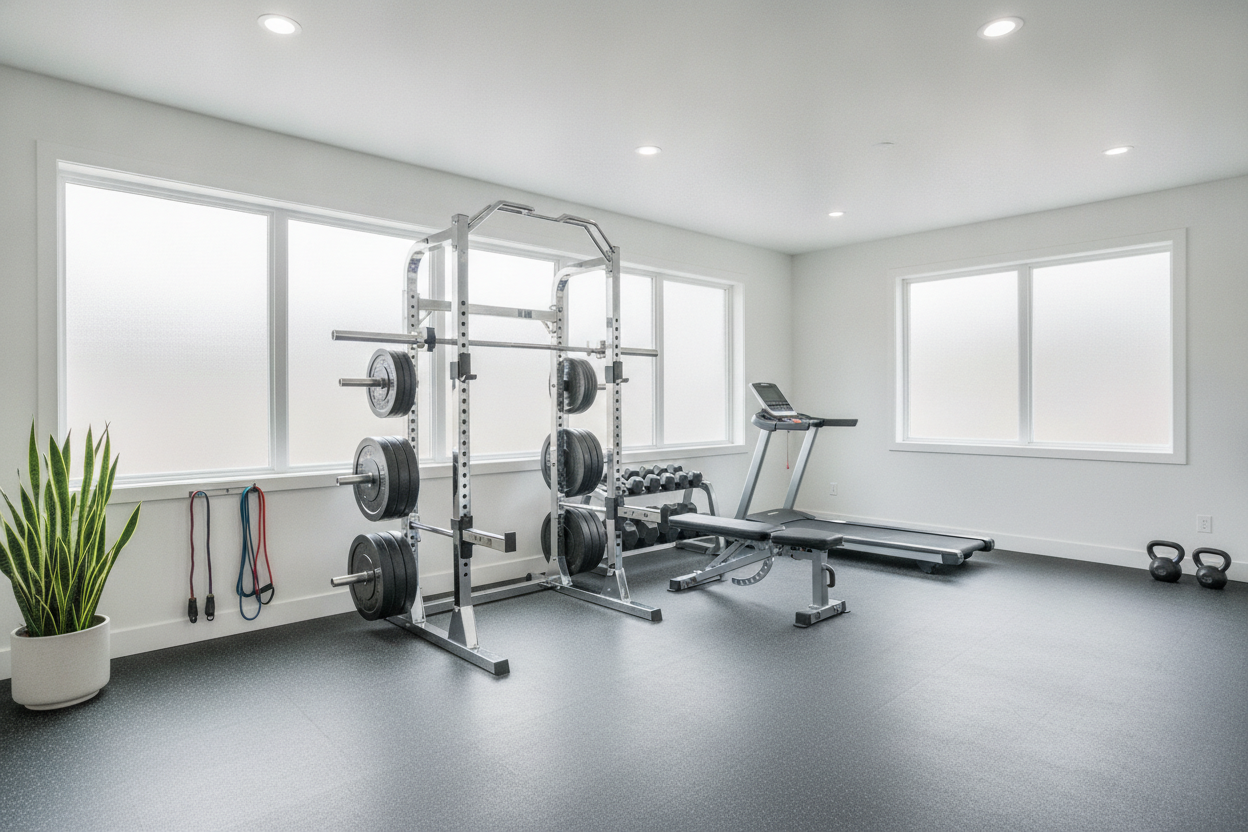
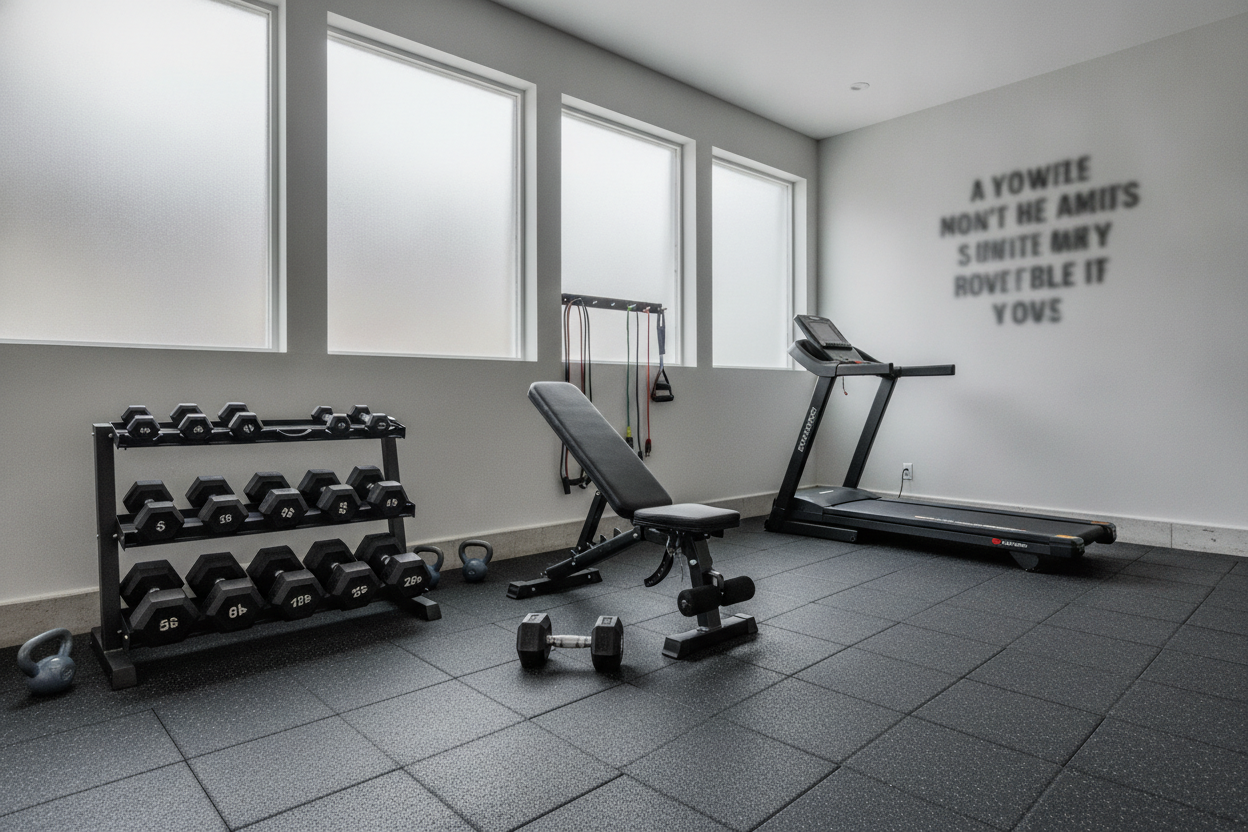
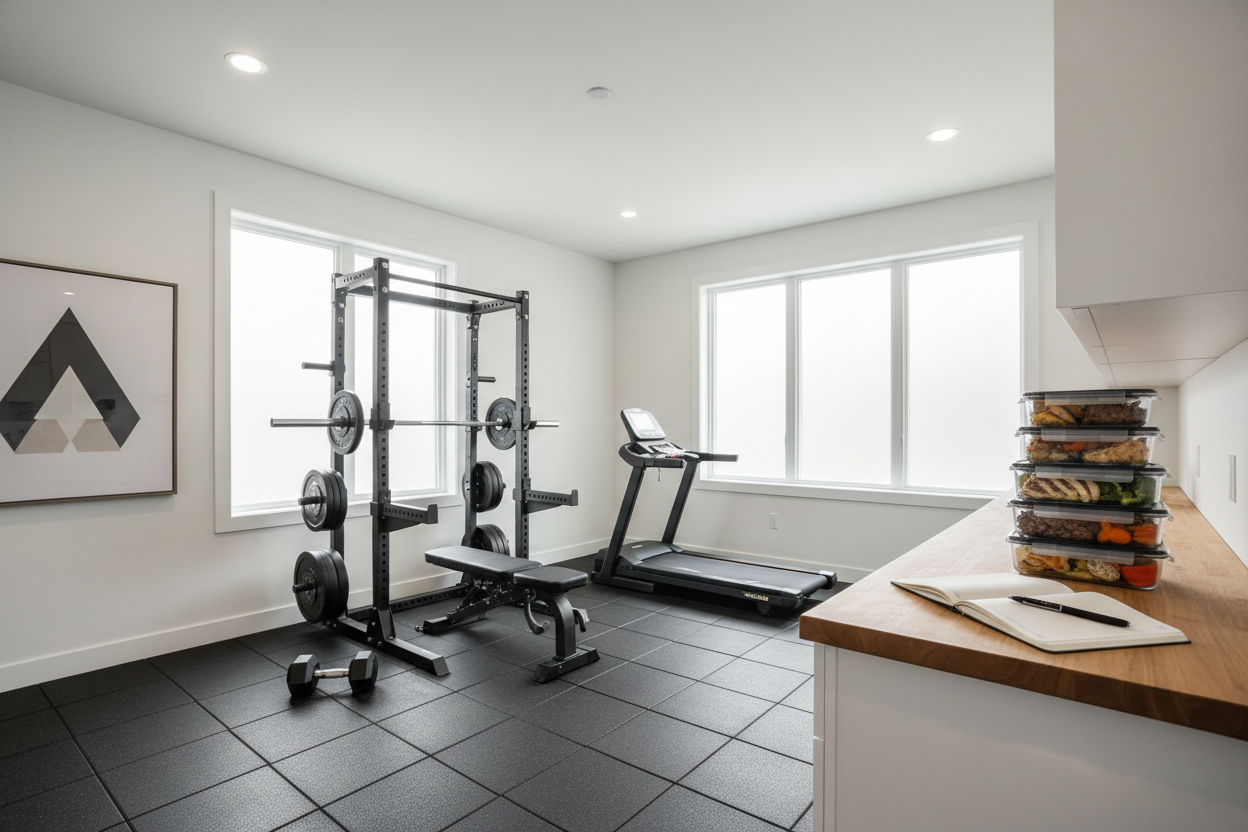
I do my heavy lifting on a large exercise mat for home gym setups, and after a grueling session of heavy triples, my body is screaming for fuel. This is when you drop your biggest carb block. I personally save my most carb-heavy healthy meal plans to build muscle for the 90-minute window following a workout.
By timing your nutrition around your training, you ensure those calories go toward repair rather than just sitting in your gut. It’s a key part of how to make a meal plan for building muscle that actually transforms your shape. Don't waste your best meals on days you're sitting on the couch; fuel the work.
My Biggest Bulking Mistake
I once tried to eat 4,500 calories of 'perfectly clean' food—mostly sweet potatoes and tilapia. By day four, I was so bloated I couldn't even hit a proper brace on my squats. I learned the hard way that a healthy muscle gain diet plan needs some 'easy' calories. Adding a bit of honey to my rice or using 85/15 beef instead of 96/4 made the volume manageable. If you can't breathe because you're so full, you aren't going to train well.
FAQ
How many meals should I eat per day?
For most, 4 to 5 meals is the sweet spot. It keeps protein synthesis elevated without making you feel like you're constantly stuffed. If you try to fit 3,500 calories into two meals, you're going to have a bad time.
Is a 'dirty bulk' worth it?
Rarely. Eating pizza and doughnuts will get you the weight, but half of it will be a soft midsection that you'll just have to diet off later. Stick to the 80/20 rule: 80% whole foods from your modular prep, 20% whatever keeps you sane.
What if I'm not hungry?
Liquid calories are your friend. A shake with oats, whey, and peanut butter can easily pack 800 calories and goes down much easier than another plate of steak and rice when your appetite flags.