Your First Home Gym: A Practical Guide to Getting Started Without Wasting Money
Building a home gym doesn't require a massive budget or a spare mansion wing. After setting up my own workout space in a cramped apartment corner three years ago, I've learned that the basics for home gym success come down to choosing versatile equipment that matches your actual fitness goals—not what looks impressive on Instagram.
The smartest approach to understanding what you need in a home gym starts with honest self-reflection. Are you a runner who needs indoor options for bad weather? A weightlifter transitioning from a commercial gym? Someone just starting their fitness journey? Your answers determine whether you need a treadmill or a simple jump rope, a full power rack or adjustable dumbbells.
The Non-Negotiable Foundation
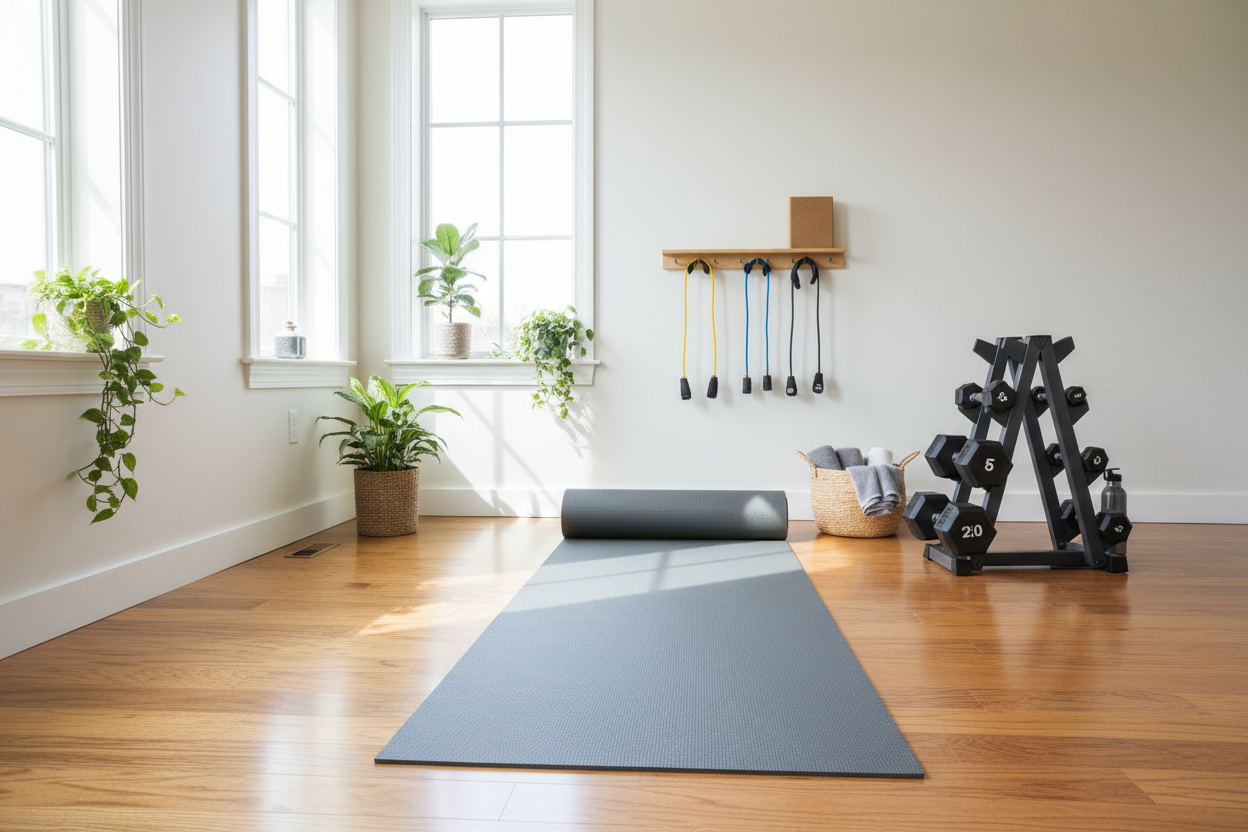
Every functional home gym needs a quality exercise mat. This isn't exciting advice, but it's truthful. Whether you're doing yoga, bodyweight exercises, or protecting your floor from dropped weights, a 6-8mm thick mat serves multiple purposes. I initially skipped this, thinking my carpet was sufficient, and regretted it after my first set of burpees left me with rug burn.
Resistance bands belong in every beginner setup. These unassuming strips of rubber cost less than a month of gym membership but provide progressive resistance for dozens of exercises. They're perfect for warm-ups, rehabilitation work, and adding difficulty to bodyweight movements. The home gym basic equipment list should always include a set with varying resistance levels.
What Equipment for a Home Gym: The Core Pieces
Adjustable dumbbells solve the space problem that stops most people from building a proper home gym. A single pair that adjusts from 5 to 50 pounds replaces an entire rack of fixed-weight dumbbells. Yes, they're more expensive upfront—quality sets run $300-500—but they're genuinely everything you need for home gym strength training if you're not a competitive powerlifter.
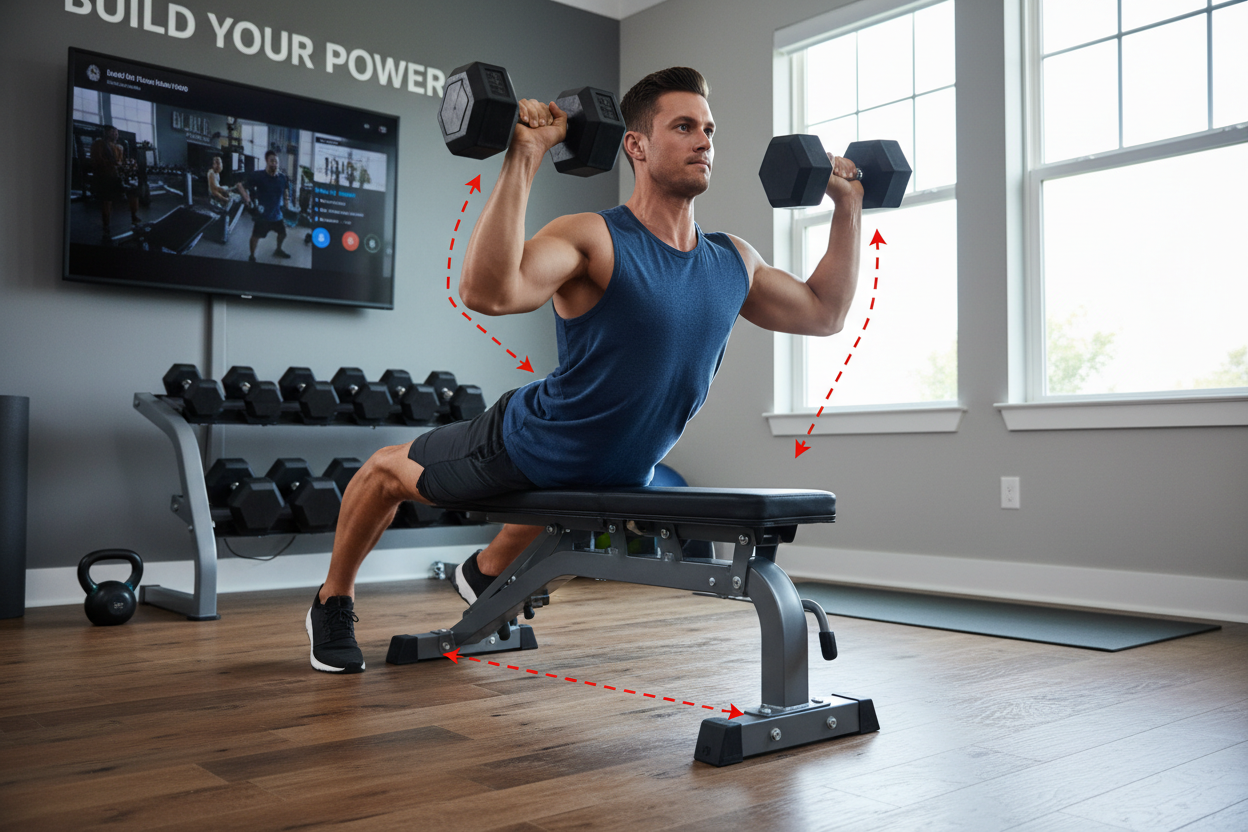
A sturdy bench transforms your workout possibilities. Flat benches work fine, but an adjustable bench that inclines and declines opens up chest presses, shoulder work, step-ups, and Bulgarian split squats. This single piece of equipment justifies its 4x2 foot footprint by enabling at least 30 different exercises.
For those wondering what to buy for a home gym when space is extremely limited, a pull-up bar mounted in a doorway checks multiple boxes. Pull-ups, chin-ups, hanging leg raises, and even suspension trainer attachment points—all from a $30 piece of equipment that installs without power tools.
Cardio Without the Treadmill Expense
The assumption that cardio requires a $1,500 treadmill stops many people from starting. A jump rope delivers intense cardiovascular training for under $20. It takes up zero permanent space and provides workout variety through different jumping styles, intervals, and speed variations.
Kettlebells deserve special mention in any home gym guide because they blur the line between strength and cardio. Swings, snatches, and Turkish get-ups elevate your heart rate while building functional strength. A single 35-pound kettlebell (for most men) or 25-pound bell (for most women) provides months of progressive programming.
What to Put in Home Gym: The Smart Additions
Once you've established the foundation, strategic additions depend on your specific goals. A foam roller aids recovery and costs about as much as two physical therapy co-pays. Gymnastic rings hung from your pull-up bar or ceiling beam add instability training and advanced bodyweight progressions for minimal investment.
Resistance training enthusiasts should consider a barbell and weight plates before buying specialized machines. A basic Olympic barbell setup with 300 pounds of plates enables squats, deadlifts, presses, and rows—the movements that build the most strength and muscle. You'll need a power rack or squat stands for safety, which admittedly increases the investment and space requirements.
What is needed for a home gym ultimately circles back to consistency. The treadmill gathering dust in your garage isn't helping anyone. The equipment you'll actually use matters infinitely more than the equipment fitness influencers promote.
Things You Need for a Home Gym Beyond Equipment
Proper lighting makes a bigger difference than you'd expect. Working out in a dim basement feels depressing. Adding bright, daylight-spectrum bulbs creates an environment you'll want to spend time in. I added two LED shop lights to my garage gym, and my workout frequency immediately increased.
A Bluetooth speaker or sound system isn't frivolous—it's motivational infrastructure. Music selection impacts workout intensity more than most people realize. Dedicated workout playlists help establish the mental shift from everyday life to training mode.
Climate control deserves consideration depending on your location. A fan for summer workouts or a space heater for winter sessions might determine whether you actually use your home gym year-round. I've done deadlifts in 45-degree weather and in 95-degree heat; neither is conducive to consistent training.
The Minimalist Approach
If budget constraints are severe, everything you need for home gym training can fit in a single duffel bag. A yoga mat, resistance bands, a jump rope, and a suspension trainer (like TRX) provide full-body training for under $150 total. This setup won't build maximum strength as quickly as barbells, but it absolutely builds fitness, burns fat, and develops muscle.
The psychological barrier of needing perfect equipment before starting holds more people back than lack of resources. Your body doesn't know whether you're doing push-ups on a $200 mat or a towel on carpet. Progressive overload—gradually increasing difficulty—matters more than equipment quality for beginners.
Avoiding Common Purchasing Mistakes
The things needed for home gym success don't include every piece of equipment you've seen at commercial gyms. Specialized machines for cable flyes or leg extensions serve single purposes and cost hundreds or thousands of dollars. Multi-joint, compound movements using simple equipment deliver better results for most people.
Don't buy everything at once. Start with basics, use them consistently for two months, then add one piece at a time based on what your workouts actually need. This approach prevents the expensive mistake of buying equipment that seemed like a good idea but never gets used.
Quality matters more for certain items. Cheap adjustable dumbbells break. Budget resistance bands snap during use. Flimsy benches wobble dangerously under load. Research before purchasing, read reviews from actual users, and remember that buying twice costs more than buying right the first time.
Making Your Space Work
What to have in home gym discussions often overlook spatial organization. Wall-mounted storage for resistance bands, hooks for jump ropes, and vertical dumbbell storage maximize floor space. A dedicated workout area—even if it's just a 6x6 foot section of your bedroom—creates psychological separation between exercise and rest.
Mirrors aren't vanity; they're form-checking tools. A simple full-length mirror helps you monitor squat depth, push-up alignment, and exercise technique. Proper form prevents injuries and ensures you're actually working the intended muscles.
The most important element of what you need for home gym success isn't equipment at all—it's commitment to showing up. The fanciest setup in the world won't deliver results if you only use it twice a month. A basic setup used four times weekly will transform your fitness far more effectively than unused perfection.
Frequently Asked Questions
How much should I budget for a basic home gym?
A functional starter setup costs $200-500 depending on your goals. This covers a quality mat, adjustable dumbbells or resistance bands, and a pull-up bar. You can start with less, but this range provides genuine training variety without major compromises.
Do I need cardio equipment if I can run outside?
Not necessarily. A jump rope provides indoor cardio backup for bad weather and takes up almost no space. Many effective cardio workouts use zero equipment—burpees, mountain climbers, and high knees all elevate heart rate significantly. Save the treadmill budget for strength equipment unless you specifically prefer machine-based cardio.
What's the single best piece of equipment for a tiny apartment?
Adjustable dumbbells offer the most exercise variety in the smallest footprint. A quality set enables dozens of strength exercises, can be stored under a bed or in a closet, and grows with your fitness level. They're not cheap, but they're genuinely versatile enough to build an entire training program around.