My 4 Rules for Buying Good At Home Exercise Equipment
I’ve spent the last decade turning my garage into a sanctuary of iron and sweat. I’ve also wasted thousands of dollars on 'deals' that ended up as scrap metal within six months. Finding good at home exercise equipment isn't about buying the most expensive thing in the catalog; it’s about knowing where the manufacturer cut corners to save a buck.
My first home gym was a rickety bench from a big-box store that wobbled every time I went over 135 pounds. It was terrifying. Since then, I’ve tested everything from 3x3-inch 11-gauge power racks to adjustable dumbbells that feel like they’re held together by hope and glue. Here is how you filter the noise and build a space that actually works.
- Prioritize 11-gauge or 14-gauge structural steel over thin aluminum.
- Look for a high versatility-to-footprint ratio—if it only does one thing, it probably doesn't belong.
- Protect your joints and your foundation with high-density rubber flooring.
- Never skimp on items that support your body weight, like benches and racks.
The 'Buy It Nice or Buy It Twice' Reality Check
The biggest mistake I see is people buying the cheapest barbell they can find. A cheap bar has no 'whip,' the knurling feels like wet soap, and the sleeves will eventually stop spinning. When you invest in quality, you're buying something that will literally outlive you. The Top Home Workout Equipment For An Effective At Home Gym doesn't change much over twenty years because physics doesn't change. A solid piece of iron is a lifetime asset.
Structural integrity matters. If a rack uses 1-inch bolts and thick steel uprights, it’s going to stay stable when you're reracking a heavy squat. If it’s held together by tiny screws and weighs less than you do, get rid of it. Buying cheap gear is just a down payment on the quality gear you'll eventually have to buy to replace it. I've seen too many 'budget' racks bend under 300 pounds to ever trust a no-name brand again. If the manufacturer doesn't list the steel gauge, assume it's trash.
What Makes the Best Equipment for At Home Workout Setups?
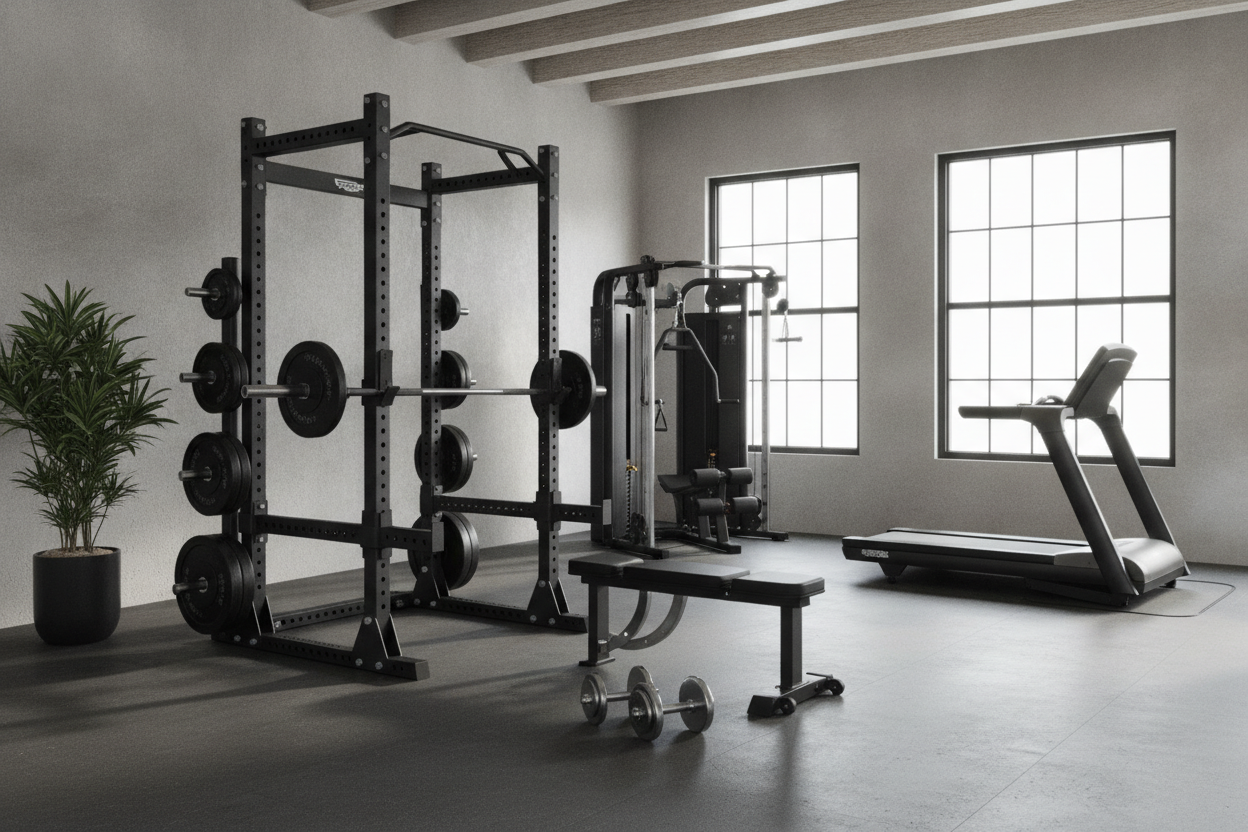
The best equipment for at home workout routines is gear that earns its square footage. In a garage or a spare bedroom, space is your most valuable currency. A dedicated leg extension machine is cool, but it takes up 15 square feet and only hits your quads. A solid power rack takes up the same space but allows for squats, pull-ups, presses, and even cable attachments. You want tools, not trophies.
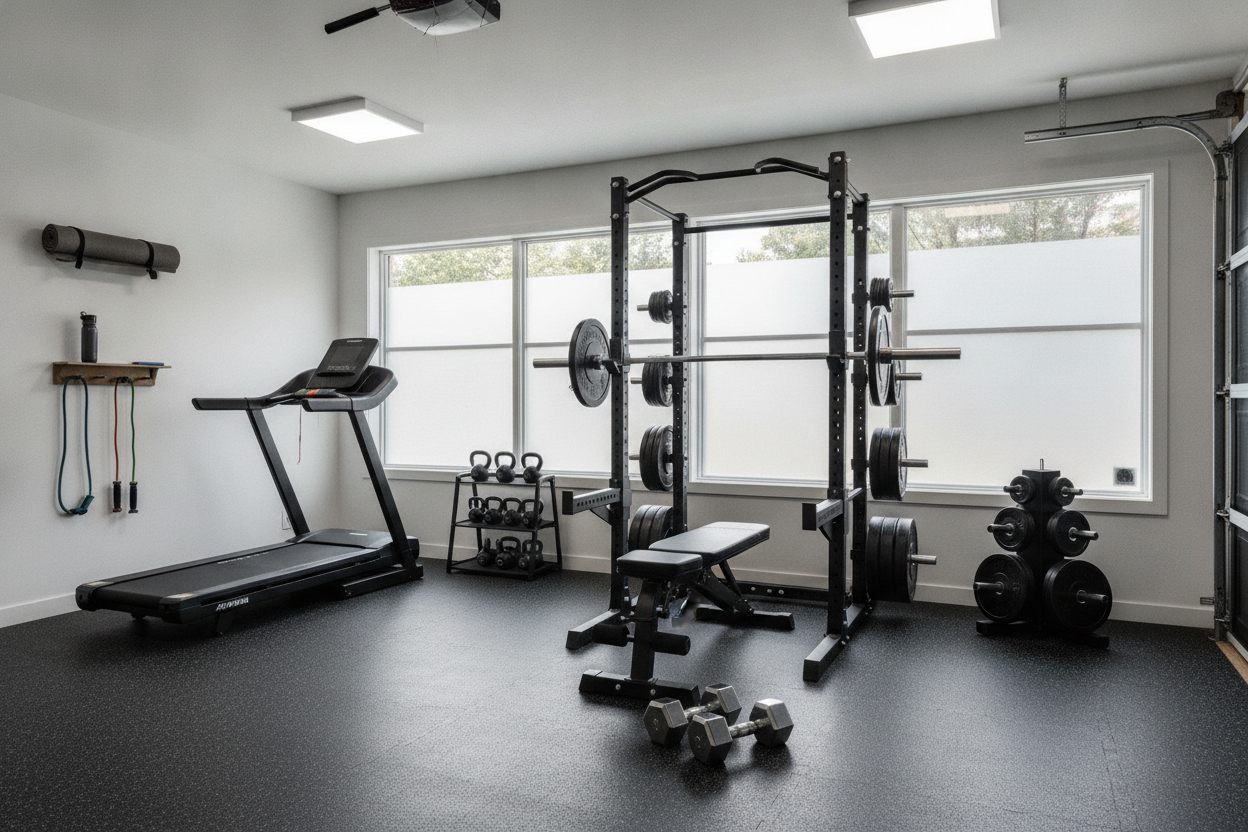
I always look for the 'Big Three': a rack, a barbell, and adjustable dumbbells. If you have a pair of 52.5-lb or 80-lb adjustable bells, you’ve effectively replaced a 20-foot rack of fixed dumbbells. That’s how you maximize a small space without sacrificing the quality of your training. I personally use a folding rack that mounts to the wall. It sticks out only 4 inches when closed, yet it can support a 1,000-lb load. That is the kind of engineering you should be looking for—high utility, low footprint.
Don't fall for the 'as seen on TV' machines that promise a full body workout in 10 minutes. Those usually rely on resistance bands or flimsy pulleys that lose tension within a month. Stick to the basics: iron, steel, and gravity. They don't require a software subscription to function, and they won't become obsolete when the next app update rolls out.
Stop Treating Your Gear Like 'Homework Equipment'
We’ve all seen it: the treadmill that becomes a very expensive clothes rack. This happens because people buy 'homework equipment'—stuff they feel obligated to use rather than stuff they actually enjoy. If you hate running, don't buy a cardio machine just because you think you 'should' do cardio. If you love lifting heavy things, buy a barbell that feels good in your hands and makes you want to train.
If you find yourself dreading your workout because the gear is boring or clunky, you’re better off sticking to the Shoulder Workout At Home For Beginners The Zero Equipment Guide until you find tools that actually excite you. Your home gym should be a place you want to spend time in, not a chore you're trying to check off a list. I spent two years using a rower I hated before I finally admitted it was just taking up space. I sold it, bought a sandbag and some kettlebells, and my consistency skyrocketed.
Good Workout Equipment for Home Starts With the Floor
Most people forget about the floor until they drop a 45-lb plate and crack their concrete foundation. Good workout equipment for home isn't just the iron; it's the rubber underneath it. I’ve seen guys spend $3,000 on a rack and then put it on thin carpet or bare concrete. It’s a disaster for your joints and your house. Concrete has zero give, and your knees will feel every single rep of a high-impact circuit.
You need at least 8mm to 3/4-inch of high-density rubber to protect your gear and your body. A 6X8Ft Exercise Mat Yoga Mat Gym Flooring For Home Workout is usually the sweet spot for a dedicated lifting area. It’s large enough for deadlifts or kettlebell swings but doesn't require you to resurface your entire garage. It dampens the noise, which your neighbors will appreciate, and it keeps your bars from getting beat up. If you're doing burpees or plyometrics, your ankles will thank you for the extra shock absorption.
Where to Splurge and Where to Hunt for Bargains
Don't buy a used weight bench. If the welds are compromised or the locking mechanism is worn, you’re asking for a trip to the ER. Splurge on the things that keep you safe: the rack, the bench, and the barbell. These are the pieces where the 'Buy It Nice' rule is absolute. My biggest mistake? I once bought a $90 bench from a generic site. Halfway through a set of incline presses, the support pin sheared. I didn't get hurt, but I learned that my safety is worth more than the $150 I saved.
However, iron is iron. You can often find great Home Gym Equipment Deals on plates, kettlebells, and plyo boxes. If a 45-lb plate weighs 45 pounds, it doesn't matter if it has a few scratches or a bit of surface rust. Save your money on the heavy stuff so you can afford the high-end barbell or the precision-engineered adjustable dumbbells that actually make training fun. Check the clearance sections for 'cosmetic seconds'—items with a paint chip that function perfectly but cost 30% less.
How much space do I really need for a home gym?
A 10x10 foot area is the gold standard for a full rack and a 7-foot Olympic bar. If you're tighter on space, an 8x6 foot mat with adjustable dumbbells and a folding bench can handle 90% of any strength program without taking over the room.
Is 14-gauge steel strong enough for a rack?
For most lifters, yes. It's usually rated for around 500-800 lbs. But if you're planning on squatting 500+ or you want zero sway when doing pull-ups, 11-gauge is the way to go. It feels significantly more 'planted' during heavy movements.
Why is my barbell rusting in the garage?
It's likely a cheap decorative chrome or bare steel. In humid garages, you need stainless steel or Cerakote finishes. If it’s already rusting, hit it with some 3-in-One oil and a brass brush to stop the spread, then keep it oiled once a month.