I Rebuilt My Home Gym Routine Around Just 5 Fundamental Exercises
I spent three years obsessing over RPE charts and 12-week macrocycles. My garage looked like a warehouse, and my Google Sheets were a work of art, yet I was more tired than strong. I realized I was spending forty minutes on the 'perfect' warm-up and accessory work before I even touched a heavy bar. My training had become a chore, a complex math problem I had to solve every morning at 6:00 AM.
I finally hit a wall. I realized that for all the money I spent on specialized machines and fancy attachments, my best gains always came from the most boring movements. I decided to scrap the complexity and build a routine around just five fundamental exercises. No spreadsheets, no fluff, just high-intensity basics.
Quick Takeaways
- Simplicity beats complexity for long-term consistency.
- The five core patterns (Push, Pull, Hinge, Squat, Carry) cover 95% of your needs.
- Cutting accessory work often allows for higher intensity on the lifts that actually matter.
- You don't need a massive rack to get strong; you need a clear floor and a heavy bar.
The Trap of Chasing 'Optimal' Programming
We've all been there. You spend more time watching YouTube videos about 'optimal' bicep peak activation than you do actually lifting. I was juggling sixteen different accessory movements, tracking tempo down to the second, and feeling like a failure if I missed a single set of face pulls. It was exhausting.
The truth? Most of us aren't professional bodybuilders. We're people with jobs and kids who want to be strong and not feel like a pile of rust when we get out of bed. My 'optimal' program was actually suboptimal because it was so mentally draining that I started skipping sessions. I was majoring in the minors, and my progress reflected that.
Why I Scrapped Everything for a Fundamental Workout
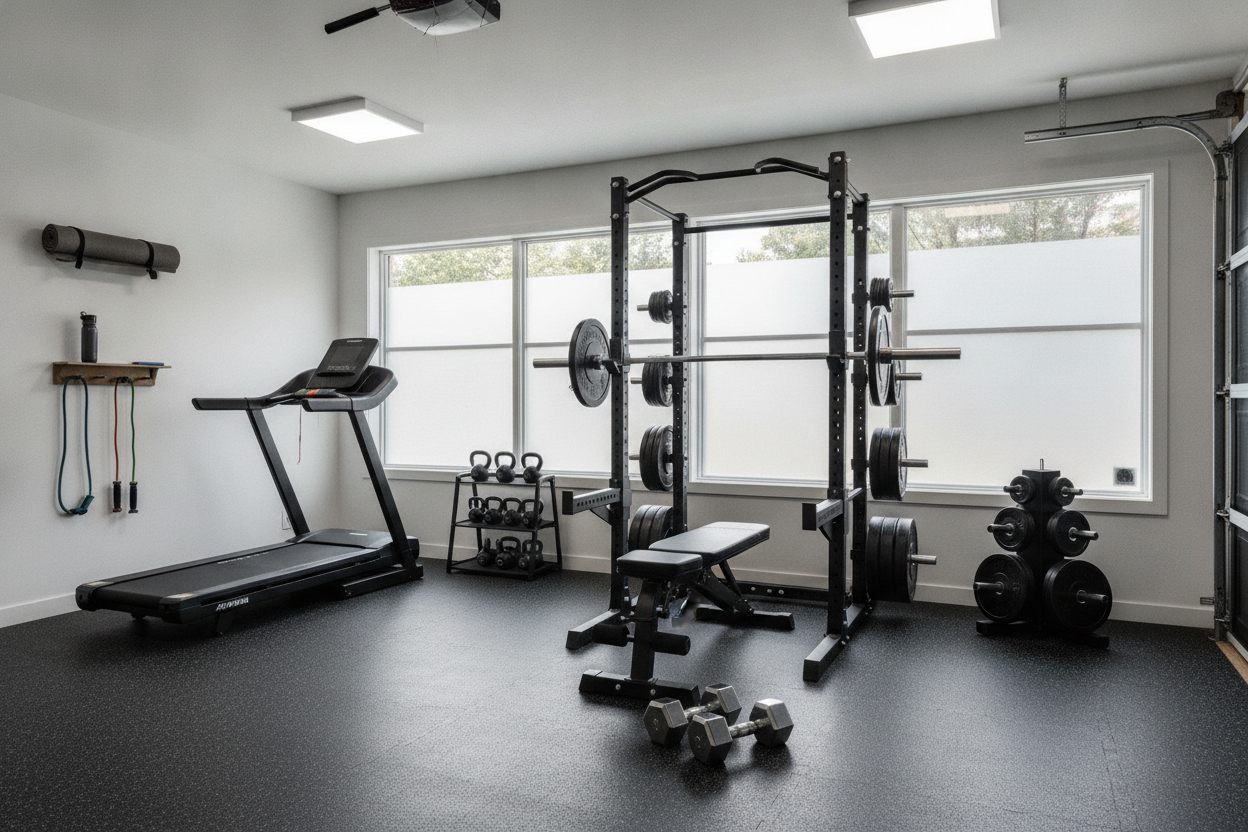
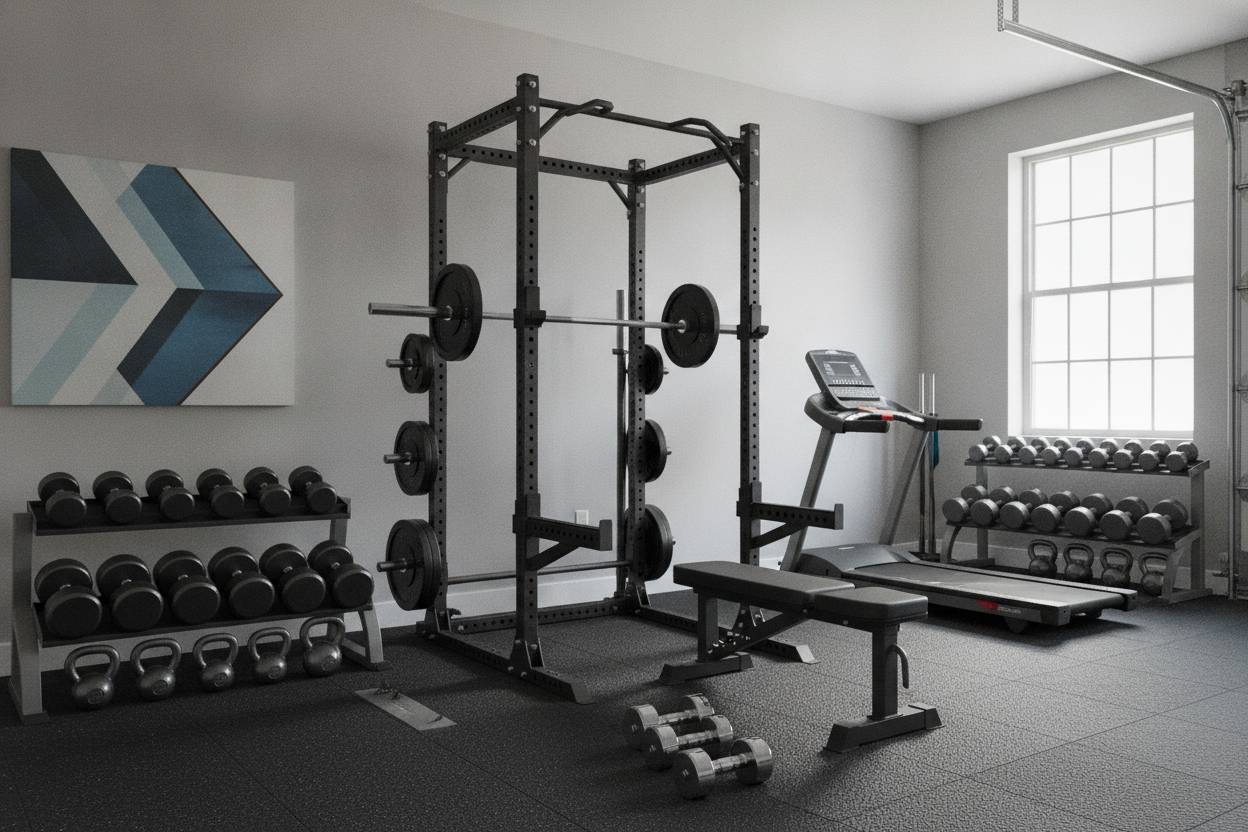
I decided to clear the clutter. I sold off the half-broken cable machine that took up too much space and focused on the floor. Having a large 6x8ft exercise mat gave me enough room to move without tripping over landmine attachments or the pile of resistance bands I never used. I stopped caring about the 'perfect' split and committed to a single fundamental workout structure.
Stripping the routine down to its bare bones felt risky at first. I was worried I'd lose muscle if I stopped doing three variations of lateral raises. Instead, the opposite happened. Because I wasn't saving energy for ten different exercises, I could put 100% of my effort into the big lifts. My intensity skyrocketed because the goal was finally clear: move the heavy thing, then go home.
The Only 5 Movements That Made the Cut
I narrowed my training down to five non-negotiable movement patterns: the Push, Pull, Hinge, Squat, and Carry. If an exercise didn't fall into these buckets, it was gone. These are the highest ROI movements you can do in a garage gym. They build real-world strength and keep your joints moving through their full range of motion.
For the lower body, I focused heavily on fundamental lower body power exercises like the trap bar deadlift and the goblet squat. The hinge and squat patterns are the foundation of everything. For the upper body, it was all about the overhead press and weighted chin-ups. Finally, I added loaded carries. If you aren't picking up heavy stuff and walking with it, you're missing out on the best core and grip work there is. It's simple, brutal, and effective.
How to Structure Fundamental Exercises Workouts
You don't need a complex calendar to make this work. I follow a simple A/B split three days a week. Session A is Squat, Push, and Carry. Session B is Hinge, Pull, and a different Carry variation. I don't obsess over hitting a specific number of reps if I'm feeling beat up. I use auto-regulation: if the bar is moving fast, I add weight. If I'm dragging, I stay put and focus on form.
This approach to fundamental exercises workouts allows you to stay in the gym for 45 minutes and leave feeling accomplished rather than destroyed. You can find more ways to sequence these movements in our workout hub, but the key is to stay consistent. Progressive overload doesn't require a calculator; it just requires a slightly heavier plate or one more rep than last week.
The Verdict After 6 Months of 'Boring' Training
After half a year of 'boring' training, I'm the strongest I've ever been. My nagging shoulder pain from too many bench press variations is gone. My deadlift has climbed by 40 pounds because I'm actually recovered when I hit the platform. More importantly, I actually look forward to my workouts again. There's something deeply satisfying about mastering the basics instead of constantly searching for the next 'secret' exercise.
FAQ
Is this enough volume to build muscle?
Yes. If you are pushing these five movements with high intensity and eating enough, you will grow. Most people do too much junk volume that just adds fatigue without adding muscle.
Can I still do curls?
Sure, if you have time at the end. But they are the dessert, not the main course. If you skip them, you won't lose your arms as long as you're doing heavy rows and chin-ups.
What equipment do I absolutely need?
A solid barbell, some plates, and a place to pull from. A rack is great for safety, but you can do a lot with just a bar and a clear patch of floor.