
Muscle Growth Diet Plan: Nutritional Architecture, Meal Scheduling, and Home Gym Training Synergy
Sustained physical development relies on the interplay between progressive training stimulus and targeted nutritional support. Designing an effective muscle growth diet plan requires more than simply increasing daily caloric consumption; it demands a structured approach to nutrient selection, meal distribution, and recovery management. When combined with consistent resistance training and an organized home workout environment, a well-calibrated eating strategy provides the energy and raw materials necessary to rebuild muscular tissue efficiently.
Core Foundations of a Muscle Growth Diet Plan
At its core, a sustainable build muscle diet plan is built on an intentional energy surplus paired with balanced macronutrient sources. Without adequate nutritional energy, the body cannot easily support tissue repair following strenuous lifting sessions. Developing a dependable nutrition plan to build muscle centers around three primary whole-food pillars:
- High-Quality Protein Foundations: Sourcing protein from varied whole foods—such as poultry, fish, eggs, dairy, legumes, and tofu—provides the essential amino acid profiles required for continuous tissue repair.
- Complex Energy Carbohydrates: Wholesome starches, whole grains, oats, and root vegetables supply the sustained glycogen storage required to maintain force output during heavy multi-joint lifts.
- Essential Dietary Fats: Unsaturated oils, nuts, seeds, and avocados support systemic recovery, cellular health, and overall hormonal balance during demanding training cycles.
- Hydration and Mineral Intake: Consistent fluid intake alongside adequate electrolyte balance supports muscular contractions, joint lubrication, and cellular nutrient transport.
Rather than following rigid or overly restrictive dietary fads, an enduring diet plan muscle strategy focuses on repeatable, nutrient-dense whole foods that align with daily energy demands.
Strategic Meal Timing and Daily Nutrient Distribution
Establishing an intentional eating schedule to gain muscle helps optimize energy availability throughout the day while minimizing digestive sluggishness. An organized food schedule for muscle gain typically spaces meals evenly across waking hours to ensure a continuous influx of nutrients.
Pre-workout nutrition should emphasize easily digestible carbohydrates and moderate protein, consumed with sufficient lead time to fuel training output without gastrointestinal discomfort. Following training, an effective food plan to gain muscle prioritizes replenishing depleted glycogen reserves and supplying amino acids to kickstart the recovery phase. Maintaining regular meal spacing across three to five structured eating windows helps sustain daily energy levels and supports consistent performance from one workout to the next.
Building a Sustainable Weekly Food and Prep Workflow
Long-term adherence to a gain muscle mass meal plan depends heavily on practical meal preparation routines. For lifters balancing demanding schedules, systematic batch cooking turns an ambitious building muscle meal plan into an effortless daily habit.
Effective meal planning to build muscle begins with stocking versatile staple ingredients and preparing base components in advance. Cooking protein sources, roasting complex carbohydrates, and washing produce in bulk simplifies daily assembly. Structuring each plate around a clear proportion of protein, dense starches, and colorful vegetables allows for flexible adjustments as training volume evolves, ensuring that your meal plans for gaining muscle remain sustainable over months of progressive loading.
Bridging Diet and Lifting: Integrating Progressive Training at Home
Nutritional intake must be matched with mechanical tension to stimulate muscular hypertrophy. A dedicated workout and diet plan for muscle gain pairs strategic fueling with progressive overload across multi-joint compound exercises such as squats, presses, rows, and hinges. To explore comprehensive conditioning formats and training structures, lifters can consult a dedicated workout resource.
Balancing heavy resistance blocks with conditioning helps maintain athletic conditioning and metabolic health during a mass-building phase. Following structured routines like a workout weight build guide ensures training density remains high, while an organized workout build lean guide assists in balancing active recovery sessions alongside heavy lifting splits. Aligning daily caloric intake with the specific demands of each training session creates an ideal environment for steady muscle building.
Home Gym Staging: Flooring, Equipment Layout, and Recovery Spaces
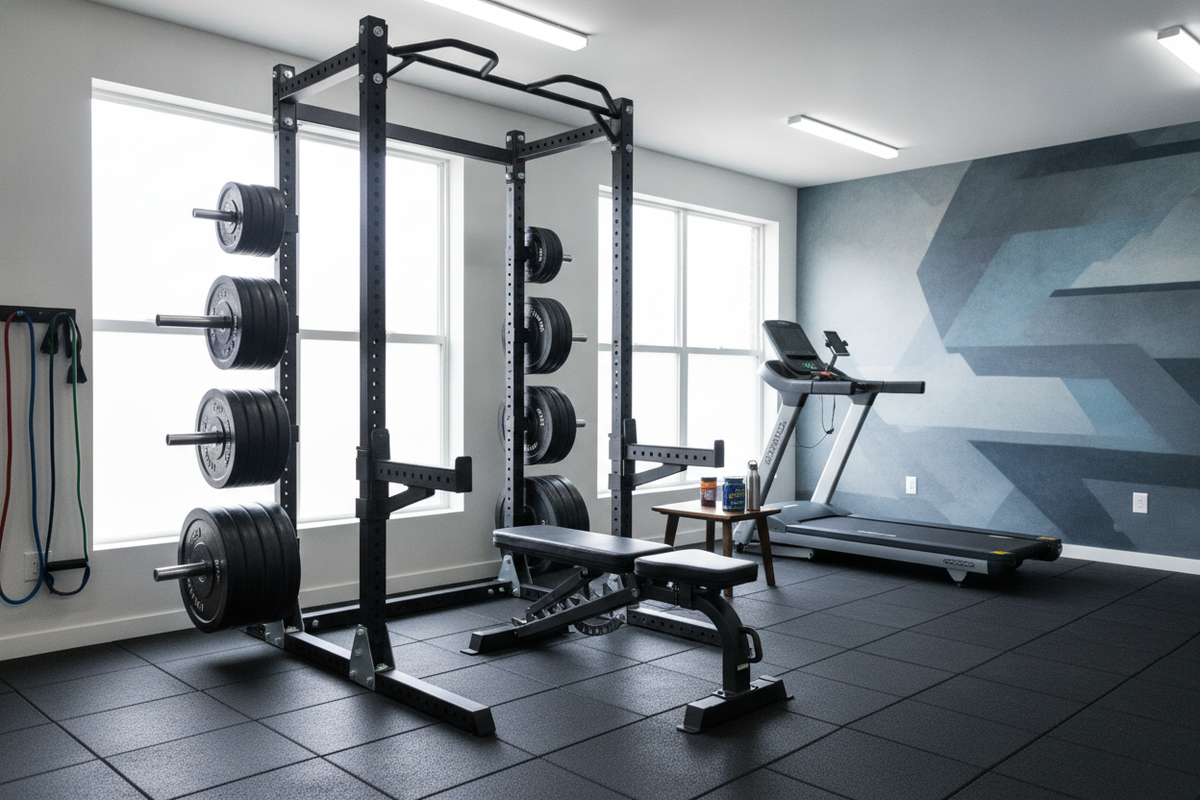
Executing an intensive workout diet plan to build muscle at home requires an environment capable of handling heavy resistance gear and dynamic movement patterns. Subfloors must be properly shielded from the repetitive impact of heavy dumbbells, kettlebells, and barbell drops during volume-heavy hypertrophy blocks.
Setting up dedicated protective matting, such as a large-format gym workout product, establishes a firm, non-slip foundation for heavy compound lifts, split squats, and mobility drills. Utilizing a durable, easy-to-clean gym workout product also defines a comfortable, hygienic zone for post-workout stretching, foam rolling, and core recovery routines, ensuring that your physical training space matches your nutritional dedication.
Key Troubleshooting: Overcoming Plateaus in Muscle Gain and Recovery
Even with an established mass building diet plan, lifters may periodically encounter plateaus in strength, body mass, or recovery. When progress stalls, evaluating lifestyle factors alongside nutritional consistency is essential.
- Assessing Energy Intake: If body weight or training volume remains stagnant over several weeks, incrementally increasing portion sizes of complex carbohydrates and healthy fats can reignite progress.
- Monitoring Recovery Indicators: Persistent fatigue, poor sleep quality, or nagging joint discomfort often indicate that training volume has outpaced current nutritional support or rest intervals.
- Managing Digestive Load: Lifters struggling with high food volumes can incorporate more calorie-dense whole foods, such as nut butters and blended smoothies, to meet energy requirements comfortably.
By refining your nutritional architecture, structuring daily meal timing, and maintaining an organized home gym setup, you establish a reliable, sustainable system for long-term muscle growth and physical performance.


