Meal and Fitness Plan Blueprint: Syncing Nutrition, Training Splits, and Home Floor Staging
Achieving long-term physical conditioning requires a coordinated approach that brings your kitchen routines and training schedule into alignment. Many individuals treat physical exercise and dietary choices as unrelated daily tasks, leading to unnecessary fatigue, stalled progression, or burnout. Building an integrated meal and fitness plan creates operational harmony between the energy you consume and the physical demands of your weekly workouts.
The Core Architecture of a Synchronized Meal and Fitness Plan
A successful workout and diet plan operates on a predictable rhythm. Rather than following restrictive rules that are difficult to sustain during busy workweeks, an integrated system matches your daily food intake with scheduled training demands. Higher physical outputs require structured energy support, while lower-activity days benefit from steady, nutrient-rich meals that foster tissue recovery.
Before introducing complex dietary rules, establishing a consistent exercise cadence is essential. Reviewing a foundational gym workout plan guide helps clarify fundamental movement patterns so that your nutritional strategies support deliberate physical targets rather than random exertion.
- Energy Alignment: Match complex carbohydrates and hydration around challenging lifting sessions.
- Protein Regularity: Distribute quality protein sources evenly across meals to support steady muscle repair.
- Simplicity Over Complexity: Prioritize repeatable meal structures over intricate recipes to reduce daily preparation friction.
Matching Nutrient Timing with Training Split Demands
Different training splits impose distinct physiological demands. A heavy lower-body resistance session requires substantial pre-workout energy reserves and thorough post-session refueling, whereas an active recovery or mobility day requires lighter caloric support focused on micronutrients and hydration.
When organizing a comprehensive fitness meal plan alongside a split routine, consider how meal placement impacts training quality:
- Pre-Training Fuel: Consume easily digestible carbohydrates paired with moderate protein roughly one to two hours before training to maintain steady workout energy.
- Post-Session Nutrition: Pair lean proteins with unprocessed starches following resistance work to replenish muscle glycogen and support ongoing muscle tissue maintenance.
- Rest-Day Pacing: Shift the focus toward fiber-dense vegetables, essential fats, and lean proteins when total daily movement volume is lower.
For individuals balancing varied training modalities across several days, referencing a structured fitness workout plan guide can provide helpful insights into weekly split organization and movement volume balancing.
Weekly Meal Preparation and Kitchen-to-Gym Workflow
Execution consistency is the defining factor of any successful diet and workout plan. Relying on real-time cooking decisions during demanding workdays often results in missed fueling opportunities or impulsive dietary choices. Establishing a streamlined weekly preparation routine removes unnecessary decision fatigue.
Implement a systematic kitchen workflow to keep your food plans for working out readily accessible:
- Batch-Prep Core Staples: Cook versatile staples in bulk, such as roasted root vegetables, brown rice, baked poultry, tofu, or lean ground meats.
- Visual Plating Systems: Build meals using a balanced visual framework—half the plate dedicated to colorful vegetables, one quarter to lean protein, and one quarter to complex carbohydrates.
- Hydration Anchors: Keep a dedicated water bottle at your workspace and inside your training zone, ensuring steady fluid intake throughout the day rather than chugging water right before a session.
Strength Training Accessories and Home Session Integration
A well-designed meal and training plan benefits greatly from training convenience. Incorporating compact home strength equipment allows you to complete targeted sessions without losing valuable time commuting to commercial facilities, leaving more time for meal preparation and recovery.
Equipping your space with items from a dedicated training collection enables high-density resistance sessions right at home. Functional accessories like resistance bands, adjustable dumbbells, and core rollers allow you to challenge multiple movement planes efficiently while remaining close to your kitchen for post-workout fueling.
Home Gym Floor Staging and Space Protection for Consistent Training
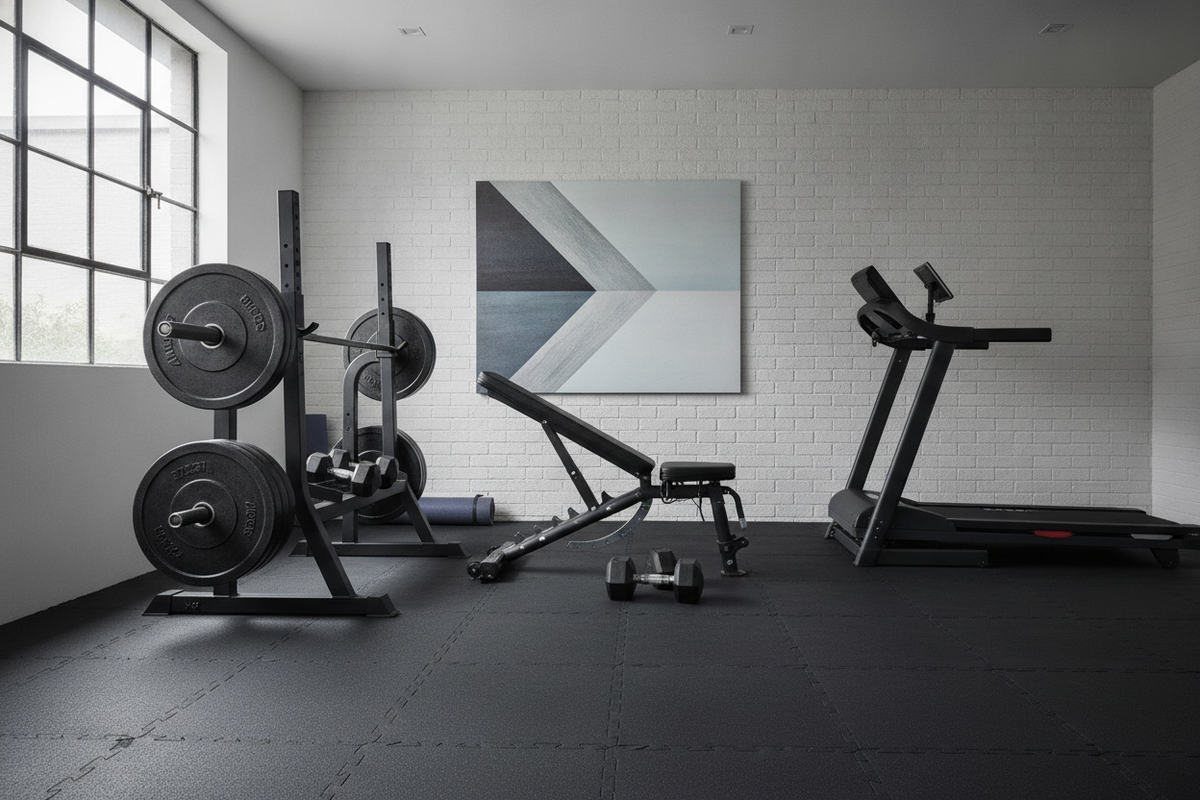
Executing dynamic training routines requires a stable, protective training surface. Hard subfloors can create uncomfortable pressure points during floor-based core work and are susceptible to damage from dropped free weights.
Setting up a heavy-duty gym workout product establishes a dedicated fitness zone that absorbs repetitive foot strikes, cushions joints during calisthenics, and protects residential floors from sweat and impact. A defined physical footprint also reinforces psychological commitment: stepping onto a clean, spacious mat creates a clear boundary between daily household tasks and focused training time.
Long-Term Progression Markers and Plan Adjustments
Sustainable progress requires ongoing evaluation and thoughtful adjustments rather than drastic overhauls. Monitoring how your body responds to your combined meal and fitness plan ensures that you remain properly fueled as training intensity evolves.
Pay close attention to key lifestyle indicators:
- Sustained Energy: Consistent workout enthusiasm and daily alertness indicate that total energy intake is properly balanced.
- Recovery Quality: Manageable muscle soreness and steady sleep patterns reflect adequate nutrient intake and balanced training volume.
- Performance Stability: Progressive strength increases or steady endurance output demonstrate that physical outputs are well supported by your meal structure.
By synchronizing wholesome daily nutrition, structured movement splits, and a well-staged home workout space, you build an efficient fitness ecosystem designed for long-term consistency.