Mastering Benching in a Power Rack for Safe and Powerful Lifts
Benching in a power rack is a foundational training method that allows lifters to combine maximum safety with progressive overload. Whether you are building raw strength or refining your bench press technique, understanding how to bench in a power rack can significantly improve your results while reducing the risk of injury. This approach is not just for competitive athletes; it’s ideal for anyone serious about strength training.
Why Use a Power Rack for Benching
Using a power rack for the bench press offers multiple advantages. A power rack provides adjustable safety pins that catch the bar if you fail a rep. This eliminates the need for a spotter in many cases and encourages consistent training even when lifting heavy. The rack’s versatility makes it possible to practice the bench press in a controlled environment, where both the bar path and body position remain consistent.
Setting Up for the Bench Press in Power Rack
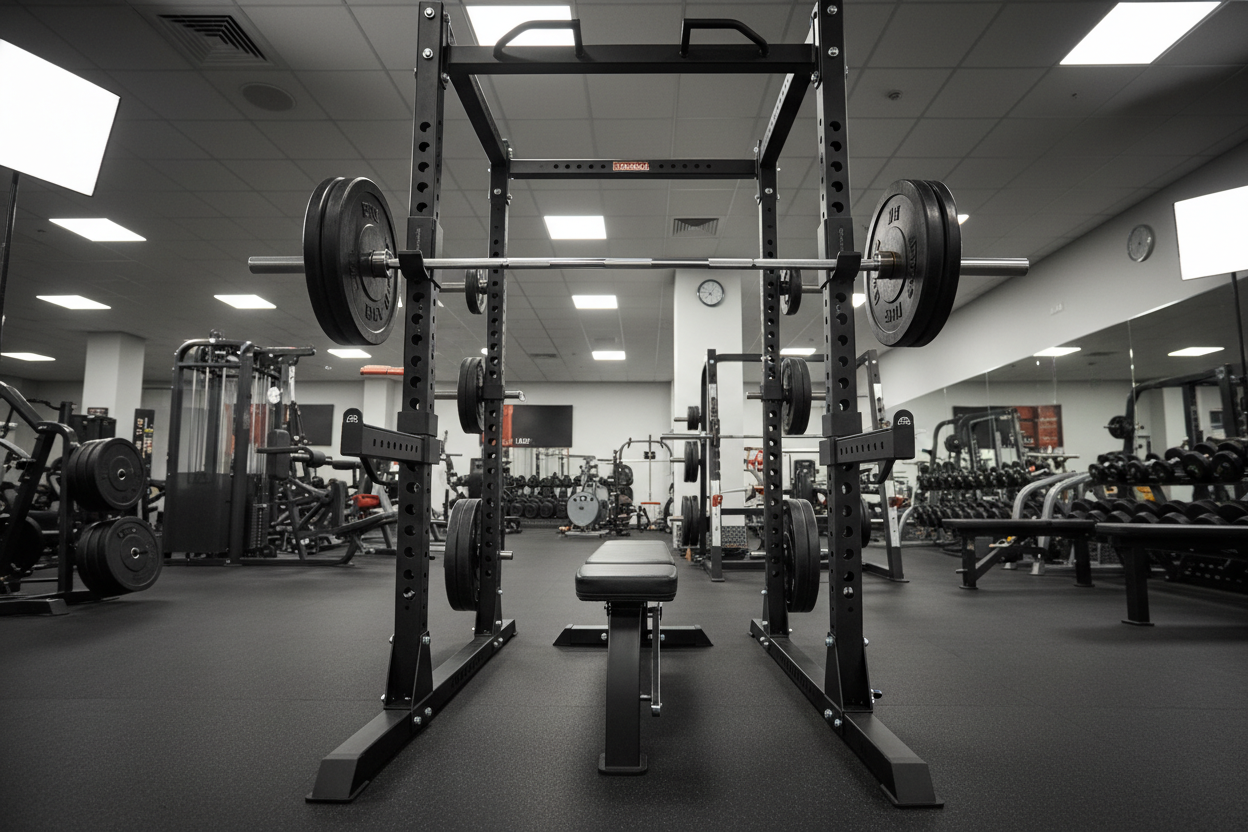
Correct setup is critical for effective and safe training. Start by positioning the bench inside the power rack so that the uprights align just behind your shoulders when you lie down. Adjust the J-hooks to a height where you can easily unrack and rerack the bar without overextending your shoulders. The safety pins should be set slightly below chest level—high enough to prevent the bar from pinning you but low enough not to interfere with the natural bar path.
Before you begin benching in a power rack, ensure the bench itself is stable and centered. Any misalignment between the bench and rack can cause uneven lifting and affect your joint alignment. A properly configured setup supports consistent bar tracking and maintains your balance through every repetition.
Technique Tips for Optimal Performance
The bench press in a power rack requires attention to detail. Grip the bar firmly, keeping your wrists stacked over your elbows. Retract and depress your shoulder blades to stabilize your upper back. This creates a solid foundation and minimizes stress on your shoulders.
Lower the bar under control until it lightly touches your chest or comes close, depending on your range of motion. Drive the bar upward by pressing your feet into the ground and extending your arms. Avoid bouncing the bar off your chest—controlled movement develops strength more effectively and protects the sternum.
Safety and Spotting Considerations
Even though benching in a power rack reduces risk, proper safety procedure is still necessary. Perform a quick safety check before each session—confirm that the J-hooks and pins are locked into place and that there is no instability. If training alone, test the bar path with an empty barbell to make sure it clears the pins smoothly.
The rack’s safety bars serve as your spotter. If your lift stalls, gently lower the bar onto the pins instead of attempting to press through poor form. This prevents overexertion and reduces the risk of strain or injury.
Progressive Overload and Training Variety
One of the biggest benefits of a bench press power rack setup is versatility. You can easily apply progressive overload—the gradual increase of weight over time—by adding small increments each session. Partial bench presses can also be performed by setting the safety pins at different heights. For example, pin pressing helps strengthen lockout power and overcome sticking points in the top range of motion.
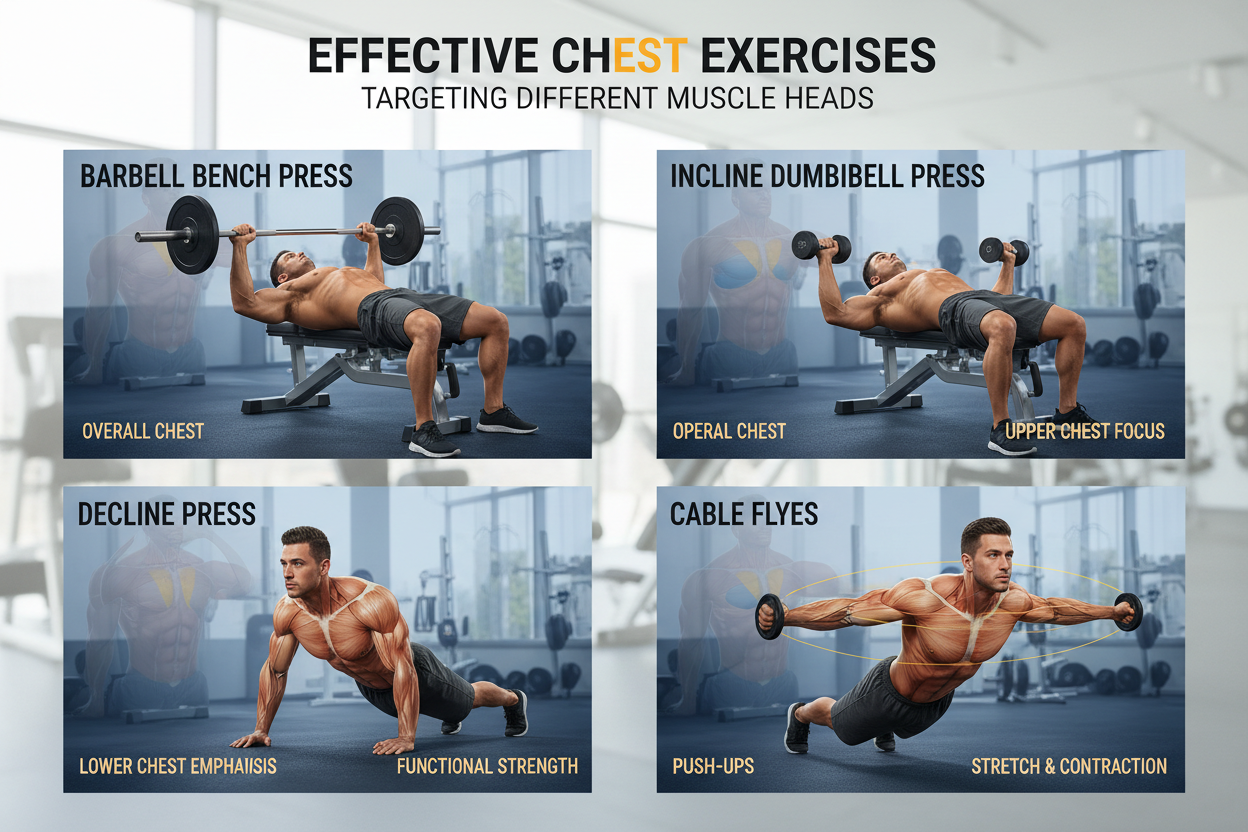
Additionally, by adjusting the bench angle, you can shift emphasis between muscle groups. A flat bench targets the mid-chest, while a slight incline emphasizes the upper chest and shoulders. All of this can be performed safely within a power rack environment.
Personal Experience: Developing Confidence Under the Bar
When I first began benching in a power rack, I was hesitant about lifting heavy without a spotter. Over time, I noticed that setting the safety pins correctly gave me more confidence to push beyond my comfort zone. I no longer worried about getting trapped under the bar on challenging sets, which allowed me to focus more on form and bar speed. This psychological assurance translated into noticeable gains in both strength and technique.
Maintenance and Equipment Care
To maintain reliability, inspect your power rack regularly. Check bolts, safety pins, and adjustment points for wear or loosening. Keeping the bench level and the rack components clean extends their lifespan and ensures consistent performance during the bench press power rack setup. Clean the bar path area to prevent dust buildup, which can affect grip and rack alignment.
Common Mistakes to Avoid
One frequent mistake is setting the safety pins too high, which can interfere with the bottom position of the lift. Another issue is unracking the bar from too high a position, forcing unnecessary shoulder movement. Always check the alignment between your eyes and the bar when lying flat. Avoid pushing through pain or instability—adjusting setup and form is more beneficial than forcing a heavy lift prematurely.
Conclusion: A Safer and Smarter Way to Build Strength
Benching in a power rack provides a secure, efficient, and adaptable method for developing pressing strength. It suits both novice and advanced athletes looking to train responsibly while maximizing performance. By paying attention to setup, form, and safety, you can make steady progress without compromising health or technique. Whether you call it benching in a power rack or simply using a bench press power rack, the core principle remains the same: controlled, safe, and progressive training brings lasting results.