Master Chest Exercise Machines for Maximum Hypertrophy
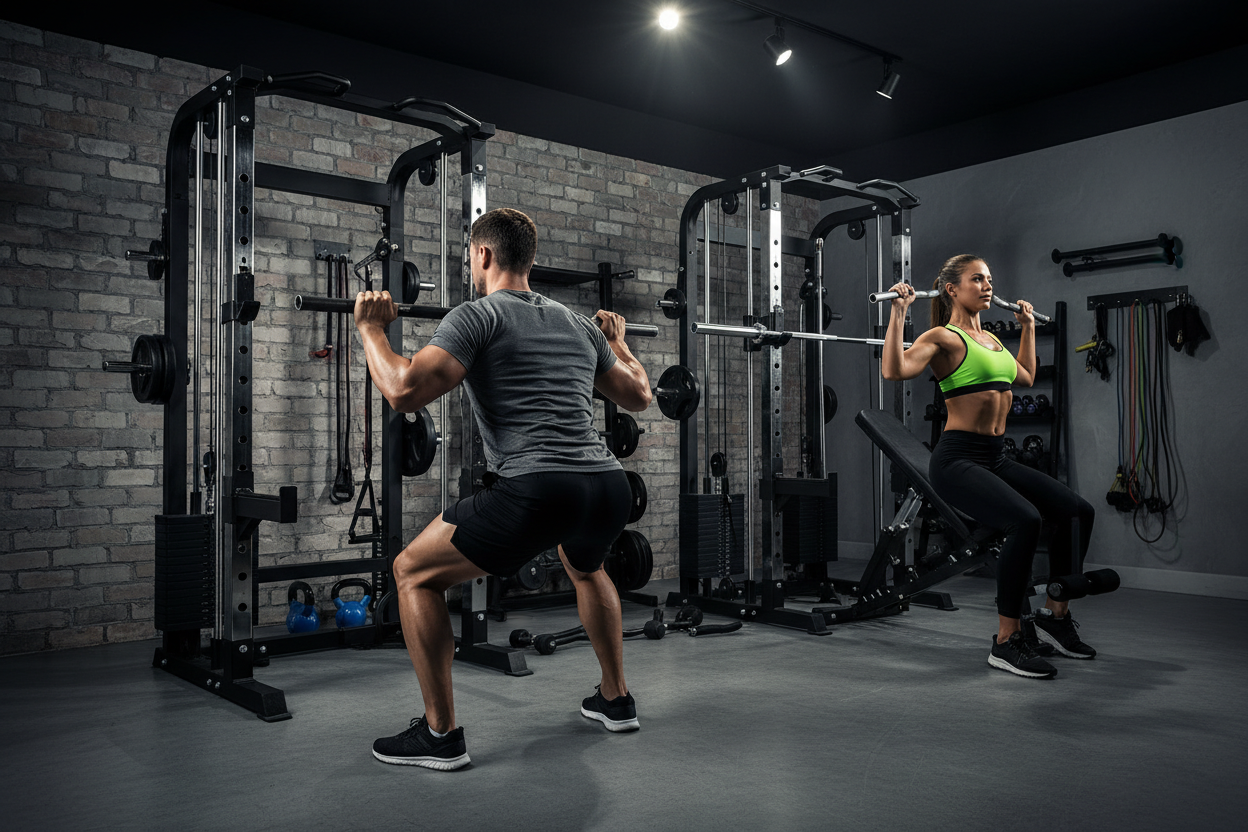
For years, the gym bro code has dictated that barbells are king and machines are for beginners. This outdated mindset is exactly why so many lifters struggle to develop a full, thick chest. If you rely solely on free weights, you are missing out on the unique mechanical advantages that chest exercise machines provide.
Machines offer stability that free weights simply cannot match. This stability allows you to drive output closer to true muscular failure without the fear of dropping a barbell on your neck. It’s not about choosing one over the other; it’s about integrating the right tools to force growth.
Key Takeaways: Optimizing Machine Work
- Stability equals output: Machines remove the need to balance the load, allowing 100% of your effort to go into pushing weight.
- Constant tension: Unlike dumbbells, which lose tension at the top of a fly, cables and machines provide resistance through the full range of motion.
- Safety at failure: You can safely train to failure (and beyond) without a spotter using chest machines.
- Angle precision: Most modern gym machines for chest allow for specific seat adjustments to target the upper, middle, or lower pecs accurately.
Why Your Routine Needs Chest Machines
Hypertrophy—muscle growth—requires tension. While free weights are excellent for systemic strength, they often tax your stabilizer muscles before your pecs truly fatigue.
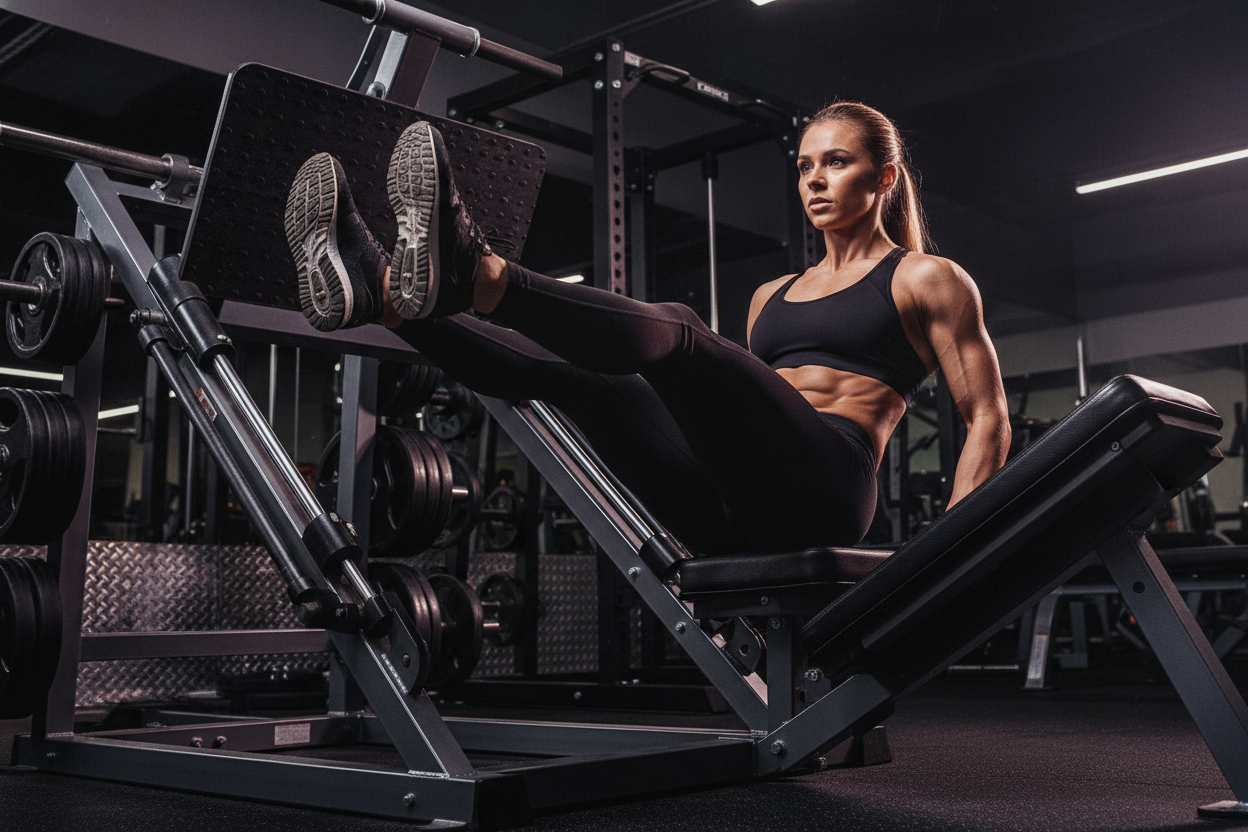
Equipment for chest exercises is designed to bypass those stabilizers. By locking your body into a fixed path, a chest workout gym machine isolates the pectoral fibers. This is crucial for bodybuilders or anyone dealing with lagging chest development. When you remove the stability factor, you increase the raw motor unit recruitment in the target muscle.
The Essential Gym Machines for Chest
Walking into a commercial gym can be overwhelming. While there are dozens of variations, focusing on the mechanics of these three categories will yield the best return on investment.
1. The Converging Chest Press
This is your bread-and-butter compound movement. Older chest weight machines moved in a straight line, which puts stress on the shoulder joint. Modern gym equipment for chest utilizes a "converging" path—the handles start wide and come together as you push out.
This mimics the natural anatomical function of the pectorals (adduction). Whether it’s a plate-loaded iso-lateral machine or a selectorized stack, focus on driving your elbows toward the centerline of your body, not just pushing the weight away.
2. The Pec Deck (Chest Squeeze Machine)
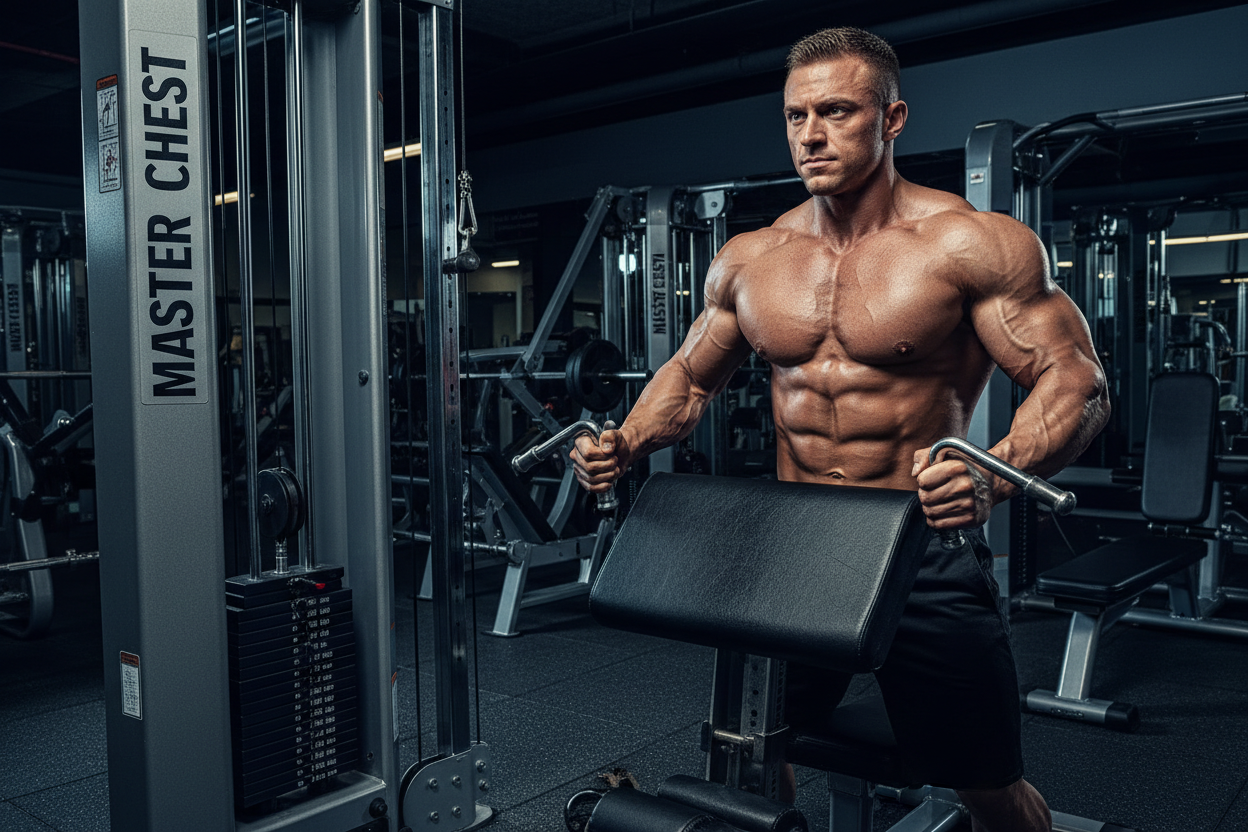
Commonly referred to as the butterfly or chest squeeze machine, this piece of equipment is often performed incorrectly. The goal here isn't to slam the handles together; it's to shorten the pec muscle as much as possible.
This is a superior pectoral workout machine because it keeps tension on the muscle even when your hands are touching. With dumbbells, gravity takes over at the top, and the tension vanishes. Here, the resistance profile is constant.
3. Cable Crossovers (The Versatile Chest Pull Machine)
While technically a cable station, this is the ultimate machine for chest workout versatility. By adjusting the pulley height, you can target any fiber orientation.
High-to-low pulls target the lower chest (costal fibers), while low-to-high pulls target the upper shelf (clavicular fibers). This equipment for chest workout allows for a range of motion that static machines can't replicate, letting you cross your hands over your body for a peak contraction.
Common Mistakes on Chest Workout Machines
Even with a fixed path of motion, you can mess this up. The most frequent error I see on chest day machines is setting the seat too low. When the seat is too low, your shoulders rise, and the deltoids take over the movement.
Another issue is momentum. If you are using a chest pump machine like a fly or press, bouncing the weight stack at the bottom destroys your gains. That "clank" sound of the weights hitting is the sound of tension leaving your muscles. Control the eccentric (lowering) phase.
My Training Log: Real Talk
I want to share a specific realization I had regarding chest machines at the gym. For years, I avoided the Pec Deck because it always aggravated my rotator cuff. I thought the machine was the problem.
It wasn't until I stopped trying to grab the handles with a death grip that it clicked. I started using an open-palm technique, pressing against the pads with my forearms rather than my hands. I remember the specific texture of the vinyl pads digging into my inner elbows—it was uncomfortable on the skin, but for the first time, I felt zero pain in my shoulder joint and a cramping sensation in my inner chest I'd never felt with dumbbells.
Also, let's talk about the "friction" on older selectorized machines. There is a gritty, stuttering feeling on neglected gym machines that can actually be useful. That friction forces you to push harder through the "sticky" spots, unintentionally acting like accommodating resistance. Don't shy away from the beaten-up equipment in the corner; sometimes the drag helps the pump.
Conclusion
Stop viewing chest workout machines at gym sessions as a downgrade from free weights. They are precision tools designed to take your physique to a place that barbells alone cannot reach. By stabilizing your body and isolating the intended muscle fibers, you can push past failure safely and stimulate new growth. Check your ego, adjust the seat height, and focus on the squeeze.
Frequently Asked Questions
Can you build a big chest using only machines?
Yes, you can build significant muscle mass using only chest workout gym machines. Hypertrophy relies on mechanical tension and metabolic stress, both of which can be achieved effectively with machines. In fact, for bodybuilders prone to injury, machines are often superior for longevity and isolation.
What is the best machine for the upper chest?
The incline lever press or a low-pulley cable fly are generally the best gym machines for chest and arms when focusing on the upper clavicular fibers. Look for machines that press at a 30 to 45-degree angle to specifically target the upper shelf of the pecs.
Are chest machines safer than free weights?
Generally, yes. Chest equipment gym setups reduce the risk of dropping weights and remove the stability demand on the shoulder joints. This makes them ideal for rehabilitation, beginners, or advanced lifters looking to train to failure without a spotter.