Machine vs. Shoulder Press Free Weight: Which Actually Builds Mass?
I remember the first time I loaded four plates on a seated machine press at a big box gym. I felt like a god until I stepped into my garage, grabbed a barbell, and tried to put 135 pounds over my head. I nearly tipped over. That is the cold, hard reality of the shoulder press free weight; it does not care about your ego or your machine stats.
- Free weights force stabilizer muscles to fire, leading to better long-term joint health.
- Barbells allow for maximum loading, while dumbbells fix muscular imbalances.
- The core demand of a standing press is significantly higher than any machine.
- Machines are best reserved for high-volume finishers when your form starts to break.
The Illusion of Strength on a Fixed Track
Moving massive stacks on a seated rig feels great, but it is often a lie. When you use something like the Titan Fitness plate loaded deltoid press, the machine handles the path of the weight for you. You are pushing in a groove, which means your micro-stabilizers—those tiny muscles in the rotator cuff and upper back—are basically taking a nap. It is pure isolation, which has its place, but it does not build 'useful' strength.
Switching to a shoulder press without machine assistance changes the physics entirely. Suddenly, you are responsible for keeping the weight from drifting forward, backward, or sideways. This 3D struggle is what actually triggers growth in the medial and anterior deltoids. If you cannot balance the weight, you cannot lift it. That is the ultimate feedback loop for building a frame that does not just look strong but actually functions under load.
Barbells vs. Dumbbells: Picking Your Free Weight Weapon
Once you commit to the weighted shoulder press, you have to choose your tool. The barbell is the king of raw tonnage. It allows you to move the most weight possible because your hands are locked onto a single plane. If your goal is to press 225 pounds over your head, you need a bar in your hands. It is the gold standard for overhead power.
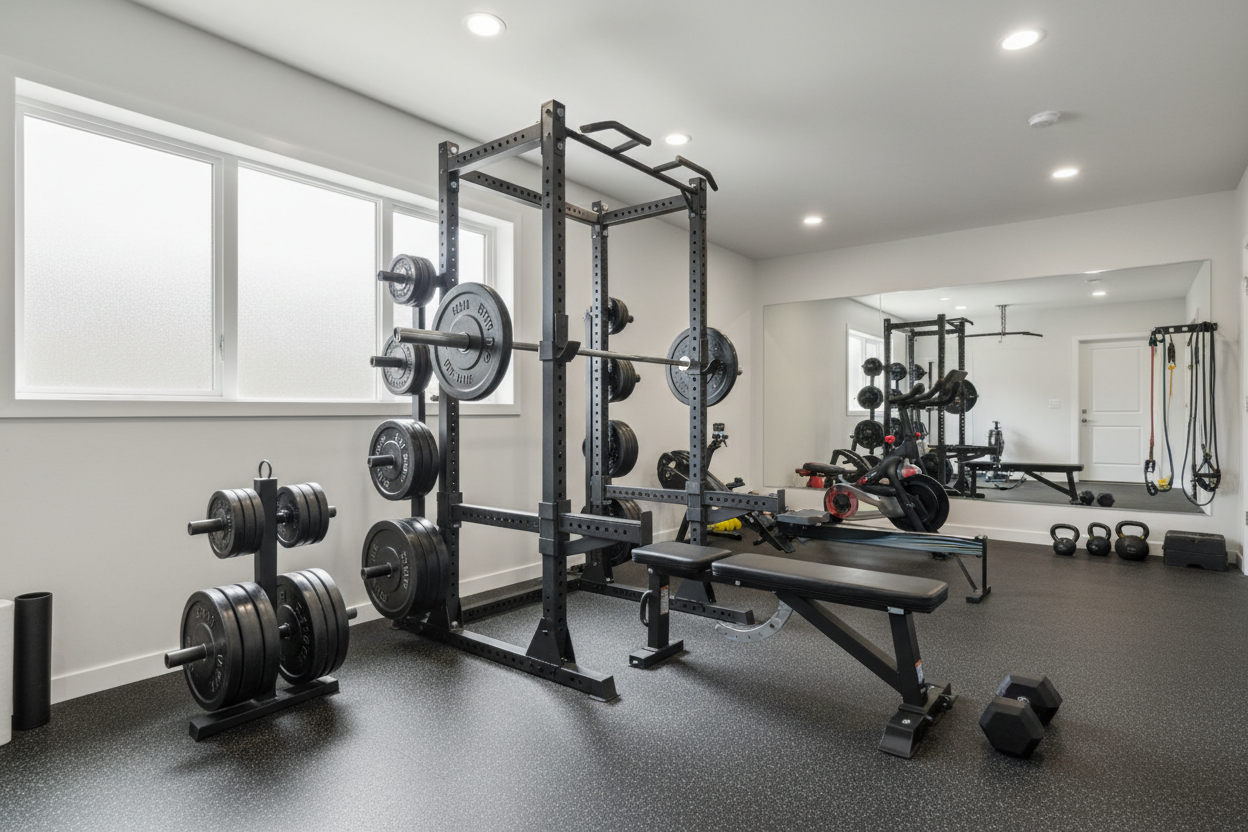
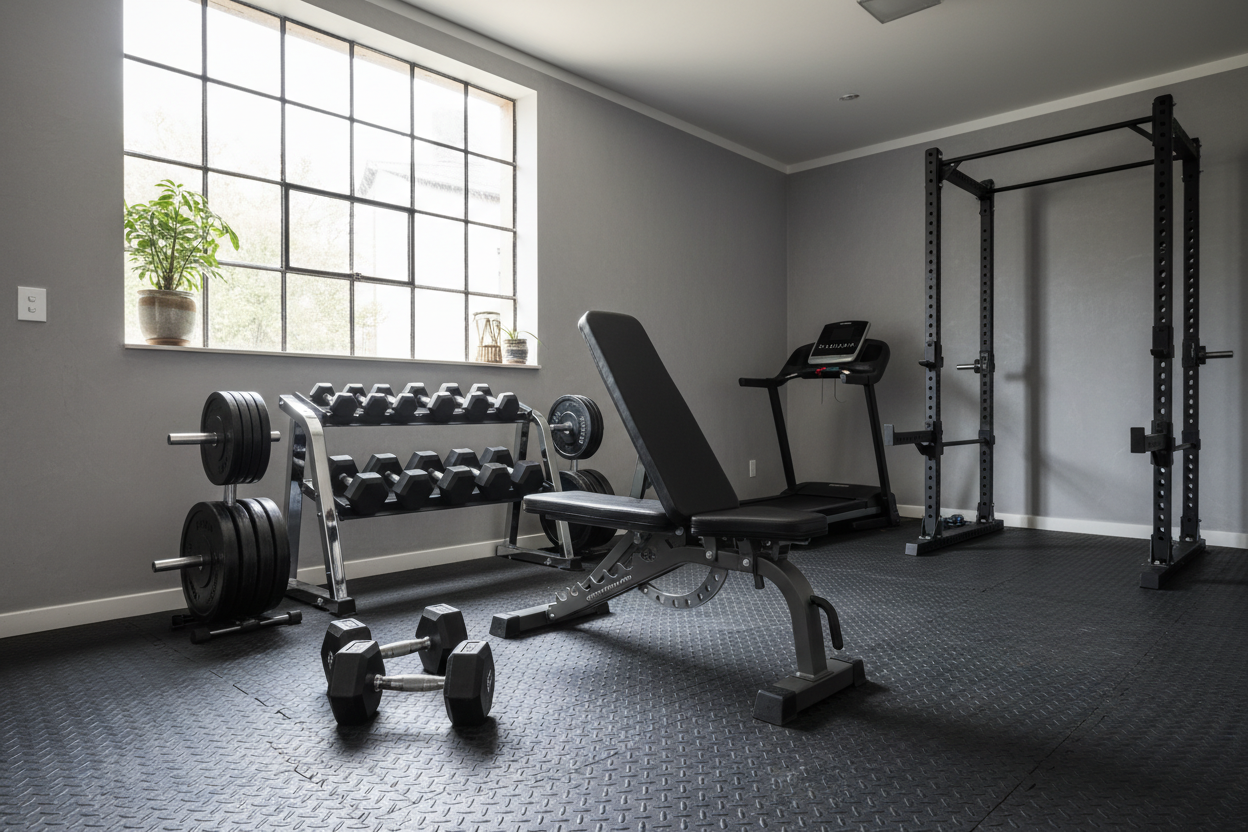
Dumbbells, however, are the secret to longevity. They allow for a more natural, converging arc and let your wrists rotate as needed. If you are going heavy on seated dumbbell work to save your lower back, you need a rock-solid adjustable weight bench. I have used cheap benches that wobble when you try to kick up 80-pounders, and it is terrifying. Get a bench with a high weight capacity so you can focus on the press, not on whether the frame is going to buckle.
Why Your Numbers Will Drop (And Why That Is Good)
Do not be surprised when your numbers tank. If you look at the shoulder press machine weight standards, you will see people pushing 300+ pounds easily. Try that with a standing barbell press and you will likely end up on a blooper reel. The free weight version requires massive core tension and glute activation just to stay upright.
This drop in weight is actually a sign of progress. You are finally addressing the weak links in your chain. Every pound you add to a strict overhead press is worth three on a machine. You are building 'thick' shoulders that look powerful from the side, rather than the flat, 'capped' look that often comes from machine-only training. Respect the bar, drop the ego, and start with a weight you can actually control.
Is There Ever a Reason to Go Back to Machines?
I am a free weight purist, but I am not an idiot. There are times when browsing the weight lifting machines section makes sense. If you are finishing a workout and your lower back is fried from heavy deadlifts, trying to balance heavy dumbbells overhead is a recipe for a trip to the chiropractor. This is where the machine shines.
Use machines for 'trash volume' at the end of a session. Once you have done your heavy standing presses, jump on a machine to chase a pump. It allows you to push to absolute failure without the risk of the weight falling on your head. It is about using the right tool for the right job. Use free weights to build the foundation and machines to add the finishing touches.
Is standing better than seated?
Standing hits your core and glutes harder, making it a better full-body movement. Seated allows you to isolate the shoulders more because the bench provides a platform to push against.
Should I use a lifting belt for overhead press?
I only use a belt when I am working above 85% of my max. You want your core to learn how to stabilize itself, but for true heavy triples or singles, the extra intra-abdominal pressure helps protect your spine.
How do I stop my lower back from arching?
Squeeze your glutes like you are trying to crack a walnut. If your glutes are tight, it is almost impossible to over-arch your lumbar spine. If you still can't stop the arch, the weight is too heavy.