How to Spot Fake Tips on Weight Training Before You Get Hurt
I was scrolling through my feed at midnight, looking for some fresh accessory work, when I saw a guy doing overhead presses while standing on a medicine ball. My ankles hurt just watching it. If you are looking for legitimate tips on weight training, the algorithm is your worst enemy. It wants 'new' and 'shocking,' but your muscles just want 'effective' and 'consistent.'
- If it looks like a circus trick, it is probably clickbait.
- Consistency and progressive overload beat novelty every single time.
- Cheap, unstable gear is a liability when you start moving real weight.
- Stick to the fundamental movements for the best results.
Why Your Social Media Feed Is Ruining Your Gains
The problem with modern fitness content is that a standard squat or a clean bench press doesn't get clicks. We have all seen it—the influencer doing a backflip into a burpee. This isn't proper weight training; it is performance art designed to hijack your dopamine.
When you go looking for tips weight training enthusiasts actually use, you have to ignore the noise. Real progress happens in the mundane. It is about adding five pounds to the bar or squeezing out one more rep than last week. If a video makes you think 'I have never seen that before,' there is usually a very good reason why.
Red Flag 1: The Exercise Looks Like a Circus Act
If someone tells you that you need to balance on a Bosu ball with three resistance bands tied to your waist to 'activate your core,' keep scrolling. Real strength is built on a stable surface. You cannot produce maximum force when your nervous system is terrified of falling over.
Most of the best tips on weight training are found in boring articles on weight training that focus on things like bar path and bracing. It is not sexy, and it won't get a million likes, but it will keep you out of the physical therapist's office. If the move requires more balance than a tightrope walker, it is not a strength move.
Red Flag 2: They Tell You the Gear Doesn't Matter
I have heard people say you can get a world-class workout using a gallon of milk and a folding chair. That is nonsense. Once you move past the absolute beginner stage, stability becomes your best friend. You cannot safely push your limits on equipment that wobbles when you breathe on it.
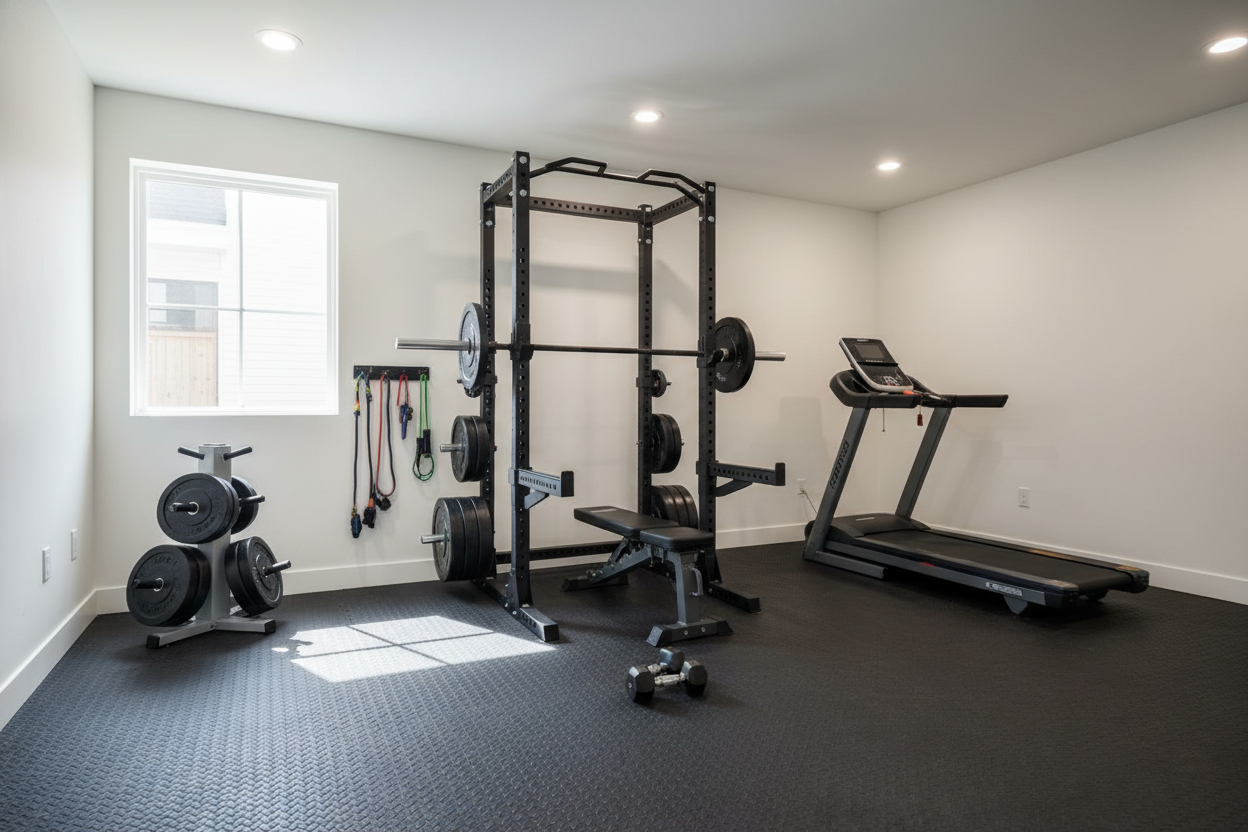
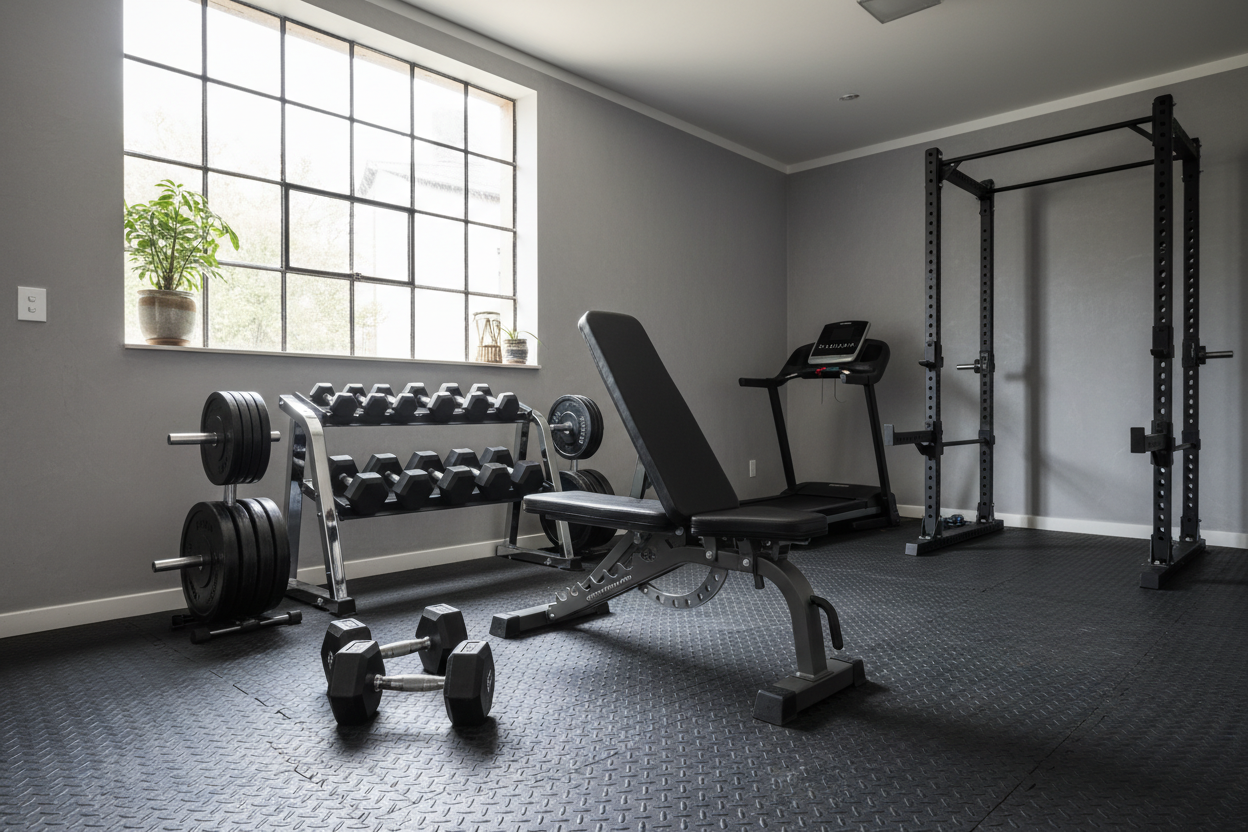
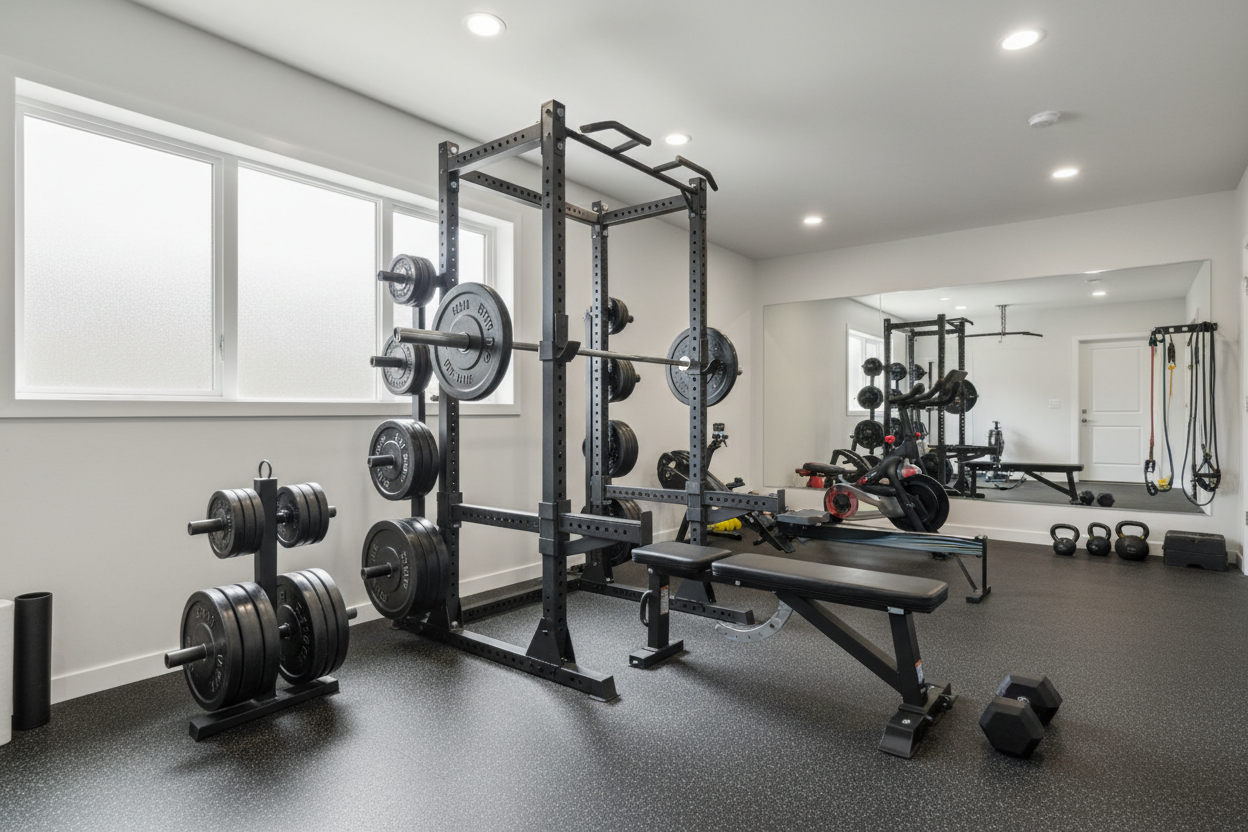
I have tested dozens of setups, and the bare minimum for a safe home gym is a heavy-duty adjustable weight bench. You need something with a 600-lb+ weight capacity and a frame that doesn't creak under load. If you are serious about heavy lifting, investing in a power rack weight bench package is the move. It provides the safety pins you need when you are training alone in a garage.
Red Flag 3: Overcomplicating Basic Machine Work
Lately, there is a trend of people using weight lifting machines in ways the engineers never intended. I am talking about sitting backward on a chest press or standing on the seat of a leg press. This is a fast track to a torn labrum or a broken machine.
These machines are built with specific pivot points and biomechanical paths. When you 'hack' them to create a new movement, you are usually putting your joints in a compromised position. If the machine was meant to be used backward, the manufacturer would have put the seat on the other side. Stick to the intended path and focus on the mind-muscle connection instead.
How to Filter the BS and Just Lift
To get the most out of proper weight training, you need a filter. Ask yourself: Can I add weight to this move over time? Is my body stable? Does this target the muscle I am actually trying to hit? If the answer to any of these is 'no,' toss the advice in the bin.
Mastering the basics is the ultimate truth of lifting. Understanding why everyone needs a weight training bench is more valuable than any 'secret' glute hack you see on TikTok. Build your foundation on heavy compounds and reliable gear, and the results will follow.
My Personal Lesson in 'Social Media Form'
A few years ago, I tried a 'hack' using resistance bands looped over a pull-up bar for weighted dips because I didn't want to buy a dip belt. One of the bands snapped, whipped me across the face, and I nearly fell off the rack. I learned the hard way that 'clever' is often just a synonym for 'dangerous.' Now, I buy the right gear and stick to the proven movements.
FAQ
How often should I change my workout routine?
Less often than you think. If you are still getting stronger on your current lifts, don't change a thing. Usually, every 8-12 weeks is enough to swap out some accessory moves while keeping the main lifts the same.
Is form more important than the amount of weight?
Yes, but only to a point. You need 'good enough' form to stay safe, but don't let the pursuit of 'perfect' form stop you from adding weight to the bar. That is where the growth happens.
Do I really need a power rack for home lifting?
If you are squatting or benching heavy without a spotter, yes. The safety bars on a rack are the only thing standing between you and a very bad day if you miss a rep.